
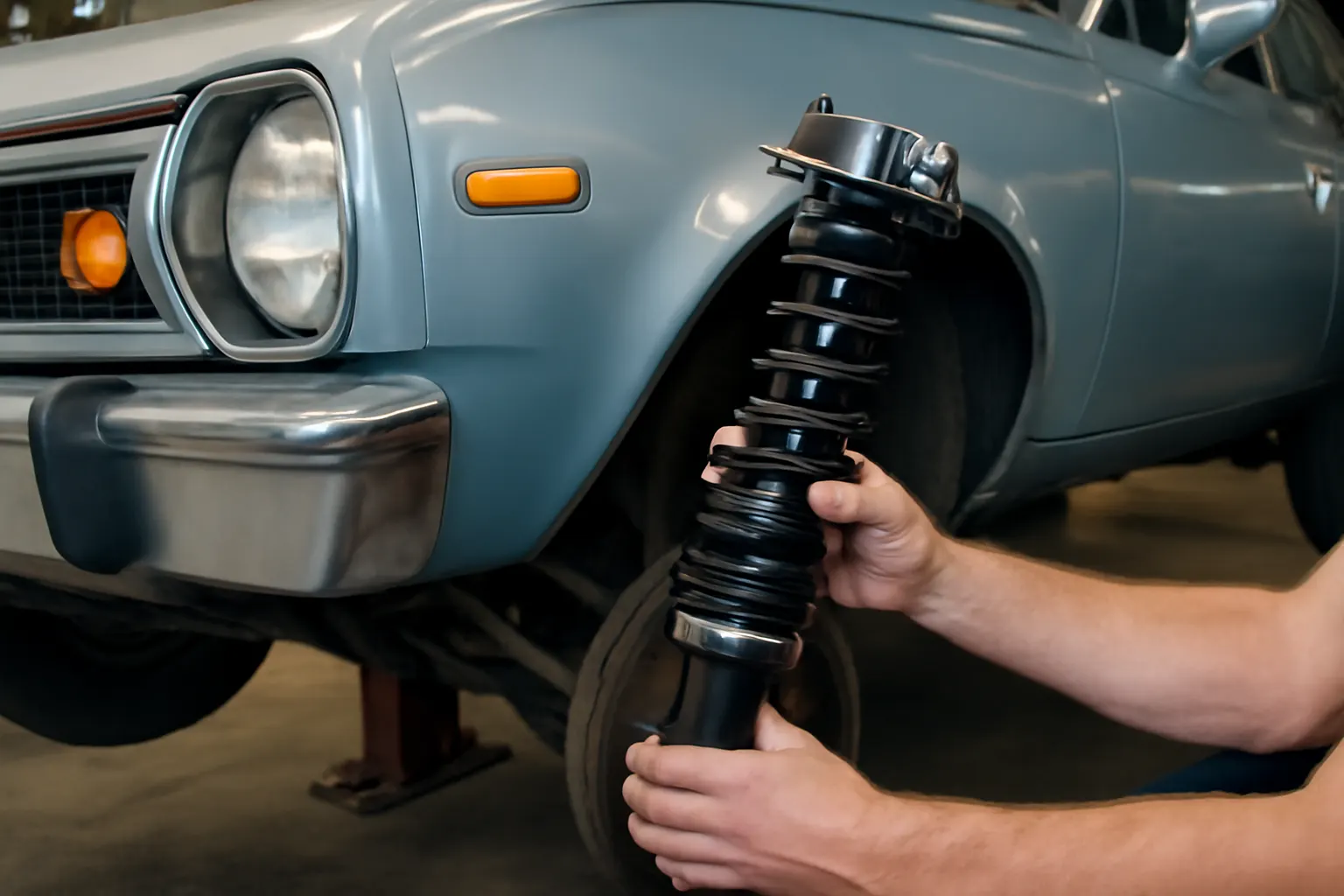
Amc Hornet Suspension Upgrade Guide
Upgrading the suspension on your AMC Hornet is one of the most effective ways to restore or enhance its ride quality, handling, and safety—especially as these classic vehicles age and original components wear out. This comprehensive guide provides practical, technical, and safety-focused insights for owners and restorers seeking to improve their Hornet’s suspension system, with step-by-step upgrade advice, diagnostic checklists, and best practices. Whether your goal is to return your Hornet to factory-fresh ride comfort or to add modern performance, this resource will help you make informed decisions and execute successful upgrades.
If you’re seeking AMC Hornet parts or broader maintenance resources, see our AMC Hornet Auto Parts & Model Maintenance Resource for additional technical articles and sourcing tips.
Why Upgrade the AMC Hornet Suspension?
The AMC Hornet, produced from 1970 to 1977, was engineered for the standards of its era—meaning its suspension design, while robust, lacks the ride comfort, cornering stability, and safety features of modern vehicles. Over decades, original bushings, shocks, ball joints, and springs degrade, leading to excessive body roll, unpredictable handling, and increased stopping distances. Upgrading the suspension restores lost capability, dramatically improves safety, and can even enhance fuel efficiency due to reduced rolling resistance and improved alignment (NHTSA, DOE).
Immediate Benefits of a Suspension Upgrade
- Ride Comfort: New shocks and bushings absorb road imperfections more effectively.
- Handling Stability: Upgraded springs and sway bars reduce body roll and improve cornering.
- Braking Performance: A stable suspension allows brakes to work more efficiently.
- Safety: Fresh components reduce the risk of component failure and loss of control.
- Component Longevity: Modern materials offer longer service life and reliability.
The Hidden Problem: Age-Related Suspension Degradation
Many AMC Hornet owners underestimate the extent to which suspension parts degrade over time. Deterioration can be subtle, with symptoms like vague steering, uneven tire wear, and increased stopping distances developing gradually. Even if your Hornet feels “fine,” the rubber in bushings and mounts hardens and cracks, springs sag, and shocks lose their damping ability—compromising both ride quality and safety. This is particularly concerning given that the Hornet’s original suspension design lacks the redundancy and advanced geometry of modern systems, making it especially vulnerable to the effects of wear (NHTSA).
Identifying Suspension Weak Points in the AMC Hornet
Before upgrading, it’s crucial to diagnose the current condition of your suspension. The Hornet’s front suspension uses upper and lower control arms with coil springs and telescopic shock absorbers, while the rear employs a solid axle with leaf springs and shocks. Common failure points include:
- Front Control Arm Bushings: Prone to cracking and excessive play.
- Ball Joints: Can develop looseness, leading to imprecise steering.
- Coil Springs: Sag with age, lowering ride height and affecting alignment.
- Shock Absorbers: Lose damping, causing bounce and poor control.
- Rear Leaf Springs: Flatten or crack, reducing load capacity and stability.
- Sway Bar Bushings and Links: Deteriorate, increasing body roll.
Diagnostic Checklist: AMC Hornet Suspension
Use this checklist to evaluate your Hornet’s suspension before planning upgrades:
| Component | Inspection Method | Signs of Wear/Failure |
|---|---|---|
| Shocks/Struts | Bounce test; visual leak check | Excessive bounce, oil seepage |
| Coil/Leaf Springs | Visual; measure ride height | Sagging, broken leaves/coils |
| Control Arm Bushings | Pry bar check; visual inspection | Cracks, excessive movement |
| Ball Joints | Wheel shake test; grease fitting | Play, clicking, torn boots |
| Sway Bar Bushings | Visual; pry bar check | Cracking, movement, noise |
| Tie Rod Ends | Steering play test | Looseness, wandering steering |
| Wheel Bearings | Spin test; shake test | Grinding, play, roughness |
Expanding the Problem: Safety, Performance, and Compliance Risks
Ignoring suspension issues in the AMC Hornet can have cascading effects. Worn parts increase the risk of loss of control, especially in emergency maneuvers or under heavy braking. The National Highway Traffic Safety Administration (NHTSA) stresses that impaired suspension components can contribute to accidents and reduce the effectiveness of other safety systems (NHTSA). Additionally, persistent suspension misalignment accelerates tire wear, increases fuel consumption, and can even cause failed vehicle inspections.
For those restoring or modifying a Hornet for road use, it’s essential to ensure that any upgraded components meet or exceed OEM specifications and comply with applicable safety standards (SAE International). Aftermarket parts should be sourced from reputable suppliers and, where possible, certified to relevant engineering standards.
Planning Your AMC Hornet Suspension Upgrade
A successful suspension upgrade begins with a clear goal: Do you want a factory-accurate restoration, a comfortable daily driver, or a performance-oriented setup for spirited driving or autocross? Your answer will guide component selection and installation approach.
Factory Restoration
- Focus on OEM-equivalent bushings, springs, and shocks.
- Prioritize ride comfort and originality.
- Use rubber bushings and standard-rate springs.
Comfort/Modernization
- Consider progressive-rate springs for a smoother ride.
- Upgrade to gas-charged shocks for better damping.
- Polyurethane bushings offer improved longevity and sharper response.
Performance Handling
- Install stiffer springs and heavy-duty sway bars.
- Use performance shocks with adjustable damping.
- Replace all rubber bushings with polyurethane or solid alternatives.
Selecting the Right Suspension Components
The AMC Hornet’s suspension geometry is relatively simple, but component quality and compatibility are critical. When choosing parts, verify fitment for your model year and trim. Here’s an overview of key upgrade options:
Shocks and Struts
- Standard Gas Shocks: Good for daily driving and restoration.
- Performance Shocks: Adjustable units allow tuning for ride and handling.
- Heavy-Duty Shocks: Ideal for cars carrying extra weight or subjected to hard use.
Springs
- OEM Replacement Springs: Restore original ride height and comfort.
- Performance/Lowering Springs: Improve handling but may stiffen the ride.
- Progressive-Rate Springs: Offer comfort on smooth roads and firmness during cornering.
Bushings
- Rubber Bushings: Closest to factory feel; best for originality.
- Polyurethane Bushings: Last longer and sharpen handling, but may transmit more noise.
Sway Bars
- Upgraded/Thicker Sway Bars: Reduce body roll, especially in spirited driving.
- Polyurethane Sway Bar Bushings: Improve bar effectiveness and longevity.
Ball Joints, Tie Rods, and Control Arms
- Always replace these with high-quality, new components if any play or wear is detected.
- Consider complete control arm assemblies if bushings and ball joints are both worn.
Sourcing Quality Suspension Parts for the AMC Hornet
Finding reliable suspension components for a classic AMC Hornet requires a blend of specialty suppliers, classic car parts houses, and, occasionally, cross-referencing with other AMC models. Here are practical sourcing tips:
- Specialty Retailers: Seek out vendors specializing in AMC and classic American cars.
- OEM vs. Aftermarket: OEM-style parts ensure fitment, but reputable aftermarket brands may offer superior materials and performance.
- Cross-Reference Parts: Some Hornet suspension parts interchange with later AMC models or even Jeep vehicles.
- Inspect Used Parts: Avoid used rubber components—age degrades them even if they look good.
- Check for Recalls: Before purchasing, verify that there are no active recalls on suspension components (NHTSA Recalls).
Step-by-Step Suspension Upgrade Process
Upgrading the AMC Hornet’s suspension is a manageable project for experienced DIYers with the right tools and safety precautions. Here’s a general workflow:
-
Preparation
- Secure the vehicle on jack stands.
- Remove wheels for access.
- Soak all fasteners with penetrating oil.
-
Disassembly
- Carefully unload springs using a spring compressor.
- Remove shocks, sway bar links, and control arms.
- Mark alignment positions as reference for reassembly.
-
Inspection
- Clean and inspect mounting points for rust or damage.
- Replace any corroded hardware or brackets.
-
Installation
- Install new bushings into arms and bars.
- Fit new ball joints, tie rods, and shocks.
- Install springs, ensuring correct orientation and seating.
-
Torque and Alignment
- Tighten all fasteners to manufacturer specifications.
- Lower the vehicle and bounce to settle suspension.
- Schedule a professional alignment.
-
Test Drive
- Check for noises, vibrations, or steering issues.
- Re-torque all fasteners after initial shakedown.
Alignment and Post-Upgrade Adjustments
After any suspension work, a professional four-wheel alignment is essential. The AMC Hornet’s alignment specs are relatively forgiving, but proper camber, caster, and toe settings are critical for even tire wear, straight tracking, and safe handling. If you’ve installed lowering springs or altered suspension geometry, discuss custom alignment settings with your shop to optimize performance and tire life.
Maintenance Tips for Upgraded AMC Hornet Suspensions
To maximize the longevity and effectiveness of your suspension upgrade:
- Regularly inspect bushings, ball joints, and shocks for wear or leaks.
- Lubricate all grease fittings at every oil change.
- Check and re-torque suspension fasteners every 5,000–10,000 miles.
- Monitor tire wear—uneven patterns often indicate alignment or bushing issues.
- Replace any worn components promptly to prevent cascading failures.
Refer to our Amc Hornet Brake Service Intervals for a complete maintenance schedule that integrates suspension and brake checks.
Addressing Common AMC Hornet Suspension Upgrade Challenges
1. Parts Availability
Some original-style parts may be difficult to source. Consider reputable aftermarket alternatives, but always verify fitment and quality. Polyurethane bushings and performance shocks are widely available and often superior to NOS (new old stock) rubber components.
2. Rusted Hardware
Older Hornets frequently suffer from seized bolts and rusted brackets, especially in the rear leaf spring mounts. Use penetrating oil, heat, and appropriate extraction tools. Replace all hardware with new, grade-appropriate fasteners during reassembly.
3. Spring Installation Safety
Coil springs store significant energy. Always use a high-quality spring compressor and follow manufacturer safety instructions. If unsure, have a professional handle spring removal and installation.
4. Sourcing Correct Alignment Specs
Refer to factory service manuals or trusted online resources for correct alignment settings. If using non-standard springs or ride heights, consult with alignment specialists familiar with classic American cars.
Performance Upgrades: Beyond Basic Restoration
For enthusiasts seeking modern handling from their AMC Hornet, several advanced upgrades are available:
- Tubular Control Arms: Reduce weight and improve geometry for sharper handling.
- Adjustable Shocks/Coilovers: Allow fine-tuning of ride height and damping.
- Disc Brake Conversions: Pair with suspension upgrades for improved stopping power.
- Chassis Bracing: Subframe connectors and strut braces increase rigidity and reduce flex.
When combining performance suspension parts, ensure all components are compatible and that upgrades do not compromise ride quality or introduce new points of failure.
Fuel Efficiency and Suspension Upgrades
Properly upgraded suspension can contribute to improved fuel economy. Worn components cause misalignment, increased rolling resistance, and uneven tire wear—all of which force the engine to work harder (DOE Fuel Efficiency). By restoring correct suspension geometry and reducing parasitic drag, you may see modest improvements in both fuel mileage and long-term running costs.
Ensuring Safety and Regulatory Compliance
All replacement suspension parts should meet or exceed OEM standards and, where possible, be certified to recognized engineering or safety standards (SAE Standards). Avoid untested or generic components, which may compromise handling or fail prematurely. After installation, always perform a thorough road test and periodic inspections.
For peace of mind, check for any manufacturer recalls related to suspension components before installation (NHTSA Recalls).
Integrating Suspension Upgrades with Other Maintenance
A comprehensive approach to AMC Hornet restoration or maintenance means integrating suspension work with other critical systems. For example, brake upgrades often complement suspension improvements; see our Amc Hornet Brake Service Intervals for detailed recommendations.
If you’re also restoring the body or drivetrain, coordinating parts sourcing and installation can save time and ensure compatibility. For guidance on identifying original Hornet engine and drivetrain types, consult our Amc Hornet Engine Drivetrain Identification editorial.
AutoPartEx: Your AMC Hornet Suspension and Restoration Partner
AutoPartEx specializes in connecting classic car enthusiasts with the parts, technical resources, and expertise needed to keep vehicles like the AMC Hornet on the road. Our curated AMC Hornet Auto Parts & Model Maintenance Resource is the starting point for sourcing suspension components, bushings, performance upgrades, and OEM-style replacements. With our technical guides, diagnostic checklists, and up-to-date sourcing tips, you can confidently restore or upgrade your Hornet’s suspension for years of safe, enjoyable driving.
Expert Action: Next Steps for AMC Hornet Owners
- Diagnose: Use our checklist to assess the condition of your suspension.
- Plan: Define your goals—restoration, comfort, or performance.
- Source: Select quality, compatible components from trusted suppliers.
- Install: Follow safety procedures and torque specs; seek professional help for challenging steps.
- Align: Always finish with a professional alignment and road test.
- Maintain: Integrate suspension checks into your ongoing maintenance routine.
By following these steps and leveraging AutoPartEx resources, you’ll restore not only the ride quality and safety of your AMC Hornet but also its roadworthiness and value as a classic American automobile.