
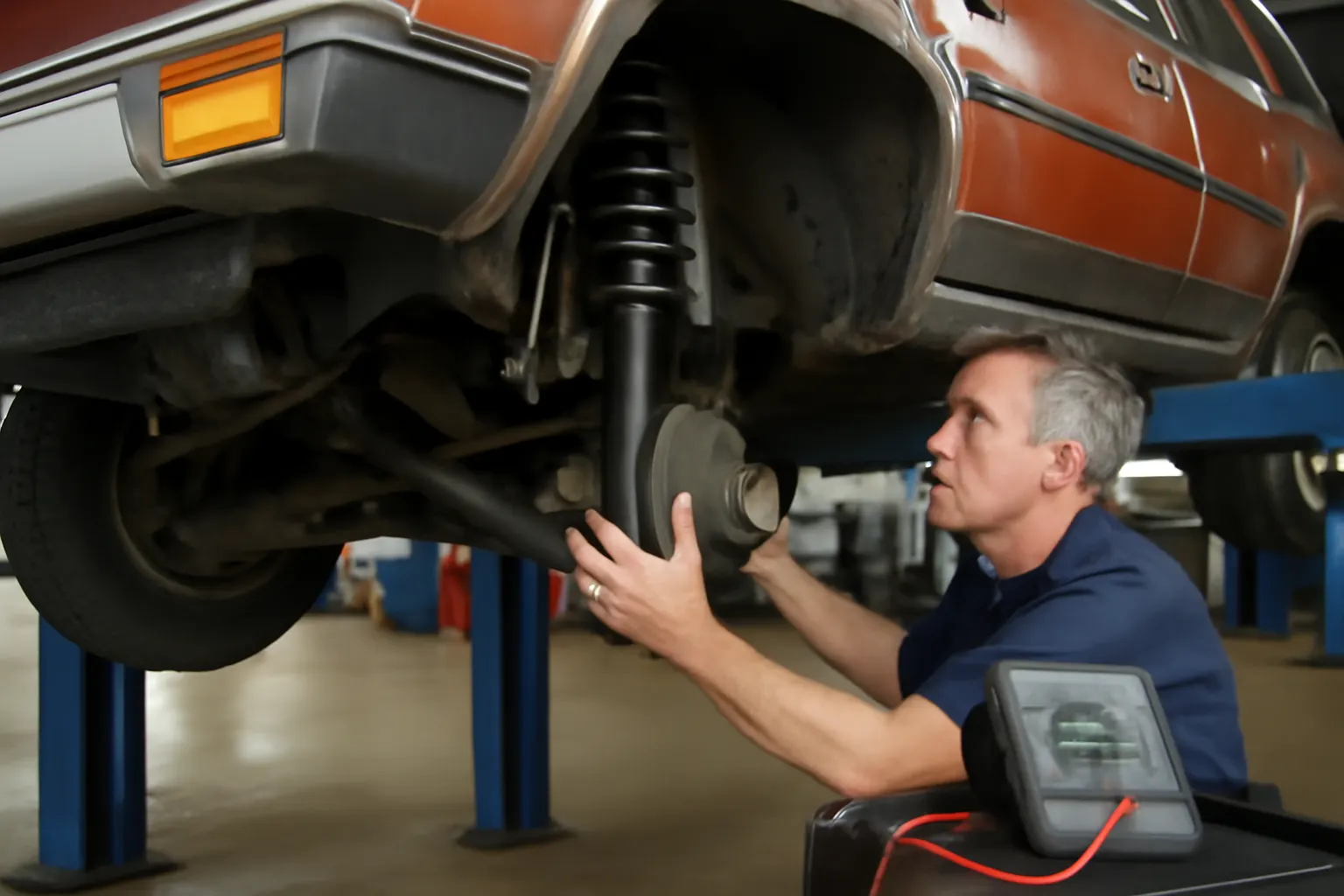
Amc Eagle Maintenance Essentials
For every AMC Eagle owner, reliable performance hinges on a few key maintenance tasks: vigilant suspension checks, proactive drivetrain service, and attentive electrical repairs. This comprehensive guide distills the most effective strategies for keeping your AMC Eagle roadworthy, efficient, and safe. Whether you’re a seasoned restorer or a new enthusiast, this article delivers the actionable knowledge you need to tackle common issues and keep your classic running strong. For a deeper dive into model-specific parts, visit the AMC Eagle Auto Parts & Maintenance Guide.
Why AMC Eagle Maintenance Demands a Unique Approach
While the AMC Eagle shares some components with other American classics, its pioneering AWD system, hybrid chassis, and era-specific electricals introduce unique maintenance challenges. Many owners underestimate the complexity of keeping these vehicles reliable, resulting in overlooked wear points and nagging reliability issues. Understanding the Eagle’s engineering quirks is the first step to avoiding costly surprises and preserving its value.
The Hidden Problem: Age, Obsolescence, and System Interdependence
AMC Eagles are now decades old, with most models built between 1980 and 1988. Original parts are scarce, rubber components have perished, and electrical connections have often corroded. Worse, the Eagle’s drivetrain, suspension, and electrical systems are deeply interconnected—neglect in one area can rapidly cascade into failures elsewhere. For example, worn suspension bushings can accelerate drivetrain wear, and poor electrical grounds can cause erratic drivetrain controls.
Expanding the Problem: What Fails, Why, and How It Impacts Reliability
Suspension: The Foundation of Ride and Handling
AMC Eagles utilized a combination of AMC’s passenger car unibody with Jeep-derived suspension components. This hybrid approach provided all-weather capability but also introduced unique wear patterns. Common issues include:
- Front Strut Mounts and Bushings: Deteriorate due to age and exposure, leading to clunks and imprecise handling.
- Ball Joints and Control Arms: Prone to accelerated wear from AWD torque and increased ride height.
- Rear Leaf Springs: Sag over time, affecting ride height and alignment.
- Shocks and Dampers: Often overlooked, but critical for both comfort and tire longevity.
Drivetrain: The Heart of AMC Eagle’s AWD
The Eagle’s drivetrain is a complex blend of AMC’s inline-six or four-cylinder engines, a unique transfer case, and a rear differential adapted for full-time AWD. Key vulnerabilities include:
- Transfer Case Chains and Seals: Chains can stretch, and seals may leak, leading to loss of AWD function.
- Front and Rear Differentials: Fluid neglect can cause gear whine, overheating, and eventual failure.
- Driveshaft U-Joints: Age and lack of lubrication can lead to vibration and catastrophic failure.
Electrical System: The Achilles’ Heel
The 1980s ushered in more complex wiring, but AMC’s electrical connectors and grounds are notorious for corrosion and intermittent faults. Common pain points:
- Ignition Switches and Relays: Prone to wear and voltage drop.
- Ground Straps: Corrosion here can cause a host of mysterious electrical gremlins.
- Instrument Cluster and Lighting: Dim gauges and flickering lights are often traced to poor connections.
The Solution Path: A Proactive, Systematic Maintenance Plan
To ensure reliable AMC Eagle performance, owners should adopt a structured, preventative maintenance regimen. Here’s how to approach each system for maximum longevity:
Suspension Maintenance: Inspection, Replacement, and Upgrades
Step 1: Comprehensive Visual and Physical Inspection
Start with a thorough undercarriage inspection. Look for:
- Cracked or perished bushings at control arms and sway bars
- Leaking or collapsed shocks/struts
- Play in ball joints and tie rod ends
- Sagging or broken rear leaf springs
Step 2: Prioritize Replacement with Quality Parts
Given the age of most Eagles, assume that original suspension rubber is compromised. When replacing:
- Opt for polyurethane bushings where available for improved longevity
- Use heavy-duty or OEM-spec shocks and struts
- Source leaf spring packs from reputable rebuilders or consider custom fabrication if originals are unavailable
Step 3: Alignment and Ride Height Restoration
After parts replacement, a four-wheel alignment is mandatory. AMC Eagles are sensitive to camber and toe settings, especially after suspension work. Restoring correct ride height prevents drivetrain bind and uneven tire wear. For further guidance, refer to Amc Eagle Suspension Restoration.
Drivetrain Service: Fluids, Seals, and Wear Points
Step 1: Transfer Case and Differential Fluid Changes
Old gear oils lose lubricity and allow moisture ingress. Change all drivetrain fluids every 30,000 miles or sooner if contamination is present. Use manufacturer-recommended viscosity and specification.
Step 2: Inspect and Replace Seals and Gaskets
Leaking seals at the transfer case and differentials are common. Replace with high-quality modern equivalents to prevent fluid loss.
Step 3: Driveshaft and U-Joint Service
Check for play in all U-joints and listen for clunks on acceleration or deceleration. Replace any worn joints and ensure proper driveshaft phasing to prevent vibration.
Step 4: Addressing Transfer Case Chain Stretch
If you notice delayed AWD engagement, whining, or popping noises under load, the transfer case chain may be stretched. Replacement requires case disassembly but is critical for AWD function. Consult a drivetrain specialist or detailed guide such as Amc Eagle Drivetrain History for technical background.
Electrical System Reliability: Cleaning, Testing, and Upgrades
Step 1: Battery, Grounds, and Main Power
- Clean battery terminals and inspect for corrosion.
- Test main ground straps from battery to chassis and engine block.
- Replace or supplement grounds with braided straps for improved conductivity.
Step 2: Fuse Box and Relays
- Remove and inspect every fuse; replace oxidized or damaged units.
- Test relays for proper operation, especially those related to ignition and fuel delivery.
Step 3: Instrument Cluster and Lighting
- Remove cluster and clean all contact points with electrical contact cleaner.
- Replace bulbs with modern equivalents.
- Check for cracked or brittle wiring insulation, especially behind the dash.
Step 4: Upgrading Weak Links
- Consider relaying the headlight circuit to reduce voltage drop and improve brightness.
- Replace ignition switches if you notice intermittent accessory power loss.
Routine Maintenance Checklist for AMC Eagle Owners
To keep your AMC Eagle dependable and efficient, follow this maintenance schedule:
| Task | Interval | Notes |
|---|---|---|
| Engine oil and filter change | 3,000–5,000 miles | Use high-zinc oil for flat-tappet cams |
| Transfer case/differential fluid change | 30,000 miles | Use GL-5 gear oil; check for leaks |
| Suspension bushing/ball joint inspection | 12,000 miles | Replace if cracked, loose, or noisy |
| Driveshaft U-joint lubrication | 6,000 miles | Or replace with sealed, maintenance-free joints |
| Brake system flush | 24,000 miles | Prevents internal corrosion |
| Cooling system flush | 24,000 miles | Use phosphate-free coolant |
| Battery and ground check | 6 months | Clean and tighten terminals |
| Fuse/relay test | Annually | Replace any with corrosion or weak operation |
| Tire rotation and alignment check | 6,000 miles | Critical for AWD tire wear and drivetrain health |
Diagnosing Common AMC Eagle Symptoms
Clunks, Rattles, and Poor Handling
- Likely Causes: Worn suspension bushings, loose ball joints, or failing shocks.
- Diagnostic Tip: With the vehicle safely lifted, use a pry bar to check for play at all pivot points. Excess movement signals replacement.
Drivetrain Vibration or Noises
- Likely Causes: Worn U-joints, out-of-phase driveshaft, or low differential fluid.
- Diagnostic Tip: Inspect all U-joints for rust-colored dust (a sign of needle bearing wear) and check for rotational play.
Electrical Gremlins
- Likely Causes: Corroded ground straps, failing relays, or deteriorated wiring insulation.
- Diagnostic Tip: Use a multimeter to check voltage drop across grounds; more than 0.2V under load suggests poor connection.
Sourcing Quality AMC Eagle Parts
Original vs. Aftermarket
Due to the Eagle’s age, many OEM parts are long discontinued. Aftermarket solutions, reproduction bushings, and cross-compatible Jeep components are often the best path. Always verify fitment—some Jeep parts require minor modifications.
Material Technology Advances
Modern materials such as polyurethane and improved elastomers can dramatically increase durability compared to original 1980s rubber. When choosing replacement bushings, opt for upgraded materials where ride comfort is not the sole priority. The Department of Energy notes that advanced materials enhance both vehicle performance and longevity 1.
Where to Buy
- Specialty AMC suppliers and enthusiast forums
- Major online retailers with classic car parts divisions
- Salvage yards (for core components and rare hardware)
Installation Tips and Pitfalls to Avoid
Suspension
- Always torque suspension fasteners at ride height to prevent premature bushing failure.
- Use anti-seize on all bolts, especially where dissimilar metals meet.
Drivetrain
- Mark all driveshaft and flange positions before removal to maintain balance and phasing.
- When servicing the transfer case, replace both the input and output seals to prevent future leaks.
Electrical
- Use dielectric grease on all connectors after cleaning to prevent future corrosion.
- When upgrading grounds, ensure new straps are equal or greater in gauge than originals.
Maximizing Fuel Efficiency and Performance
Regular maintenance of the drivetrain and suspension directly impacts fuel economy. The U.S. Department of Energy highlights that proper lubrication, alignment, and tire maintenance can improve efficiency by 10% or more 2. For the AMC Eagle, this means:
- Keeping the AWD system in top condition to avoid unnecessary drag
- Ensuring tires are inflated and aligned to prevent rolling resistance
- Using modern lubricants that meet or exceed original specs
Safety Considerations and Regulatory Guidance
All maintenance and replacement parts should comply with the latest safety standards. The National Highway Traffic Safety Administration (NHTSA) provides guidance on vehicle equipment and parts safety 3. Always:
- Use DOT-approved brake and lighting components
- Replace any recalled parts or assemblies as identified by NHTSA databases
- Test all safety systems (brakes, lights, seatbelts) after major repairs
When to Seek Professional Help
Certain AMC Eagle repairs—such as transfer case chain replacement, advanced electrical troubleshooting, or custom suspension fabrication—require specialized tools and expertise. If you lack experience with drivetrain internals or complex wiring, seek out a classic car specialist familiar with AMC vehicles. This not only ensures safety but also preserves the vehicle’s value.
Documentation and VIN Decoding: Keeping Track of Your Eagle
Maintaining thorough records of all repairs and upgrades is invaluable for troubleshooting and future resale. Use the Amc Eagle Vin Decoding guide to verify your vehicle’s build details and ensure correct parts selection.
The AutoPartEx Advantage
AutoPartEx brings together technical expertise, verified fitment data, and a curated selection of hard-to-find AMC Eagle components. Our resources help ensure your maintenance efforts are rewarded with reliability, safety, and authentic performance. For model-specific parts and expanded guides, explore the AMC Eagle Auto Parts & Maintenance Guide.
Conclusion: The Path to Reliable AMC Eagle Ownership
With a methodical approach to suspension, drivetrain, and electrical maintenance, your AMC Eagle can deliver years of dependable service and classic motoring enjoyment. Prioritize preventative care, source quality parts, and leverage modern materials to overcome the challenges of age and obsolescence. Whether you’re restoring a family heirloom or keeping a daily driver on the road, these essentials will help you avoid common pitfalls, maximize performance, and preserve the unique character of your Eagle.
References
- Fuel Efficiency – United States Department of Energy
- Materials Technologies – United States Department of Energy
- Vehicle Safety and Equipment – National Highway Traffic Safety Administration