Aerodynamics and Fuel Efficiency: The Role of Fender Skirts
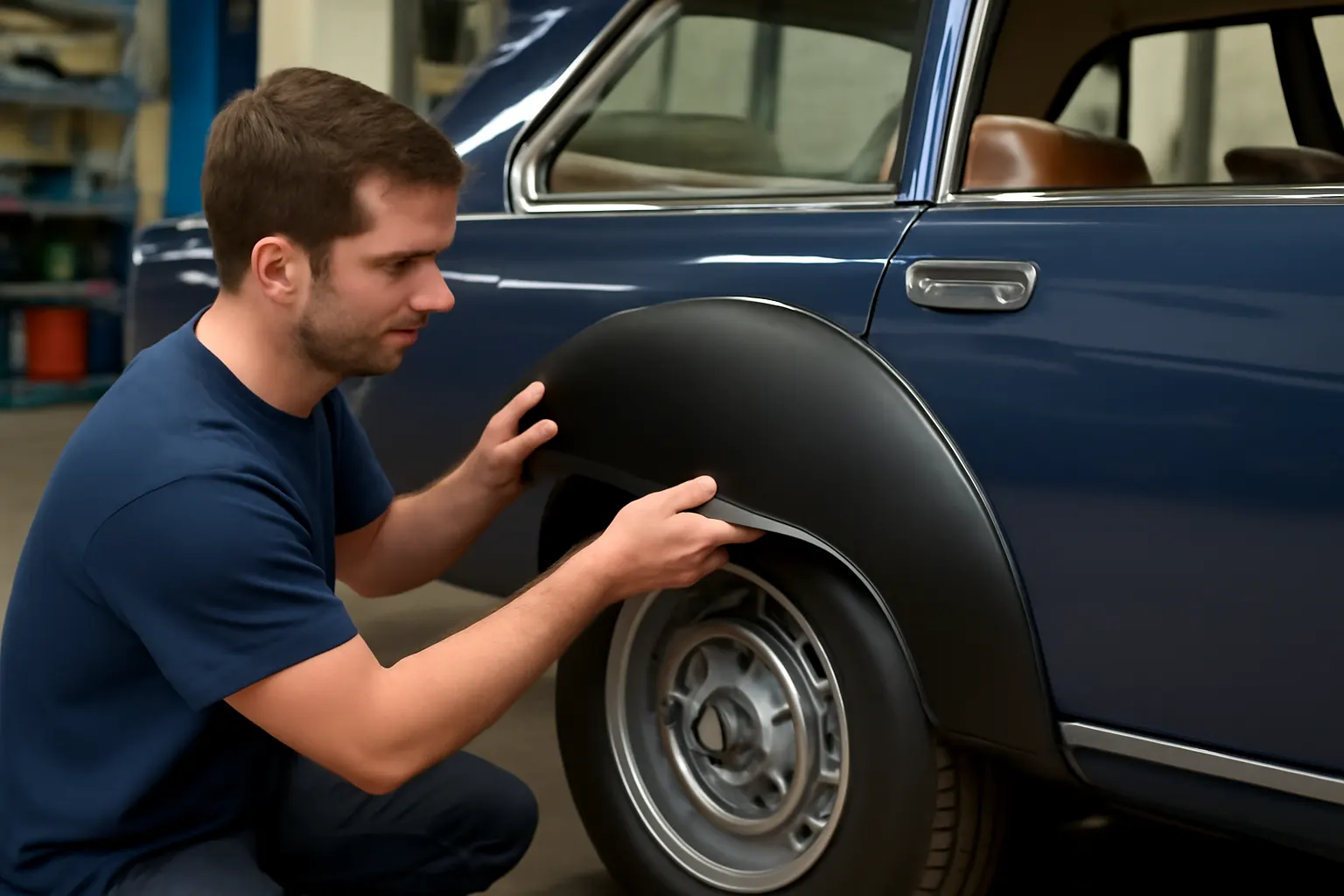
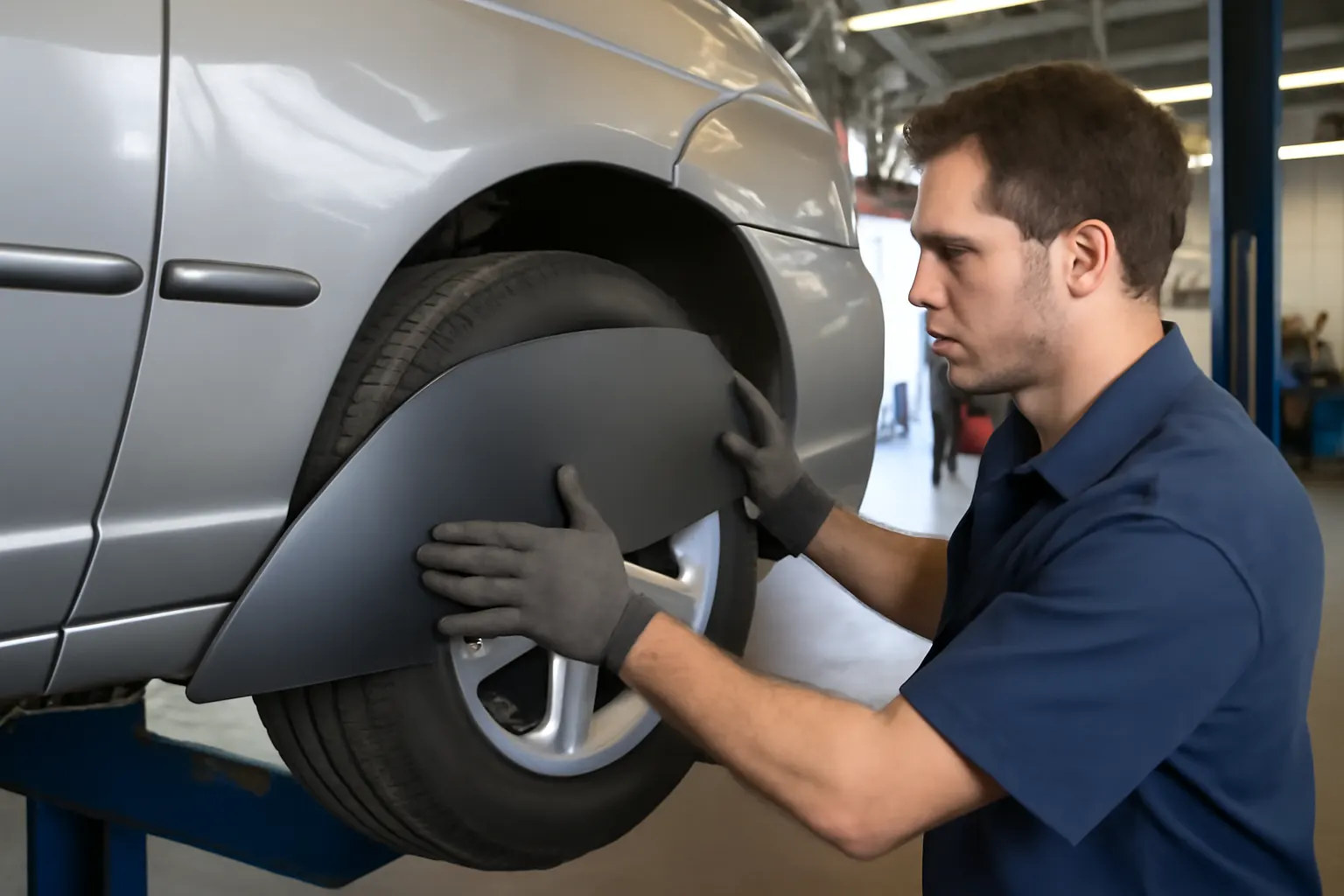
Fender skirts—those sleek, panel-shaped extensions covering the upper portion of a vehicle's wheel openings—are more than a nod to classic automotive style. They are a proven, functional upgrade for enhancing vehicle aerodynamics and, by extension, fuel efficiency. Whether on a streamlined 1940s coupe or a modern hybrid, fender skirts reduce aerodynamic drag, contributing directly to improved miles per gallon (MPG) and a quieter, more stable ride.
If you’re exploring ways to enhance your car’s efficiency or restore a classic’s original flair, understanding the science and practical benefits behind fender skirts is essential. This guide details how fender skirts work, why they matter for both vintage and contemporary vehicles, and how you can optimize their installation and maintenance for peak performance. For broader context on fender skirt solutions, visit our Fender Skirt Solutions: Protecting Style and Aerodynamics category page.
Why Fender Skirts Matter for Aerodynamics and Fuel Efficiency
Fender skirts were not just a styling flourish of the past—they are a strategic tool in the battle against aerodynamic drag. By enclosing the wheel well, fender skirts streamline airflow along the vehicle’s body, minimizing turbulence and resistance. This smoother airflow means the engine expends less energy pushing the vehicle forward, directly improving fuel economy. The United States Department of Energy emphasizes that reducing drag is a key factor in boosting fuel efficiency for both traditional and alternative-fuel vehicles 1.
The Hidden Problem: Drag and Turbulence at the Wheel Well
Most drivers underestimate how much drag is created by exposed wheels. As a car moves, air flows over and around the vehicle. When it encounters the open wheel wells—especially the rear—air gets trapped, churned, and redirected, creating turbulent eddies. This turbulence acts like a parachute, pulling back on the car and forcing the engine to work harder. Over time, this seemingly minor resistance can lead to significant fuel losses and increased emissions.
Even modern vehicles, engineered for efficiency, are not immune. Manufacturers often forego fender skirts due to cost, styling trends, or ease of wheel access, but this leaves room for improvement—especially for drivers seeking every possible gain in fuel economy.
How Fender Skirts Reduce Drag: The Technical Perspective
Fender skirts function by covering the upper portion of the wheel arch, smoothing the transition between the side of the vehicle and the spinning wheels. Here’s how they make a measurable difference:
- Streamlined Airflow: Skirts prevent air from entering the wheel well, where it would otherwise become turbulent. Instead, air glides alongside the body, reducing the low-pressure wake behind the vehicle.
- Lower Drag Coefficient: By minimizing areas where air can swirl and create resistance, fender skirts help lower the vehicle’s overall drag coefficient (Cd). Even small reductions in Cd can yield notable MPG improvements.
- Noise Reduction: Less turbulence means less wind noise, contributing to a quieter cabin, especially at highway speeds.
These principles are well-recognized in automotive engineering and are supported by Department of Energy research on vehicle efficiency and body design 1.
Fender Skirts Through History: From Classic to Modern Vehicles
Fender skirts first appeared in the 1930s and became a signature of aerodynamic design through the 1950s and 1960s. Automakers like Cadillac, Lincoln, and AMC equipped their vehicles with full or partial rear fender skirts to emphasize streamlined profiles and maximize highway efficiency.
In the late 20th century, as styling trends shifted and manufacturing priorities changed, fender skirts became rare on mass-market vehicles. However, their legacy endures in certain modern hybrids, experimental concept cars, and niche models where efficiency is paramount.
Classic car restorers and enthusiasts continue to seek out authentic or reproduction fender skirts, not just for visual authenticity, but for the real aerodynamic and fuel-saving benefits they confer. For guidance on restoring or sourcing classic skirts, see How to Restore Classic Fender Skirts and Sourcing Rare Fender Skirts for AMC, Acura, and Alfa.
Quantifying the Impact: How Much Efficiency Can Fender Skirts Add?
While the precise MPG gain from fender skirts varies by vehicle, driving conditions, and skirt design, studies and wind tunnel tests consistently show measurable improvements:
- Drag Reduction: Fender skirts can reduce drag in the rear wheel area by up to 6–10%, depending on the size and fitment.
- Fuel Economy: On average, a well-designed set of rear fender skirts can improve highway fuel economy by 1–2 MPG, sometimes more for larger vehicles or those with high baseline drag.
- Emissions: Improved efficiency means lower CO₂ emissions, supporting both regulatory compliance and environmental goals.
According to the U.S. Department of Energy, even small aerodynamic enhancements can deliver significant fuel savings over a vehicle’s lifetime 1.
Choosing the Right Fender Skirt: Materials, Fitment, and Compatibility
Selecting the appropriate fender skirt for your application requires careful consideration of materials, fitment, and compatibility with your vehicle’s design.
Materials
- Steel: Traditional on classics; strong but heavy and prone to corrosion if not maintained.
- Aluminum: Lighter than steel, resists rust, but may require reinforcement for durability.
- ABS Plastic/Composite: Common on modern skirts; lightweight, corrosion-resistant, easily shaped for custom applications.
The Department of Energy’s research on materials technologies underscores the importance of lightweight, durable materials in automotive body design, including fender skirts 2.
Fitment and Compatibility
- OEM vs. Aftermarket: OEM skirts offer perfect fit for specific models but may be hard to source. Aftermarket options can be universal or custom-molded but require careful measurement.
- Wheel Access: Consider whether you need quick-release or hinged skirts for tire changes.
- Clearance: Ensure adequate wheel clearance to avoid rubbing, especially on lowered or modified vehicles.
For detailed fitment tips and common pitfalls, review our guide: Fender Skirt Fitment: Avoiding Common Installation Mistakes.
Installation Best Practices: Achieving Maximum Benefit
Proper installation is critical for both safety and aerodynamic effectiveness. Here’s a step-by-step checklist to guide your fender skirt installation:
Fender Skirt Installation Checklist
- Confirm Model Compatibility: Double-check that the skirt matches your vehicle’s year, make, and model.
- Inspect Mounting Points: Clean and inspect the wheel arch and mounting surfaces for rust or damage.
- Test Fit: Temporarily position the skirt to ensure proper alignment and clearance.
- Secure Fasteners: Use stainless or corrosion-resistant hardware; avoid overtightening, which can crack plastic skirts.
- Check for Interference: Turn wheels fully (front skirts) and check suspension travel to ensure no contact.
- Seal Gaps: Use weatherstripping or edge trim to minimize air leaks and prevent rattling.
- Final Inspection: Verify all fasteners are tight and the skirt is flush with the body.
Following these steps ensures your skirts not only look right but deliver the aerodynamic gains they’re designed for.
Diagnosing Skirt-Related Issues: Noise, Fitment, and Safety
Even a well-installed fender skirt can develop issues over time. Here’s how to diagnose and address common problems:
- Rattling or Vibration: Often caused by loose fasteners or worn weatherstripping. Tighten all bolts and replace any degraded seals.
- Contact with Tires: Indicates improper fitment or sagging mounts. Adjust mounting brackets and ensure adequate clearance.
- Rust or Corrosion (Steel Skirts): Surface rust can be sanded and treated; severe corrosion may require replacement.
- Cracks (Plastic/Composite): Small cracks can be repaired with plastic weld or epoxy; large fractures may compromise safety and require a new skirt.
Regular inspections—especially after harsh weather or off-road driving—help catch problems early, preserving both efficiency and safety. For more on vehicle equipment safety, see the National Highway Traffic Safety Administration’s guidelines 3.
Maintenance Tips: Keeping Fender Skirts Functional and Attractive
Routine maintenance keeps your fender skirts performing and looking their best:
- Wash Regularly: Road grime and salt can accelerate corrosion or dull plastic finishes.
- Lubricate Hinges (if applicable): Use silicone spray on hinges or quick-release mechanisms.
- Inspect Fasteners: Vibrations can loosen hardware over time—tighten as needed.
- Touch Up Paint: For metal skirts, touch up chips to prevent rust.
- Replace Seals: Worn edge trim or weatherstripping should be replaced to maintain aerodynamic integrity.
Document any repairs or modifications for future reference, especially when restoring or reselling classic vehicles.
Are Fender Skirts Right for Modern Vehicles?
While most new cars don’t come equipped with fender skirts, they can still be a smart upgrade for owners focused on efficiency or custom styling. Some hybrid and electric vehicles, such as the first-generation Honda Insight, employed rear fender skirts to maximize aerodynamic performance.
Consider these factors for modern applications:
- Aesthetic Match: Choose skirts that complement your vehicle’s lines and paint.
- Legal Compliance: Ensure modifications comply with local safety and equipment regulations.
- Wheel Access Needs: If you frequently change tires or drive in areas with poor road conditions, opt for skirts that are easily removable.
For modern vehicles, especially those with advanced driver-assistance systems, verify that skirts do not interfere with sensors or cameras.
Sourcing Fender Skirts: OEM, Aftermarket, and Custom Options
Finding the right fender skirt depends on your vehicle type and restoration goals:
- OEM Skirts: Best for authenticity in classic restorations. Check manufacturer parts catalogs, specialty suppliers, and enthusiast forums.
- Aftermarket Skirts: Available for many popular models; universal options can be trimmed or shaped to fit.
- Custom Fabrication: For rare or modified vehicles, custom-made skirts—often in fiberglass or ABS—offer a tailored solution.
If you’re restoring a rare AMC, Acura, or Alfa, see our guide to Sourcing Rare Fender Skirts for AMC, Acura, and Alfa.
The Role of Materials in Performance and Longevity
Material choice impacts not just weight and durability, but also corrosion resistance and ease of maintenance. According to the Department of Energy’s Materials Technologies research, advanced composites and lightweight alloys can improve performance without sacrificing strength 2.
- Steel: Best for period-correct restorations; requires regular care.
- Aluminum: Resists rust, lighter than steel, but can dent more easily.
- Plastics/Composites: Ideal for modern and custom applications; easy to mold, paint, and repair.
Balance authenticity, performance, and budget when selecting skirt materials for your project.
Safety Considerations: Ensuring Fender Skirts Don’t Compromise Roadworthiness
Safety should never be compromised for style or efficiency. The National Highway Traffic Safety Administration cautions that all aftermarket equipment—including fender skirts—must not interfere with critical systems such as brakes, lighting, or tire clearance 3.
- Visibility: Skirts should not obscure lights or reflectors.
- Tire Access: Emergency tire changes must be possible without excessive delay.
- Mounting Security: Skirts must be firmly attached to prevent detachment at speed.
Periodically review safety recalls and equipment bulletins relevant to your vehicle and any installed accessories.
Integrating Fender Skirts with Other Aerodynamic Upgrades
Fender skirts are most effective when combined with other aerodynamic enhancements:
- Front Air Dams: Reduce airflow under the car, decreasing lift and drag.
- Rear Wheel Covers: For vehicles with exposed rear wheels, full covers further reduce turbulence.
- Smooth Undertrays: Minimize underbody drag.
- Spoilers and Diffusers: Properly designed, these can manage airflow and reduce drag.
For a holistic approach, consult with an automotive aerodynamicist or refer to SAE Standards for best practices.
AutoPartEx: Your Partner in Fender Skirt Solutions
At AutoPartEx, we recognize that fender skirts are both a technical upgrade and a style statement. Our curated selection includes OEM, aftermarket, and custom-fit skirts for classic and modern vehicles alike. We support every step of your journey—from diagnosis and fitment to sourcing rare parts and restoring show-quality finishes.
Explore our Fender Skirt Solutions: Protecting Style and Aerodynamics for in-depth guides, product listings, and expert support. Whether you drive a vintage AMC or a contemporary hybrid, our resources help you achieve the perfect blend of efficiency, safety, and style.
Conclusion: Maximizing Efficiency and Style with Fender Skirts
Fender skirts are a proven way to reduce drag, improve fuel economy, and enhance the look of your vehicle. By understanding their aerodynamic function, selecting the right materials, and following best practices for installation and maintenance, you can unlock real-world benefits—whether restoring a classic or upgrading a daily driver.
From diagnosing fitment issues to sourcing rare skirts and integrating with other aerodynamic upgrades, AutoPartEx is your trusted resource. Start your journey toward greater efficiency and timeless style by exploring our fender skirt solutions today.
References
- Fuel Efficiency — United States Department of Energy
- Materials Technologies — United States Department of Energy
- Vehicle Safety and Equipment — National Highway Traffic Safety Administration