
Chevy Engine Mounts
Chevy Engine Mounts: What to Know Before You Replace
Engine mounts are often overlooked until symptoms become impossible to ignore. For Chevy owners, understanding the role and condition of engine mounts can prevent costly repairs and maintain vehicle performance. This page explores what many drivers miss about Chevy engine mounts, explains the underlying issues, and provides practical, evidence-based steps for diagnosis and replacement, helping you make informed decisions about your vehicle's needs.
Advertisement
Showing 1–48 of 49 Chevy engine mounts parts


Advertisement
More Chevy Engine Mounts options
Filtering for Chevy • Engine MountsScan nearby Chevy engine mounts inventory without leaving this page.
No Data Available
Please check back soon when more inventory is available for this part.
Advertisement
Why Engine Mounts Deserve More Attention on Your Chevy
When thinking about vehicle maintenance, most Chevy owners focus on oil changes, brakes, or tires, rarely considering the engine mounts that quietly secure the heart of their vehicle. Yet, these components play a crucial role in isolating engine vibrations and maintaining alignment between the engine and drivetrain. Ignoring them can lead to subtle but significant issues that may affect comfort, safety, and even the longevity of other parts. Many drivers only notice engine mounts when symptoms become severe, but early awareness can make a substantial difference.
One overlooked aspect is how gradual wear in engine mounts can mimic problems elsewhere in the vehicle. A driver might notice increased cabin vibration, odd noises during acceleration, or even minor misalignment in the drivetrain, but not immediately connect these symptoms to the mounts. This disconnect often leads to unnecessary repairs or overlooked root causes. Recognizing the early signs of engine mount wear can help prevent misdiagnosis and avoid compounding issues.
Another consideration is the impact of driving conditions and vehicle use on engine mount lifespan. City driving with frequent stops, aggressive acceleration, or carrying heavy loads can accelerate wear. Chevy vehicles, known for their versatility, may experience varying mount longevity depending on how they are driven. Understanding these nuances is key to proactive maintenance and ensuring your Chevy continues to perform as designed.

Recognizing the Real Issues with Chevy Engine Mounts
Engine mounts are designed to secure the engine to the vehicle’s frame while absorbing vibrations and shocks. Over time, the rubber or composite materials inside the mounts degrade due to heat, oil exposure, and mechanical stress. For Chevy vehicles, especially those used in demanding conditions, this degradation can occur faster than expected. The result is often a gradual increase in engine movement, leading to symptoms that can be mistaken for unrelated mechanical problems.
Common symptoms of worn engine mounts include increased vibration felt through the steering wheel or seat, clunking or banging noises during acceleration or braking, and visible movement of the engine when revving or shifting gears. These symptoms may be subtle at first, making them easy to dismiss or attribute to other components such as suspension or exhaust. For Chevy owners, especially those with older models or high-mileage vehicles, these signs should prompt closer inspection of the mounts.
Ignoring early warning signs can have cascading effects. Excessive engine movement can strain exhaust connections, hoses, and wiring, leading to premature wear or failure of these parts. In some cases, misalignment caused by deteriorated mounts can affect transmission operation or even compromise safety. For vehicles equipped with performance or heavy-duty engines, the stresses on mounts are even greater, increasing the risk of accelerated wear.
One challenge in diagnosing engine mount issues is that they rarely trigger warning lights or diagnostic codes. Unlike electronic components, mounts fail mechanically and may not be detected by onboard diagnostics. This places the burden on the vehicle owner or technician to recognize physical symptoms and conduct a visual or manual inspection. For Chevy vehicles, especially those with complex engine layouts, this can be a time-consuming process.
Another complicating factor is the variety of engine mount designs across Chevy models and years. Some mounts are simple rubber blocks, while others incorporate hydraulic or electronic damping. The specific design affects both the symptoms of failure and the replacement procedure. Owners should be aware that not all mounts are interchangeable, and using the wrong type can lead to poor performance or even damage.
Finally, aftermarket and salvage engine mounts vary widely in quality and fitment. While cost savings are possible, using incompatible or substandard mounts can introduce new problems. Chevy owners should carefully compare part numbers, materials, and manufacturer reputations before purchasing replacements. Consulting reliable sources and seeking professional advice are essential steps to ensure the correct part is chosen for the specific vehicle application.
Practical Steps for Diagnosing and Replacing Chevy Engine Mounts
Begin by identifying the symptoms that suggest engine mount wear. Listen for unusual noises such as thuds or clunks when shifting from park to drive or during hard acceleration. Pay attention to increased vibration in the cabin, especially at idle or low speeds. If you notice any of these signs, a closer inspection of the engine mounts is warranted. For Chevy vehicles, access to mounts may vary by model, so consult your owner's manual or a repair guide for location details.
Perform a visual inspection with the engine off and cool. Look for cracks, separation, or excessive wear in the rubber or composite material of the mounts. On some Chevy models, hydraulic mounts may show signs of fluid leakage, indicating internal failure. If the engine appears tilted or sits unevenly in the bay, this may also point to a failed mount. Use a flashlight and mirror to inspect hard-to-reach areas, as some mounts are partially obscured by other components.
For a more thorough check, enlist a helper to observe the engine while you gently shift between drive and reverse with your foot on the brake. Excessive engine movement—more than an inch in either direction—can indicate a worn or broken mount. Be cautious during this test to avoid injury. If you are unsure about the results, consider seeking a second opinion from a technician familiar with Chevy vehicles, as recommended by the FTC’s auto repair guidance FTC: Auto Repair Basics.
Once a faulty mount is confirmed, compare replacement options. New mounts are typically recommended for longevity and performance, but remanufactured or salvage mounts may be available for budget-conscious repairs. The FTC advises distinguishing between new, remanufactured, and salvage parts and understanding the implications for durability and fitment. Always verify the part number and compatibility with your specific Chevy model and year before purchasing.
If you opt for professional installation, request a written estimate detailing the work, parts, and labor charges. Ask whether the technician has experience with your specific Chevy model, as engine mount replacement can vary in complexity. For do-it-yourself repairs, consult a reputable repair manual or online resource for step-by-step instructions tailored to your vehicle. Be prepared with the necessary tools and safety equipment, and follow all recommended procedures to avoid damage or injury.
After installation, test drive the vehicle to confirm that symptoms have been resolved. Listen for any remaining noises and check for reduced vibration. If problems persist, re-inspect the mounts and surrounding components, as multiple mounts may be worn or other issues may be present. Keep a record of the repair, including the date, parts used, and odometer reading, as recommended by the FTC for future reference and warranty purposes.
Consider preventive maintenance to extend the life of new engine mounts. Avoid aggressive driving, excessive idling, and carrying unnecessary weight. Regularly inspect mounts during routine maintenance, especially if you drive in harsh conditions. Following the manufacturer’s maintenance schedule, as outlined in your Chevy owner’s manual, helps ensure timely detection of wear and prevents unexpected failures.
Finally, stay informed about potential recalls or safety issues related to engine mounts. The NHTSA provides a VIN lookup tool to check for open recalls on your specific vehicle NHTSA: Vehicle Recalls. Register your Chevy and check for updates twice a year to ensure you receive timely notifications about any manufacturer actions affecting engine mounts or related components.
What the Evidence and Official Guidance Establish
The National Highway Traffic Safety Administration (NHTSA) offers comprehensive resources for vehicle owners concerned about potential safety defects, including those related to engine mounts. Their recall database allows Chevy owners to search for open recalls by VIN, providing specific information about manufacturer-initiated safety campaigns. However, searching by year, make, and model yields only general recall histories and does not confirm that a particular vehicle or engine mount is affected. This means that while NHTSA is an essential tool for identifying known safety issues, it does not establish that all Chevy engine mounts are subject to recall or failure NHTSA: Vehicle Recalls.
NHTSA’s recall process starts with consumer complaints, which are reviewed for patterns that might indicate a safety defect. If multiple reports about a component such as an engine mount are received, NHTSA may open an investigation, potentially leading to a recall. Manufacturers are then required to notify owners and provide a remedy, which could include repair or replacement of the affected part. However, not all complaints result in recalls, and many issues with engine mounts may never reach this stage if they are not deemed safety-related or widespread. Thus, while NHTSA oversight is robust, it is not a substitute for owner vigilance in monitoring engine mount condition NHTSA: Vehicle Recalls.
For general repair practices, the Federal Trade Commission (FTC) provides consumer-oriented guidance on how to approach vehicle repairs, including engine mount replacement. The FTC recommends obtaining a written estimate, understanding the type of replacement part being used (new, remanufactured, or salvage), and ensuring the technician has experience with the vehicle make and model. These recommendations are designed to protect consumers from unnecessary costs or improper repairs, but they do not specify technical details or guarantee the quality of any particular part FTC: Auto Repair Basics.
The FTC also emphasizes the importance of following the manufacturer’s maintenance schedule and comparing shop recommendations to this baseline. For Chevy owners, this means consulting the owner’s manual for inspection intervals and replacement guidelines related to engine mounts. While the FTC’s advice is not Chevy-specific, it provides a framework for making informed decisions and avoiding premature or unnecessary engine mount replacements FTC: Auto Repair Basics.
Neither the NHTSA nor the FTC provides statistics on engine mount failure rates for Chevy vehicles, nor do they document specific cases of mount-related recalls in the supplied passages. This absence of direct evidence means that buyers should not assume a widespread defect or recall unless confirmed through an official VIN search or manufacturer communication. Instead, focus should be placed on symptom recognition, proper diagnosis, and adherence to general best practices for repair and maintenance.
When comparing replacement parts, the FTC distinguishes between new, remanufactured, and salvage components, noting that salvage parts are taken from another vehicle without alteration. This distinction is important for Chevy owners considering cost-saving options, as the durability and fitment of salvage mounts may vary. The FTC does not endorse any particular type of part but advises consumers to understand the implications of their choice and to get all warranties or guarantees in writing, as there is no standard warranty on repairs FTC: Auto Repair Basics.
In summary, the available evidence from NHTSA and FTC sources provides a strong foundation for informed decision-making about Chevy engine mounts. While neither source documents a specific pattern of failure or recall for these components, both emphasize the importance of owner awareness, careful part selection, and adherence to recommended repair procedures. Chevy owners should use official resources to check for recalls, follow best practices for diagnosis and replacement, and keep detailed records of all repairs for future reference.
Take the Next Step Toward Reliable Chevy Performance
If you suspect your Chevy’s engine mounts may be worn or are experiencing unusual vibrations or noises, don’t wait for further complications. Start by inspecting the mounts or consulting a qualified technician, and use official resources like the NHTSA VIN lookup to check for recalls. When replacing mounts, compare part options carefully and follow evidence-based repair practices to ensure long-term reliability and comfort. For more information about available parts and guidance, explore our dedicated section on Chevy Engine Mounts or review general Engine Mounts advice tailored to your needs.
References
- NHTSA: Vehicle Recalls
- FTC: Auto Repair Basics
References
- NHTSA: Vehicle Recalls - NHTSA, accessed 2026-11-01
- FTC: Auto Repair Basics - FTC, accessed 2026-11-01
Related Guides & Articles

How to Spot Counterfeit Chevy Parts
Counterfeit Chevy parts can jeopardize your vehicle's safety, reliability, and performance. Whether you're shopping for a replacement alternator, brake pads, or sensors, identifying fakes before you buy is crucial. This guide delivers immediate visual clues, packaging tips, and real-world examples to help you confidently distinguish genuine from counterfeit Chevy components—protecting both your investment and your safety.
Read More
Chevy Service Intervals Explained
Build a Chevrolet maintenance plan from the correct owner’s manual, service history and dashboard messages. Learn how oil-life reminders differ from oil-pressure warnings, how mileage and elapsed time affect a service decision, and why gasoline and electric vehicles need different schedules. Use the checklist to discuss a clear, itemized plan with your repairer.
View Guide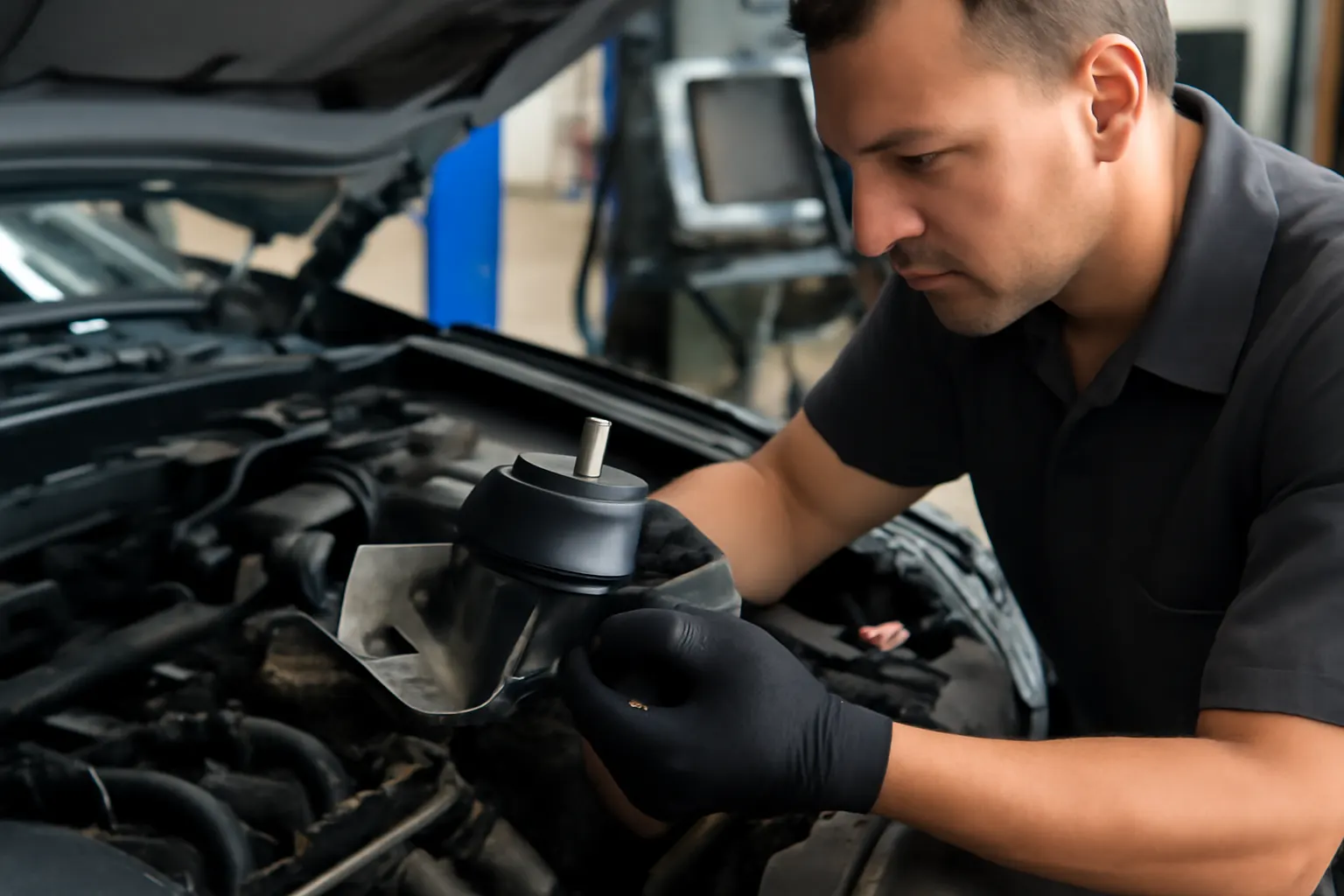
Engine Mount Replacement: When and Why It Matters
Engine mounts are the unsung heroes of your vehicle’s powertrain, providing critical support and stability that directly affect comfort, safety, and efficiency. Knowing when and why to replace engine mounts can save you from costly repairs, preserve your vehicle’s performance, and keep you and your passengers safe. In this comprehensive guide, we’ll explain the signs of engine mount failure, the risks of delaying replacement, and how to approach this essential maintenance task with confidence.
Read More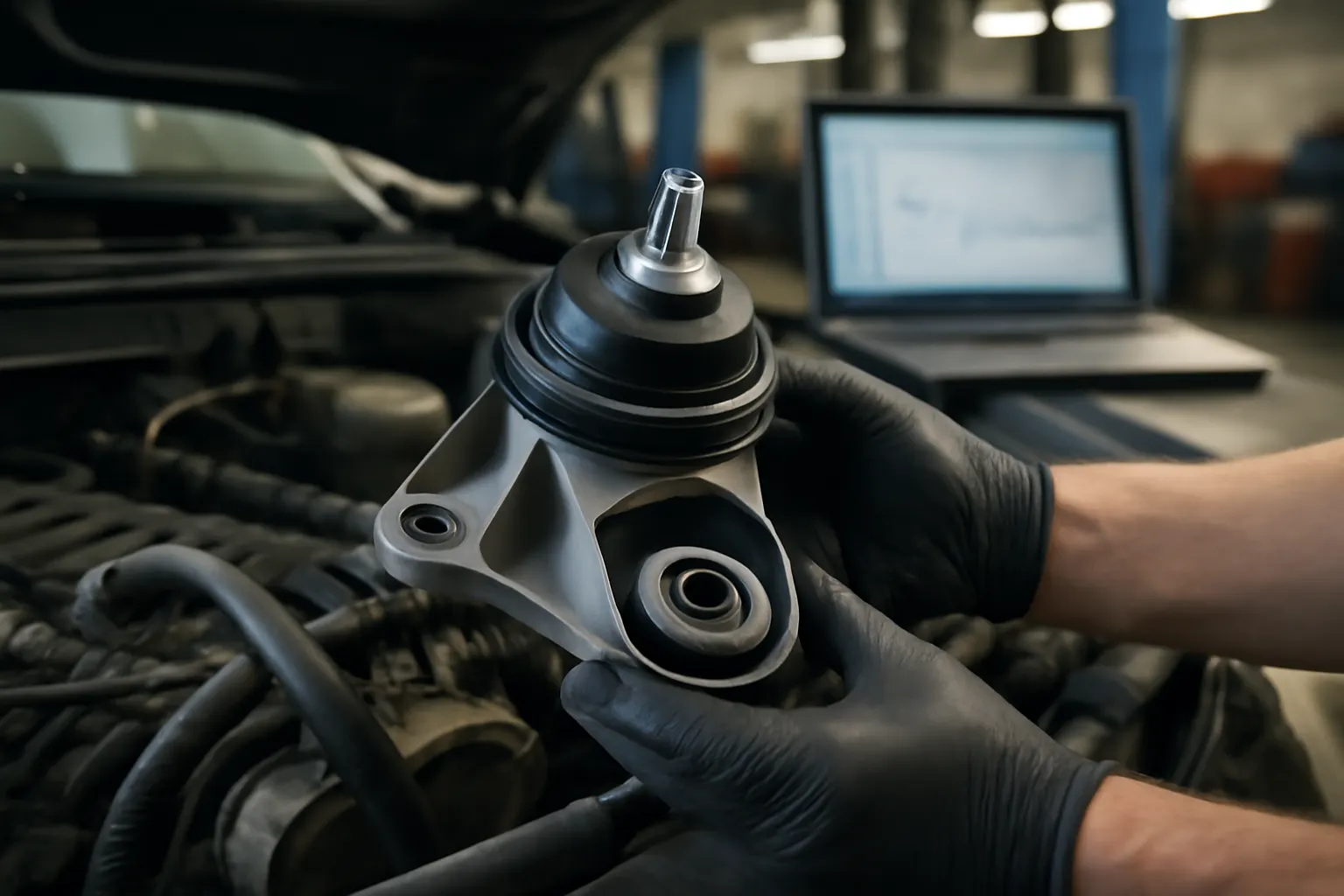
The Impact of Engine Mounts on Vehicle Comfort
Engine mounts are often overlooked, yet they are among the most critical components influencing vehicle comfort. By isolating the engine and transmission from the vehicle chassis, engine mounts dramatically reduce the noise, vibration, and harshness (NVH) experienced inside the cabin. If you’ve ever wondered why some vehicles feel smooth and quiet while others transmit every shudder and growl into the passenger compartment, the answer often lies beneath the hood—in the quality, design, and condition of the engine mounts.
Read More