
How to Spot Counterfeit Chevy Parts
Counterfeit Chevy parts can jeopardize your vehicle's safety, reliability, and performance. Whether you're shopping for a replacement alternator, brake pads, or sensors, identifying fakes before you buy is crucial. This guide delivers immediate visual clues, packaging tips, and real-world examples to help you confidently distinguish genuine from counterfeit Chevy components—protecting both your investment and your safety.
If you’re sourcing parts for your Chevy, start with trusted suppliers like Chevy OEM & Genuine Replacement Auto Parts | AutoPartEx for authentic, manufacturer-backed components and peace of mind.
The Immediate Answer: Key Signs of Counterfeit Chevy Parts
When buying Chevy parts, look for these telltale signs of counterfeits:
- Inconsistent or poor-quality packaging: Genuine Chevy parts come in robust, well-printed boxes with consistent branding, holograms, and barcodes.
- Incorrect or missing part numbers: Always double-check part numbers against GM’s official catalog.
- Low-quality materials or finish: Genuine parts meet GM’s strict specifications for fit, finish, and material quality.
- Suspiciously low prices: If a deal seems too good to be true, it probably is.
- Lack of supporting documentation: Authentic parts include installation guides, warranty cards, and safety information.
Using these quick checks, you can immediately filter out many fakes. However, counterfeiters are becoming increasingly sophisticated, and even experienced buyers can be fooled by high-quality replicas.
The Hidden Problem: Counterfeit Parts Are More Common—and Dangerous—Than You Think
While most drivers are aware that fake luxury handbags or electronics exist, far fewer realize the scale of counterfeit auto parts in the market. The National Highway Traffic Safety Administration (NHTSA) warns that counterfeit parts are widely distributed, often through online marketplaces, unauthorized dealers, and even some brick-and-mortar stores. Estimates suggest that nearly every major auto brand, including Chevy, faces significant counterfeit part infiltration.
The hidden danger is not just financial loss. Counterfeit parts are not tested or certified to meet GM or SAE safety standards. They can fail prematurely or catastrophically—potentially causing accidents, voiding warranties, and leading to expensive repairs. For critical systems like brakes, airbags, or engine components, the risks are severe.
Why Counterfeit Chevy Parts Slip Through the Cracks
Counterfeiters exploit global supply chains, sophisticated packaging technology, and consumer demand for low prices. They target high-turnover parts: filters, brake pads, sensors, ignition coils, and cosmetic pieces. Online sales have made it easier for fakes to reach even savvy buyers, as many listings use stolen images or misleading descriptions.
Chevy’s genuine parts are manufactured to strict tolerances and tested for compliance with NHTSA, SAE, and GM internal standards. Counterfeiters may skip critical steps like material certification, structural testing, and batch traceability. As a result, fake parts might look nearly identical but fail under real-world conditions.
Deeper Technical Explanation: What Sets Genuine Chevy Parts Apart
Engineering, Materials, and Standards
Genuine Chevy parts are engineered to match the original design, using materials selected for durability, weight, and compatibility. For example:
- Materials: GM and its suppliers use alloys, plastics, and composites tested for strength, corrosion resistance, and fatigue (see Materials Technologies).
- Manufacturing: Genuine parts undergo quality control, with serial numbers, batch tracking, and process documentation.
- Compliance: Authentic parts meet NHTSA equipment regulations and SAE standards for safety and performance (Vehicle Safety and Equipment, SAE Standards).
Counterfeit parts often use cheaper, lower-grade materials and skip critical finishing steps. For example, a fake brake pad may use substandard friction material, leading to rapid wear or dangerous fade.
The Solution Path: Step-by-Step Guide to Identifying Counterfeit Chevy Parts
1. Inspect Packaging Closely
- Branding and Logos: Genuine GM packaging features crisp, high-resolution logos and consistent colors.
- Barcodes and Holograms: Look for security holograms, QR codes, and barcodes that can be verified online.
- Seals: Authentic boxes are sealed—broken or missing seals are a red flag.
- Printing Quality: Blurry, off-color, or smudged printing is a common sign of a fake.
2. Verify Part Numbers and Documentation
- Part Numbers: Cross-check the part number on the packaging and part itself with GM’s official catalog or Chevy Parts Compatibility Guide.
- Documentation: Genuine parts include installation instructions, warranty cards, and sometimes a certificate of authenticity.
3. Examine the Physical Part
- Fit and Finish: Inspect for rough edges, inconsistent paint, or mismatched hardware.
- Weight and Material: Counterfeit parts may be lighter (less material) or heavier (incorrect alloys).
- Markings: Look for GM or AC Delco stamps, serial numbers, and batch codes.
4. Buy from Trusted Sources
- Authorized Dealers: Purchase from reputable dealers or platforms like Chevy OEM & Genuine Replacement Auto Parts | AutoPartEx.
- Avoid Suspicious Sellers: Be wary of online sellers with little feedback or vague contact details.
- Ask for Proof: Request proof of authenticity, batch numbers, or supplier documentation.
Visual Clues: Real-World Examples of Counterfeit Chevy Parts
Counterfeiters are adept at mimicking appearance, but subtle differences reveal the truth. Here are some real-world examples:
- Fake Fuel Injectors: Genuine Chevy injectors have laser-etched part numbers and batch codes. Fakes often use stickers or poorly engraved markings.
- Counterfeit Brake Pads: Genuine pads have uniform chamfers, shims, and GM logos molded in. Fakes may lack shims or use painted-on logos.
- Imitation Sensors: Authentic sensors include precise connector shapes and robust weather seals. Counterfeits may have loose pins or brittle plastic.
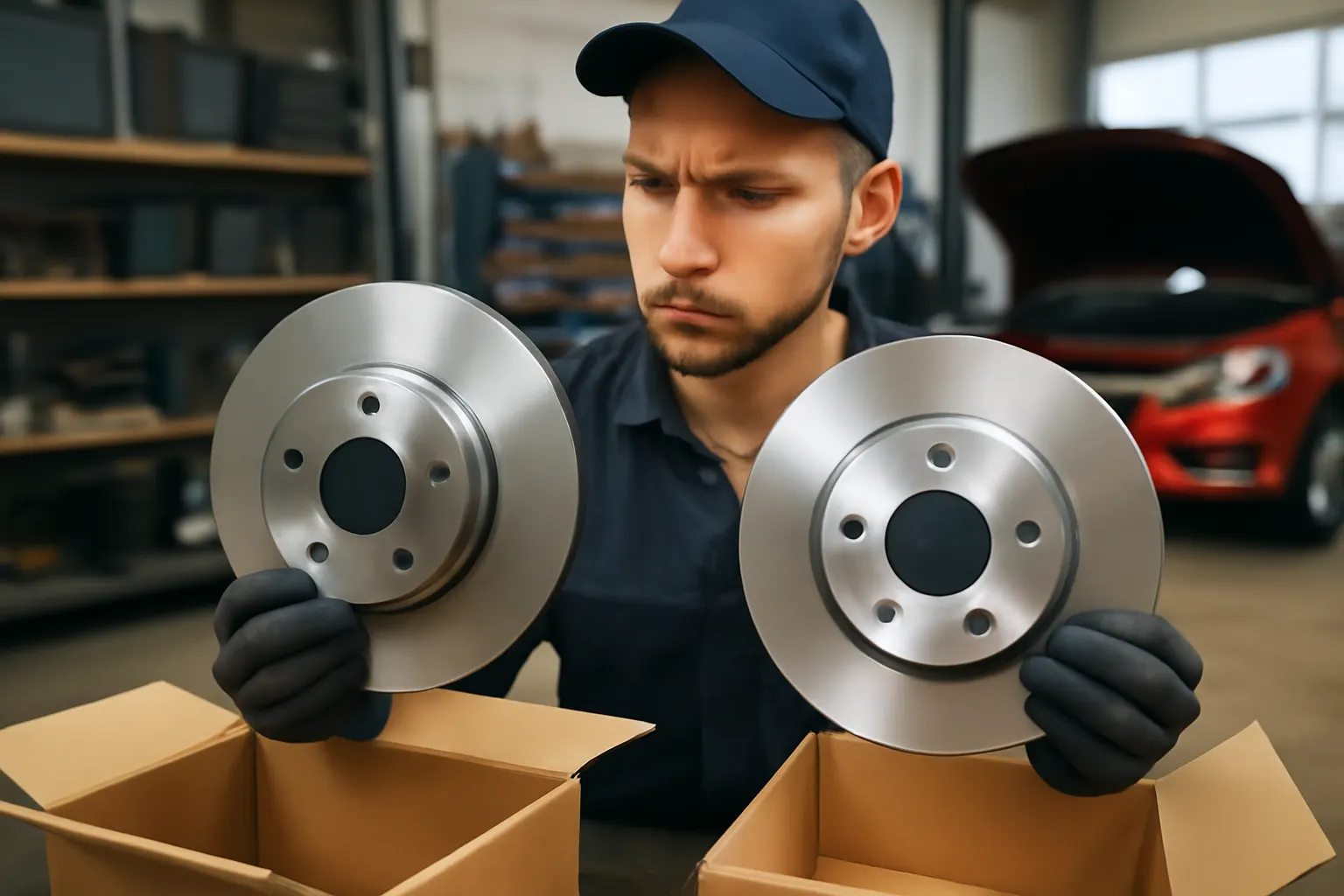
A side-by-side comparison often shows the genuine part’s superior finish, sharper markings, and more robust construction.
The Role of Packaging: How to Read the Box
Packaging is your first line of defense. Here’s how to decode it:
- Holograms and Security Features: Modern GM packaging uses holographic labels, microprinting, or tamper-evident seals.
- Batch and Serial Numbers: Each box should have a unique batch or serial number traceable to the manufacturer.
- Consistent Colors and Fonts: Official GM boxes use standardized fonts and Chevy blue/white color schemes.
If the box feels flimsy, is missing key features, or uses inconsistent branding, treat it with suspicion.
Commonly Counterfeited Chevy Parts: What to Watch For
Some Chevy parts are more likely to be counterfeited due to high demand and turnover. These include:
- Oil and Air Filters: Fakes may use inferior filter media, leading to engine damage.
- Brake Pads and Rotors: Counterfeit friction materials reduce stopping power and wear rapidly.
- Ignition Coils and Sensors: Poor-quality electronics can cause misfires, stalling, or incorrect readings.
- Exterior Trim and Badges: Cosmetic parts are often copied for appearance, but may not fit or last.
Refer to Vehicle Safety and Equipment for safety-critical part categories.
Diagnostic Checklist: How to Spot a Counterfeit Chevy Part
Use this checklist every time you buy a replacement Chevy part:
| Step | What to Look For | Red Flags |
|---|---|---|
| Packaging | Holograms, batch numbers, crisp printing | Flimsy box, blurry logo |
| Part Number | Matches GM catalog, correct font and placement | Missing, stickered, or altered |
| Physical Inspection | Smooth finish, correct weight, molded markings | Rough edges, paint overspray |
| Documentation | Includes instructions, warranty, certificate | No paperwork, generic instructions |
| Seller Verification | Authorized dealer, traceable supplier, good reviews | Unknown seller, vague details |
The Risks: Safety, Performance, and Long-Term Reliability
Using counterfeit Chevy parts can have severe consequences:
- Safety Hazards: Fake brake pads, airbags, or sensors may fail in critical moments, risking injury or worse.
- Reduced Performance: Inferior materials and poor fitment can degrade fuel efficiency and engine performance (Fuel Efficiency).
- Voided Warranties: GM and most insurers will not honor claims involving counterfeit parts.
- Hidden Costs: Premature failures lead to more frequent repairs, increased downtime, and higher long-term costs.
NHTSA recalls often cite counterfeit or substandard replacement parts as contributing factors in accidents (Vehicle, Car Seat, Tire, and Equipment Recalls).
Counterfeit Detection Technologies: What’s on the Horizon
Manufacturers and technology companies are fighting back with advanced anti-counterfeit measures:
- RFID Tags: Embedded tags allow instant verification using a smartphone or special reader.
- QR Codes: Scan codes on packaging to check authenticity via official GM databases.
- Blockchain Tracking: Some suppliers use blockchain to provide a secure, tamper-proof record of a part’s origin and journey.
While these technologies are becoming more widespread, not all genuine parts use them yet—so never rely on a single feature.
Where to Buy: Sourcing Genuine Chevy Parts
The best defense against counterfeits is buying from trusted, authorized sources. Here’s what to look for:
- Official Dealerships: Chevy dealerships source directly from GM or authorized distributors.
- Reputable Online Retailers: Choose platforms with clear return policies, authenticity guarantees, and transparent supplier information.
- Specialist Suppliers: Use established suppliers like Chevy OEM & Genuine Replacement Auto Parts | AutoPartEx, which vet their inventory for authenticity.
- Avoiding Risky Channels: Be cautious with peer-to-peer marketplaces, online auctions, or unknown importers.
For more tips on safe sourcing, see Top 5 Chevy Parts Sourcing Pitfalls.
Installation and Fitment: Testing Before You Trust
Even after purchase, you can perform additional checks during installation:
- Test Fitment: Genuine parts fit precisely—no forcing, trimming, or adjusting should be necessary.
- Performance Testing: After installation, monitor for unusual noises, warning lights, or performance drops.
- Keep Packaging and Documentation: Retain all packaging and paperwork in case you need to return the part or file a claim.
If you encounter any issues during installation, consult the Chevy Parts Compatibility Guide or contact the supplier immediately.
Ongoing Maintenance: Staying Vigilant Against Counterfeits
Counterfeit parts are an ongoing threat—especially if you service your Chevy regularly or use multiple suppliers. Here’s how to stay protected:
- Maintain a Parts History: Keep records of where and when you purchased each part.
- Regular Inspections: During routine maintenance, inspect previously replaced parts for signs of premature wear or failure.
- Educate Your Mechanic: Make sure your service provider understands the risks and knows how to spot counterfeits.
- Stay Informed: Follow updates from NHTSA and GM about new counterfeit trends and recall alerts.
For guidance on maintenance schedules and best practices, see Chevy Service Intervals Explained.
AutoPartEx Positioning: Your Trusted Source for Genuine Chevy Parts
At AutoPartEx, we understand the risks and frustrations of counterfeit parts. Our commitment is to provide only genuine, OEM, and rigorously vetted replacement Chevy parts—ensuring your vehicle’s safety, reliability, and performance. Our partnerships with authorized distributors, transparent sourcing, and customer-first policies make us your go-to source for authentic Chevy components.
Explore our full selection at Chevy OEM & Genuine Replacement Auto Parts | AutoPartEx, and rely on our technical guidance, compatibility checks, and expert support for every purchase.
Expert Action: What to Do If You Suspect a Counterfeit Chevy Part
If you believe you’ve received or installed a counterfeit Chevy part:
- Stop Using the Part: If possible, remove the part immediately, especially if it’s safety-critical.
- Document Everything: Take photos of the packaging, part, and any receipts or correspondence.
- Contact the Seller: Notify the supplier and request proof of authenticity or a return.
- Report the Incident: File a report with NHTSA (Vehicle Safety and Equipment) and GM customer service.
- Replace with a Genuine Part: Source a verified replacement from an authorized supplier.
Your vigilance protects not only your own vehicle but also the broader Chevy community.