Advertisement
Maintaining clear rearward visibility isn’t just about convenience—it’s a critical safety requirement for every vehicle on the road. A well-maintained wiper system, including the rear wiper motor, arms, and blades, ensures you’re prepared for any driving condition. This comprehensive checklist provides everything you need to keep your wiper system operating at peak performance, helping you avoid costly repairs, unexpected failures, and dangerous visibility issues. For a deeper look at replacement options and fitment advice, see our Rear Wiper Motor Replacement & Buying Guide | OEM Fitment for Modern Vehicles.
Why Rear Wiper System Maintenance Matters
Rear wiper systems are often overlooked during routine maintenance, yet they play a pivotal role in ensuring safe driving, especially in adverse weather. The National Highway Traffic Safety Administration (NHTSA) highlights that impaired visibility is a significant factor in many traffic incidents, and rear visibility is no exception. A neglected wiper system can lead to smeared glass, incomplete sweeps, or total wiper failure—each of which compromises your ability to see and be seen.
Beyond safety, a healthy wiper system protects your vehicle’s rear glass and paintwork from unnecessary abrasion and corrosion. Regular maintenance also helps you avoid the hassle and expense of untimely repairs by catching wear and tear before it escalates.
The Hidden Problem: Unseen Wear and Systemic Failures
Many drivers only notice wiper issues when visibility is already compromised—by then, the problem may have progressed beyond a simple fix. Rear wiper motors, arms, and blades are exposed to the elements, including UV rays, road salt, ice, and debris. Over time, rubber blades degrade, arms corrode or bend, and motors lose torque or seize due to moisture ingress or electrical faults.
What’s often missed is that rear wiper problems can be symptomatic of wider vehicle issues: clogged washer nozzles, electrical shorts, or worn linkages can all manifest as wiper failures. Without a preventative maintenance routine, these hidden problems can lead to sudden system failure—often at the worst possible moment.
Understanding the Rear Wiper System: Components and Common Issues
Before diving into the checklist, it’s important to understand the key components of your rear wiper system and how they interact:
- Wiper Motor (Rear): Powers the movement of the wiper arm and blade. Vulnerable to electrical and mechanical wear.
- Wiper Arm: Transfers motion from the motor to the blade; may bend, corrode, or lose tension over time. See our wiper arm guide for more details.
- Wiper Blade: The rubber or silicone element that contacts the glass. Degrades fastest and needs regular replacement.
- Linkage and Mounts: Connects the motor to the arm; can wear or seize.
- Washer System: Includes pump, reservoir, lines, and nozzle; ensures the blade can clear debris effectively.
Common issues include streaking, skipping, slow or non-functioning operation, noise, and incomplete sweeps. Diagnosing these early is crucial for safe driving.
The Ultimate Wiper System Preventative Maintenance Checklist
To keep your rear wiper system in optimal condition, follow this detailed maintenance checklist at least twice a year—or more frequently in harsh climates or high-use conditions.
Rear Wiper System Preventative Maintenance Checklist
| Task | Frequency | What to Look For | Action Steps |
|---|---|---|---|
| Inspect rear wiper blade | Every 6 months | Cracks, splits, hardening, streaking | Replace if any sign of wear |
| Clean wiper blade and arm | Monthly or as needed | Dirt, debris, sap, road grime | Use mild detergent and microfiber cloth |
| Check wiper arm tension | Every 6 months | Loose fit, skipping, incomplete contact | Tighten or replace arm as needed |
| Inspect rear wiper motor operation | Every 6 months | Slow, jerky, or non-moving arm | Test electrical connections, replace motor if needed |
| Examine linkage and mounts | Annually | Excessive play, corrosion, noise | Lubricate or replace worn components |
| Test rear washer system | Every 6 months | Weak spray, clogged nozzle, leaks | Clean nozzle, check pump, refill fluid |
| Inspect wiring and connectors | Annually | Corrosion, loose connections | Clean, repair, or replace as necessary |
| Check rear window condition | Every 6 months | Scratches, chips, residue | Clean glass, repair chips promptly |
| Verify correct blade size and fitment | Every blade replacement | Poor sweep, overhang, missed spots | Consult manual or Wiper Arm and Blade Selection Guide |
Advertisement
Step 1: Inspecting and Replacing the Rear Wiper Blade
The rear wiper blade is the most frequently replaced component. Even premium blades degrade over time due to UV exposure, temperature swings, and contact with contaminants. Inspect the blade every six months for:
- Cracks or splits: Indicate drying or aging rubber.
- Streaking or missed spots: Sign of a hardened or uneven blade edge.
- Chattering or noise: Usually due to blade deformation or contamination.
How to Replace:
- Lift the wiper arm away from the glass.
- Depress the locking tab and slide the old blade off.
- Align and slide the new blade into place until it clicks.
- Gently lower the arm.
Ensure the replacement blade matches OEM specifications for length and attachment style. For more guidance, reference our wiper blade selection page.
Step 2: Cleaning and Maintaining the Wiper Arm
A dirty or corroded wiper arm can reduce blade life and impair performance. Each month, clean the arm with a soft cloth and mild soap. Check for:
- Corrosion or pitting: Especially at the base or hinge.
- Bent or loose arm: May cause uneven pressure and missed sweeps.
- Loss of spring tension: Arm fails to press blade against glass.
Maintenance Tips:
- Remove surface rust with a fine wire brush.
- Apply a light lubricant to the hinge if recommended by your vehicle manual.
- Replace the arm if bent or if tension cannot be restored.
Step 3: Testing Rear Wiper Motor Operation
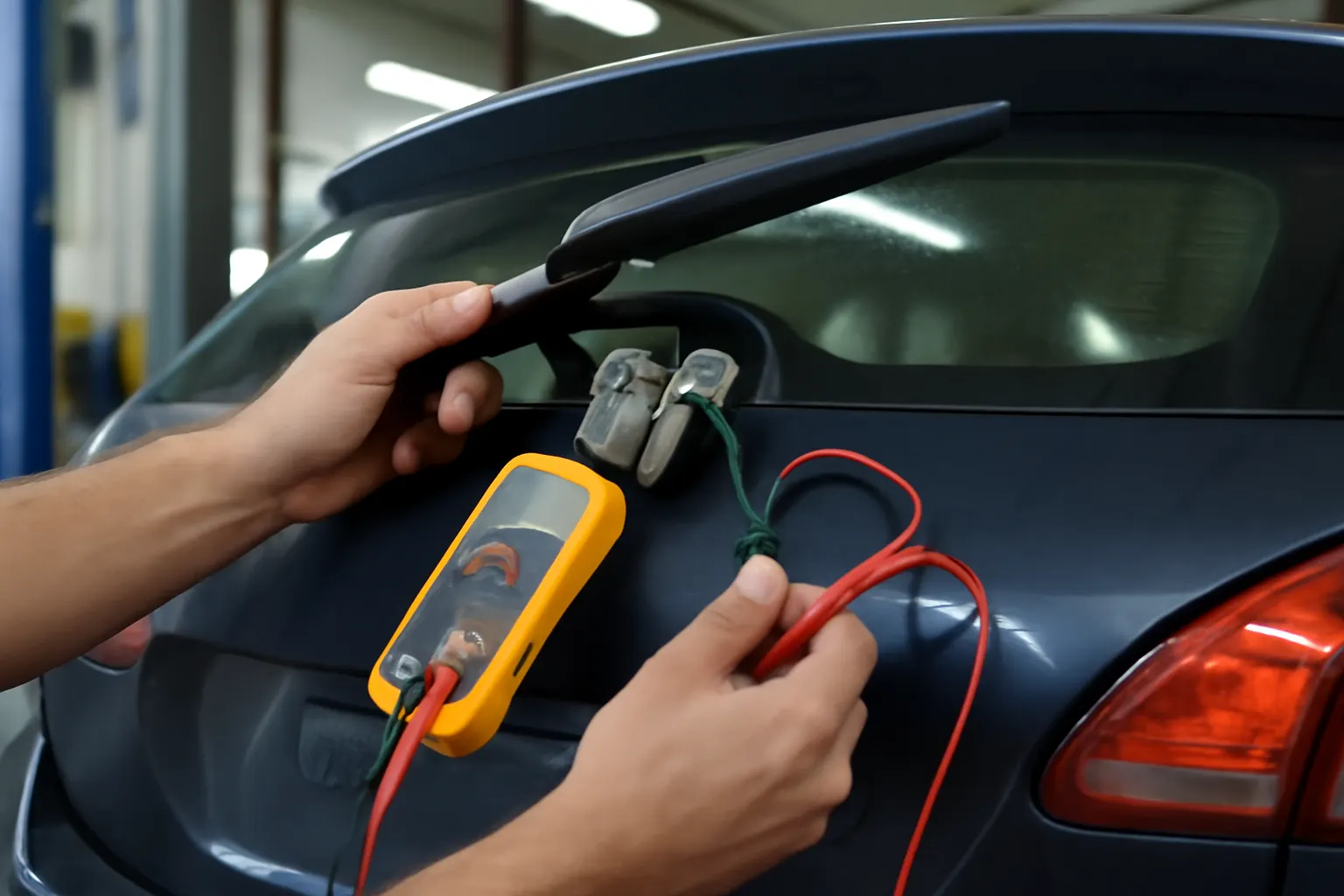
A healthy rear wiper motor delivers smooth, consistent motion. Problems here can manifest as slow, jerky, or non-functioning wipers.
Diagnostic Steps:
- With the ignition on, activate the rear wiper and observe the sweep.
- Listen for abnormal noises (grinding, buzzing).
- If the arm doesn’t move, check the fuse and electrical connections.
Common Motor Issues:
- Worn brushes or bearings: Causes slow or noisy operation.
- Moisture ingress: Leads to internal corrosion or short circuits.
- Electrical faults: Damaged wiring or connectors.
If the motor fails any of these checks, consult our Rear Wiper Motor Replacement: Step-by-Step Guide for detailed instructions.
Step 4: Examining Linkages, Mounts, and Washer System
The rear wiper’s linkage and mounts endure constant stress, especially during winter or heavy use. Annually, check for:
- Excessive play or looseness: Indicates worn bushings or mounts.
- Noisy operation: May signal dry joints or misalignment.
- Washer nozzle performance: Weak spray or clogging reduces cleaning effectiveness.
Maintenance Actions:
- Lubricate moving joints with a silicone-safe grease.
- Tighten or replace worn mounts.
- Clean washer nozzles with a pin and flush with washer fluid.
A functional washer system is essential for removing grime and ensuring the blade operates efficiently.
Step 5: Inspecting Wiring and Electrical Connectors
Electrical reliability is critical for consistent rear wiper performance. Annually, inspect:
- Connectors: Look for corrosion, especially in vehicles exposed to road salt.
- Wiring harnesses: Check for chafing, pinching, or rodent damage.
- Ground points: Ensure tight, corrosion-free connections.
Clean connectors with electrical contact cleaner and apply dielectric grease to prevent future corrosion. Replace damaged wiring promptly to avoid intermittent faults.
Step 6: Checking Rear Glass Condition
The rear wiper can’t do its job if the glass is scratched, chipped, or coated with residues. Every six months:
Advertisement
- Inspect for chips or cracks: Repair promptly to prevent spreading.
- Clean thoroughly: Use a dedicated glass cleaner and avoid waxes or sealants that cause smearing.
- Remove residues: Tree sap, road tar, and hard water spots impair blade performance.
A smooth, clean surface extends blade life and ensures a streak-free sweep.
Step 7: Confirming Blade Size and Fitment
Incorrect blade size or attachment can cause missed sweeps, overhang, or even motor strain. Always:
- Consult your vehicle manual or our Wiper Arm and Blade Selection Guide when replacing blades.
- Check fitment: The blade should sit flush with the arm and match the sweep arc.
- Test operation: After installation, run the wiper to ensure full coverage and no interference.
Using OEM-spec parts prevents premature wear and ensures reliable operation.
Step 8: Recognizing Early Warning Signs of Rear Wiper Failure
Early detection is key to avoiding sudden loss of rear visibility. Common warning signs include:
- Intermittent operation: May indicate wiring or relay issues.
- Partial sweep: Often caused by worn linkages or incorrect blade fitment.
- Unusual noises: Grinding, clicking, or squealing point to mechanical wear.
- Slow movement: Could be due to motor wear or increased friction in the linkage.
If you notice any of these symptoms, refer to our Diagnosing Rear Wiper System Failures for targeted troubleshooting advice.
Step 9: Seasonal and Climate-Specific Maintenance Advice
Wiper systems face different threats depending on your local climate:
- Winter: Ice buildup can freeze blades to glass, straining the motor. Always clear ice before activating wipers.
- Coastal/High-Salt Areas: Increased corrosion risk; inspect arms, mounts, and connectors more frequently.
- Desert/Sunny Regions: UV exposure accelerates blade degradation; replace blades more often.
Tailor your maintenance schedule to your environment for maximum reliability.
Step 10: Choosing Quality Replacement Parts
Not all wiper components are created equal. For best results:
- Select OEM or high-quality aftermarket blades, arms, and motors.
- Check for compliance with industry standards (such as those from SAE International) to ensure durability and fitment.
- Verify compatibility with your make and model—see our Rear Wiper Motor Replacement & Buying Guide | OEM Fitment for Modern Vehicles for detailed fitment information.
Using subpar components can lead to premature failure and increased maintenance costs.
Step 11: How Proper Maintenance Boosts Safety and Efficiency
Maintaining your rear wiper system isn’t just about clear vision. According to the National Highway Traffic Safety Administration, well-maintained equipment is essential for road safety. Clean, effective wipers reduce the risk of accidents caused by poor visibility. Furthermore, efficient wiper operation can have a marginal impact on overall vehicle aerodynamics and, by extension, fuel efficiency—especially when combined with proper maintenance of related systems (United States Department of Energy).
Neglecting maintenance can lead to cascading issues: a seized motor may blow fuses, a stuck arm can scratch glass, and degraded blades can leave dangerous blind spots.
Step 12: When to Seek Professional Help
While most wiper maintenance tasks are DIY-friendly, some situations warrant professional attention:
- Persistent electrical issues: May indicate deeper wiring faults.
- Unusual noises from within the liftgate or hatch: Suggests internal linkage or motor mount problems.
- Repeated premature blade or arm failures: Could point to alignment or structural issues.
Professional technicians have diagnostic tools to pinpoint complex faults and ensure your system is restored to OEM standards.
AutoPartEx: Your Partner in Wiper System Reliability
At AutoPartEx, we’re committed to keeping drivers safe and vehicles performing at their best. Our comprehensive selection of OEM and premium aftermarket rear wiper motors, arms, and blades is backed by expert fitment support and technical resources. Whether you’re a DIYer or a professional installer, our Rear Wiper Motor Replacement & Buying Guide | OEM Fitment for Modern Vehicles and related editorial content ensure you have the information and parts you need.
For further guidance on diagnosing issues, detailed installation walkthroughs, and selecting the right components for your vehicle, browse our expert guides and product categories. Let AutoPartEx be your first stop for reliable wiper system maintenance and upgrades.
References
Advertisement