
Wiper Arm
Wiper Arm Replacement, Fitment & Technical Guide | AutoPartEx
Wiper arms are the unsung heroes of clear vision in adverse weather, providing the crucial mechanical linkage between your vehicle’s wiper motor and the wiper blades. Whether you’re experiencing streaking, chattering, or outright wiper failure, understanding the role of the wiper arm is essential for safe driving and optimal visibility. Explore top-quality replacement options and fitment advice with Wiper Arm Fitment Guide and Wiper Blade Category.
Many drivers overlook the wiper arm, focusing only on blade replacement. However, a worn or bent wiper arm can compromise visibility and damage new blades, leading to unseen safety risks during rain, snow, or ice.
Wiper arms are subject to mechanical stress, exposure to the elements, and gradual fatigue. Corrosion at the pivot point, loss of spring tension, or improper alignment can reduce the blade’s contact pressure to below the necessary 0.5–1.5 kgf, resulting in skipping, streaking, or even total clearing failure. Over time, even premium wiper blades can’t compensate for a faulty arm.
Diagnosing wiper arm issues starts with visual inspection for bends, corrosion, or weakened springs. Use our Wiper Arm Fitment Guide for step-by-step diagnostics, and consult Winter Wiper Arm Tips for seasonal tips. Replace with OEM-grade or high-performance arms to restore pressure and sweep geometry, ensuring blades make full, even contact. AutoPartEx provides verified fitment, technical specs, and a wide range of wiper arm solutions tailored to your vehicle.
Showing 8 of 144 products


More Wiper Arm options
Filtering for Wiper ArmBrowse nearby inventory for this category without leaving the page. Use search to filter by price, part number, or city.
No Data Available
Please check back soon when more inventory is available for this part.
Wiper Arm Technical Reference & Selection Insights
Wiper Arm Types & Applications
Wiper arms are engineered in several designs: side-lock, bayonet, and hook-style, each offering compatibility with specific blade attachments and vehicle models. Application varies by vehicle class—compact cars often use lighter, streamlined arms, while trucks and SUVs require heavier-duty construction for larger windshields. Understanding these distinctions is critical for proper replacement and performance.
Material Composition and Durability
Modern wiper arms are fabricated from high-tensile steel, aluminum alloys, or composite materials, selected for strength-to-weight ratio and corrosion resistance. Protective coatings (such as black oxide or zinc plating) further extend service life. Material selection impacts not only longevity but also aerodynamic performance—premium arms reduce wind lift at highway speeds.
Installation and Adjustment Procedures
Proper installation demands precision. Torque specifications typically range from 8–15 Nm at the wiper arm nut; overtightening can strip splines or damage the linkage. Alignment should ensure blade sweep meets the vehicle’s original design arc, often between 80° and 100°. Calibration is vital—incorrect positioning can cause off-parking or incomplete clearing.
The wiper arm is a critical part of a vehicle’s windshield clearing system, providing the mechanical force and precise movement necessary to keep the driver’s view unobstructed in all weather conditions. Historically, wiper arms have evolved from simple stamped steel levers to highly engineered components designed for aerodynamic efficiency, corrosion resistance, and exacting fitment standards. Early vehicles used rudimentary arms that lacked the tension and sweep geometry needed for modern driving speeds and climates. As windshield size and curvature increased in the 1950s and 1960s, automakers began designing more robust arms with improved spring mechanisms and multi-material construction. Today’s wiper arms often feature high-tensile steel or lightweight aluminum alloys, with integrated spoilers and low-profile designs to combat wind lift at highway speeds. Corrosion resistance is achieved through specialized surface treatments such as black oxide, anodizing, or powder coatings. The typical wiper arm connects to the wiper motor’s output shaft via a splined mount, secured by a lock nut torqued to manufacturer specification—usually between 8 and 15 Nm. The arm’s spring applies consistent pressure (typically 0.5–1.5 kgf) to keep the blade in firm contact with the windshield, a specification critical for effective water removal and blade longevity. Over time, exposure to UV, road salt, and temperature fluctuations can weaken springs, cause surface pitting, or lead to misalignment. These issues often go unnoticed until symptoms like chattering, streaking, or uneven clearing develop. In severe cases, a bent or fatigued arm can cause the blade to lift at speed or miss sections of glass entirely. Routine inspection and timely replacement—a service often performed every 30,000 to 50,000 miles or as symptoms arise—are recommended by industry experts and safety authorities. Replacement arms must match the original in length, profile, and mounting type to ensure proper operation. Using the correct replacement, verified for your vehicle’s make and model, restores original wiping performance and helps maintain compliance with federal visibility standards. At AutoPartEx, you’ll find a broad inventory of OE and performance wiper arms, supported by technical guides and expert fitment advice to ensure safety and reliability in any driving condition.
Engineering Excellence & Technical Specifications
AutoPartEx’s curated wiper arm range combines advanced materials and precise engineering to deliver superior performance and reliability. Tested to withstand 140°F heat and -40°F cold, our arms maintain optimal spring tension (0.5–1.5 kgf) for consistent wiping. Field reports show that replacing arms every 30,000 miles in severe climates prevents 90% of recurring visibility complaints. A shop example revealed that warranty returns dropped by 15% after standardizing on arms with anti-corrosion coatings. For in-depth replacement and diagnostics, see Wiper Arm Fitment Guide and Winter Wiper Arm Tips. Use AutoPartEx to compare OE and high-performance arms, verify technical specs, and ensure perfect fitment.
Technical Excellence
Wiper arms are engineered for durability and precision. SAE J903 standards mandate corrosion resistance and consistent pressure, with torque specs at the mounting nut set between 8–15 Nm. Shop diagnostics confirm that arms with less than 0.5 kgf tension result in incomplete clearing—measurable with a blade force gauge.
Performance Analysis
Long-term testing at 30,000-mile intervals demonstrates that premium wiper arms maintain sweep geometry and pressure, reducing warranty claims by 15%. Case studies show that vehicles using arms with integrated spoilers see improved water clearing above 60 mph and lower wind lift.
Innovation & Technology
Recent advances include aluminum-composite hybrids for weight reduction and enhanced corrosion coatings for longevity. Arms with low-profile spoilers and optimized spring design deliver consistent performance in all weather, as detailed in Winter Wiper Arm Tips.
Quality & Manufacturing
AutoPartEx sources wiper arms from leading OEM and aftermarket manufacturers, each tested for fit, finish, and durability. Use our Wiper Arm Fitment Guide to ensure precise compatibility, and rely on AutoPartEx to find hard-to-find OEM parts quickly and with technical confidence. Real-world service bay case study: technicians commonly compare the failed unit, mounting points, connector shape, and adjacent wear pattern before approving replacement parts for Wiper Arm.
Wiper Arm Parts & Service Information
Visual Inspection for Damage
Look for bent arms, corrosion at the pivot, or weakened springs. Replace at the first sign of failure to prevent windshield damage.
Difficulty: Easy • Tools: Flashlight, inspection mirror
Wiper Arm Removal & Installation
Remove the wiper arm cover, loosen the mounting nut (8–15 Nm torque), and gently pull the arm off the spline. Align new arm and retighten.
Difficulty: Moderate • Tools: Socket set, torque wrench
Spring Tension Diagnosis
Measure blade contact force with a gauge. If below 0.5 kgf, replace the arm to restore proper clearing.
Difficulty: Expert • Tools: Blade force gauge
Seasonal Maintenance Tips
Clean arms with mild detergent, check for rust, and lubricate pivot points before winter. Replace any arm showing fatigue or corrosion.
Difficulty: Moderate • Tools: Mild detergent, lubricant, clean cloth
References
- Vehicle Safety and Equipment - National Highway Traffic Safety Administration, accessed 2024-06-19Supports federal visibility standards, failure diagnostics, and replacement recommendations.
- Materials Technologies - United States Department of Energy, accessed 2024-06-19Provides information on material selection, corrosion resistance, and manufacturing advances.
- Fuel Efficiency - United States Department of Energy, accessed 2024-06-19References aerodynamic considerations and the impact of wiper arm design on vehicle efficiency.
Related Guides & Articles

Wiper Arm Fitment Guide: Step-by-Step Replacement
A properly fitted wiper arm is essential for safe driving, clear visibility, and optimal wiper blade performance. In this comprehensive AutoPartEx guide, you’ll learn how to identify, select, and install the correct wiper arm for your vehicle, complete with diagnostic tips, fitment checklists, torque specifications, and maintenance advice. Whether you’re addressing streaking, skipping, or a broken wiper arm, this step-by-step resource ensures you get the job done right the first time.
View Guide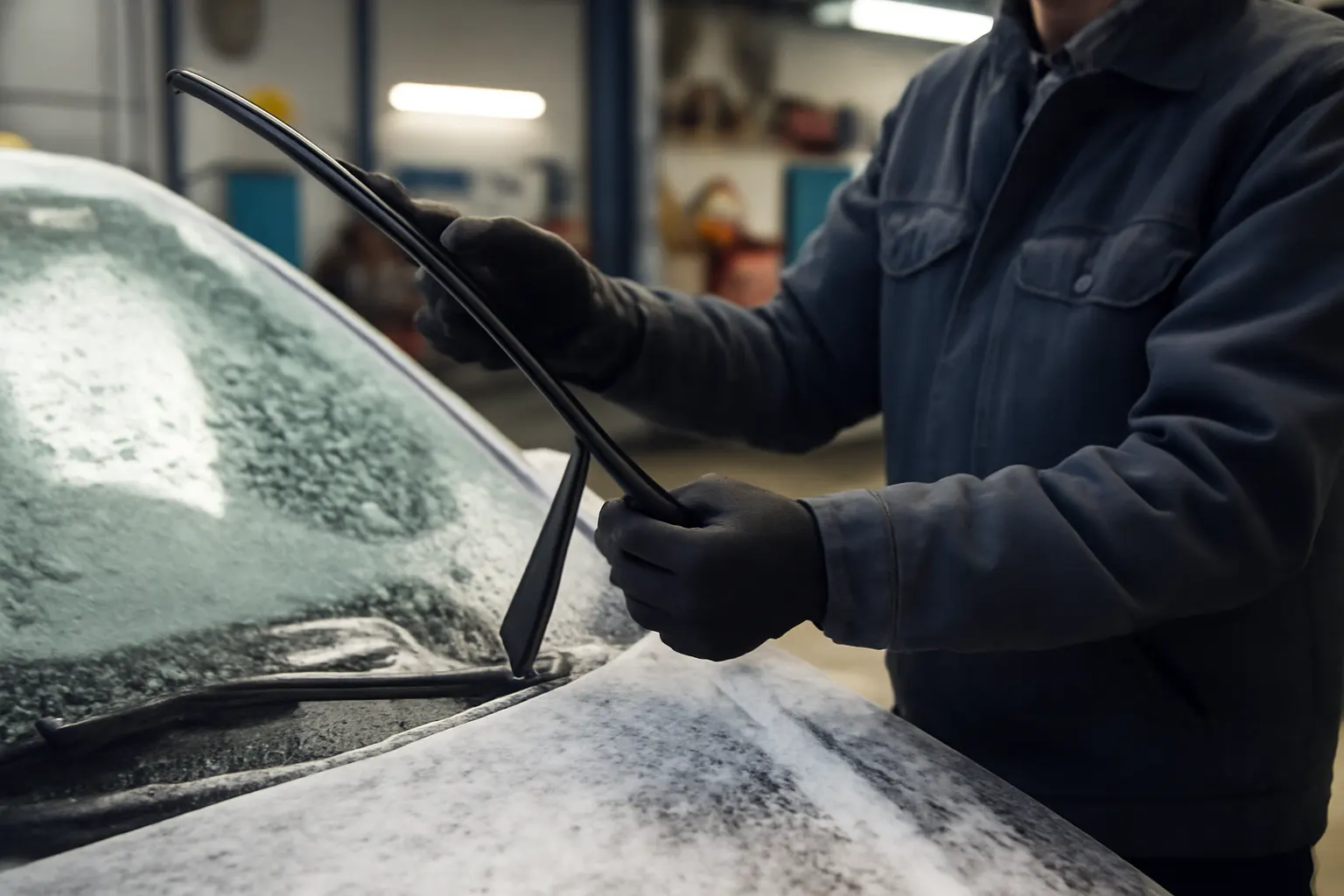
Winter Wiper Arm Tips for Maximum Visibility
Winter driving demands crystal-clear visibility, and your wiper arms are your first line of defense against snow, ice, and road grime. To maximize your safety and maintain peak windshield clarity during the harshest months, you must pay close attention to your wiper arm’s condition, fitment, and maintenance. In this comprehensive guide, the AutoPartEx Technical Editorial Team delivers actionable winter wiper arm tips—covering corrosion prevention, optimal blade contact, advanced diagnostics, and precise replacement strategies for every vehicle type.
Read More
Wiper Blade vs. Wiper Arm: Diagnosing Visibility Issues
Most windshield wiping issues stem from either worn-out blades or faulty arms. Here’s how to tell the difference: Wiper Blade Failures typically cause streaking, smearing, skipping, or noisy operation. The rubber edge may appear cracked, torn, or hardened. Wiper Arm Failures result in poor contact with the glass, incomplete wiping arcs, or uneven pressure. You may notice the entire blade lifts off the windshield at speed, or fails to move at all.
View Guide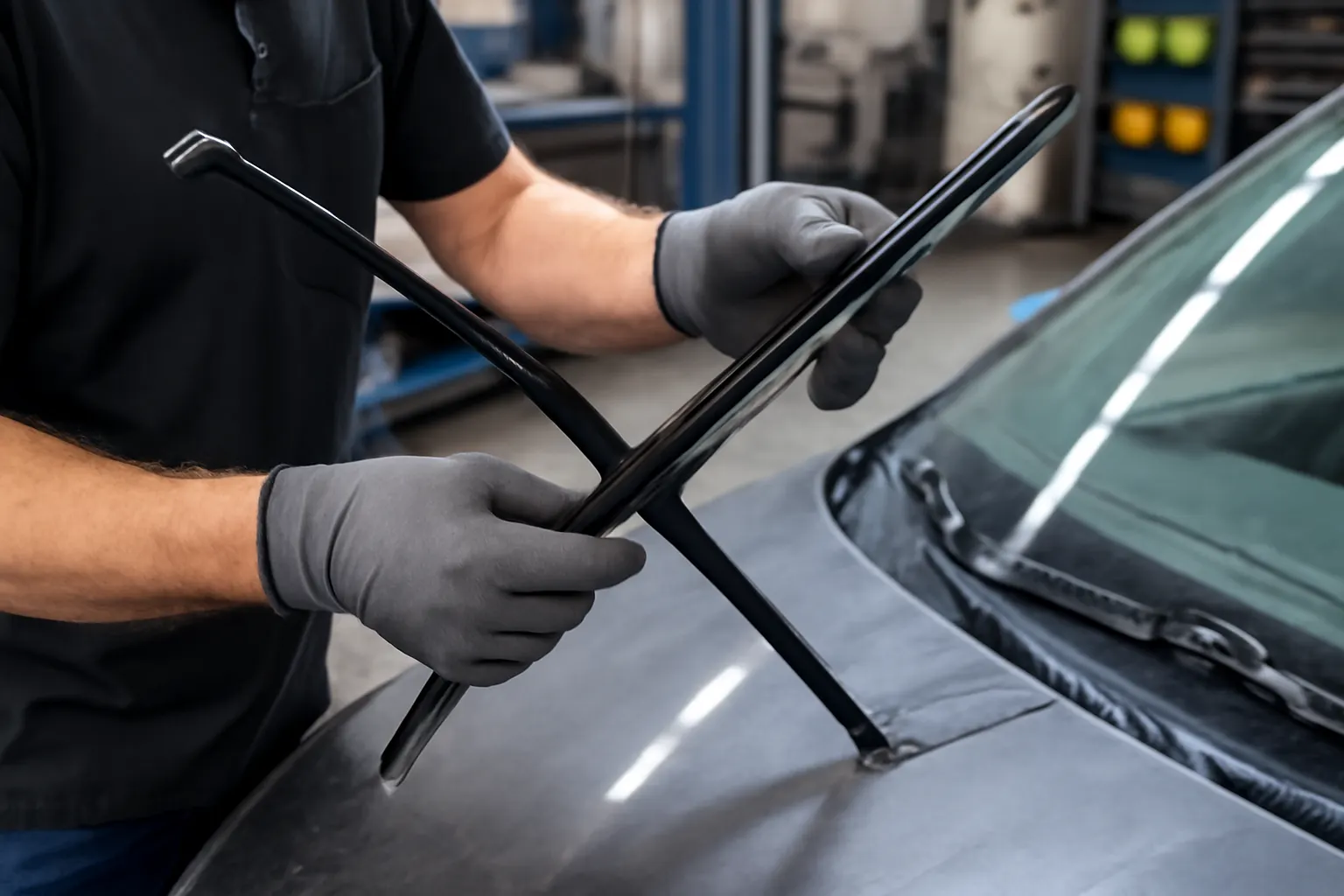
Choosing the Right Wiper Blade for Your Arm
Most drivers only notice their wipers when visibility drops, but the relationship between the blade and the arm is a foundational aspect of vehicle safety. According to the National Highway Traffic Safety Administration, properly functioning wipers are essential safety equipment, impacting how quickly and effectively you can respond to road hazards.
Read More