Advertisement
Choosing the Right Wiper Blade for Your Arm
Selecting the correct wiper blade for your vehicle’s wiper arm is critical for achieving clear visibility and safe driving in all weather conditions. The right pairing ensures optimal clearing, longevity, and prevents premature wear to both blade and arm. This AutoPartEx guide delivers practical compatibility tips, diagnostic advice, and best practices—helping you avoid common pitfalls when matching wiper blades to arms. For a deep dive into wiper arm replacement and fitment, see our Wiper Arm Replacement, Fitment & Technical Guide | AutoPartEx.
Why Wiper Blade and Arm Compatibility Matters
Most drivers only notice their wipers when visibility drops, but the relationship between the blade and the arm is a foundational aspect of vehicle safety. According to the National Highway Traffic Safety Administration, properly functioning wipers are essential safety equipment, impacting how quickly and effectively you can respond to road hazards.
An incompatible or poorly fitted wiper blade can cause:
- Streaking and smearing, reducing visibility
- Uneven clearing, leaving blind spots
- Excessive blade and arm wear
- Potential arm or linkage damage
- Increased risk of scratching the windshield
These problems can escalate quickly, especially in sudden downpours or winter conditions. Choosing the right blade for your arm is not just about fit—it’s about safety, durability, and protecting your vehicle’s systems.
The Hidden Problem: Not All Blades Fit All Arms
While wiper blades may look similar, their connection mechanisms and design tolerances vary significantly. Wiper arms come in multiple styles—hook, pin, bayonet, side-lock, and more—each requiring a compatible blade attachment. Additionally, arm pressure, length, and sweep arc are engineered for specific blade profiles.
Over time, manufacturers have introduced advanced blade technologies (beam, hybrid, conventional) and materials to improve performance. However, these innovations can introduce compatibility challenges if not matched carefully to your vehicle’s arm design.
Common Compatibility Pitfalls
- Incorrect connector type: The blade won’t attach securely to the arm.
- Mismatched length: Can cause the blade to miss parts of the windshield or overlap, causing collision.
- Improper blade profile: Reduces contact pressure, leading to streaks and noise.
- Material mismatch: Can cause premature wear, corrosion, or arm fatigue.
Wiper Arm and Blade Types: Technical Overview
Understanding your wiper arm and blade types is vital for correct selection. Here’s a breakdown of the most common styles and their compatibility considerations:
Wiper Arm Types
- Hook Arm (J-Hook): The most common, featuring a “J” shaped end. Blades must have a compatible hook adapter.
- Pin Arm: Uses a small pin for attachment. Requires a blade with a pinhole adapter.
- Bayonet Arm: Flat arm with a slot; blade slides and locks into place.
- Side Lock Arm: Uses a side-mounted locking mechanism.
- Top Lock Arm: Features a locking mechanism on the top of the arm.
Wiper Blade Types
- Conventional Blades: Metal frame with multiple pressure points. Compatible with most older vehicles.
- Beam Blades: Single-piece, frameless design for even pressure and aerodynamic performance.
- Hybrid Blades: Combine features of conventional and beam blades for improved performance and aesthetics.
Pro Tip: Always confirm both the arm type and blade type before purchasing. Consult your owner’s manual or trusted fitment guides such as the Wiper Arm Fitment Guide: Step-by-Step Replacement.
Diagnosing Visibility Issues: Blade or Arm?
Before replacing your wiper blade, it’s important to diagnose whether the blade or the arm is at fault. Many visibility issues can stem from a worn, bent, or misaligned arm rather than the blade alone.
Common Symptoms and Their Likely Causes
| Symptom | Likely Cause | Solution |
|---|---|---|
| Streaking/smearing | Worn blade, dirty windshield | Clean glass, replace blade if needed |
| Skipping/jumping | Bent arm, hardened blade | Check arm tension, replace blade/arm |
| Uneven clearing | Incorrect blade length/profile | Verify correct blade fitment |
| Noisy operation | Arm misalignment, old blade | Adjust arm, replace blade |
| Missed areas | Wrong blade size or arm wear | Measure and match blade to OEM specs |
Advertisement
For a more in-depth diagnosis, see Wiper Blade vs. Wiper Arm: Diagnosing Visibility Issues.
Measuring for the Right Blade: Length and Sweep
Wiper blades are not one-size-fits-all. Each vehicle has specified blade lengths for both the driver and passenger sides. Installing the wrong length can cause poor clearing, blade collision, or missed areas.
How to Measure and Confirm Fitment
- Consult Owner’s Manual: Always check your vehicle’s manual for OEM blade lengths.
- Measure Existing Blade: Use a tape measure to confirm the current blade’s length (in inches or millimeters).
- Check Both Sides: Driver and passenger sides often require different lengths.
- Confirm Arm Type: Identify the arm connector to ensure blade compatibility.
- Test Sweep Arc: Manually operate the arm to ensure full windshield coverage without collision.
Blade Length Reference Table (Sample)
| Vehicle Type | Driver Side (inches) | Passenger Side (inches) | Common Arm Type |
|---|---|---|---|
| Compact Sedan | 22 | 18 | Hook |
| SUV | 24 | 20 | Pin/Hook |
| Pickup | 22 | 22 | Bayonet |
| Minivan | 26 | 20 | Side Lock |
Note: Always use exact measurements for your make and model.
Material Matters: Blade and Arm Construction
The materials used in both wiper blades and arms directly impact performance, durability, and resistance to environmental wear. According to the U.S. Department of Energy’s Materials Technologies, advances in rubber compounds, composite plastics, and corrosion-resistant metals have improved wiper system longevity and efficiency.
Blade Materials
- Natural Rubber: Soft, flexible, but can degrade quickly.
- Synthetic Rubber (EPDM): Superior resistance to UV, ozone, and temperature extremes.
- Silicone: Enhanced durability, quieter operation, and water-repellent properties.
Arm Materials
- Coated Steel: Strong and affordable, but may corrode if coating is damaged.
- Aluminum: Lightweight and corrosion-resistant, common in premium applications.
- Composite/Plastic: Used in some modern arms for weight reduction and corrosion resistance.
Expert Tip: Match blade and arm materials for optimal performance in your climate. For winter conditions, see our Winter Wiper Arm Tips for Maximum Visibility.
Connector Systems: The Key to Secure Fitment
The connector is the interface between the blade and the arm. Using the wrong connector can lead to loose blades, detachment, or ineffective wiping.
Common Connector Types
- J-Hook (9x3mm, 9x4mm): Most common, simple snap-on design.
- Pin (3/16", 1/4"): Blade slides over and locks onto a pin.
- Bayonet: Blade slides onto a flat arm and locks with a tab.
- Side Lock: Blade locks onto the side of the arm with a button.
- Top Lock: Blade locks onto the top with a push button.
Checklist: Confirming Connector Compatibility
- Identify your wiper arm type and size.
- Check the blade packaging or manufacturer’s site for compatible connectors.
- Ensure the adapter fits snugly and locks securely.
- Test the blade after installation for firm attachment and smooth operation.
Installation Best Practices for Wiper Blades
Proper installation is as important as selecting the right blade. Incorrect installation can lead to immediate failure, arm damage, or even windshield scratches.
Step-by-Step Installation Guide
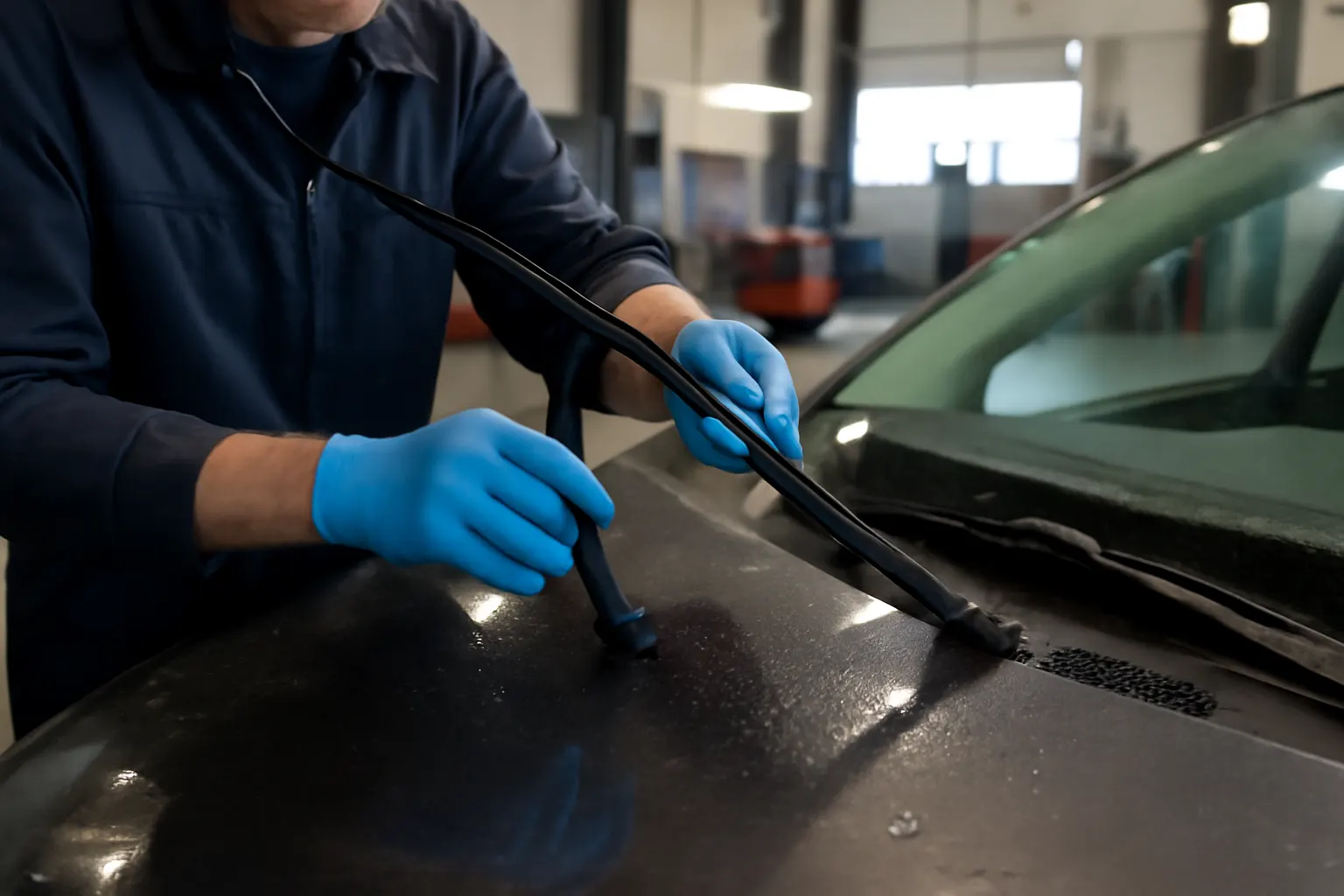
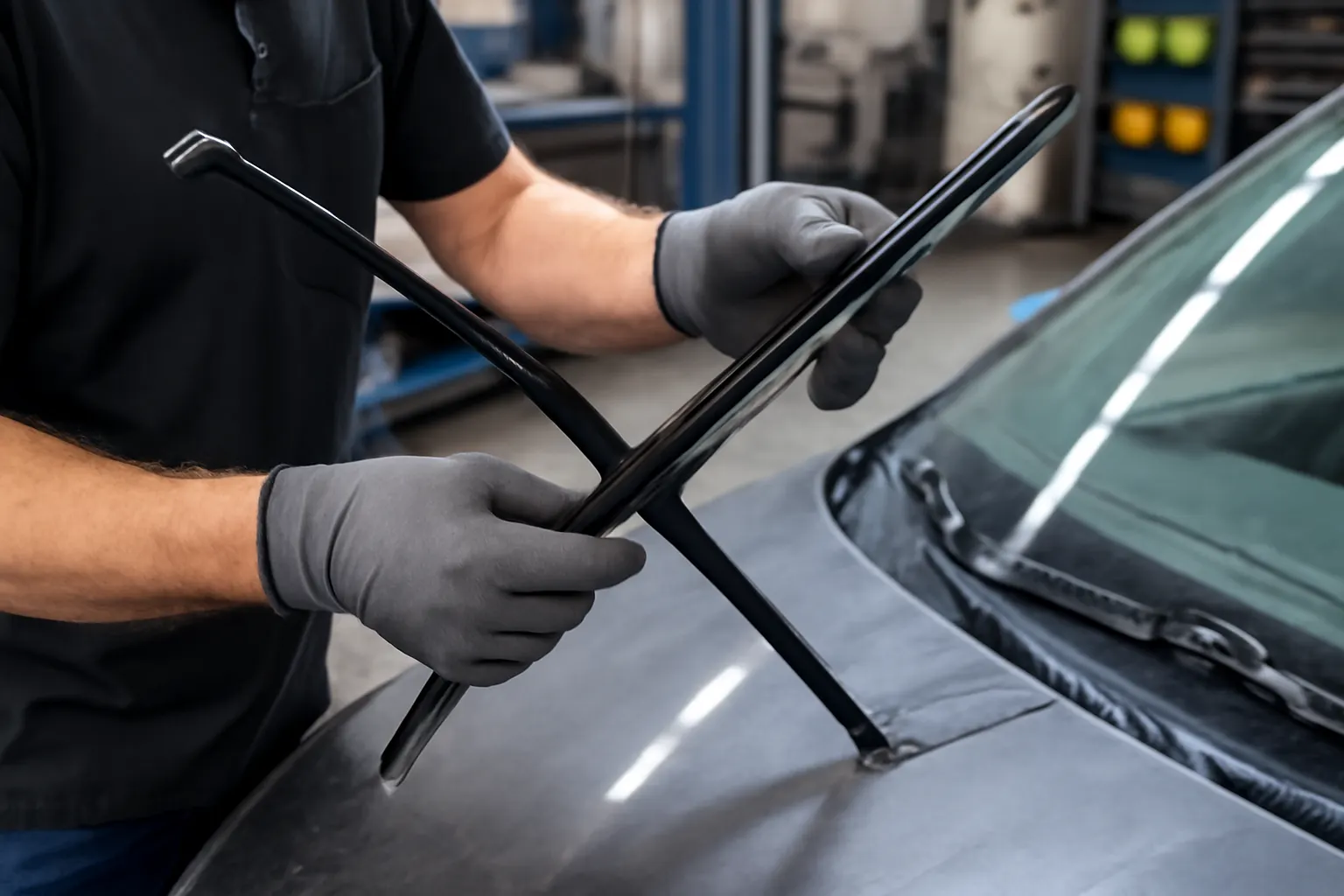
- Lift the Wiper Arm: Gently lift the arm away from the windshield. Some arms are spring-loaded—handle with care.
- Remove Old Blade: For hook-type arms, depress the tab and slide the blade off. For other connectors, follow the specific release mechanism.
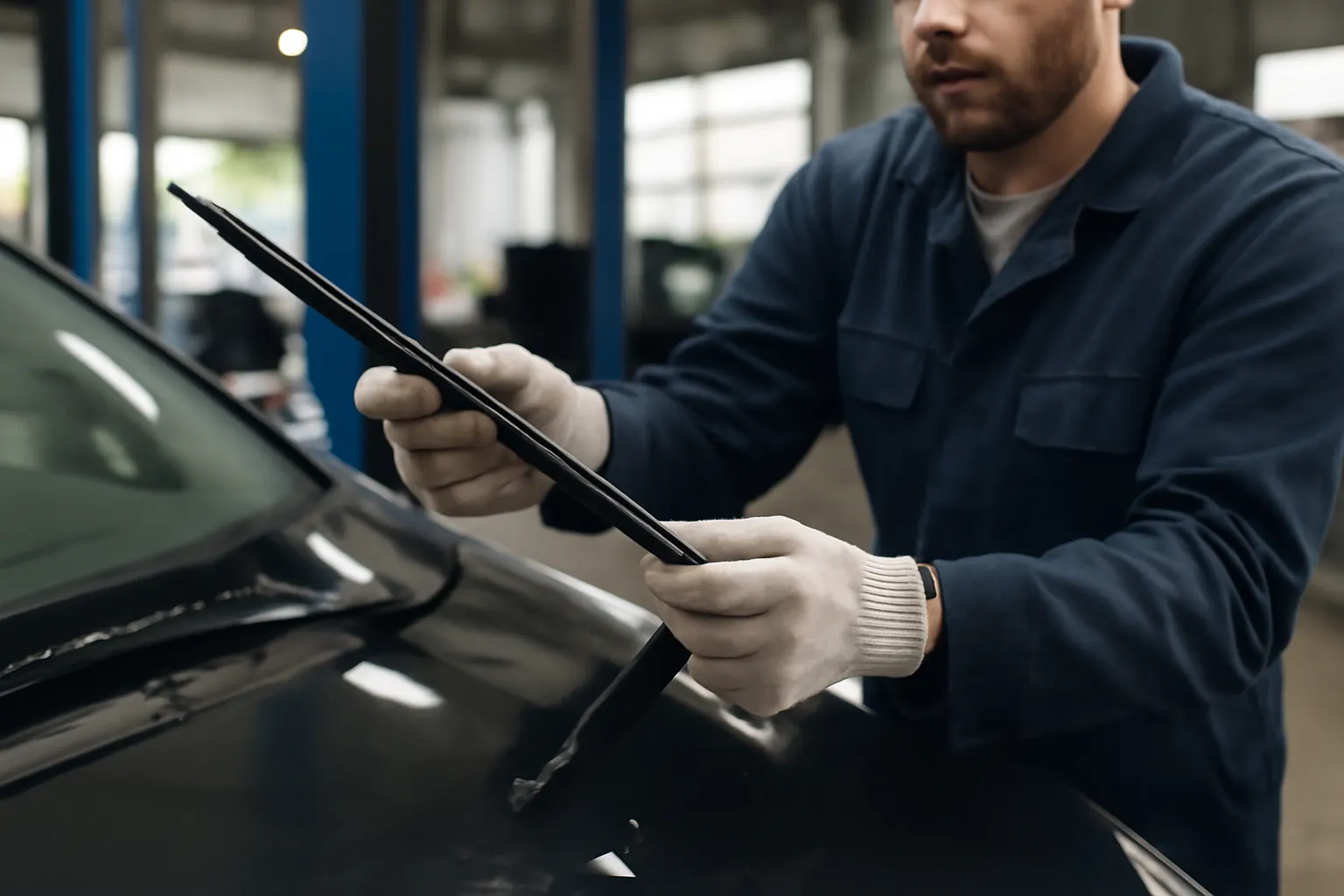
- Attach New Blade: Align the new blade’s adapter with the arm and click or slide into place until secure.
- Test Fit: Lower the arm gently onto the windshield and ensure the blade sits flush.
- Test Operation: Run the wipers with washer fluid to confirm smooth, streak-free movement.
Safety Note: Never let the bare wiper arm snap back onto the glass—this can crack or chip the windshield.
Maintenance Tips: Extending Blade and Arm Life
Routine maintenance of your wiper system can significantly extend the lifespan of both blades and arms, improving performance and reducing replacement costs.
Advertisement
Maintenance Checklist
- Clean Blades Weekly: Wipe rubber edge with damp cloth to remove dirt and debris.
- Inspect for Damage: Look for cracks, splits, or deformation in the blade and arm.
- Check Arm Tension: Ensure the arm applies even pressure along the blade’s length.
- Replace Annually: Most experts recommend replacing blades every 6-12 months, or sooner if performance drops.
- Protect in Winter: Lift arms in snow/ice to prevent freezing, or use winter-specific blades.
For more seasonal care, visit our Winter Wiper Arm Tips for Maximum Visibility.
Buying Guidance: How to Source the Right Wiper Blade
With countless options on the market, sourcing the right blade can be daunting. Here’s how to streamline the process:
- Use Trusted Fitment Tools: Many retailers and manufacturers offer online fitment tools—input your vehicle’s year, make, and model for precise recommendations.
- Verify OEM Specs: Cross-reference with your owner’s manual or the Wiper Blade Category for OEM specifications.
- Check Connector and Length: Double-check both before purchase.
- Consider Climate: Choose materials and blade profiles suited for your region (e.g., beam blades for snow, silicone for heat).
- Buy in Pairs: Replace both blades simultaneously for balanced performance.
Pro Tip: Keep a spare set in your vehicle for emergencies, especially during long trips or harsh weather seasons.
Avoiding Common Mistakes: What Not to Do
Even experienced DIYers can make mistakes when selecting or installing wiper blades. Here are the most frequent errors and how to avoid them:
- Mixing Blade Types: Don’t install a beam blade on one side and a conventional blade on the other—this can cause uneven wear and poor clearing.
- Ignoring Arm Wear: Replacing blades without checking the arm can mask underlying issues.
- Forcing the Connector: If the blade doesn’t fit easily, it’s likely the wrong adapter.
- Neglecting Rear Wiper: Many vehicles have a rear wiper with unique size and connector—don’t overlook it.
- Delaying Replacement: Worn blades can damage the arm and windshield, leading to costly repairs.
Always use a methodical approach and reference trusted guides such as the Wiper Arm Fitment Guide: Step-by-Step Replacement.
Advanced Fitment: Specialty and Performance Blades
Some vehicles require specialty or performance blades for unique windshield contours or high-speed applications.
Specialty Blade Considerations
- Curved Windshields: Beam blades conform better to aggressive curves.
- Aero Designs: Some blades include spoilers for high-speed stability.
- Heated Blades: Ideal for icy climates, these prevent freezing.
- Rear Wipers: Often require a unique, model-specific blade.
Always verify specialty requirements through your owner’s manual or a reputable supplier.
When to Replace the Wiper Arm
In some cases, visibility issues persist even after installing new blades. If you notice:
- Reduced contact pressure
- Blade skipping, even with a new blade
- Visible bending, corrosion, or damage to the arm
…it may be time to replace the wiper arm itself. Refer to our comprehensive Wiper Arm Replacement, Fitment & Technical Guide | AutoPartEx for step-by-step instructions and fitment advice.
AutoPartEx: Your Partner in Wiper System Excellence
At AutoPartEx, we combine technical expertise with a curated selection of quality wiper blades and arms. Our resources are grounded in industry standards and safety guidelines, including those from the National Highway Traffic Safety Administration and SAE International. Whether you’re maintaining a daily driver or upgrading for performance, our fitment guides, buying tips, and product recommendations ensure you get the right part the first time.
Explore our Wiper Arm Replacement, Fitment & Technical Guide | AutoPartEx for more in-depth information, or browse the Wiper Blade Category for compatible options.
Expert Action: Take the Next Step
- Inspect your current wiper system—don’t wait for the next rainstorm to discover issues.
- Use manufacturer and AutoPartEx fitment guides to confirm the right blade for your arm.
- Invest in quality materials and proper fitment for long-lasting, streak-free performance.
- Schedule regular maintenance and keep your windshield clean for optimal visibility.
- Consult AutoPartEx resources for the latest technical advice and product updates.
By following these best practices, you’ll ensure your wiper system is ready for whatever the road (or weather) throws your way.
References
Advertisement