Advertisement
5 Signs Your Wiper Arm Needs Replacement
Windshield wiper arms are often overlooked, but their condition is critical for safety and visibility. If you notice streaking, juddering, or inconsistent wiping, the culprit may not be your wiper blades, but the wiper arm itself. Recognizing the signs of wiper arm wear is essential for timely replacement and maintaining optimal performance. In this guide, we’ll break down the five most important signs your wiper arm needs replacement, explain the underlying causes, and provide actionable steps to restore your wiper system’s reliability.
Before delving into the details, remember that proper wiper arm fitment and maintenance are foundational to clear visibility and safe driving. For a comprehensive overview of wiper arm types, compatibility, and technical nuances, visit our Wiper Arm Replacement, Fitment & Technical Guide | AutoPartEx.
Why Wiper Arm Condition Is a Safety Priority
Wiper arms transmit the force from the wiper motor to the blade, ensuring even pressure and effective clearing of rain, snow, and debris. When a wiper arm is compromised—whether by spring fatigue, subtle bending, or corrosion—the entire wiper system’s effectiveness drops dramatically. According to the National Highway Traffic Safety Administration (NHTSA), windshield wipers are a primary safety device, and their failure can lead to reduced visibility and increased accident risk [^1].
Unfortunately, many drivers replace wiper blades repeatedly without addressing underlying arm issues. This oversight can lead to persistent streaking, chattering, and, in severe cases, total wiper failure during adverse weather. Recognizing and addressing wiper arm wear early is essential for maintaining both safety and vehicle value.
The Hidden Problem: Wiper Arm Wear Goes Unnoticed
Most vehicle owners focus on the visible rubber wiper blade. However, the wiper arm, which provides the necessary tension and alignment, can deteriorate stealthily. Factors such as repeated use, exposure to UV rays, winter road salt, and even minor impacts can degrade the arm’s structural integrity. The result? A wiper system that underperforms, even with brand-new blades installed.
Wiper arm wear is often subtle—manifesting as uneven blade pressure, minor misalignment, or a weakened spring. These symptoms may not be obvious until a heavy downpour or snowstorm exposes the system’s weakness, leaving you with poor visibility when you need it most. Understanding the nuanced signs of wiper arm failure is key to proactive maintenance.
Sign 1: Uneven or Incomplete Wipe Pattern
One of the earliest and most telling signs of wiper arm degradation is an uneven or incomplete wipe pattern. If you notice that your wipers are leaving large swathes of the windshield untouched, or if there are persistent streaks regardless of blade replacement, the wiper arm may be at fault.
Checklist for Diagnosing Wipe Pattern Issues:
- Are there areas of the windshield that remain wet or dirty after each pass?
- Do streaks persist despite installing new, high-quality wiper blades?
- Does the blade appear to lift off the glass at certain points, especially at the ends of its travel?
These symptoms often indicate that the arm is no longer applying consistent pressure across the blade’s length. This can result from a weak tension spring or a slightly bent arm, both of which prevent the blade from making full contact with the windshield.
Sign 2: Wiper Blade Not Sitting Flush Against the Windshield
A properly functioning wiper arm should hold the blade firmly against the windshield at all points. If you notice that the blade appears to hover, lift, or chatter—especially at higher speeds—the arm’s tension spring may have lost its strength.
Technical Causes:
- Spring Fatigue: Over time, the metal spring inside the arm loses its elasticity, reducing downward force.
- Corrosion: Rust can weaken the spring or pivot points, further diminishing pressure.
- Minor Bending: Even a slight bend from ice scraping or accidental lifting can alter the blade’s angle of attack.
Advertisement
A blade that doesn’t sit flush cannot clear water or debris effectively, leading to dangerous visibility issues, especially during rain or snow.
Sign 3: Visible Corrosion, Rust, or Physical Damage
Wiper arms are typically constructed from coated steel or lightweight alloys, but they’re regularly exposed to harsh environmental conditions. Road salt, moisture, and UV rays all contribute to corrosion and material fatigue.
What to Look For:
- Flaking paint or visible rust along the arm or at the pivot.
- Pitting or bubbling on the surface.
- Bent or twisted metal, often from improper de-icing or car wash impacts.
Corrosion not only weakens the arm but can also seize pivot points, leading to erratic or incomplete movement. In extreme cases, a corroded arm may snap or detach entirely, posing a serious safety risk.
Sign 4: Excessive Wiper Chatter or Noise
While occasional squeaks can result from dirty windshields or worn blades, persistent chattering—even with new blades—often points to a wiper arm issue. A compromised arm can cause the blade to oscillate unevenly, skipping across the glass instead of gliding smoothly.
Common Root Causes:
- Loss of arm tension, allowing the blade to bounce.
- Misalignment, causing the blade to approach the windshield at an improper angle.
- Stiff or corroded pivots, leading to uneven movement.
Addressing the arm—not just the blade—can resolve chronic noise and improve both performance and longevity of the entire wiper system.
Sign 5: Wiper Arm Movement is Erratic or Incomplete
When a wiper arm begins to move erratically, stalls mid-sweep, or fails to return to its resting position, the underlying issue is often mechanical. While a failing wiper motor can cause similar symptoms, don’t overlook the arm itself.
Diagnostic Checklist:
- Does the arm move slower than usual or hesitate during operation?
- Does it fail to reach the full sweep of the windshield?
- Is the arm difficult to lift for manual cleaning or blade replacement?
Such issues may result from worn splines at the arm’s mounting point, seized pivots, or internal damage. If left unchecked, these problems can escalate to total wiper system failure, particularly under stress from heavy rain or snow.
The Technical Details: How Wiper Arms Fail
Understanding the mechanics behind wiper arm failure helps in both diagnosis and prevention. Wiper arms are engineered to deliver a precise amount of downward force—typically 1.5 to 2.5 pounds—to ensure the blade maintains contact with the windshield across its full arc. This force is generated by a tension spring and transmitted via the arm’s rigid structure.
Key Failure Modes:
- Spring Fatigue: Repeated flexing causes the spring to lose tension, a process accelerated by temperature extremes and corrosion.
- Material Fatigue: Constant vibration, UV exposure, and environmental contaminants degrade the arm’s metal or composite structure.
- Mechanical Damage: Impacts from ice scraping, aggressive car washes, or improper manual adjustment can bend or twist the arm, compromising alignment.
- Corrosion: Salt and moisture attack exposed metal, leading to rust, pitting, and eventual structural failure.
According to the United States Department of Energy, advances in materials technologies have improved wiper arm durability, but even modern arms require periodic inspection and replacement to maintain peak performance [^2].
The Solution Path: Inspecting and Replacing Your Wiper Arm
Once you’ve identified one or more signs of wiper arm wear, prompt action is essential. Here’s a step-by-step approach:
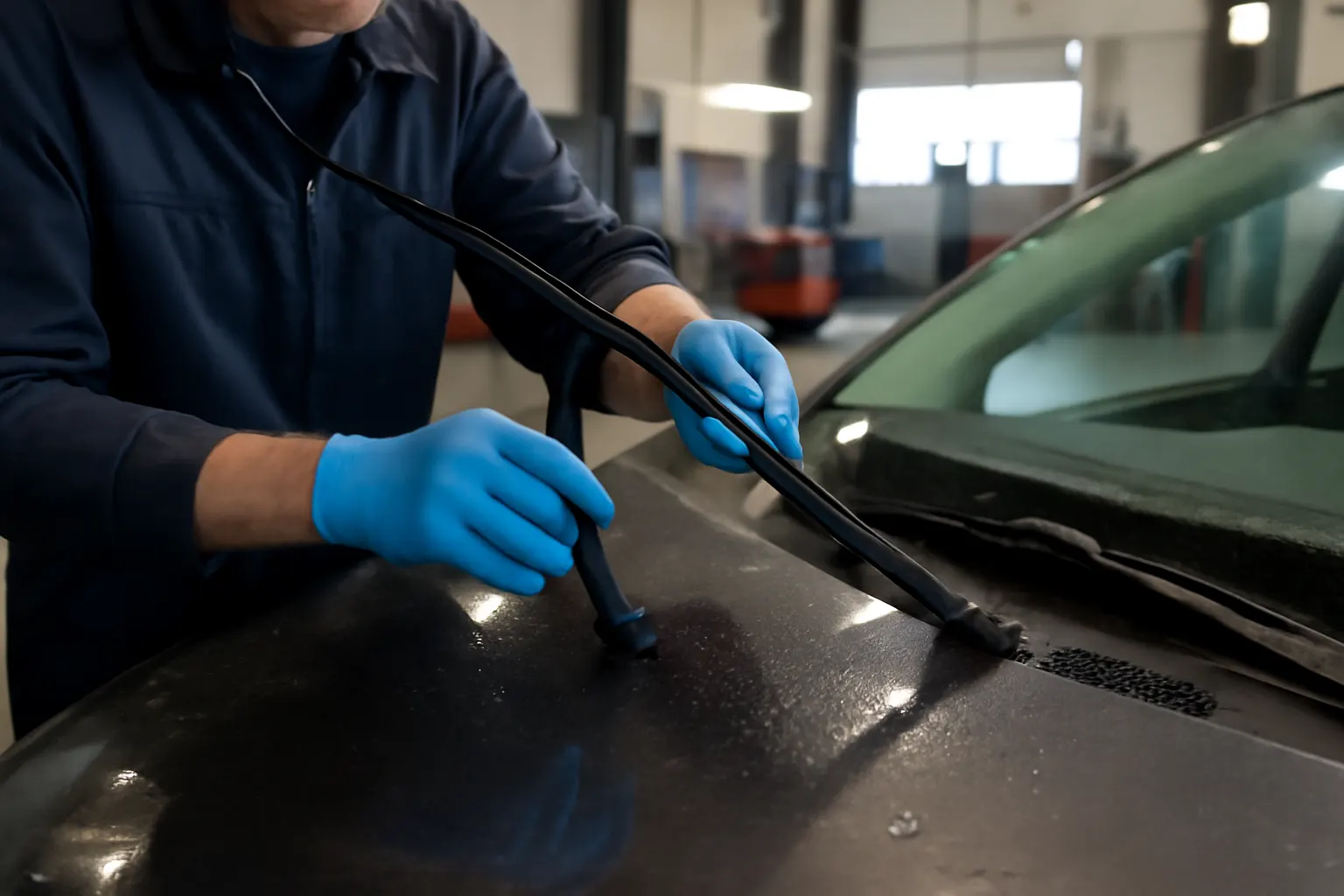
1. Visual and Physical Inspection
- Lift the wiper arm away from the windshield.
- Examine the arm for rust, bends, or surface damage.
- Check the tension by gently pressing the arm toward the glass; it should offer firm, even resistance.
- Inspect the pivot and mounting point for play or looseness.
2. Test Wiper Operation
- Run the wipers on a wet windshield and observe the blade’s contact and sweep.
- Listen for noise, chatter, or hesitation.
- Note any incomplete or erratic motion.
Advertisement
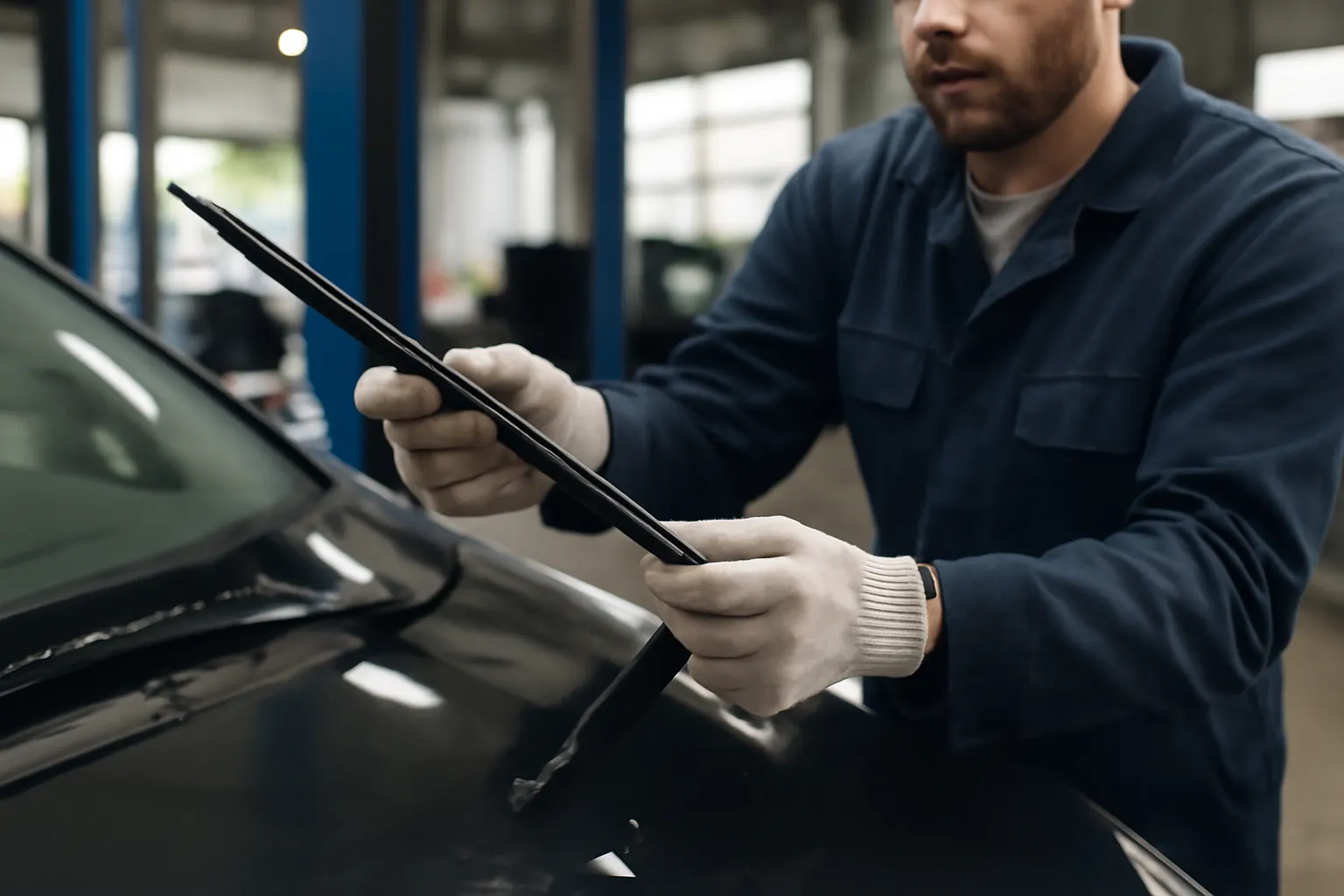
3. Compare to Manufacturer Specifications
- Refer to your vehicle’s manual or the Wiper Arm Replacement, Fitment & Technical Guide | AutoPartEx for arm type, size, and mounting style.
- Ensure any replacement matches the original specifications for length, connection type, and spring tension.
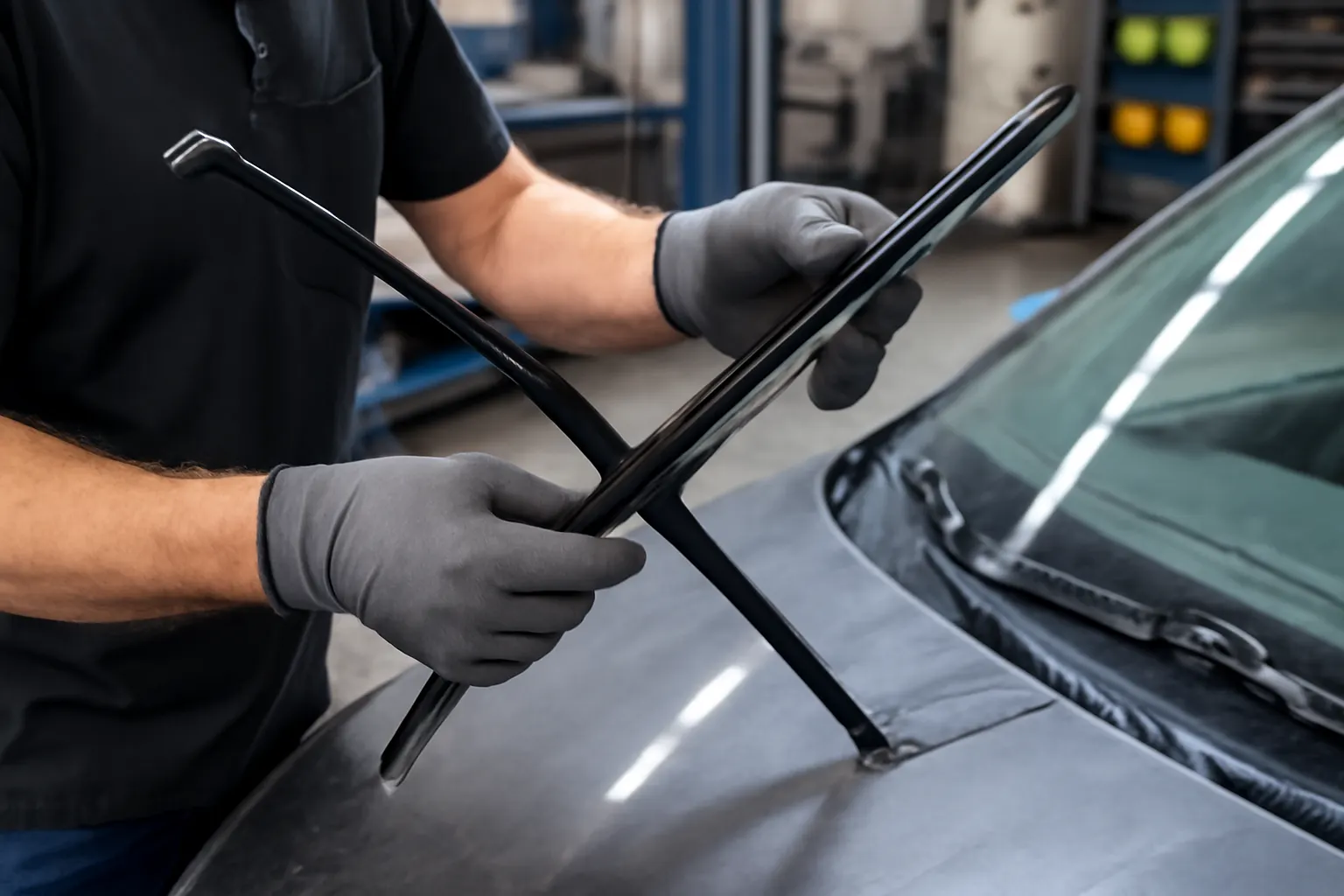
4. Replace the Wiper Arm
If inspection confirms arm failure, replacement is straightforward for most vehicles. For a detailed walkthrough, see our How to Replace a Wiper Arm: Step-by-Step guide.
Preventive Maintenance: Extending Wiper Arm Lifespan
While wiper arms are wear items, proper care can extend their service life and ensure consistent performance. Consider these expert tips:
- Clean Regularly: Wipe down the arm and pivot area during routine car washes to remove salt, dirt, and debris.
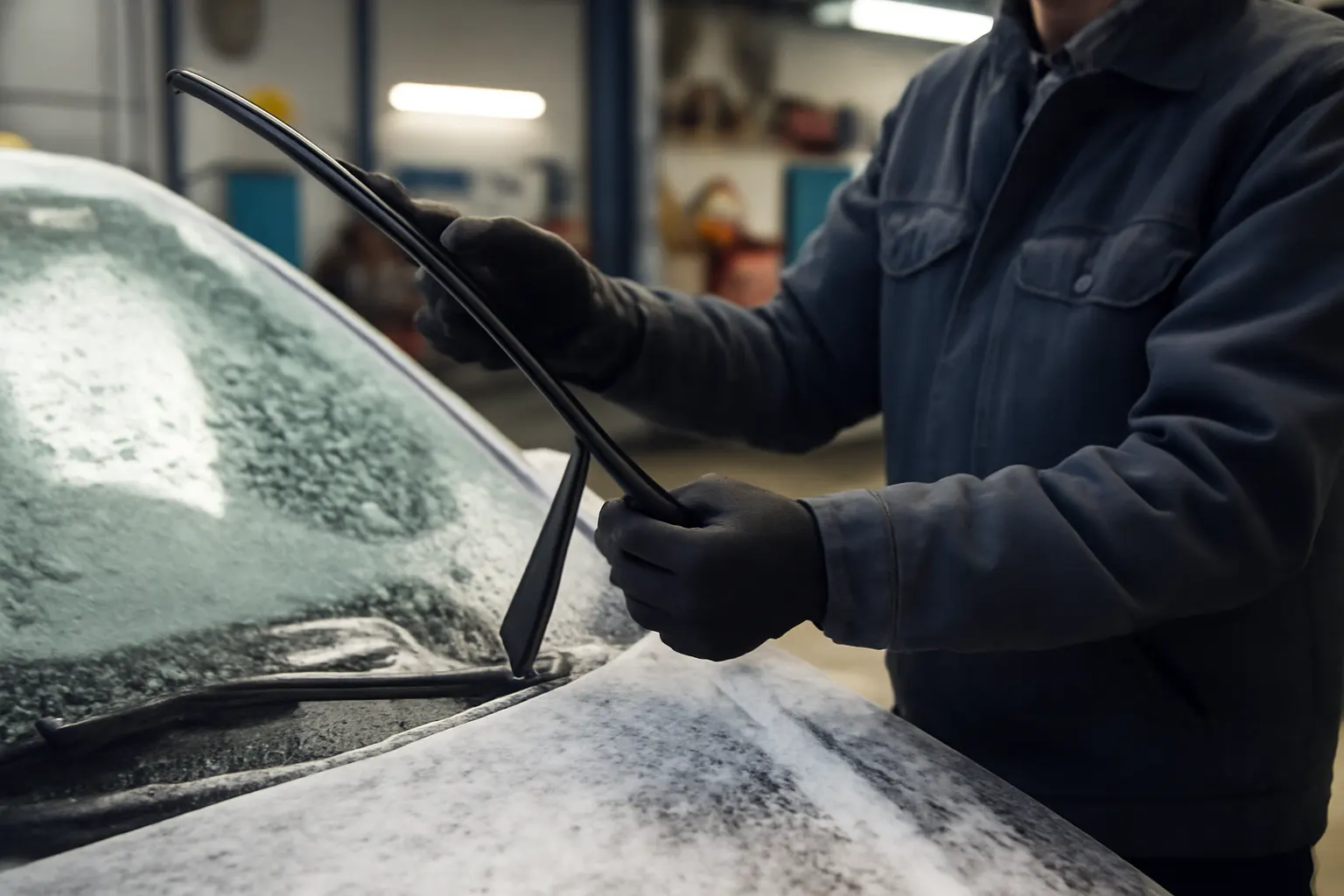
- Inspect Seasonally: Check for rust, bends, and tension at the start and end of winter, when arms are most stressed.
- Avoid Force: Never use the wiper arm as leverage when scraping ice or snow; always clear heavy buildup before operating the wipers.
- Lubricate Pivots: Apply a small amount of silicone-based lubricant to the pivot points annually to prevent seizing.
For winter-specific care strategies, see our Winter Prep: Caring for Your Wiper Arms article.
Choosing the Right Replacement Wiper Arm
Not all wiper arms are created equal. When sourcing a replacement, consider these factors:
- OEM vs. Aftermarket: OEM arms guarantee fitment but may cost more. Quality aftermarket options can offer equal performance if they meet SAE standards 1.
- Material Selection: Steel arms offer strength, while aluminum or composite arms provide corrosion resistance and lighter weight.
- Connection Type: Verify the mounting style—hook, pin, or bayonet—to ensure compatibility with your wiper linkage and blade.
Consult the Wiper Arm Replacement, Fitment & Technical Guide | AutoPartEx for a detailed breakdown of types and fitment considerations.
When to Replace the Wiper Blade vs. the Wiper Arm
It’s common to blame streaking or poor wiping on the blade alone, but persistent issues after blade replacement often indicate arm failure. Use this quick reference:
| Symptom | Likely Cause | Action |
|---|---|---|
| Streaking everywhere | Worn blade | Replace blade |
| Streaking in patches | Weak/bent arm | Inspect/replace arm |
| Blade skips/chatter | Weak arm or blade | Inspect both |
| Incomplete sweep | Arm/motor issue | Inspect arm & motor |
| Blade lifts at speed | Weak arm tension | Replace arm |
If in doubt, replace both the blade and arm together for a complete refresh of your wiper system.
The Impact of Wiper Arm Condition on Safety and Efficiency
Neglecting wiper arm condition can have far-reaching consequences. Inadequate wiper performance not only compromises visibility but can also lead to increased driver fatigue and stress during inclement weather. The NHTSA highlights that equipment failures—including wiper system malfunctions—are a contributing factor in preventable accidents 2.
Furthermore, a properly functioning wiper system supports fuel efficiency by reducing the need for frequent windshield cleaning stops and preventing the buildup of contaminants that can impede sensor-based driver assistance systems 3. Keeping your wiper arms in top condition is a simple yet powerful way to enhance both safety and efficiency.
Advanced Diagnostic: When Wiper Motor or Linkage Is to Blame
If new arms and blades fail to resolve wiping issues, the problem may lie deeper in the system. Worn or stripped linkage, failing wiper motor, or damaged mounting splines can mimic wiper arm symptoms. For a systematic approach to troubleshooting, refer to our Wiper System Diagnostics: Troubleshooting Poor Visibility.
AutoPartEx: Your Partner for Reliable Wiper Arm Solutions
At AutoPartEx, we understand that clear vision is non-negotiable. Our curated inventory of OEM and high-quality aftermarket wiper arms is engineered for exact fitment, durability, and compliance with industry standards. Our technical guides, such as the Wiper Arm Replacement, Fitment & Technical Guide | AutoPartEx, empower you to make informed decisions every step of the way.
From diagnosis to installation, our expert team is dedicated to helping you restore your wiper system’s performance and keep you safe in all conditions. Don’t wait for the next storm to expose a hidden problem—inspect your wiper arms today and replace them at the first sign of wear.
References
- Vehicle Safety and Equipment – National Highway Traffic Safety Administration
- Materials Technologies – United States Department of Energy
- SAE Standards – SAE International
Footnotes
Advertisement