Advertisement
Rear wiper systems are essential for maintaining rearward visibility in all weather conditions, yet electrical issues are among the most frequent reasons for malfunction. If your rear wiper motor is intermittent, non-responsive, or behaving erratically, there are several typical electrical faults to consider. This comprehensive guide from AutoPartEx addresses the most common rear wiper motor electrical issues, their underlying causes, in-depth technical explanations, and proven troubleshooting strategies for reliable repair and replacement. For part-specific fitment and advanced guides, visit our Rear Wiper Motor Replacement & OEM Fitment category.
Immediate Answer: Diagnosing Rear Wiper Motor Electrical Faults
When a rear wiper fails, the most likely culprits are electrical in nature. The most common electrical issues include:
- Blown fuses or faulty relays
- Corroded or loose wiring connections
- Failed wiper motor or internal motor circuit
- Defective wiper switch or control module
- Grounding issues within the rear hatch or tailgate
A systematic approach—starting with the fuse box and moving through the wiring, switch, and motor—will typically isolate the problem. Many rear wiper issues can be resolved with basic electrical testing and part replacement, but overlooking less obvious faults can lead to persistent problems.
The Hidden Problem: Overlooked Electrical Faults Lead to Recurring Failures
While blown fuses or a dead motor are obvious, many rear wiper problems stem from subtle or intermittent electrical issues. Moisture intrusion, connector corrosion, and flexing wires in the hatch harness can cause failures that seem to resolve temporarily, only to return unexpectedly. These hidden faults are often missed during quick visual checks, resulting in repeated part replacements or unreliable wiper operation.
Additionally, modern vehicles with multiplexed wiring and body control modules present new diagnostic challenges. A failed rear wiper can also be symptomatic of a larger electrical problem, such as a compromised ground path or a malfunctioning control module affecting multiple systems.
Deep Dive: Technical Explanations for Common Rear Wiper Electrical Issues
Understanding the technical aspects of rear wiper motor systems is crucial for effective troubleshooting. Here’s a breakdown of how these systems operate and where electrical issues typically arise:
The Rear Wiper Electrical Circuit
Most rear wiper systems are composed of:
- Wiper switch (often integrated with the stalk or dash)
- Relay or control module
- Fuse (dedicated or shared with other accessories)
- Rear wiper motor assembly
- Wiring harness (including flex points in the tailgate or hatch)
- Ground points (often shared with other rear electrical accessories)
When the switch is activated, current flows through the fuse and relay to the motor, which then powers the wiper arm. The circuit is completed by a ground path, which is susceptible to corrosion and mechanical stress, especially in hatchbacks and SUVs.
Common Points of Failure
- Fuses & Relays: Sudden power surges or motor overloads can blow fuses or damage relays. Relays may also fail due to worn contacts or internal corrosion.
- Connectors & Wiring: Moisture, road salt, and repeated flexing can corrode or break wires, especially at harness entry points into the tailgate.
- Wiper Switches: Internal contacts can wear out, leading to intermittent or no operation.
- Wiper Motor: The motor itself may fail due to internal wear, burned windings, or water ingress.
- Ground Connections: Rust or loose bolts at ground points can disrupt current flow, causing slow or non-functioning wipers.
Step-by-Step Checklist: Diagnosing Rear Wiper Electrical Issues
Use this practical checklist to systematically diagnose rear wiper electrical faults:
- Check the Rear Wiper Fuse
- Locate the fuse box (see owner's manual).
- Inspect the wiper fuse for continuity.
- Replace any blown fuse with the correct amperage.
Advertisement
-
Test the Rear Wiper Relay
- Listen for a clicking sound when the wiper switch is activated.
- Swap the relay with a known good one if possible.
- Test relay terminals for voltage and continuity.
-
Inspect Wiring and Connectors
- Examine wiring at the tailgate flex point for fraying or breaks.
- Check connectors for corrosion or looseness.
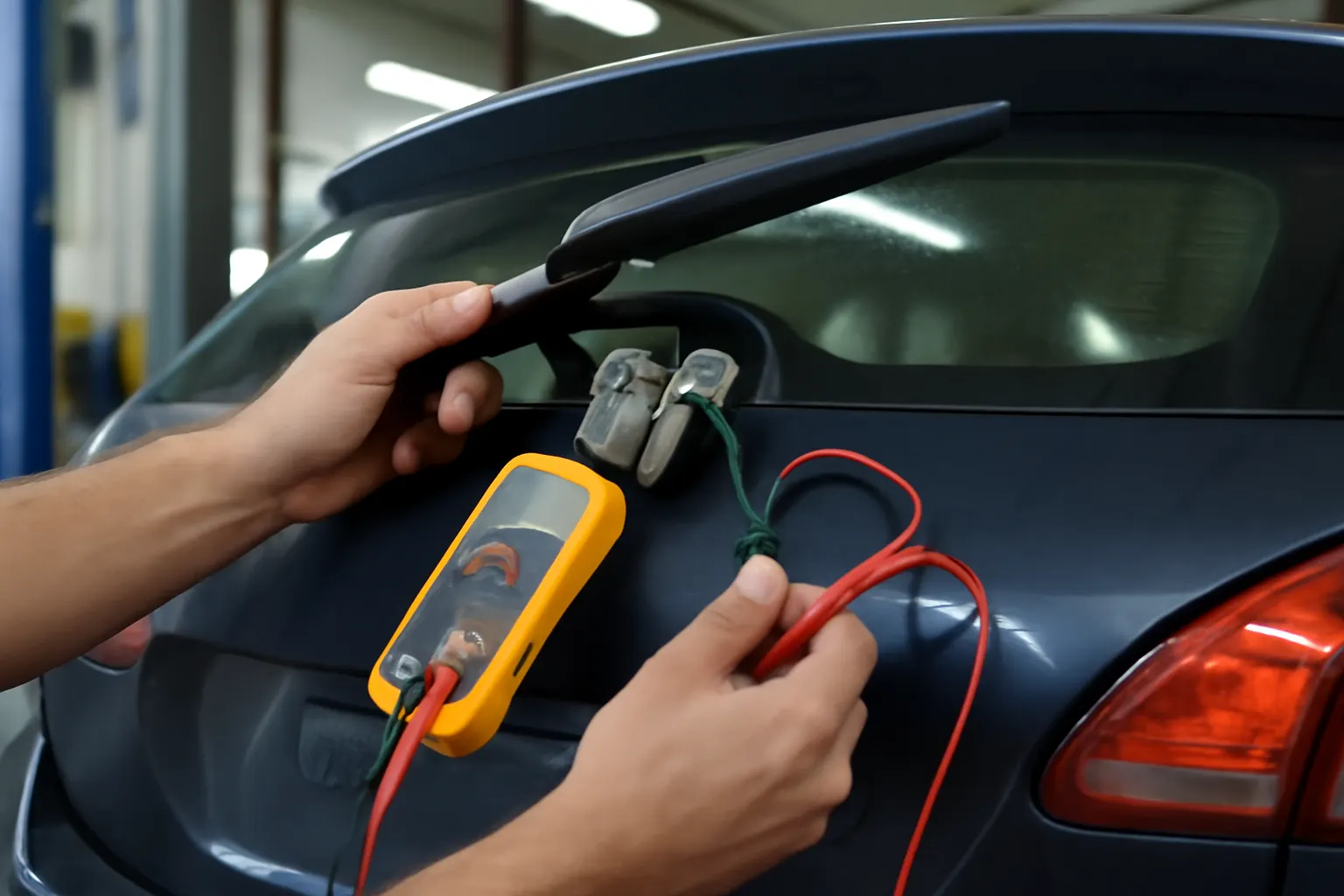
- Use a multimeter to verify voltage at the motor connector.
-
Test the Wiper Switch
- Confirm switch operation by checking for continuity at various positions.
- Inspect for physical damage or sticky movement.
-
Verify Ground Connections
- Locate the ground point near the rear hatch.
- Clean off any corrosion and tighten mounting bolts.
- Test resistance between ground point and chassis.
-
Test the Wiper Motor
- Apply direct battery voltage to the motor terminals.
- If the motor runs, the issue is upstream (wiring/switch).
- If not, the motor is likely faulty and needs replacement.
Fuse and Relay Issues: Symptoms and Solutions
Fuses and relays act as the first line of defense for the rear wiper electrical circuit. A blown fuse is often the result of a temporary overload, possibly from a jammed wiper arm or a short circuit in the motor windings. Similarly, a failing relay may click but not deliver current, or it may fail silently.
Symptoms:
- Rear wiper does not operate at all.
- No sound or movement when the wiper switch is activated.
- Other accessories on the same circuit may also fail.
Solution:
- Replace blown fuses with the manufacturer-specified amperage.
- Test and replace relays as needed.
- Investigate for underlying causes such as binding wiper arms before resetting the circuit.
Wiring and Connector Failures: The Impact of Moisture and Flexing
Wiring issues are especially common in hatchbacks and SUVs, where the harness flexes every time the hatch or tailgate is opened. Over time, this can cause:
- Broken or frayed wires inside the insulation.
- Corroded connectors from moisture intrusion.
- Loose pins due to vibration or incomplete insertion.
Symptoms:
- Intermittent wiper operation.
- Wiper works only when the hatch is moved or slammed.
- Visible green or white corrosion on connectors.
Solution:
- Inspect and repair or replace damaged wiring.
- Clean corroded connectors with electrical contact cleaner.
- Apply dielectric grease to prevent future corrosion.
- Secure all connectors firmly.
For more on preventing water-related issues in rear wiper systems, see Preventing Moisture Damage in Rear Wiper Systems.
Wiper Switch and Control Module Failures
The wiper switch is the user interface for the system. In modern vehicles, the switch may send a signal to a body control module (BCM) rather than directly powering the motor. Faults can include:
- Worn contacts inside the switch resulting in intermittent operation.
- Failed BCM output due to software or hardware faults.
- Signal loss in multiplexed wiring systems.
Symptoms:
- Wiper does not respond to switch input.
- Wiper operates only in certain positions.
- Other rear electrical accessories malfunction simultaneously.
Solution:
- Test the switch for continuity at all positions.
- Scan BCM for diagnostic trouble codes (DTCs) using an OBD-II scanner.
- Replace faulty switches or modules as indicated.
Grounding Issues: The Invisible Culprit
Ground faults are notorious for causing elusive electrical problems. A poor ground can cause:
- Slow or weak wiper movement
- Motor only works intermittently
- Wiper stops mid-sweep
These issues often worsen in wet or salty environments, as ground points corrode or loosen.
Solution:
- Locate the rear wiper ground (often near the hatch latch).
- Remove and clean both the connector and chassis contact area.
- Reinstall securely and protect with dielectric grease.
Rear Wiper Motor Failures: When Replacement is Necessary
If all upstream electrical components check out, the motor itself may be at fault. Common internal failures include:
Advertisement
- Burned-out windings
- Worn brushes
- Seized bearings due to water ingress
Symptoms:
- Motor does not run even with direct battery power.
- Audible grinding, buzzing, or no sound at all.
- Motor gets hot without moving the arm.
Solution:
- Replace the motor with an OEM-fit unit.
- Verify compatibility with your vehicle model.
- For installation tips, see How to Diagnose and Replace a Rear Wiper Motor.
Advanced Diagnostics: Multiplexed and CAN-Bus Systems
Modern vehicles often use multiplexed wiring or CAN-bus systems to reduce weight and increase functionality. In these setups:
- The wiper switch sends a digital signal to a central module.
- The module interprets the signal and energizes the motor relay.
Diagnostic Tips:
- Use a scan tool to read body control module (BCM) data and DTCs.
- Check for software updates or recalls affecting rear wiper operation.
- Confirm that communication lines (CAN-high, CAN-low) are intact.
Note: If multiple rear electrical systems fail simultaneously, suspect a shared control module or ground.
Preventative Maintenance: Keeping Rear Wiper Electrical Systems Reliable
Routine maintenance can prevent many common electrical failures:
- Inspect and clean connectors annually, especially before wet seasons.
- Check harness flex points for wear every oil change.
- Lubricate wiper arm pivots to reduce motor strain.
- Replace wiper blades regularly to prevent overload from stuck blades. See Wiper Blade Selection and Care for more.
- Protect exposed wiring with split loom or tape.
Sourcing Quality Rear Wiper Motors and Electrical Parts
When replacement is necessary, sourcing the correct part is critical for safety and reliability. Consider the following:
- OEM Fitment: Ensure the replacement motor matches your vehicle’s year, make, and model.
- Quality Assurance: Look for parts that meet or exceed SAE Standards for performance and durability.
- Compatibility: Use fitment guides or VIN lookup tools to avoid mismatches.
- Warranty: Choose reputable suppliers that offer strong support.
For a curated selection of rear wiper motors and fitment advice, visit the Rear Wiper Motor Replacement & OEM Fitment section at AutoPartEx.
Safety and Regulatory Considerations
Reliable rear wiper operation is not just a convenience—it’s a critical safety feature. The National Highway Traffic Safety Administration underscores the importance of functional wiper systems for safe driving in inclement weather. Non-functioning rear wipers can reduce visibility and increase accident risk, especially in SUVs, hatchbacks, and wagons.
Additionally, some manufacturers issue recalls for defective wiper motors, switches, or wiring harnesses. Always check for open recalls affecting your vehicle at the NHTSA Recall Database.
When to Seek Professional Help
While many electrical issues can be diagnosed and repaired with basic tools, complex wiring faults or control module problems may require professional expertise. If you encounter:
- Persistent electrical issues after replacing components
- Multiple systems failing simultaneously
- Diagnostic trouble codes (DTCs) you cannot clear
Consult a certified technician with advanced diagnostic equipment. Professional repair ensures compliance with safety standards and prevents further damage.
AutoPartEx: Your Partner in Rear Wiper System Reliability
At AutoPartEx, our mission is to empower vehicle owners and technicians with the best parts, diagnostic information, and step-by-step guides. Our extensive catalog of OEM-fit rear wiper motors and electrical components is backed by technical support and fast shipping. Whether you’re maintaining a daily driver or restoring a classic, trust AutoPartEx for reliable parts and expert advice.
Explore our Rear Wiper Motor Replacement & OEM Fitment page for model-specific solutions, or dive deeper with our How to Diagnose and Replace a Rear Wiper Motor editorial.
Conclusion: Ensuring Reliable Rear Wiper Operation
Rear wiper electrical issues are common but rarely unsolvable. By understanding the typical failure points—fuses, relays, wiring, switches, motors, and grounds—you can systematically diagnose and repair most problems. Preventative maintenance and quality parts selection will ensure your rear wiper system remains reliable, keeping you safe and your visibility clear in all conditions.
For more detailed troubleshooting, maintenance, and part selection advice, rely on AutoPartEx as your trusted automotive resource.
References
Advertisement