
Wiper Motor, Rear
Rear Wiper Motor: Key Considerations and Reliable Choices
Rear wiper motors are often overlooked until a rainy day reveals their importance. Many drivers don’t realize how critical a functioning rear wiper is for visibility and safety, especially in adverse weather. This guide explores the unique challenges of rear wiper motor issues, how to diagnose them, and what to look for when selecting a replacement. We’ll also examine published evidence and provide practical steps to ensure your rear wiper system keeps you safe and confident on the road.


More Wiper Motor, Rear options
Filtering for Wiper Motor, RearBrowse nearby inventory for this category without leaving the page. Use search to filter by price, part number, or city.
No Data Available
Please check back soon when more inventory is available for this part.
Rear Wiper Motor: Key Considerations and Reliable Choices
Why Rear Wiper Motors Deserve More Attention
Most vehicle owners focus on the front windshield wipers, rarely giving a second thought to the rear wiper motor—until it fails at the worst possible moment. The rear wiper is a vital component for maintaining clear visibility in rain, snow, or when road grime accumulates on your rear window. Yet, its importance is often underestimated, leading to delayed maintenance or overlooked warning signs. This neglect can compromise safety and make driving in inclement weather unnecessarily hazardous.
Rear wiper motors are subject to unique stresses compared to their front counterparts. They often operate less frequently, which can lead to internal corrosion or seizing, especially if the vehicle is parked outdoors for extended periods. Additionally, the rear wiper system is more exposed to environmental elements like salt, dust, and debris kicked up from the road. These factors can accelerate wear and tear, making it essential to pay attention to early signs of malfunction.
One overlooked consideration is the impact of a non-functional rear wiper on your overall driving experience. Reduced rear visibility not only affects your ability to reverse safely but also impairs your awareness of surrounding traffic. For vehicles with large rear windows or hatchbacks, this can be particularly problematic. Recognizing the significance of the rear wiper motor is the first step toward maintaining a safer, more reliable vehicle, especially in regions with frequent precipitation or challenging road conditions.

Understanding Rear Wiper Motor Issues and Their Impact
A malfunctioning rear wiper motor can manifest in several ways, from complete failure to intermittent operation or unusual noises during use. These symptoms often go unnoticed until the rear window becomes obscured at a critical moment. Drivers may assume the issue lies with the wiper blade itself, overlooking the possibility of a failing motor. This misdiagnosis can lead to repeated, ineffective blade replacements while the underlying problem persists.
The rear wiper system is more than just a convenience—it’s a crucial safety feature. Impaired rear visibility increases the risk of accidents, particularly when merging, reversing, or driving in heavy rain. For SUVs, hatchbacks, and wagons, the rear wiper is essential due to the larger surface area of the rear window and the tendency for dirt and moisture to accumulate quickly. Ignoring rear wiper motor issues can compromise both driver and passenger safety.
Diagnosing rear wiper motor problems requires a systematic approach. Common causes include electrical faults, worn-out motor brushes, or mechanical binding within the linkage. In some cases, a blown fuse or faulty relay may be to blame, but persistent issues often point to internal motor failure. Environmental factors, such as exposure to moisture and road salt, can accelerate corrosion and lead to premature motor failure, especially in regions with harsh winters.
Another challenge is distinguishing between a failing motor and related issues, such as a seized wiper arm or damaged wiring. A motor that hums but doesn’t move the wiper arm may indicate a mechanical obstruction, while complete silence could suggest an electrical problem or total motor failure. Accurate diagnosis is essential to avoid unnecessary part replacements and ensure the correct solution is implemented.
Rear wiper motor issues can also be complicated by limited access in certain vehicle designs. Some models require removal of interior trim panels or rear hatch components to access the motor, increasing the complexity and labor cost of repairs. This can deter owners from addressing the issue promptly, leading to further deterioration and potential damage to related components, such as the wiper linkage or rear window glass.
Finally, the lack of awareness about rear wiper motor recalls or service bulletins can leave owners uninformed about known defects or manufacturer remedies. While front wiper systems often receive more attention in recall campaigns, rear wiper motors may not be as thoroughly documented. Checking for recalls and understanding the specific issues affecting your vehicle model is a critical step in resolving rear wiper motor problems effectively. For more on diagnosing these issues, see the guide on Diagnosing Rear Wiper System Failures.
Practical Steps for Diagnosing and Replacing Rear Wiper Motors
When faced with a rear wiper motor issue, the first step is to conduct a thorough inspection of the entire wiper system. Begin by checking the fuse and relay associated with the rear wiper circuit, as a blown fuse or faulty relay can mimic motor failure. If these components are in working order, proceed to test the rear wiper switch and wiring for continuity. Intermittent operation or a complete lack of response often points to an electrical issue within the motor or its connections.
Next, observe the rear wiper’s behavior during operation. If the motor runs but the wiper arm does not move, inspect the linkage for signs of binding, corrosion, or detachment. A seized or stripped linkage can prevent the wiper arm from moving even if the motor is functioning. Conversely, if the motor is silent and there is no movement, it may indicate a failed motor or a broken internal component. In such cases, removal and bench testing of the motor can help confirm the diagnosis.
Before purchasing a replacement rear wiper motor, verify the exact make, model, and year of your vehicle. Rear wiper motors are often specific to particular vehicle designs, and incorrect fitment can lead to installation difficulties or improper operation. Consult your owner’s manual or a reputable parts catalog to ensure compatibility. If possible, compare the old motor with the new unit before installation to confirm matching mounting points and electrical connectors. For more on selecting the right part, review the Wiper Motor, Rear catalog.
When selecting a replacement motor, consider the type of part being offered: new, remanufactured, or salvage. New motors typically offer the highest reliability but may come at a premium price. Remanufactured or rebuilt units are often more affordable and can provide comparable performance if sourced from a reputable supplier. Salvage motors, taken from other vehicles, may be suitable for budget repairs but carry a greater risk of unknown wear or hidden defects. The FTC: Auto Repair Basics advises understanding the differences and getting warranty terms in writing.
Installation of a rear wiper motor usually involves removing interior trim panels to access the mounting bolts and electrical connectors. Carefully disconnect the battery before beginning work to prevent accidental short circuits. Follow manufacturer instructions or a trusted repair guide to avoid damaging fragile plastic clips or wiring harnesses. Proper alignment of the wiper arm during reassembly is crucial to ensure full sweep and prevent interference with the rear window or bodywork. For a detailed walkthrough, see Rear Wiper Motor Replacement: Step-by-Step Guide.
After installation, test the rear wiper system in all available modes, including intermittent and continuous operation. Listen for unusual noises, such as grinding or excessive motor strain, which may indicate improper installation or a defective replacement part. Confirm that the wiper arm parks correctly and does not over-travel, as misalignment can cause premature wear or damage to the motor and linkage. Address any issues immediately to prevent further complications.
Preventative maintenance can extend the life of your new rear wiper motor. Regularly inspect the wiper arm and blade for signs of wear, and replace them as needed to reduce strain on the motor. Keep the rear window clean and free of debris to minimize resistance during operation. Periodically check the motor mounting and electrical connections for signs of corrosion or loosening, especially if your vehicle is exposed to harsh weather conditions. For a comprehensive checklist, consult Preventative Maintenance: Your Wiper System Checklist.
If you encounter persistent issues after replacing the rear wiper motor, consider seeking a second opinion from a qualified technician. The FTC: Auto Repair Basics recommends obtaining a written repair estimate and verifying the technician’s experience with your specific vehicle model. Document all repair work and keep receipts for future reference, especially if warranty claims or further diagnostics become necessary. This approach ensures transparency and helps protect your investment in the long run.
Published Evidence and Guidance for Rear Wiper Motor Repairs
The National Highway Traffic Safety Administration (NHTSA) provides a comprehensive overview of the recall process and the importance of checking for open recalls related to vehicle components, including rear wiper motors. According to the NHTSA: Vehicle Recalls, owners can use their vehicle identification number (VIN) to search for unrepaired recalls that may affect their specific vehicle. This resource emphasizes that while searching by make and model can reveal general recall trends, only a VIN-based search confirms whether a particular vehicle is subject to an active recall. This distinction is crucial, as not all rear wiper motor issues are covered by recalls, and a lack of recall does not guarantee the absence of defects.
The NHTSA document further outlines the process by which complaints from vehicle owners can lead to investigations and, if warranted, safety recalls. Reporting a rear wiper motor failure to NHTSA can contribute to broader defect investigations, potentially resulting in manufacturer-provided remedies such as free repairs or replacements. However, the document clarifies that not all complaints result in recalls, and the presence of a recall is not proof that every vehicle of that model year is affected. Owners are advised to check regularly for updates, as recall information is continuously updated and may not be immediately available for recently announced campaigns.
The FTC: Auto Repair Basics offers general consumer advice on obtaining repair estimates, understanding part types, and verifying technician qualifications. While not specific to rear wiper motors, this guidance is directly relevant when selecting a replacement motor or choosing a repair shop. The FTC recommends getting a written estimate that details the condition to be repaired, the parts required, and anticipated labor charges. This practice helps prevent misunderstandings and ensures that consumers are fully informed before authorizing repairs.
The FTC also distinguishes between new, remanufactured, and salvage parts, advising consumers to understand the implications of each choice. New parts generally offer the highest reliability, while remanufactured or rebuilt components can provide a cost-effective alternative if sourced from reputable suppliers. Salvage parts, though less expensive, may carry unknown risks due to prior use. The FTC stresses the importance of obtaining warranty terms in writing, as there is no standard warranty on repairs or parts. This advice is particularly pertinent for rear wiper motor replacements, where part quality and warranty coverage can vary significantly between suppliers.
Neither the NHTSA nor the FTC documents provide model-specific technical specifications or repair outcomes for rear wiper motors. Instead, they offer frameworks for consumers to verify recall status, assess repair shop recommendations, and understand the types of replacement parts available. For vehicle owners, this means that due diligence—such as comparing part numbers, consulting the owner’s manual, and seeking second opinions—is essential to ensure a successful repair. These sources underscore the importance of evidence-based decision-making rather than relying solely on anecdotal advice or generic recommendations.
The NHTSA recall lookup tool does not confirm compatibility or guarantee that a particular rear wiper motor will resolve all issues. It serves as a valuable resource for identifying known safety defects and manufacturer remedies but should be used in conjunction with other diagnostic and selection steps. Similarly, the FTC’s guidance on repair estimates and part selection is intended to empower consumers to make informed choices, not to prescribe specific solutions for every situation. By combining these resources with hands-on diagnostic procedures and reputable parts catalogs, vehicle owners can address rear wiper motor issues with greater confidence.
In summary, the published evidence highlights the importance of proactive research and documentation when addressing rear wiper motor problems. While NHTSA and FTC resources provide essential guidance on recalls, repair practices, and part selection, they do not substitute for a thorough diagnosis or guarantee a particular outcome. Vehicle owners are encouraged to leverage these tools, consult professional repair guides, and seek expert advice as needed to ensure the reliability and safety of their rear wiper systems. For further information on rear wiper motor replacement and maintenance, refer to the internal guides linked throughout this article.
Take the Next Step: Ensure Your Rear Wiper System Is Ready
Don’t wait for the next downpour to discover your rear wiper motor isn’t up to the task. Take a proactive approach by checking your vehicle’s recall status, reviewing repair options, and selecting the right replacement part for your needs. Use the resources and guides linked here to make informed decisions and maintain clear rear visibility in all conditions. Your safety and peace of mind are worth the effort—start your rear wiper motor inspection or replacement today.
References
- NHTSA: Vehicle Recalls
- FTC: Auto Repair Basics
References
- NHTSA: Vehicle Recalls - NHTSA, accessed 2026-11-01
- FTC: Auto Repair Basics - FTC, accessed 2026-11-01
Related Guides & Articles

Rear Wiper Motor Replacement: Step-by-Step Guide
A malfunctioning rear wiper motor can compromise your visibility and safety during rain, snow, or dust storms. If your hatchback or SUV’s rear wiper is slow, erratic, or completely nonfunctional, a rear wiper motor replacement is often required. This comprehensive guide walks you through diagnostics, sourcing, and the step-by-step replacement process. Whether you’re a seasoned DIYer or tackling your first repair, you’ll find everything you need here for a successful, safe rear wiper motor replacement.
View Guide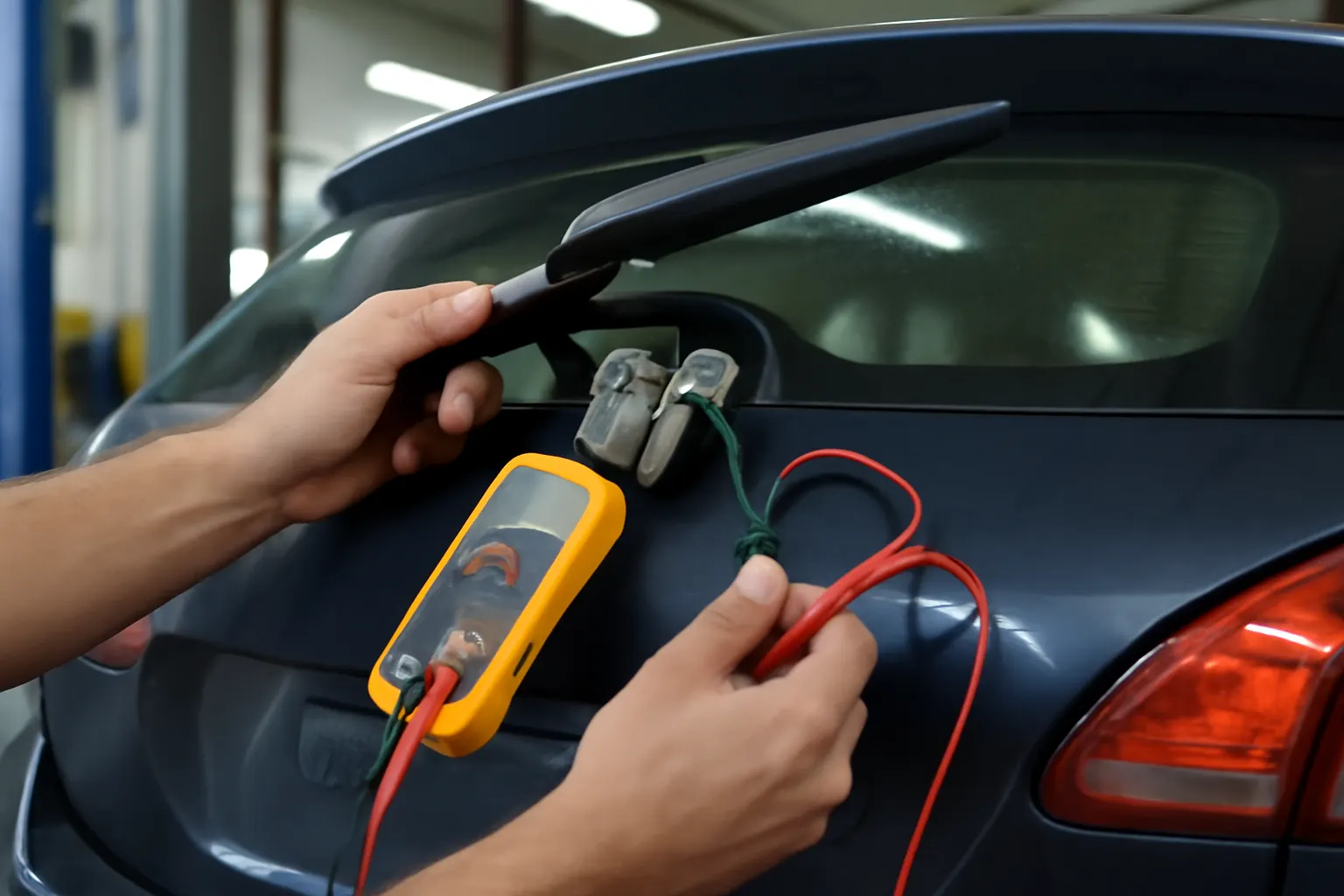
Diagnosing Rear Wiper System Failures
Rear wipers play a crucial role in maintaining safe driving conditions by ensuring a clear view through the rear window. While front wipers receive regular attention, rear wiper systems are often neglected until a failure occurs. According to the National Highway Traffic Safety Administration (NHTSA), proper equipment maintenance—including wiper systems—is fundamental for vehicle safety and compliance with federal standards .
Read More
Wiper Arm and Blade Selection Guide
Wiper arms and blades are often overlooked until visibility becomes compromised. Yet, incorrect selection can lead to streaks, chatter, skipped areas, or even damage to the windshield and wiper system. Vehicle manufacturers and safety regulators like the National Highway Traffic Safety Administration (NHTSA) emphasize the importance of proper wiper maintenance and replacement as a key safety measure for all drivers (NHTSA, Equipment). Even minor incompatibilities can impact visibility in critical moments, especially during heavy rain, snow, or dust.
View Guide
Preventative Maintenance: Your Wiper System Checklist
Rear wiper systems are often overlooked during routine maintenance, yet they play a pivotal role in ensuring safe driving, especially in adverse weather. The National Highway Traffic Safety Administration (NHTSA) highlights that impaired visibility is a significant factor in many traffic incidents, and rear visibility is no exception. A neglected wiper system can lead to smeared glass, incomplete sweeps, or total wiper failure—each of which compromises your ability to see and be seen.
Read More