Advertisement
Why Rear Wiper Motors Fail: Common Causes and Prevention
Rear wiper motors are essential for maintaining clear rear vision in all weather conditions, ensuring both safety and comfort for drivers. Yet, rear wiper motor failures are surprisingly common across a wide range of vehicles. If your rear wiper has stopped working, is moving sluggishly, or is making unusual noises, you’re not alone. Understanding the most frequent causes of rear wiper motor failure—and how to prevent them—can help you avoid inconvenient and potentially hazardous situations on the road. This guide from AutoPartEx delivers immediate answers, uncovers hidden issues, and provides a deep technical dive into rear wiper motor reliability, maintenance, and replacement.
For a comprehensive overview of rear wiper motor features and fitment, visit our Rear Wiper Motor: Precision, Performance, and Reliability for Clear Rear Vision category page.
The Immediate Answer: Why Do Rear Wiper Motors Fail?
Rear wiper motors typically fail due to one or more of the following root causes:
- Water ingress and corrosion within the motor or connector
- Mechanical binding of the wiper linkage or pivot points
- Electrical issues such as blown fuses, faulty relays, or wiring failures
- Excessive load from frozen or obstructed wiper arms
- Wear and tear of internal gears, brushes, or bearings
Recognizing these causes early can help you take action before a minor issue becomes a major failure. Proactive maintenance and prompt diagnostics are key to extending the lifespan of your rear wiper system.
Hidden Problem: Rear Wiper Motor Failure Is Often a Symptom, Not Just a Cause
It’s easy to blame a non-functioning rear wiper on the motor itself, but in many cases, the failure is a symptom of broader issues within the wiper system or vehicle. For example:
- Chronic water leaks from rear window seals can allow moisture to corrode electrical contacts, affecting not just the wiper motor but also rear lighting and sensors.
- Stiff or seized wiper linkages can overload even new motors, leading to repeated failures.
- Electrical supply issues—such as a poor ground or intermittent power—can mimic motor failure and cause erratic operation.
By understanding rear wiper motor failure as part of a larger system, you can avoid misdiagnosis, unnecessary part replacements, and recurring problems.
Deeper Technical Explanation: Anatomy of a Rear Wiper Motor System
To effectively diagnose and prevent rear wiper motor failure, it’s important to understand how the system works. The typical rear wiper motor assembly consists of:
- DC Electric Motor: Converts electrical energy into rotational force.
- Gear Reduction Mechanism: Reduces motor speed and increases torque for wiper movement.
- Output Shaft/Pivot: Transfers motion to the wiper arm.
- Limit Switches and Park Sensors: Ensure the wiper returns to its home position.
- Electrical Connectors and Wiring Harness: Deliver power and control signals from the vehicle’s body control module or dedicated wiper relay.
Modern rear wiper motors are designed for durability, using advanced materials and sealed housings to resist corrosion and wear. However, exposure to harsh weather, road salt, and mechanical stress can still lead to premature failure, especially if underlying vehicle issues go unaddressed.
Common Causes of Rear Wiper Motor Failure
Let’s break down the most frequent reasons rear wiper motors stop working, based on industry data and engineering standards:
1. Water Ingress and Corrosion
Rear wiper motors are mounted in exposed locations—often beneath liftgates or tailgates—where they are vulnerable to rain, car washes, and condensation. If the motor housing or electrical connector seal fails, moisture can enter, causing:
- Corrosion of internal contacts: Reduces electrical conductivity, leading to intermittent or total failure.
- Rust on gears or bearings: Increases mechanical resistance, overloading the motor.
- Short circuits: Damages motor windings or vehicle fuses.
2. Mechanical Binding or Seized Linkages
The wiper arm and linkage assembly can stiffen or seize due to:
- Lack of lubrication: Bushings and pivots dry out over time.
- Accumulation of debris: Dirt, leaves, and ice can block the wiper’s path.
- Bent or damaged components: Impacts or improper installation can misalign the linkage.
A binding linkage forces the motor to work harder, drawing excessive current and accelerating wear.
3. Electrical Supply Issues
Rear wiper motors rely on a stable electrical supply. Common faults include:
Advertisement
- Blown fuses or faulty relays: Interrupt power to the motor.
- Broken or corroded wires: Especially common in hatchback vehicles with flexible harnesses at the hinge.
- Bad ground connections: Cause voltage drops and weak motor operation.
4. Excessive Load and Obstructions
Trying to operate the wiper with:
- Frozen blades: In winter, ice can glue the blade to the glass.
- Heavy snow or debris: Adds resistance beyond the motor’s design limits.
This can strip gears, burn out the motor, or cause relay/fuse failure.
5. Internal Wear and Tear
Even with ideal conditions, rear wiper motors experience:
- Brush and commutator wear: Reduces motor efficiency and lifespan.
- Gear wear: Plastic gears can strip, especially if overloaded.
- Bearing failure: Leads to noisy or sluggish operation.
Early Warning Signs of Rear Wiper Motor Failure
Catching rear wiper motor issues early is the best way to prevent a complete failure. Watch for these symptoms:
- Wiper moves slower than normal
- Intermittent operation or stops mid-sweep
- Unusual noises: Grinding, clicking, or buzzing from the rear hatch area
- Wiper does not return to park position
- Complete non-operation, even when switch is engaged
If you notice any of these, immediate inspection is recommended. For a detailed diagnostic workflow, see our Electrical Diagnostics for Rear Wiper Systems.
Diagnostic Checklist: Is It the Motor or Something Else?
Before replacing your rear wiper motor, use this step-by-step checklist to pinpoint the real cause:
| Step | Action | What to Look For |
|---|---|---|
| 1 | Test the Wiper Switch | Does the front wiper work? Is the rear switch responsive? |
| 2 | Check the Fuse and Relay | Inspect fuse box for blown fuses or faulty relays. Replace if needed. |
| 3 | Inspect Wiring and Connectors | Look for corrosion, loose pins, or damaged wires at the motor and along the hatch. |
| 4 | Listen for Motor Noise | If the motor hums but doesn’t move, linkage may be seized. If silent, check voltage. |
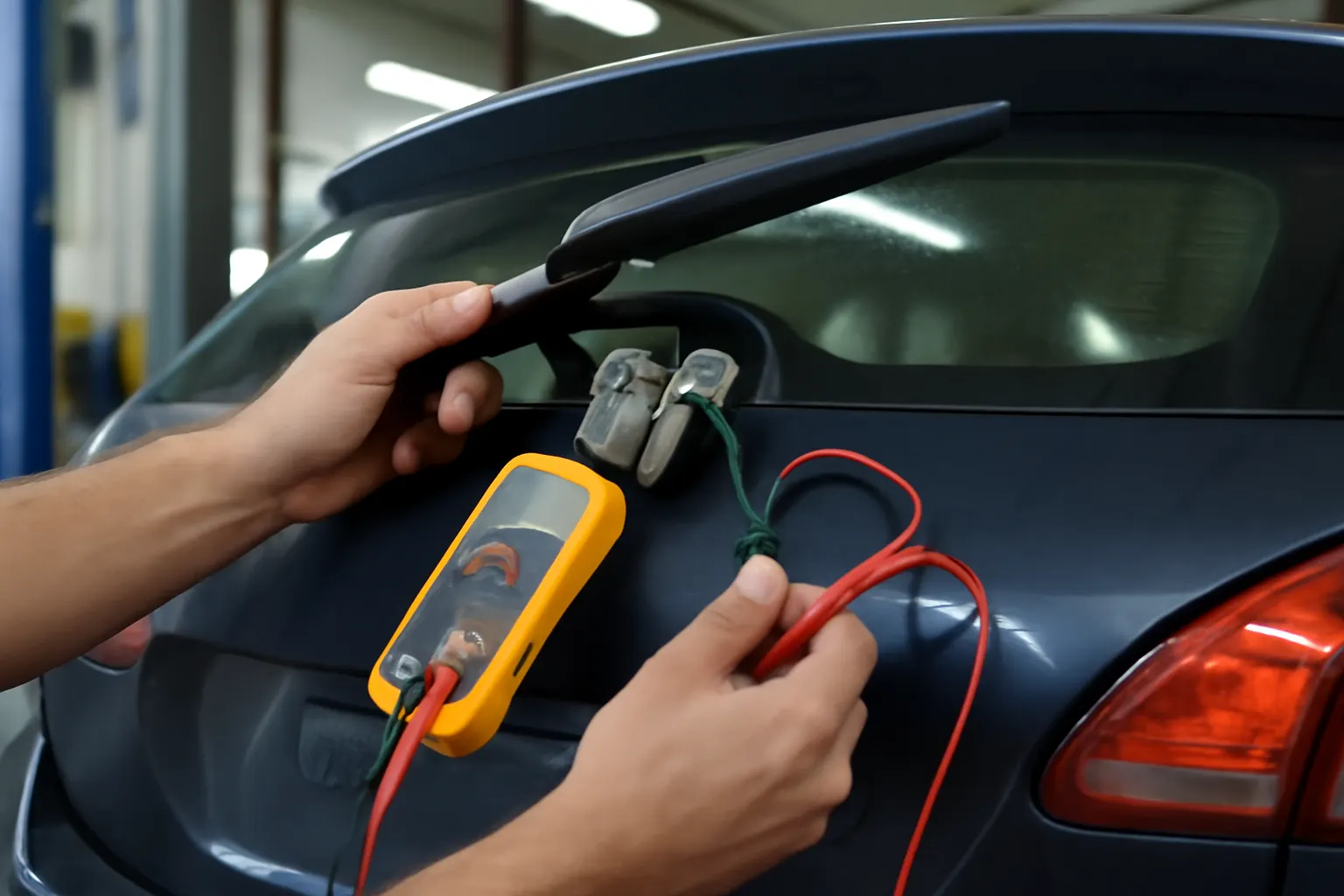
| 5 | Test for Power at the Motor | Use a multimeter to confirm 12V supply when the switch is on. |
| 6 | Manually Move the Wiper Arm | If stiff or stuck, linkage is binding. If smooth, likely motor or electrical issue. |
| 7 | Check for Water Ingress | Signs of moisture or rust around the motor housing or connector. |
| 8 | Inspect for Physical Damage | Look for bent arms, broken linkage, or cracked motor housing. |
A careful diagnostic process can save you time and money by avoiding unnecessary part replacements.
How to Prevent Rear Wiper Motor Failure
Preventive maintenance is the most effective way to extend the life of your rear wiper system. Here’s what you can do:
1. Keep the Rear Window and Wiper Area Clean
- Regularly remove dirt, leaves, and ice from the rear glass and wiper arm.
- In winter, gently free the blade before activating the wiper to avoid overload.
2. Inspect and Lubricate Linkages
- Apply silicone or lithium grease to wiper pivots and joints every 12 months.
- Check for free movement by manually lifting and moving the wiper arm.
3. Check Seals and Grommets
- Inspect the rubber grommet where wiring enters the hatch; replace if cracked.
- Ensure the motor housing is fully sealed and bolts are tight.
4. Address Electrical Issues Early
- If you notice flickering interior lights or intermittent wiper operation, check the ground and power connections.
- Replace worn wiring or corroded terminals promptly.
5. Replace Wiper Blades Regularly
- Old or torn blades increase drag and can cause linkage stress.
- Change rear wiper blades at least once a year, or more often in harsh climates.
The Role of Materials and Engineering in Rear Wiper Motor Longevity
Advances in automotive materials and engineering have improved rear wiper motor reliability, but not all motors are created equal. According to the United States Department of Energy’s Materials Technologies program, lightweight alloys, advanced plastics, and corrosion-resistant coatings enhance performance and durability. However, real-world exposure to salt, UV, and vibration still challenges these components.
Premium rear wiper motors often feature:
- Sealed bearings and weatherproof housings
- High-grade copper windings for efficient current flow
- Precision-molded gears to minimize backlash and wear
When selecting a replacement, prioritize OE-quality or reputable aftermarket brands that adhere to industry standards, such as those set by SAE International.
Advertisement
When to Replace vs. Repair: Making the Right Call
Not all rear wiper motor issues require full replacement. Here’s how to decide:
- Replace the motor if: It’s seized, internal gears are stripped, or you see signs of water damage or severe corrosion.
- Repair or service if: The issue is with external linkages, wiring, or minor corrosion on connectors.
- Replace the linkage or wiper arm if: They are bent or binding, but the motor runs freely when disconnected.
For a step-by-step replacement procedure, see our Rear Wiper Motor Replacement Guide.
Sourcing the Right Rear Wiper Motor: Fitment and Compatibility
Selecting the correct rear wiper motor for your vehicle is critical for performance and safety. Key considerations include:
1. Vehicle Make, Model, and Year
Rear wiper motor designs vary widely between manufacturers and even across model years. Always verify compatibility using your VIN or vehicle details.
2. Connector Type and Mounting Pattern
Check that the electrical connector and bolt pattern match your original unit. Some motors have unique plug shapes or mounting orientations.
3. Wiper Arm Attachment
Some vehicles use splined shafts, others use bolt-on or clip-on arms. Ensure your replacement matches the original setup.
4. Quality and Warranty
Choose parts from trusted manufacturers, and look for warranties that cover at least 12 months of normal use.
For detailed buying guidance, see Choosing the Right Rear Wiper Motor for Your Vehicle.
Installation Tips: Ensuring a Reliable Repair
Proper installation is just as important as selecting the right part. Follow these best practices:
- Disconnect the battery before starting to avoid accidental short circuits.
- Clean all mounting surfaces and remove old gasket material or sealant.
- Torque mounting bolts to the manufacturer’s specification to prevent leaks and vibration.
- Double-check wiring connections for secure fit and correct orientation.
- Test the wiper system before reassembling trim panels to confirm correct operation and park position.
Advertisement
If you’re unsure about any step, consult your vehicle’s service manual or a professional technician.
Maintenance Schedule: Keeping Your Rear Wiper System Trouble-Free
A proactive maintenance routine can dramatically extend the lifespan of your rear wiper motor. Here’s a recommended annual schedule:
| Task | Frequency | Notes |
|---|---|---|
| Inspect wiper operation | Every 3 months | Listen for noise, check speed and park position |
| Clean rear glass and wiper arm | Monthly | Prevents debris buildup and drag |
| Lubricate linkage pivots | Annually | Use weather-resistant grease |
| Inspect wiring and connectors | Annually | Look for corrosion or wear, especially in hatch area |
| Replace wiper blade | Annually | More often in harsh climates |
| Check seals and grommets | Annually | Replace if cracked or loose |
Following this schedule helps catch issues early and prevents costly failures.
Safety Considerations: More Than Just Clear Vision
A functioning rear wiper is not merely a convenience—it’s a safety-critical component, especially in rain, snow, or dusty conditions. The National Highway Traffic Safety Administration includes wiper systems in its vehicle equipment safety standards, highlighting their role in overall vehicle safety and accident prevention.
Neglecting rear wiper maintenance can result in:
- Reduced rearward visibility
- Increased risk of collisions when reversing or changing lanes
- Potential for failed vehicle inspections in some regions
Prioritizing rear wiper system health is a simple, effective way to enhance your driving safety.
AutoPartEx: Your Partner in Rear Wiper Motor Solutions
At AutoPartEx, we understand the critical role rear wiper motors play in vehicle safety and performance. Our curated selection of Rear Wiper Motor: Precision, Performance, and Reliability for Clear Rear Vision parts ensures you get the right fit, quality, and support for your vehicle—whether you drive an Acura, AMC, Alfa, or any other make.
We back every purchase with expert technical advice, fast shipping, and access to in-depth guides like our Rear Wiper Motor Replacement Guide and Electrical Diagnostics for Rear Wiper Systems. Trust AutoPartEx to keep your rear vision clear and your vehicle performing at its best.
Take Action: Diagnose, Prevent, and Restore Your Rear Wiper System
If your rear wiper is showing signs of trouble, don’t wait for a total failure. Use the diagnostic checklist above, perform preventive maintenance, and choose high-quality replacement parts when needed. For hands-on guidance, explore our related guides and category pages, or consult with an AutoPartEx expert for personalized recommendations.
A little attention now can save you time, money, and frustration down the road—ensuring your rear view remains unobstructed in any weather.
References
Advertisement