Advertisement
Rear wiper motors are essential for maintaining visibility in adverse weather, ensuring both safety and convenience. Selecting the correct replacement—OEM or aftermarket—means balancing fitment, reliability, and cost. This comprehensive guide from AutoPartEx will help you confidently choose the right rear wiper motor for your vehicle, with practical advice on compatibility, sourcing, installation, and ongoing maintenance. For a deeper dive into the broader importance of rear wiper motors, see our Rear Wiper Motor: Precision, Performance, and Reliability for Clear Rear Vision category page.
Quick Answer: How to Choose the Right Rear Wiper Motor
To select the correct rear wiper motor, first identify your vehicle’s exact make, model, and year. Cross-reference the original equipment manufacturer (OEM) part number for guaranteed fitment. Decide between OEM and high-quality aftermarket options by comparing reliability, cost, and warranty. Always verify electrical connector compatibility, mounting points, and wiper arm interface. When in doubt, consult your owner’s manual, reputable parts databases, or an automotive professional.
The Hidden Problem: Not All Rear Wiper Motors Are Created Equal
Many vehicle owners assume that any rear wiper motor matching their vehicle’s year and model will suffice. However, subtle differences in electrical connectors, mounting brackets, and output shaft design can lead to frustrating installation issues, improper operation, or premature failure. Even among the same model year, mid-cycle updates or regional variations can introduce incompatibilities. Overlooking these details risks wasting time, money, and compromising safety—especially in poor weather when rear visibility is critical.
Why Rear Wiper Motor Fitment Is So Complex
Vehicle Design Variations
Automakers continuously update vehicle platforms, sometimes introducing minor but critical changes to rear wiper motor design. These changes can affect:
- Motor mounting orientation (vertical, horizontal, or angled)
- Electrical connector shape and pin count
- Wiper arm spline or attachment type
- Integrated features (such as intermittent control modules or park position sensors)
Even vehicles within the same generation may have running changes, making it essential to use precise part numbers and fitment guides.
OEM vs. Aftermarket: Material and Performance Differences
Original equipment (OE) rear wiper motors are designed to meet strict automaker specifications for performance, durability, and integration. Aftermarket motors vary widely in quality, materials, and adherence to standards. According to the United States Department of Energy’s Materials Technologies, materials selection directly impacts component weight, corrosion resistance, and service life. Some aftermarket units use lower-grade metals or plastics, affecting longevity and reliability.
The Consequences of the Wrong Rear Wiper Motor
Safety and Visibility Risks
A poorly fitted or underperforming rear wiper motor can lead to:
- Reduced rear visibility in rain, snow, or dust
- Erratic or incomplete wiper sweep
- Noisy or slow operation
- Electrical issues or blown fuses
The National Highway Traffic Safety Administration (NHTSA) emphasizes that all vehicle equipment, including wiper systems, plays a critical role in road safety. A malfunctioning rear wiper can contribute to accidents, especially in low-visibility conditions.
Increased Maintenance and Replacement Costs
Improperly matched motors are prone to premature wear, stripped gears, or electrical failure. This can result in repeated replacements, increased labor costs, and potential damage to the wiper linkage or rear hatch components.
OEM vs. Aftermarket Rear Wiper Motors: Pros and Cons
OEM (Original Equipment Manufacturer) Motors
Pros:
- Guaranteed fitment and compatibility
- Designed to meet automaker performance standards
- Often include full warranty support
Cons:
- Higher cost compared to aftermarket options
- May require dealership sourcing, leading to longer lead times
Aftermarket Motors
Pros:
- Lower cost, with some high-quality brands rivaling OEM
- Broader availability through online and local retailers
Cons:
- Variable quality; some units may use inferior materials or lack precise fitment
- Warranty and support can be inconsistent
How to Decide
If maximum reliability and perfect fitment are your priorities—especially for newer vehicles or those under warranty—OEM is the safest bet. For older vehicles or budget repairs, reputable aftermarket brands can provide solid performance if fitment is carefully verified.
Advertisement
Key Factors in Rear Wiper Motor Selection
1. Vehicle Make, Model, and Year
Always start by confirming your exact vehicle details. Even a single digit off in the VIN or a trim-level difference can affect compatibility.
2. OEM Part Number
Locate the original part number—usually stamped on the motor housing or listed in your owner’s manual. Cross-reference this when shopping for replacements.
3. Electrical Connector Type
Check the connector’s shape, pin arrangement, and locking tab. Some motors have built-in relays or sensors that must match your vehicle’s wiring harness.
4. Mounting Points and Orientation
Compare the number, size, and location of mounting holes. Also, verify the orientation of the motor and shaft relative to the hatch or tailgate.
5. Wiper Arm Attachment
Ensure the output shaft matches your wiper arm’s interface—splined, keyed, or bolt-on. Incorrect shaft types can prevent proper wiper installation.
Rear Wiper Motor Compatibility Checklist
Use this checklist before purchasing a rear wiper motor:
- Confirm vehicle make, model, year, and trim
- Obtain and verify the OEM part number
- Inspect and match the electrical connector (shape, pins, tab)
- Check mounting hole pattern and orientation
- Verify output shaft type and wiper arm attachment
- Review any integrated features (park sensor, relay)
- Compare new motor specs to original (voltage, sweep angle)
- Research brand reputation and warranty terms
- Confirm return/exchange policy with the seller
- If aftermarket, check for compliance with SAE standards and NHTSA guidelines
Diagnosing Rear Wiper Motor Issues Before Replacement
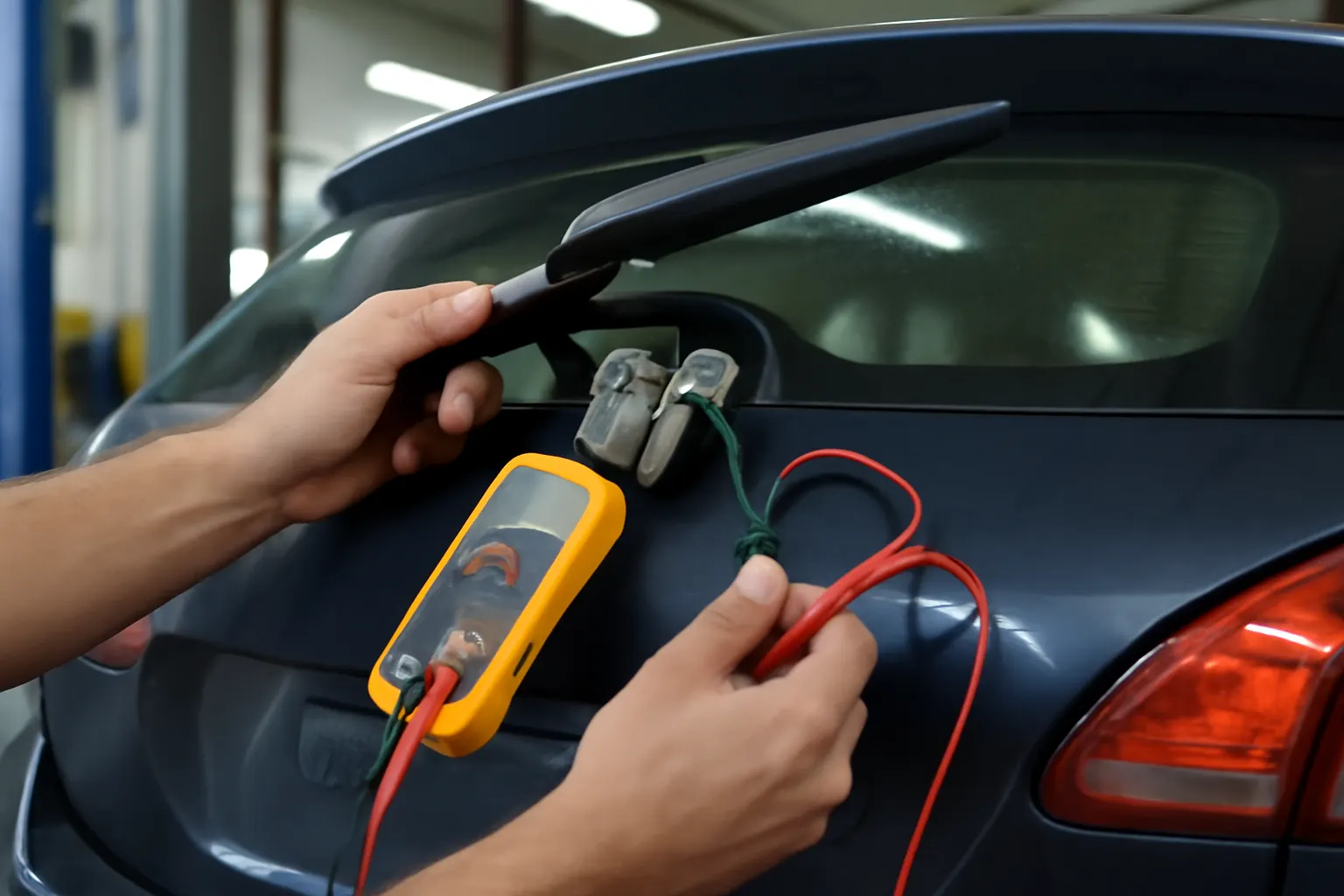
Before replacing your rear wiper motor, rule out common issues that can mimic motor failure:
Electrical Problems
- Blown fuse or relay: Inspect the fuse box for blown fuses related to the rear wiper circuit.
- Faulty wiring or ground: Look for corroded, loose, or damaged wiring at the connector.
- Malfunctioning switch: Test the rear wiper switch for continuity.
Mechanical Issues
- Seized wiper linkage: Disconnect the motor and move the linkage by hand to check for binding.
- Obstructed wiper arm: Ensure the arm isn’t jammed by debris or ice.
For a detailed diagnostic walkthrough, see our Electrical Diagnostics for Rear Wiper Systems.
Installation: Best Practices for Rear Wiper Motor Replacement
Proper installation is crucial for long-term performance. Follow these steps for a successful swap:
Preparation
- Disconnect the battery to prevent accidental short circuits.
- Remove the rear wiper arm and trim panel to access the motor.
- Photograph the wiring and mounting setup for reference.
Removal
- Disconnect the wiring harness from the motor.
- Unbolt the motor from the hatch or tailgate.
- Carefully remove the old motor, noting any spacers or gaskets.
Installation
- Compare the new motor to the old one for physical and electrical match.
- Install the new motor, aligning mounting holes and output shaft.
- Reconnect the wiring harness securely.
- Reattach the trim panel and wiper arm.
- Reconnect the battery and test function (sweep, park, speed).
For a step-by-step illustrated guide, consult our Rear Wiper Motor Replacement Guide.
Maintenance Tips for Long-Lasting Rear Wiper Motors
A quality rear wiper motor should last many years, but regular care extends its life:
- Clean the rear window and wiper arm regularly to prevent binding and abrasion.
- Lubricate wiper linkage pivots annually with light grease.
- Inspect electrical connections for corrosion or looseness.
- Replace worn wiper blades promptly to avoid excess load on the motor.
- Operate the rear wiper periodically during dry months to keep components free-moving.
Proactive maintenance not only preserves the motor but also protects the entire rear wiper system from premature wear.
Sourcing Quality Rear Wiper Motors: What to Look For
Materials and Build Quality
Refer to the DOE’s Materials Technologies for insight on the importance of corrosion-resistant metals and durable plastics in automotive components. Look for motors with metal housings, weather-sealed bearings, and robust connectors.
Advertisement
Brand Reputation and Certification
Choose brands that adhere to SAE standards and have a strong track record for reliability. Check for compliance with NHTSA safety and equipment guidelines.
Warranty and Support
Prioritize suppliers offering clear warranty terms and responsive customer support. This is especially important for aftermarket purchases.
Common Pitfalls When Buying Rear Wiper Motors—And How to Avoid Them
1. Ignoring Minor Compatibility Differences
A motor that “almost fits” can cause mounting stress, electrical issues, or wiper misalignment. Always verify every detail, not just the general application.
2. Overlooking Electrical Features
Some motors have park sensors, variable speed, or built-in relays. Using a basic motor in a system that expects these features can result in malfunction or warning lights.
3. Choosing the Cheapest Option
Ultra-low-cost aftermarket motors may use subpar materials, leading to early failure—especially in harsh climates. Balance price with quality and reviews.
4. Failing to Check Return Policies
If a motor doesn’t fit, a flexible return policy saves time and frustration. Always confirm before purchasing, especially online.
Rear Wiper Motor Recalls and Safety Considerations
While rare, rear wiper motors are sometimes subject to manufacturer recalls due to electrical faults, water intrusion, or fire risk. Before purchasing a replacement, check for active recalls on your vehicle via the NHTSA Recall Database. Installing a recalled or non-compliant motor can jeopardize safety and may void insurance coverage in the event of an accident.
When to Choose OEM, Aftermarket, or Used Rear Wiper Motors
OEM: Best for Newer Vehicles and Guaranteed Fit
If your vehicle is less than 7 years old, under warranty, or has electronic features integrated with the wiper system, OEM is the safest choice.
Aftermarket: Good for Older Vehicles or Cost-Conscious Repairs
For vehicles out of warranty or where cost is a primary concern, select reputable aftermarket brands with documented fitment and warranty support.
Used/Rebuilt: Only When Trusted Source Is Available
Used or rebuilt motors can be a budget option, but only buy from sources that test and guarantee functionality. Inspect for corrosion, worn gears, and electrical integrity.
Troubleshooting: What If the New Motor Doesn’t Work?
If your new rear wiper motor fails to operate, follow this troubleshooting sequence:
- Double-check all electrical connections for tightness and corrosion.
- Verify fuse and relay integrity in the wiper circuit.
- Test the motor directly by applying 12V power at the connector (if safe to do so).
- Ensure correct motor orientation and mounting—misalignment can cause binding.
- Confirm that the wiper linkage and arm move freely.
If issues persist, consult our Why Rear Wiper Motors Fail: Common Causes and Prevention for advanced diagnostic tips.
AutoPartEx: Your Partner for Rear Wiper Motor Replacement
At AutoPartEx, we understand that choosing the right rear wiper motor is about more than just price or brand—it's about safety, reliability, and peace of mind. Our curated inventory includes both OEM and high-quality aftermarket rear wiper motors, each vetted for fitment, materials, and compliance with industry standards. Whether you drive a late-model SUV or a classic hatchback, our technical team and detailed fitment guides ensure you get the right part the first time.
Explore our full Rear Wiper Motor: Precision, Performance, and Reliability for Clear Rear Vision collection for expert advice, compatible parts, and related accessories. For installation help or troubleshooting, our editorial resources and support team are always on hand.
Conclusion: Make Your Rear Wiper Motor Replacement Count
Choosing the right rear wiper motor is a detail-oriented process that pays dividends in safety, visibility, and vehicle longevity. By following this guide—verifying fitment details, weighing OEM versus aftermarket options, and following best practices for installation—you can restore your rear wiper system to factory performance. Trust AutoPartEx for all your replacement needs, and drive with confidence no matter the weather.
References
Advertisement