
Advertisement
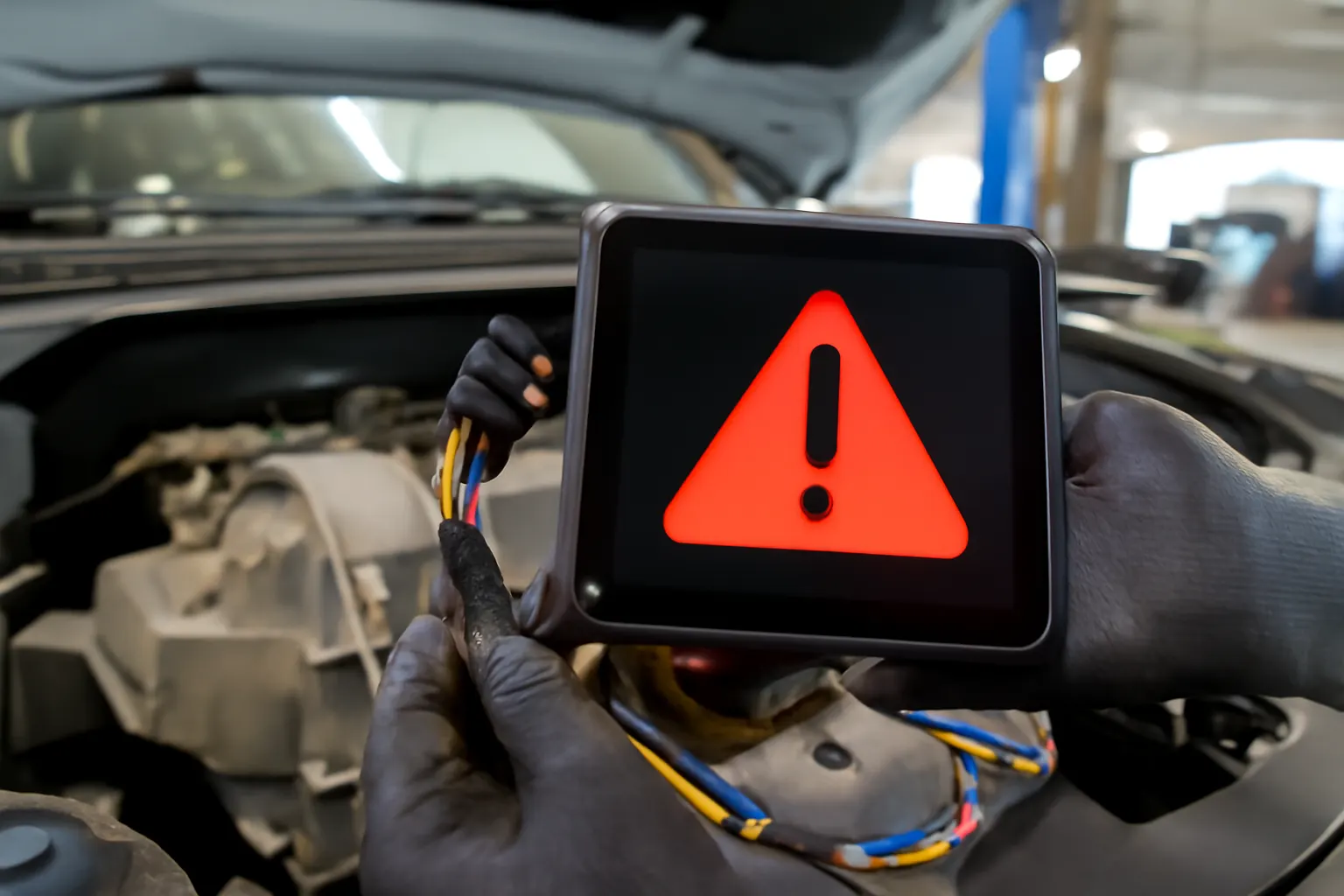
5 Warning Signs of Failing Transmission Wiring
Transmission wiring harnesses are the silent backbone of your vehicle’s drivability. When these critical components begin to fail, the warning signs can be subtle at first—but ignoring them can quickly lead to severe drivability problems, expensive repairs, or even safety hazards. This guide from AutoPartEx dives deep into the five most common warning signs of failing transmission wiring, exposes the hidden technical risks, and offers a step-by-step diagnostic and solution path for drivers, technicians, and fleet managers. If you’re searching for OEM-grade wiring harness solutions and technical guidance, this is your comprehensive resource.
Immediate Answer: The 5 Key Warning Signs
Transmission wiring harness issues often masquerade as general drivability or transmission problems. Here are the five most frequent and critical warning signs that your transmission wiring may be failing:
- Erratic or Harsh Shifting: Sudden, unexpected gear changes, slipping, or delayed engagement.
- Transmission Warning Lights: Illumination of the transmission or check engine light, often accompanied by specific transmission-related diagnostic trouble codes (DTCs).
- Intermittent Loss of Power or Limp Mode: The vehicle unexpectedly enters a reduced-power “limp” mode, restricting speed and gear range.
- Unusual Transmission-Related Electrical Noises: Clicking, buzzing, or relay sounds from the transmission area, especially during shifting.
- Irregular Fuel Efficiency Drops: Noticeable decrease in fuel economy, often linked to improper gear selection or torque converter lockup issues.
Recognizing these symptoms early can help you diagnose and address wiring harness problems before they escalate into major failures.
The Hidden Problem: Why Transmission Wiring Harnesses Fail
Unlike mechanical transmission components, wiring harnesses are vulnerable to a unique set of failure modes. While most drivers and even some technicians focus on solenoids, sensors, or fluid levels, the wiring harness itself is often overlooked until a critical fault emerges.
What makes transmission wiring harnesses so failure-prone?
- Heat Exposure: The transmission operates at high temperatures. Over time, heat cycles cause insulation to become brittle, leading to cracks, shorts, or open circuits.
- Vibration and Mechanical Stress: Constant vibration from the drivetrain and road can cause chafing, frayed wires, or connector loosening.
- Fluid Contamination: Transmission fluid leaks can wick into harness connectors, causing corrosion or short circuits.
- Aging and Material Degradation: Even high-quality harnesses degrade over time due to environmental exposure and material fatigue.
These hidden factors can cause intermittent or cascading failures that are difficult to trace without a structured diagnostic approach.
Deeper Technical Explanation: Harness Failure and Vehicle Systems
Understanding the role of the transmission wiring harness is key to effective troubleshooting. Modern transmissions rely on a complex network of sensors, solenoids, and control modules, all interconnected via the wiring harness. Any disruption—be it a single broken wire, corroded connector, or intermittent short—can cripple the entire system.
How Harness Failures Manifest in Vehicle Behavior
- Erratic Shifting: The transmission control module (TCM) depends on accurate sensor data and actuator commands. A faulty harness can send false signals or interrupt communication, causing rough or unpredictable shifts.
- Warning Lights and DTCs: Harness faults often trigger codes related to sensor “circuit high/low” or “no communication.” These can mimic sensor or solenoid failure but stem from wiring issues.
- Limp Mode Activation: Modern vehicles enter “limp mode” to protect the transmission when critical signals are lost, often due to harness faults.
- Fuel Efficiency Impact: Incorrect gear selection or torque converter lockup—both managed electronically—can reduce fuel economy, as documented by the U.S. Department of Energy.
Harness failures are often intermittent, making them especially challenging to diagnose without a methodical process.
Symptom 1: Erratic or Harsh Shifting
Transmission wiring harness issues most commonly present as shifting problems. This is because the harness is responsible for relaying signals between the TCM and transmission solenoids or sensors.
Typical Signs:
- Sudden “bang” or “clunk” when shifting gears.
- Transmission hesitates, slips, or refuses to engage a particular gear.
- Shifting occurs at the wrong speed or RPM.
Technical Root Cause
A damaged, shorted, or corroded wire can disrupt the voltage or signal quality to shift solenoids, causing them to actuate at the wrong time or not at all. Even a single intermittent open circuit can mimic a failing solenoid or internal mechanical fault.
Symptom 2: Transmission Warning Lights
The check engine light or dedicated transmission warning light is often the first dashboard indicator of trouble.
Advertisement
What to Look For:
- Warning lights that appear and disappear, especially after driving over bumps or in wet conditions.
- DTCs related to “shift solenoid circuit,” “transmission range sensor,” or “TCM communication.”
Behind the Light
The vehicle’s onboard diagnostics system monitors circuit continuity and signal plausibility. Wiring harness faults can cause high resistance, open circuits, or shorts, all of which trigger warning lights and codes.
Symptom 3: Intermittent Loss of Power or Limp Mode
Limp mode is a protective strategy used by many modern vehicles. When the TCM detects a serious fault, often due to lost communication with sensors or actuators, it limits the transmission to a single gear (usually 2nd or 3rd) and reduces engine power.
Key Indicators:
- Sudden, severe reduction in acceleration.
- Transmission stuck in one gear.
- Warning light illuminated, often with a “service transmission” message.
Technical Explanation
Wiring harness faults—especially intermittent opens or shorts—can cause the TCM to lose contact with critical components, triggering limp mode to prevent further damage.
Symptom 4: Unusual Transmission-Related Electrical Noises
Not all harness failures are silent. Certain types of faults can cause audible symptoms.
Sounds to Watch For:
- Clicking or buzzing from relay modules or solenoids during key-on or shifting.
- Intermittent relay chatter, especially after rain or washing the undercarriage.
Technical Details
Corroded or loose connectors may cause arcing or relay cycling, leading to audible noises. These are often more pronounced during high humidity or after exposure to water.
Symptom 5: Irregular Drops in Fuel Efficiency
Transmission wiring harness issues can indirectly affect fuel economy. If the transmission is not shifting properly or the torque converter is not locking up as intended, the engine operates less efficiently.
What You Might Notice:
- Unexplained drop in miles per gallon (MPG).
- Transmission feels like it is “hunting” for gears or staying in lower gears longer than normal.
Technical Connection
The United States Department of Energy notes that drivetrain efficiency is critical for optimal fuel economy. Faulty wiring can disrupt the precise control needed for efficient shifting and torque converter operation.
Diagnostic Checklist: How to Identify Failing Transmission Wiring
A systematic diagnostic approach is essential for confirming wiring harness faults. Use this checklist to guide your inspection:
Transmission Wiring Harness Diagnostic Checklist
| Step | Action | Tools Needed | What to Look For |
|---|---|---|---|
| 1 | Scan for DTCs | OBD-II scanner | Codes related to transmission circuits, solenoids, or range sensors |
| 2 | Visual Inspection | Flashlight, mirror | Cracked, frayed, or melted wires; loose or corroded connectors |
| 3 | Wiggle Test | None | Observe for changes in symptoms or codes while gently moving harness |
| 4 | Voltage/Continuity Test | Multimeter | Check for open circuits, shorts, or high resistance in suspect wires |
| 5 | Check for Fluid Intrusion | Inspection | Evidence of transmission fluid in connectors or harness covering |
| 6 | Inspect Grounds | Wrench, wire brush | Corroded or loose ground connections near transmission |
| 7 | Reference Technical Guides | Service manual, AutoPartEx harness resources | Pinouts, wiring diagrams, connector locations |
If any issues are found, proceed to targeted repairs or harness replacement.
The Solution Path: Repair, Replacement, and Prevention
Once a transmission wiring harness fault is confirmed, you have several options depending on the extent of the damage, vehicle age, and harness availability.
1. Localized Repairs
For minor issues—such as a single broken wire or corroded connector—localized repairs may be sufficient.
- Splicing and Soldering: Use automotive-grade wire and heat-shrink tubing for permanent repairs.
- Connector Cleaning/Replacement: Clean corroded terminals with contact cleaner or replace damaged connectors.
2. Full Harness Replacement
If the harness is extensively damaged, brittle, or contaminated with fluid, replacement is the safest option. OEM-grade replacement harnesses are engineered to meet or exceed original specifications, ensuring proper fit, signal integrity, and durability.
- Benefits: Restores full function, eliminates hidden faults, and often resolves multiple intermittent issues at once.
- Installation: May require partial transmission removal or significant disassembly; consult vehicle-specific service information.
3. Preventive Measures
- Inspect Regularly: Include harness inspection in routine maintenance, especially after transmission work.
- Protect From Fluids: Address any transmission leaks promptly to prevent fluid intrusion.
- Use Quality Parts: Select harnesses built with advanced materials and to recognized standards for maximum reliability.
Advanced Diagnostics: When Symptoms Persist
Some wiring harness failures are elusive, especially if the fault is intermittent or buried deep within the harness bundle. Advanced diagnostic strategies include:
- Thermal Imaging: Identifies hot spots caused by high resistance or shorts.
- Oscilloscope Testing: Reveals signal integrity issues not detectable with a standard multimeter.
- Pin-to-Pin Testing: Confirms continuity and correct routing between connectors.
Advertisement
If multiple electrical systems are affected, consider the possibility of a shared ground or power supply issue—a common root cause in both transmission and engine wiring harnesses.
Materials and Innovations: Why Harness Quality Matters
Modern transmission wiring harnesses are engineered with advanced materials to withstand harsh environments. According to the U.S. Department of Energy’s Materials Technologies research, material selection directly impacts performance, durability, and safety.
- Heat-Resistant Insulation: Prevents cracking and electrical leakage.
- Sealed Connectors: Block fluid and debris intrusion.
- Shielded Wires: Protect sensitive signals from electromagnetic interference.
Choosing a premium harness isn’t just about fitment—it’s about long-term reliability and vehicle safety.
For a deeper dive into how materials innovation is improving transmission wiring harnesses, see Transmission Wiring Harness: Materials and Innovations.
Ensuring Safety and Compliance
The National Highway Traffic Safety Administration (NHTSA) emphasizes that critical vehicle wiring and equipment must meet stringent safety standards. Faulty or substandard harnesses can compromise not only drivability but also safety systems that rely on accurate transmission control.
- Recalls: Always check for open recalls related to wiring harnesses or transmission components.
- Quality Standards: Look for harnesses that meet or exceed SAE and OEM standards for safety and reliability.
Sourcing the Right Harness: Fitment and OEM-Grade Solutions
Not all harnesses are created equal. When sourcing a replacement:
- Confirm Compatibility: Use your vehicle’s VIN and transmission model to select the correct harness.
- Choose Reputable Suppliers: Stick with trusted sources like AutoPartEx for OEM-grade wiring harnesses.
- Check for Updates: Some newer harnesses include design improvements over the original; these upgrades can address known failure points.
If you’re considering a harness upgrade or want to learn more about inspection, see our Engine Wiring Harness: Inspection and Upgrade Guide.
Installation Guidance: What to Expect
Replacing a transmission wiring harness can be a complex task, often requiring partial disassembly of the transmission or removal of related components.
Key Steps in Harness Replacement:
- Disconnect Battery: Always start by removing the negative battery cable to prevent shorts.
- Access Harness: Depending on the vehicle, this may involve removing transmission pans, covers, or even lowering the transmission.
- Label Connectors: Mark all connectors and routing paths to ensure correct reinstallation.
- Remove Old Harness: Carefully detach all connectors, clips, and fasteners.
- Install New Harness: Route the new harness exactly as the original, avoiding contact with hot or moving parts.
- Reconnect and Test: Double-check all connections, clear any stored DTCs, and road-test the vehicle.
Advertisement
Professional vs. DIY
While experienced DIYers may tackle this job with the right tools and service information, professional installation is recommended for most drivers due to the complexity and potential for error.
Maintenance and Prevention: Keeping Your Harness Healthy
Routine inspection and preventive maintenance can extend the life of your transmission wiring harness and prevent unexpected failures.
Maintenance Tips:
- Visual Inspections: Check for signs of wear, heat damage, or fluid leaks during every oil or transmission service.
- Secure Routing: Ensure the harness is properly clipped and routed away from sharp edges or hot surfaces.
- Clean Connectors: Use contact cleaner to keep terminals free of corrosion.
- Address Leaks Promptly: Any sign of transmission fluid near harness connectors should be investigated and repaired immediately.
By maintaining your harness, you safeguard not only your transmission but also overall vehicle performance and safety.
AutoPartEx: Your Partner in Transmission Wiring Solutions
At AutoPartEx, we understand that a failing transmission wiring harness can bring your vehicle to a standstill. That’s why we offer a complete range of OEM-grade wiring harnesses for transmissions, backed by technical support and in-depth fitment guidance. Our catalog is built on industry-leading standards and the latest materials innovations, ensuring you get the reliability and performance your vehicle demands.
Whether you’re a DIY enthusiast, a professional technician, or a fleet manager, our resources—including step-by-step guides and advanced troubleshooting support—empower you to diagnose, source, and install the right solution the first time.
For related technical content, explore our guide on How to Diagnose and Replace Transmission Solenoids for a complete understanding of the electrical and mechanical interplay within your transmission.
Take Action: Don’t Ignore the Warning Signs
If you’ve noticed any of the five warning signs outlined in this guide, don’t wait for a minor issue to become a major failure. Use the provided checklist to diagnose your transmission wiring harness, and source quality replacement parts from trusted suppliers. Early intervention not only saves money but also ensures your vehicle’s safety, efficiency, and performance.
For more in-depth technical guidance, fitment support, or to browse our full selection of transmission wiring harnesses, visit Wiring Harness (Transmission): OEM-Grade Solutions & Technical Guidance.
References
Advertisement


