Advertisement
OEM vs Aftermarket Transmission Harnesses: What Matters?
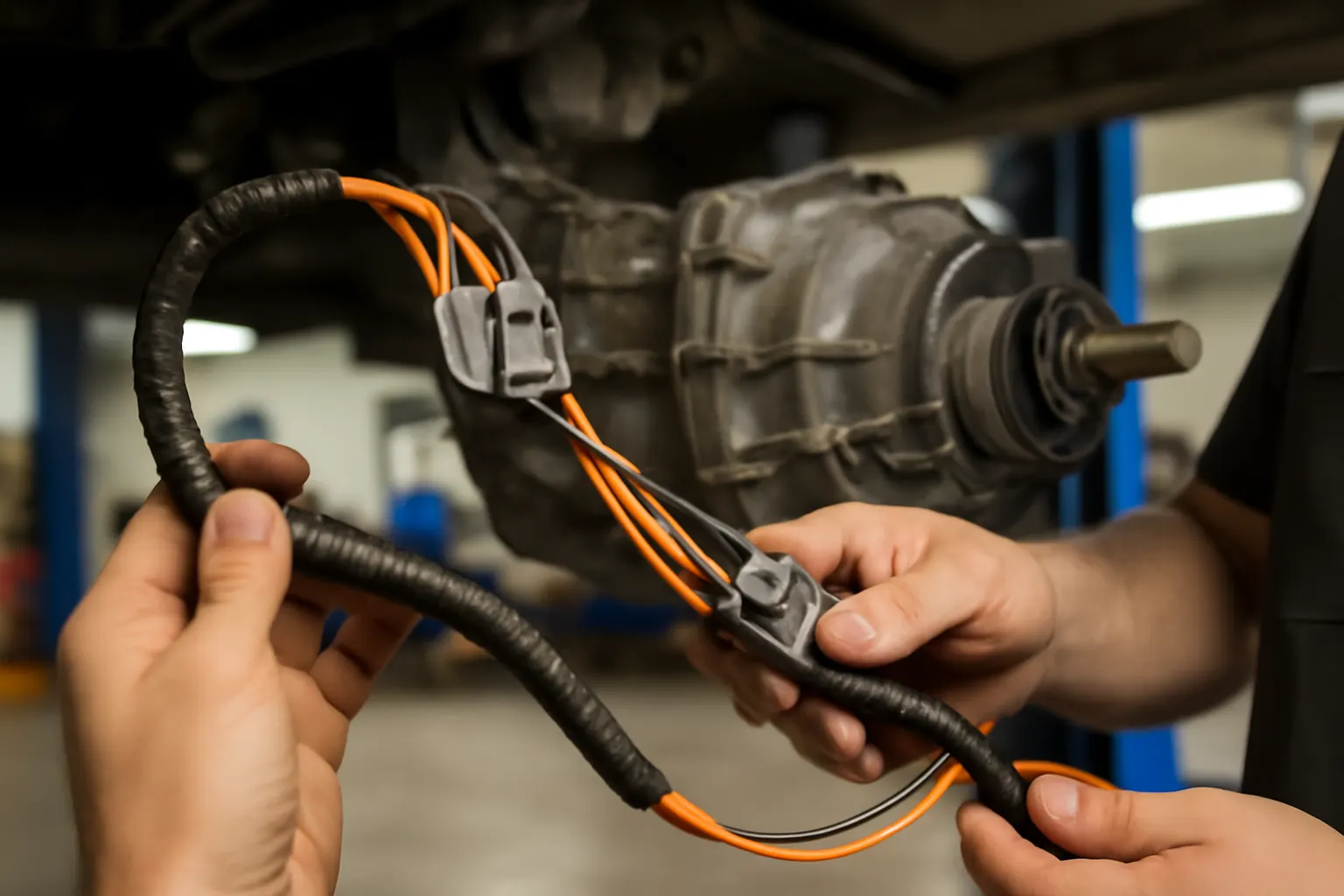
When it comes to replacing or upgrading a transmission wiring harness, the debate between OEM (Original Equipment Manufacturer) and aftermarket options is more than just a matter of price. The right choice impacts not just installation ease, but also long-term reliability, vehicle safety, and even fuel efficiency. For modern drivetrains that rely on complex electronic communication, a harness is not just a bundle of wires—it's the nerve center connecting sensors, actuators, and control modules. In this detailed AutoPartEx guide, we’ll break down exactly what matters when choosing between OEM and aftermarket transmission wiring harnesses, with practical tips for buyers, installers, and enthusiasts. For a broader look at the role of these systems, see our Transmission Wiring Harness: The Nerve Center of Modern Drivetrains category page.
Immediate Answer: What’s the Real Difference?
The core distinction between OEM and aftermarket transmission harnesses lies in quality assurance, fitment precision, and long-term reliability. OEM harnesses are designed and manufactured to the vehicle maker’s specifications, using materials and connectors tested for exact fit and performance. Aftermarket harnesses, produced by third-party suppliers, can range from high-quality equivalents to lower-cost options with varying degrees of compatibility and durability.
Key Takeaways:
- OEM Harnesses: Guarantee of fit, quality, and compatibility; higher cost.
- Aftermarket Harnesses: Potential cost savings; quality and fitment vary significantly by brand and supplier.
The decision often comes down to your priorities: is absolute reliability and OE-level integration essential, or are you willing to trade some certainty for savings or custom features?
The Hidden Problem: Overlooked Risks in Harness Selection
While it’s tempting to base your decision solely on price or availability, the risks of an ill-fitting or substandard harness are seldom discussed until issues arise. Transmission harnesses are critical to powertrain communication, affecting not only shifting performance but also vehicle safety systems, diagnostics, and even fuel efficiency. A harness that’s even slightly incompatible can introduce intermittent faults, trigger warning lights, or lead to costly transmission or ECM (engine control module) damage.
Common Hidden Risks Include:
- Intermittent electrical faults that are difficult to diagnose.
- Connector incompatibility leading to loose or unreliable connections.
- Wire gauge or insulation differences affecting current capacity and resistance.
- Signal interference or CAN bus errors in modern vehicles.
These problems are rarely apparent at the time of purchase but can manifest weeks or months later, leading to unexpected downtime and repair costs.
Deeper Technical Analysis: Harness Engineering and Standards
To understand why the OEM versus aftermarket debate matters, it’s essential to look at how transmission wiring harnesses are engineered and validated.
OEM Harness Engineering
OEM harnesses are built to vehicle-specific blueprints, conforming to strict SAE and automaker standards for:
-
Wire gauge and insulation type (for heat, abrasion, and chemical resistance)
-
Connector design and pin configuration
-
Shielding for EMI (electromagnetic interference)
-
Routing and mounting provisions
They are tested for the specific thermal, vibration, and chemical environments of the transmission tunnel, ensuring durability over the vehicle’s expected lifespan. OEMs also ensure harnesses are compatible with evolving electronic control strategies, including CAN bus and LIN bus integration, which are vital for modern transmission management.
Aftermarket Harness Production
Aftermarket harnesses may be:
-
Direct-fit replacements: Designed to closely match OEM specs, sometimes using the same suppliers or tooling.
-
Universal or semi-custom harnesses: Intended for broader compatibility, but may require splicing, adapter connectors, or rerouting.
While high-quality aftermarket brands can rival OEM in materials and construction, others may cut corners on insulation, connector quality, or shielding, leading to premature failure or electrical noise issues. Not all aftermarket harnesses are tested to the same rigorous standards as OEM parts (SAE Standards).
Quality and Materials: What’s Inside Matters
The materials used in a transmission harness are not all created equal. The Department of Energy highlights the importance of advanced materials in improving vehicle performance and longevity (Materials Technologies).
Advertisement
OEM Materials
- Copper wire with precise gauge for each circuit
- OEM-grade insulation resistant to transmission fluid, oil, and high temperatures
- Waterproof and corrosion-resistant connectors
- Integrated shielding for sensitive sensor circuits
Aftermarket Materials
- Varied wire quality: Some use copper-clad aluminum, which is less conductive and less durable.
- Insulation: May not match OEM specs for heat or chemical resistance.
- Connectors: Aftermarket connectors may fit but can lack the sealing or locking mechanisms of OEM parts.
Bottom line: The hidden cost of lower-grade materials can be premature failure, especially in harsh undercar environments.
Fitment: Precision or Compromise?
Proper fitment is crucial for harness longevity and function. OEM harnesses are engineered to fit exactly within the vehicle’s transmission tunnel, avoiding pinch points, heat sources, and moving parts.
OEM Advantages:
- Pre-formed bends and clips for secure routing
- Correct length and branch points for each sensor/actuator
- Plug-and-play connection with no modification
Aftermarket Challenges:
- Universal harnesses may require cutting, splicing, or adapting
- Risk of wires being too short, too long, or poorly routed
- Potential for connectors that “almost fit” but stress the pins or seals
A poor fit can lead to chafing, water ingress, or connector disconnection—problems that may not be immediately obvious but can cause intermittent or catastrophic failures down the road.
Reliability and Safety: Beyond the Basics
Transmission harness failures can have far-reaching consequences, from erratic shifting to complete loss of drive. The National Highway Traffic Safety Administration (NHTSA) emphasizes the safety-critical nature of vehicle electrical systems (Vehicle Safety and Equipment).
OEM Reliability:
- Backed by automaker validation and safety testing
- Proven track record for the specific make/model
- Compatibility with safety systems such as traction control and ABS
Aftermarket Reliability:
- Depends on brand reputation and adherence to standards
- Some are excellent, others may fail prematurely or introduce diagnostic confusion
Safety Considerations:
- Harness faults can disable limp-home modes, disable safety features, or cause transmission to shift erratically
- Incorrectly wired harnesses can trigger fault codes, impacting emissions systems and potentially leading to failed inspections
Diagnostic Challenges: When Harnesses Cause Trouble
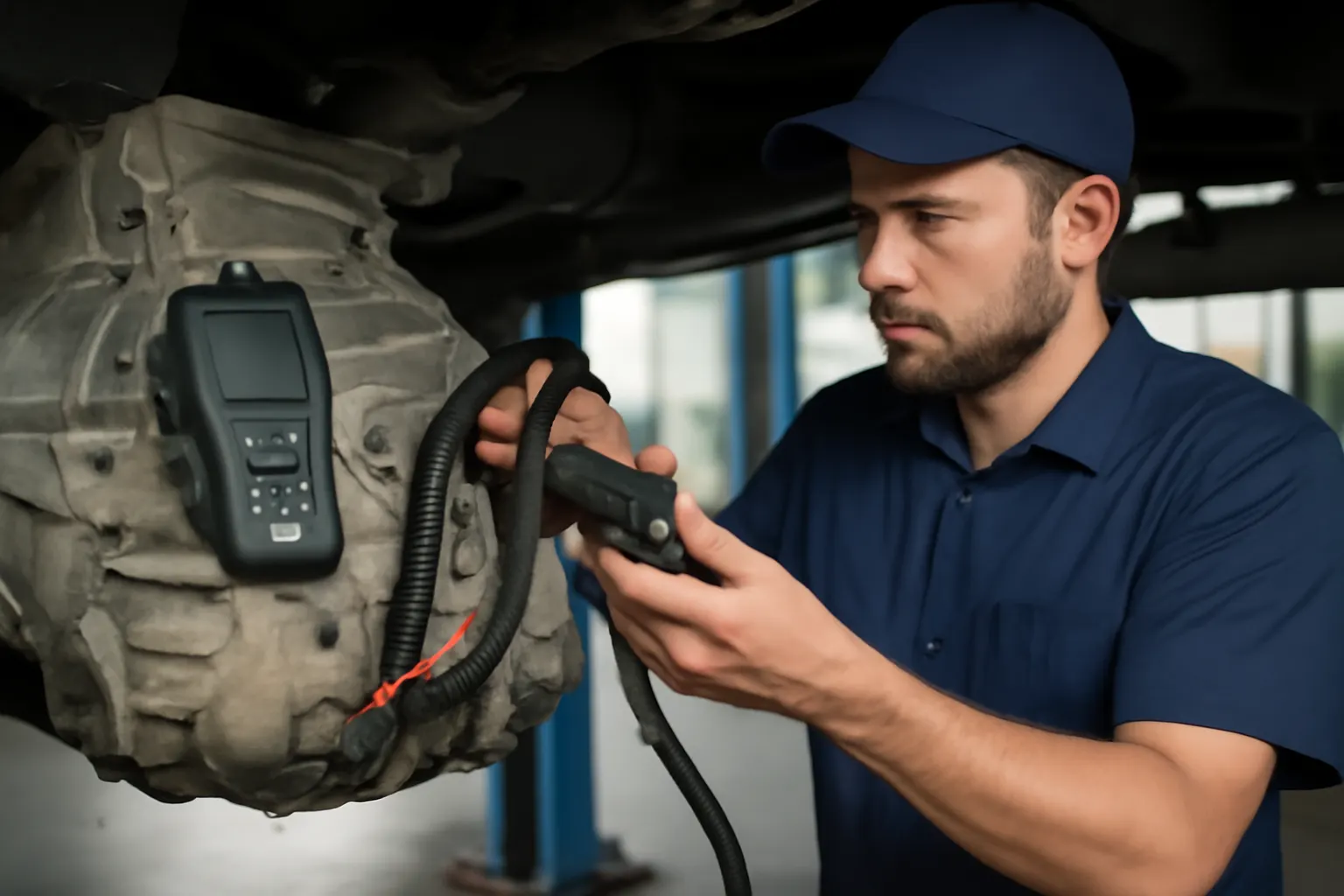
Electrical issues related to transmission harnesses are notoriously difficult to diagnose. Symptoms can mimic mechanical failures or appear as random, intermittent faults.
Common Diagnostic Issues:
- Intermittent loss of sensor signals (speed, temperature, pressure)
- Unexplained transmission warning lights or limp mode activation
- CAN bus communication errors
- Hard-to-trace shorts or open circuits
Diagnostic Checklist:
- Confirm harness part number matches vehicle application
- Inspect all connectors for pin damage or corrosion
- Check for proper wire color-coding and routing
- Use a multimeter to test for continuity and resistance
- Scan for fault codes related to transmission, TCM, or CAN bus
For deeper troubleshooting, see our Diagnosing Transmission Electrical Issues guide.
Installation: What to Expect with OEM vs Aftermarket
Installation ease and outcome vary dramatically between OEM and aftermarket harnesses.
OEM Harness Installation
- Typically a direct swap: disconnect old, plug in new
- Factory-matched connectors and mounting points
- Minimal risk of installation errors
Aftermarket Harness Installation
- May require adaptation: splicing, soldering, or use of adapters
- Extra time spent verifying wire routing and connector fit
- Higher risk of pin misalignment, poor sealing, or missed connections
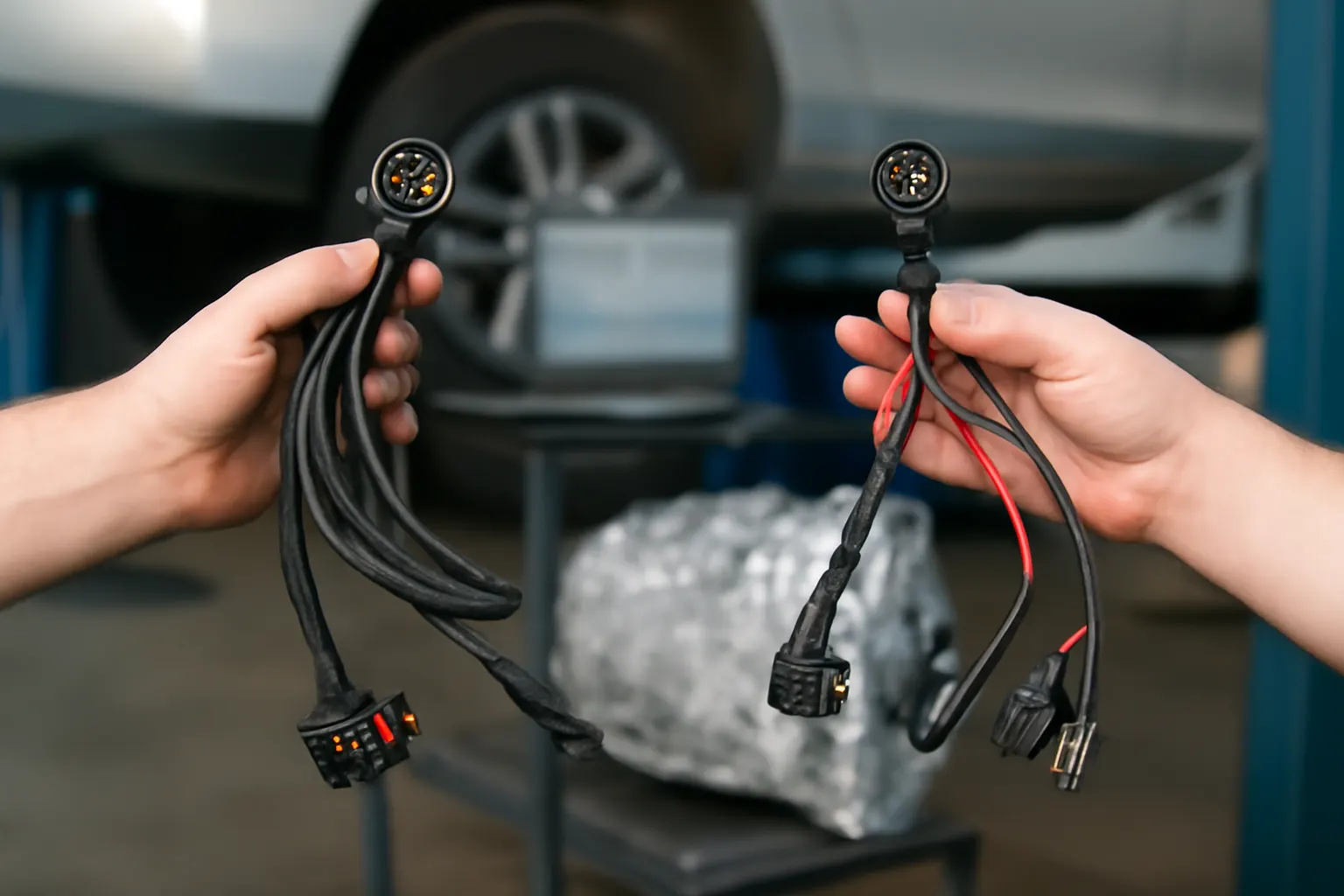
Pro Tip: Always compare the old and new harness side by side before install. Match every connector, wire color, and branch.
For a step-by-step replacement guide, see How to Replace a Transmission Wiring Harness: Pro Tips.
Fuel Efficiency and Performance: The Hidden Impact
A faulty or mismatched transmission harness can have a direct impact on vehicle performance and fuel efficiency. According to the U.S. Department of Energy, drivetrain efficiency is key to overall fuel economy (Fuel Efficiency).
How Harness Quality Affects Efficiency:
Advertisement
- Loss of sensor input (e.g., transmission fluid temperature) can cause the TCM to default to less efficient shift maps
- Intermittent faults may trigger limp mode, locking transmission in a single gear
- Poor connections increase electrical resistance, potentially affecting actuator speed and shift quality
Choosing a harness that maintains OE-level signal integrity is not just about reliability—it can also save fuel over the life of the vehicle.
Sourcing and Buying: What to Look For
When sourcing a replacement transmission harness, don’t just search by price. Use this checklist to evaluate your options:
Transmission Harness Sourcing Checklist
| Criteria | OEM | Aftermarket |
|---|---|---|
| Exact fit and function | Guaranteed | Varies by brand |
| Material quality | Certified, tested | Check specs, may vary |
| Connector compatibility | 100% match | Sometimes requires adapters |
| Warranty/support | Often strong (via dealer) | Varies, check before buying |
| Price | Higher | Lower to moderate |
| Availability | Dealer or OE supplier | Broader, sometimes faster |
| Documentation | Full vehicle integration info | May be limited |
Expert Tips:
- Always confirm part numbers and application fitment.
- For newer vehicles, prioritize OEM or top-tier aftermarket brands with strong reputations.
- For older or custom builds, a high-quality aftermarket harness may be suitable—just verify connector and pinout details.
Maintenance and Inspection: Keeping Your Harness Healthy
Even after installation, ongoing inspection and maintenance are vital—especially if you opted for an aftermarket harness or operate in harsh environments.
Maintenance Best Practices:
- Inspect harness routing during routine service (look for chafing, heat damage, or loose connectors)
- Use dielectric grease on connectors exposed to moisture
- Check for secure mounting at all clips and brackets
- Scan for new transmission-related fault codes at oil change intervals
Early detection of harness wear can prevent more serious transmission or control module issues.
When to Choose OEM, When to Consider Aftermarket
The choice isn’t always black and white. Here’s a practical breakdown:
Choose OEM When:
- Vehicle is under factory warranty or extended coverage
- Harness is integrated with advanced safety or emissions systems
- Maximum reliability and plug-and-play installation are priorities
Consider Aftermarket When:
- OEM part is discontinued, backordered, or prohibitively expensive
- Vehicle is older, used for motorsports, or has custom transmission setup
- Aftermarket brand has proven track record and offers direct-fit solution
If you’re restoring a classic or building a custom drivetrain, some aftermarket harnesses may even offer features or flexibility that OEM units lack. Just be diligent about sourcing and installation.
AutoPartEx Positioning: Your Trusted Transmission Harness Partner
At AutoPartEx, we understand that the transmission wiring harness is the unsung hero of modern powertrains. Whether you’re seeking OEM precision or a high-quality aftermarket solution, our curated selection and technical expertise help you avoid the pitfalls of poor fitment, subpar materials, or compatibility headaches. Our team rigorously vets every harness we list, referencing industry standards and real-world reliability data. Explore our full Transmission Wiring Harness: The Nerve Center of Modern Drivetrains category or contact us for personalized recommendations.
Internal Integration: Related Systems and Further Reading
Transmission harnesses don’t operate in isolation. Issues can cascade to other vehicle systems, from the Air Box/Air Cleaner to the CAN bus networks that tie together engine, transmission, and chassis modules. For a deeper dive into how modern harnesses communicate with vehicle ECUs, see Understanding CAN Bus Integration in Transmissions.
Expert Action: Steps to a Trouble-Free Replacement
- Diagnose the root cause of transmission electrical issues before replacing the harness.
- Source the right harness—OEM for maximum certainty, high-quality aftermarket for flexibility or cost savings.
- Inspect the new harness for material quality, connector integrity, and precise fitment.
- Follow best installation practices: match old and new harnesses, use proper tools, and route wires away from heat and moving parts.
- Test all functions after installation, including a scan for fault codes and a road test.
- Monitor and maintain: inspect harness condition at every major service interval.
When in doubt, consult with an experienced technician or reach out to AutoPartEx for expert sourcing and technical support.
References
Advertisement