Advertisement
Transmission Wiring Harness: Materials and Innovations
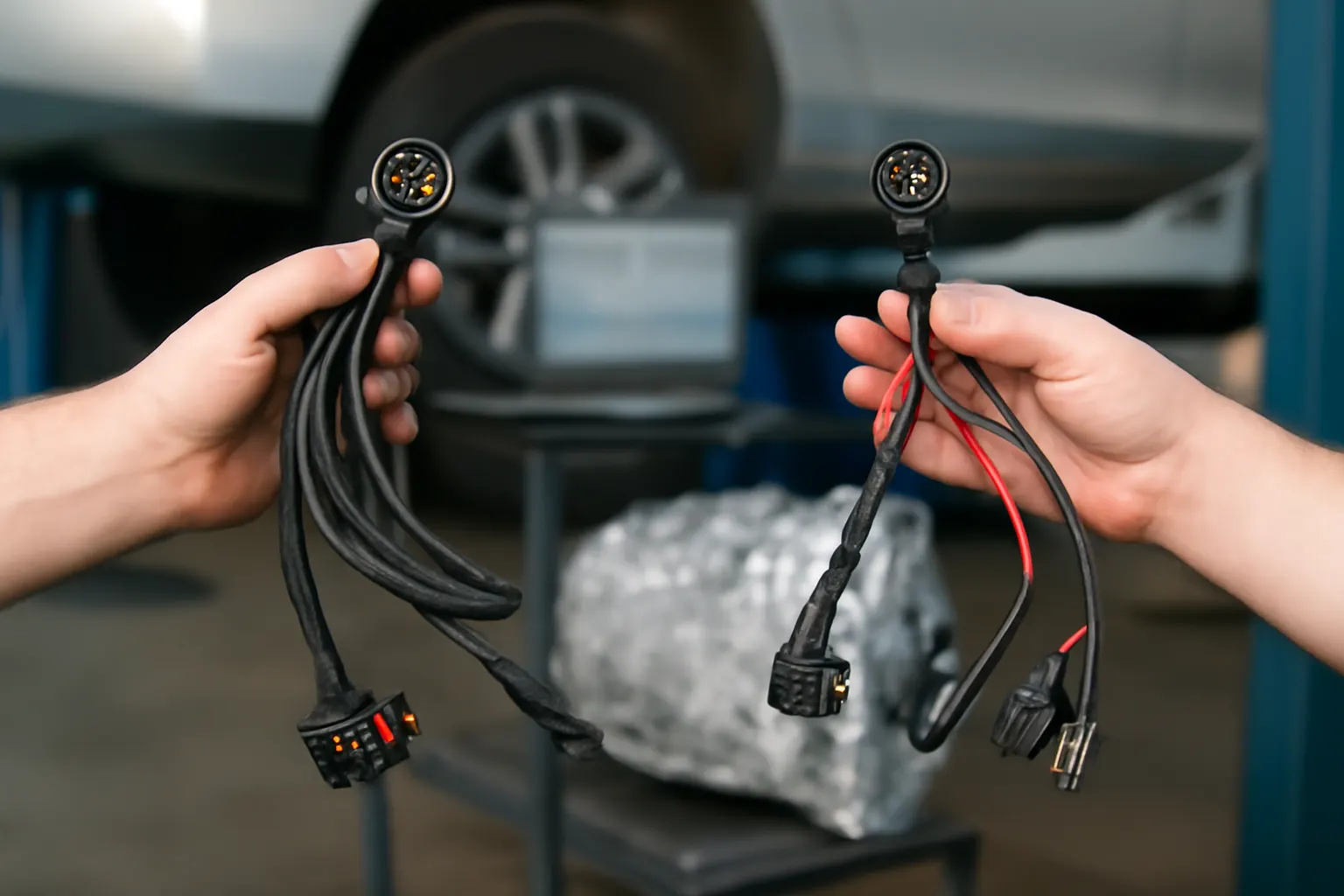
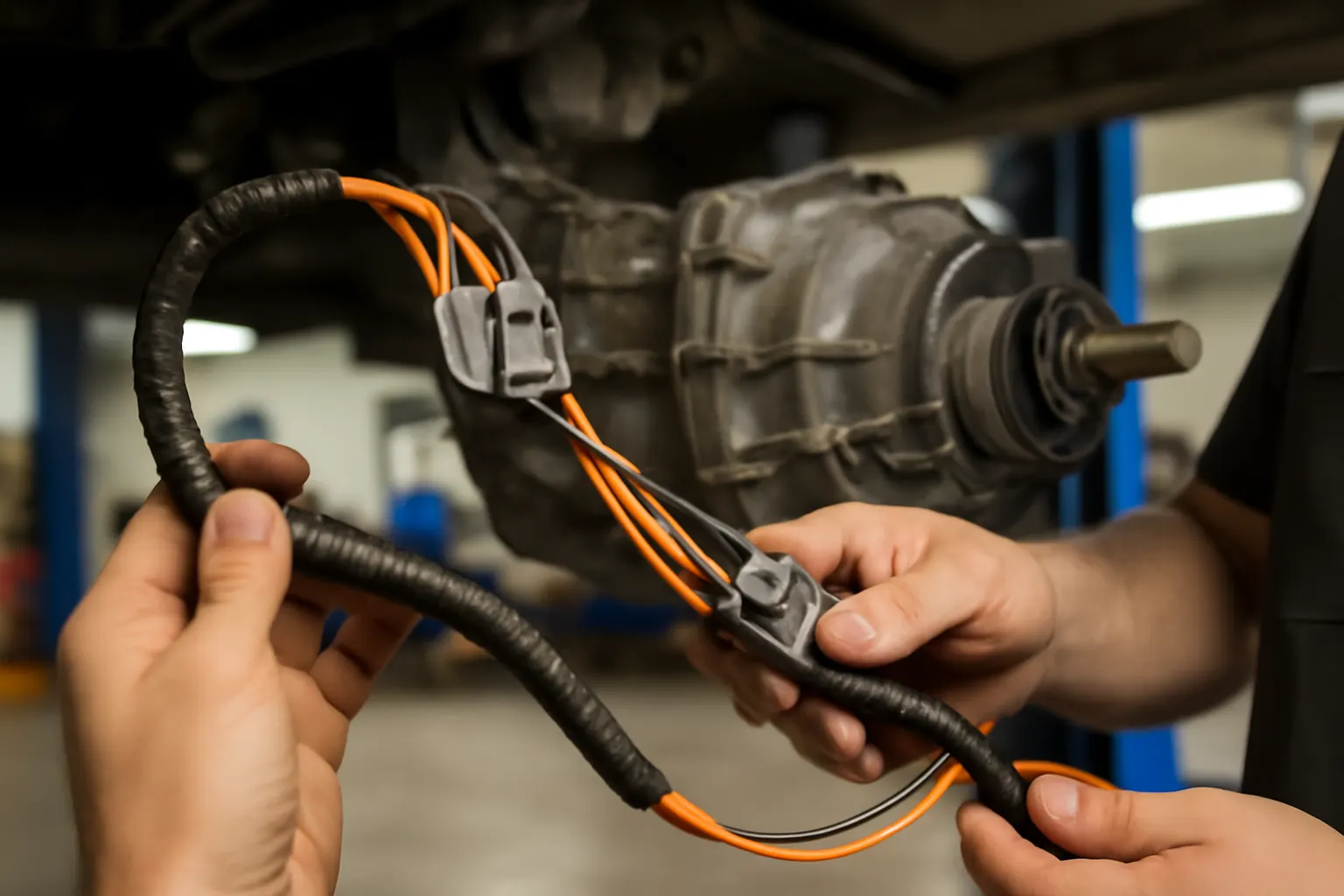
The transmission wiring harness is the lifeline of modern automatic and dual-clutch transmissions, ensuring precise electronic control and robust signal integrity under extreme automotive conditions. Today’s OEM-grade harnesses are engineered from advanced materials for superior heat resistance, chemical durability, and electrical performance. In this guide, AutoPartEx delivers a technical overview of the materials, engineering breakthroughs, and real-world innovations shaping the next generation of transmission wiring harnesses—plus practical advice for diagnostics, sourcing, and installation.
Explore the Wiring Harness (Transmission): OEM-Grade Solutions & Technical Guidance category to see top-rated harnesses and manufacturer-specific fitment options.
The Immediate Answer: Why Transmission Harness Materials Matter
Transmission wiring harnesses must endure harsh environments—extreme heat, vibration, fluid exposure, and constant electrical load. The right material selection directly impacts transmission reliability, shifting performance, and long-term vehicle safety. Modern harnesses utilize specialized polymers, advanced insulation, and corrosion-resistant terminals to ensure uninterrupted operation throughout a vehicle’s service life.
Key Takeaway: Upgrading or replacing your transmission harness with components built from the latest heat-resistant and chemically stable materials can prevent common failures such as signal loss, short circuits, and premature connector corrosion.
Hidden Problem: Outdated Materials and Engineering Shortfalls
Many transmission harness failures trace back to outdated material choices or inadequate engineering for today’s high-stress drivetrains. Older harnesses—especially in vehicles built before the mid-2010s—may use PVC or basic thermoplastics that degrade rapidly under transmission tunnel heat, leading to cracked insulation, brittle wires, and unreliable connections.
Symptoms of Material Failure:
- Unexplained shifting issues or limp mode activation
- Intermittent transmission warning lights
- Burnt, melted, or brittle harness insulation
- Fluid-soaked or corroded connectors
If you’re experiencing these symptoms, your harness may not meet modern OEM or SAE Standards for heat and chemical resistance.
Deeper Dive: Transmission Harness Material Science
1. Conductor Core Materials
Copper Remains King:
Oxygen-free copper (OFC) is the gold standard for transmission harness conductors, offering low resistance and high flexibility. Some high-end harnesses use tin- or silver-plated copper for extra corrosion resistance in fluid-prone areas.
Aluminum Alternatives:
While lighter and less expensive, aluminum conductors are rare in transmission harnesses due to their lower conductivity and higher risk of fatigue in high-vibration environments.
2. Insulation and Sheathing
Thermoplastic Elastomers (TPE):
Modern harnesses often use TPE for insulation, providing excellent heat resistance (up to 150°C), flexibility, and chemical stability.
Crosslinked Polyethylene (XLPE):
XLPE insulation offers enhanced thermal properties and is increasingly common in high-performance and hybrid vehicles.
Fluoropolymers (e.g., PTFE, FEP):
Used in premium and motorsport applications, these materials withstand extreme temperatures (200°C+), aggressive fluids, and offer superior dielectric properties.
3. Connector and Terminal Innovations
High-Temperature Plastics:
OEMs now specify PBT, PA66, and other engineering polymers for connectors, enabling reliable engagement even after years of heat cycling.
Plated Terminals:
Gold or tin plating on terminals prevents oxidation and ensures low-resistance connections—critical for sensor and solenoid circuits.
Engineering Breakthroughs: What’s New in Harness Design?
Advanced Sealing Technologies
Modern transmission harnesses feature multi-lip silicone or Viton seals, preventing ATF and moisture ingress at connector interfaces. This innovation drastically reduces the risk of short circuits and connector corrosion.
Modular and Flexible Architectures
OEMs are shifting toward modular harness designs, allowing for easier replacement of damaged sections and improved routing flexibility. This modularity also supports the integration of new sensors and actuators as transmission technology evolves.
Advertisement
Smart Harnesses
Emerging harnesses feature embedded microchips for real-time diagnostics, signal integrity verification, and even predictive maintenance alerts—pushing the boundaries of what a “simple” wiring harness can do.
Transmission Harnesses and Heat Resistance
Why Heat is the Enemy
Transmission tunnels and underbody areas routinely reach temperatures exceeding 120°C (248°F), especially in turbocharged or heavy-duty vehicles. Harnesses routed near catalytic converters or exhaust components face even higher peaks.
Consequences of Poor Heat Resistance:
- Insulation melting or embrittlement
- Increased electrical resistance (voltage drop)
- Short circuits or open circuits
- Accelerated connector aging
Material Solutions
- XLPE and TPE Insulation: Maintains flexibility and dielectric strength at elevated temperatures.
- Heat Shields and Conduits: Reflective sleeves or convoluted tubing protect harnesses in the hottest zones.
- High-Temp Connectors: Engineered plastics and silicone seals maintain engagement and integrity above 150°C.
Chemical and Fluid Exposure: The Silent Harness Killer
Transmission harnesses are exposed to ATF (Automatic Transmission Fluid), road salt, engine oil, and de-icing chemicals. These can wick into insulation or connectors, causing:
-
Insulation swelling, softening, or cracking
-
Terminal corrosion, especially in unplated connectors
-
Signal loss or intermittent faults
Material Innovations:
Fluoropolymer insulations and chemically resistant connector seals are now standard in OEM-grade harnesses, drastically improving longevity in aggressive environments.
Lightweighting and Fuel Efficiency: The Materials Connection
Reducing vehicle weight is a top priority for OEMs seeking better fuel economy and lower emissions, as highlighted by the United States Department of Energy’s Fuel Efficiency initiatives. Harnesses engineered with lighter insulation materials and optimized conductor sizing contribute to overall vehicle mass reduction, supporting efficiency goals without sacrificing durability.
Examples:
- Thinner-wall XLPE insulation reduces bulk and weight.
- Optimized copper strand counts maintain flexibility with less material.
Standards and Testing: Meeting Modern Expectations
Transmission harness materials and construction must comply with rigorous industry standards to ensure reliability and safety:
- SAE Standards: Define requirements for wire gauge, insulation type, connector engagement force, and resistance to heat/chemical exposure.
- OEM Internal Specifications: Automakers often exceed industry minimums, specifying proprietary blends and testing for real-world durability.
Testing Protocols Include:
- Thermal cycling (heat soak and cold shock)
- Fluid immersion (ATF, oil, coolant)
- Vibration and flex testing
- Salt spray and corrosion resistance
Harnesses that pass these tests are far less likely to suffer from the premature failures seen in aftermarket or outdated designs.
Common Failure Modes: Identifying Material-Driven Issues
Visual and Diagnostic Checklist
Use this checklist to spot harness issues directly related to material degradation:
| Symptom | Possible Material Issue | Diagnostic Step |
|---|---|---|
| Cracked/brittle wires | Inferior or aged insulation | Visual inspection, flex test |
| Melted insulation | Low-temp-rated insulation | Check routing near hot components |
| Corroded terminals | Poor plating or seal failure | Inspect connectors for green/white residue |
| Fluid inside connectors | Seal breakdown, wrong material | Disconnect and check for moisture |
| Intermittent shifting | Signal loss from conductor fatigue | Scan transmission codes, wiggle test |
If you detect these issues, immediate replacement with a modern, OEM-grade harness is recommended.
Sourcing and Selecting a Modern Transmission Harness
Key Buying Considerations
-
OEM-Grade Materials:
Insist on harnesses using XLPE, TPE, or fluoropolymer insulation and gold/tin-plated terminals. -
Exact Fitment:
Match the harness to your vehicle’s year, make, model, and transmission type. Even minor connector or pinout differences can cause major issues. -
Heat/Chemical Ratings:
Confirm the harness is rated for at least 125°C continuous operation and is certified for ATF and oil exposure.
Advertisement
-
SAE/OEM Compliance:
Ask for documentation of compliance with SAE Standards or OEM specifications. -
Supplier Reputation:
Purchase from trusted sources with a track record in transmission and engine wiring harnesses.
Installation Tips
- Route harnesses away from heat sources using provided clips and shields.
- Avoid sharp bends or kinks—stress can cause premature conductor fatigue.
- Always torque connector latches and seals to manufacturer specifications.
- Use dielectric grease only if recommended by the harness manufacturer.
Diagnostic Best Practices: Is Your Harness Up to Standard?
Step-by-Step Diagnostic Protocol
-
Visual Inspection:
Check for cracks, swelling, discoloration, or exposed wires along the harness. -
Connector Check:
Remove connectors and inspect for corrosion, bent pins, or fluid ingress. -
Continuity Testing:
Use a multimeter to verify signal continuity from TCM to solenoids and sensors. -
Load Testing:
Apply simulated load to check for voltage drops across suspect circuits. -
Scan Tool Analysis:
Retrieve transmission fault codes related to solenoid or sensor circuits. Refer to 5 Warning Signs of Failing Transmission Wiring for deeper troubleshooting.
Pro Tip:
Harness faults often masquerade as solenoid or sensor failures. Always test the harness before replacing expensive transmission components.
Maintenance and Longevity: Protecting Your Investment
Preventative Steps
- Inspect harness routing and condition at every major transmission service (fluid change, pan drop).
- Ensure heat shields and clips are intact and properly positioned.
- Replace any harness section showing signs of material fatigue or chemical attack.
- Keep connectors clean and dry; use only OEM-approved cleaning solutions.
Long-Term Benefits:
A well-maintained, modern-material harness can last the life of your transmission, reducing the risk of unexpected breakdowns and costly repairs.
Innovations on the Horizon: The Future of Transmission Harness Materials
Emerging Trends
-
Bio-Based Polymers:
Research is underway on renewable, eco-friendly insulation materials that match or exceed the performance of petroleum-based plastics. -
Integrated Sensing:
Harnesses with built-in temperature, moisture, or strain sensors for predictive maintenance and real-time diagnostics. -
Laser-Welded Terminals:
Advanced joining techniques for lower resistance and longer connector life. -
Smart Routing Algorithms:
Harnesses designed using AI simulation to minimize heat exposure and maximize serviceability.
These innovations, highlighted in Materials Technologies research, will define the next generation of transmission wiring solutions.
AutoPartEx Positioning: Your Source for OEM-Grade Transmission Harnesses
At AutoPartEx, we specialize in connecting automotive professionals and enthusiasts with cutting-edge, OEM-grade wiring harnesses engineered for the latest transmission technologies. Our catalog features harnesses that meet or exceed SAE and manufacturer standards, with detailed fitment guides for every major application. Whether you’re upgrading for reliability, diagnosing a shifting issue, or restoring a classic, our technical expertise and product selection ensure you get the right harness—built from advanced materials for maximum durability.
Explore our Wiring Harness (Transmission): OEM-Grade Solutions & Technical Guidance to find harnesses tailored to your vehicle and transmission type. For advanced diagnostic and repair tips, see our guides on How to Diagnose and Replace Transmission Solenoids and Engine Wiring Harness: Inspection and Upgrade Guide.
Conclusion: Material Matters—Choose Wisely for Transmission Reliability
The transmission wiring harness is a critical but often overlooked component that directly impacts drivability, safety, and vehicle longevity. Material innovations—ranging from advanced polymers to corrosion-resistant terminals—have transformed harness performance in the face of rising thermal, chemical, and electrical demands. By understanding the science behind harness materials and staying current with industry standards, you can make informed choices that prevent common failures and ensure your transmission operates at peak efficiency. For the best results, always source harnesses from trusted suppliers and prioritize OEM-grade, standards-compliant solutions.
References
- Fuel Efficiency — United States Department of Energy
- Materials Technologies — United States Department of Energy
- SAE Standards — SAE International
Advertisement