
Wiring Harness (Engine)
Understanding and Replacing Your Engine Wiring Harness
The engine wiring harness is a crucial but often overlooked part of your vehicle’s electrical system. Whether you’re troubleshooting engine issues or planning preventive maintenance, understanding this component can save time and money. This page explores what an engine wiring harness does, how problems emerge, and what to consider when selecting a replacement for your specific vehicle.
Showing 1–8 of 246 products


More Wiring Harness (Engine) options
Filtering for Wiring Harness (Engine)Browse nearby inventory for this category without leaving the page. Use search to filter by price, part number, or city.
No Data Available
Please check back soon when more inventory is available for this part.
Understanding and Replacing Your Engine Wiring Harness
Why the Engine Wiring Harness Deserves Your Attention
Many vehicle owners focus on visible engine parts—spark plugs, filters, or belts—while the engine wiring harness quietly performs its essential role. This network of wires and connectors links sensors, actuators, and control modules, ensuring that your engine receives accurate signals and power. Without a reliable wiring harness, even the most advanced engine cannot function optimally. Yet, because it is largely hidden from view, its importance is often underestimated until a problem arises.
Overlooking the wiring harness can lead to subtle but significant issues. Modern vehicles rely on precise electrical signals for engine timing, fuel injection, and emissions controls. A compromised harness might cause intermittent faults that are difficult to trace, leading to performance dips or even engine shutdowns. Owners may attribute these symptoms to other components, missing the underlying electrical cause.
Understanding the role of the engine wiring harness is the first step toward maintaining your vehicle’s reliability. By learning how this component works and what can go wrong, you’ll be better prepared to recognize early warning signs and make informed decisions about inspection and replacement. This awareness can help prevent unexpected breakdowns and costly repairs down the road.

Common Issues and Risks with Engine Wiring Harnesses
Engine wiring harnesses are exposed to a variety of stressors throughout their service life. Heat from the engine bay, vibration from daily driving, and exposure to moisture or chemicals can degrade insulation and connectors. Over time, these factors may cause wires to become brittle, corrode, or develop shorts. Even minor damage can disrupt critical engine functions, making early detection essential.
Symptoms of wiring harness problems can be subtle and easily mistaken for other issues. Drivers might notice inconsistent engine performance, warning lights on the dashboard, or sporadic electrical failures. In some cases, the engine may fail to start altogether. Because these symptoms overlap with other component failures, pinpointing the harness as the culprit requires careful inspection and sometimes professional diagnostic tools.
The complexity of modern engine wiring harnesses adds another layer of risk. With dozens of circuits packed into a confined space, a single damaged wire can affect multiple systems. For example, a short in the harness could simultaneously impact fuel delivery, ignition timing, and emissions controls. This interconnectedness means that small harness faults can have outsized effects on vehicle operation.
Manufacturers design harnesses to withstand typical operating conditions, but unforeseen factors—such as rodent damage or improper aftermarket modifications—can accelerate wear. Additionally, vehicles that operate in harsh climates or see heavy use may experience harness degradation sooner than expected. Regular inspection is particularly important for older vehicles or those with a history of electrical repairs.
If left unaddressed, wiring harness problems can lead to more severe consequences. Persistent electrical faults may trigger engine misfires, reduce fuel efficiency, or cause emissions failures. In rare cases, exposed wires can create fire hazards. These risks highlight the importance of addressing harness issues promptly, rather than waiting for a complete failure.
Owners sometimes delay repairs due to the perceived complexity or cost of harness replacement. However, ignoring early symptoms can lead to more extensive damage and higher repair bills. Understanding the potential risks associated with a compromised engine wiring harness can motivate proactive maintenance and timely replacement, ultimately protecting both your vehicle and your safety.
Practical Steps for Diagnosing and Replacing an Engine Wiring Harness
When engine performance issues arise, a systematic approach to diagnosis is crucial. Begin by documenting all symptoms, such as intermittent stalling, loss of power, or warning lights. Consult your vehicle’s owner manual for relevant electrical diagrams and fuse locations. This initial step can help narrow down whether the problem is likely related to the wiring harness or another system.
Visual inspection is a practical next step. Carefully examine the harness for signs of wear, such as cracked insulation, exposed wires, or corroded connectors. Pay special attention to areas near heat sources, moving parts, or sharp edges where abrasion may occur. If you notice any damage, photograph the affected sections for reference and to aid in discussions with a repair professional or parts supplier.
If the visual inspection is inconclusive, consider using a multimeter to test for continuity and voltage drops along suspect circuits. This can help identify open circuits or shorts within the harness. For complex issues, professional diagnostic tools—such as scan tools that read engine control module (ECM) fault codes—may be necessary. Many shops offer diagnostic services that can pinpoint harness faults more efficiently.
Once a harness issue is confirmed, selecting the right replacement is essential. Gather your vehicle’s year, make, model, and engine code before shopping. Compare part numbers and connector configurations to ensure compatibility. Salvage harnesses, like the one shown in the seller photograph below, can be a cost-effective option if they are undamaged and match your vehicle’s specifications. Always verify the harness’s condition and return policy before purchase.
When choosing between new, remanufactured, or salvage harnesses, consider your budget and the vehicle’s intended use. New OEM harnesses offer the highest assurance of fit and performance, but at a premium price. Remanufactured or reconditioned harnesses may provide a balance of cost and reliability. Salvage harnesses are suitable for budget-conscious repairs but should be inspected thoroughly for hidden damage or corrosion.
Installation requires patience and attention to detail. Disconnect the battery before beginning any work on the electrical system. Label connectors and take reference photos during removal to ensure correct reassembly. Route the new harness along factory paths, securing it with appropriate clips and fasteners. Double-check all connections before reconnecting the battery and starting the engine.
After installation, test all affected systems to confirm proper operation. Clear any diagnostic trouble codes and monitor the vehicle for recurring symptoms. If issues persist, re-inspect the harness for missed connections or damage. In some cases, professional assistance may be needed to resolve complex electrical faults.
Finally, keep detailed records of the repair, including part numbers, installation notes, and any diagnostic codes encountered. This documentation can be invaluable for future troubleshooting or when selling the vehicle. Regular inspection and prompt attention to electrical issues will help extend the life of your replacement harness and maintain overall vehicle reliability.
What the Evidence and Published Guidance Reveal
The U.S. Federal Trade Commission (FTC) provides foundational advice for consumers facing auto repairs. Their guidance emphasizes obtaining a written repair estimate that clearly identifies the condition to be repaired, the necessary parts, and anticipated labor charges. For complex repairs such as engine wiring harness replacement, the FTC suggests seeking a second opinion and verifying that the technician has experience with your specific make and model. This approach helps ensure transparency and that the selected harness is appropriate for your vehicle, but it does not guarantee a particular outcome or prove that a specific harness will fit your car. The FTC also distinguishes between new, remanufactured, and salvage parts, noting that salvage harnesses—like the one pictured below—come from other vehicles and should be inspected for condition before installation. These recommendations are general and do not establish a failure rate or warranty for any specific harness or seller FTC: Auto Repair Basics.
The National Highway Traffic Safety Administration (NHTSA) offers a robust recall lookup tool, allowing consumers to check if their vehicle or a specific part has been subject to a safety recall. By entering your vehicle’s VIN, you can determine whether there are any unrepaired recalls related to the engine wiring harness or associated systems. This process is critical for identifying known safety issues that may necessitate immediate repair or replacement. However, the NHTSA explicitly states that searching by make, model, or year yields only general recall information, not proof of a defect in your particular vehicle. Additionally, the presence of a recall does not guarantee that every harness of that type is faulty, nor does the absence of a recall confirm that no issues exist NHTSA: Vehicle Recalls.
In terms of repair documentation, the FTC underscores the importance of receiving a completed repair order that lists all work performed, parts used, costs, and odometer readings. This documentation is vital for tracking the history of wiring harness repairs or replacements. It also provides a reference point for future maintenance and can be helpful if warranty or quality issues arise. The FTC’s guidance does not specify technical procedures for diagnosing harness faults but reinforces the value of clear communication between consumers and repair professionals FTC: Auto Repair Basics.
The NHTSA outlines the recall process, which begins with consumer complaints and may lead to investigations and, ultimately, manufacturer-initiated recalls. If a wiring harness defect is suspected, owners can file a complaint with the NHTSA, contributing to broader safety oversight. The agency monitors recall effectiveness and ensures that manufacturers provide free and effective remedies for safety-related defects. However, the NHTSA does not guarantee the quality or fitment of replacement parts obtained outside the recall process, nor does it endorse specific aftermarket or salvage harnesses NHTSA: Vehicle Recalls.
Neither the FTC nor the NHTSA provides technical specifications or service intervals for engine wiring harnesses. Instead, they recommend following the manufacturer’s maintenance schedule as outlined in your owner’s manual. If a shop recommends additional electrical system service, the FTC advises asking for a clear explanation and comparing it to the official schedule. This approach helps prevent unnecessary repairs and ensures that harness replacements are justified by actual need, not just routine mileage or age FTC: Auto Repair Basics.
The FTC also highlights the differences between part types. Salvage harnesses, such as those sourced from reputable dismantlers, are original equipment removed from another vehicle without alteration. While they can offer significant cost savings, buyers are encouraged to inspect them for wear, corrosion, or damage before installation. New or remanufactured harnesses may come with warranties or quality assurances, but these should be confirmed in writing, as there is no universal standard for repair warranties. This underscores the importance of clear communication with the seller and understanding the terms of any purchase FTC: Auto Repair Basics.
Finally, both agencies stress the importance of consumer vigilance and proactive maintenance. Registering your vehicle with the manufacturer and checking for recalls twice a year can help catch emerging safety issues related to the wiring harness. Filing complaints about suspected defects contributes to industry oversight and may prompt broader investigations or recalls. While neither the FTC nor the NHTSA guarantees the performance of a specific engine wiring harness, their published guidance provides a framework for making informed decisions and protecting your investment NHTSA: Vehicle Recalls.
Take the Next Step Toward Reliable Engine Performance
If you suspect an issue with your engine wiring harness or are planning a replacement, start by gathering your vehicle’s details and reviewing the guidance above. Use available resources to check for recalls, obtain clear repair estimates, and compare part options. Whether you choose a new, remanufactured, or salvage harness, thorough inspection and careful installation are key to long-term reliability. For more in-depth diagnostic steps and buyer comparisons, explore our Wiring Harness (Engine) category and related guides.
References
- NHTSA: Vehicle Recalls
- FTC: Auto Repair Basics
References
- NHTSA: Vehicle Recalls - NHTSA, accessed 2026-11-01
- FTC: Auto Repair Basics - FTC, accessed 2026-11-01
Related Guides & Articles

Step-by-Step Engine Wiring Harness Diagnosis
A faulty engine wiring harness can lead to engine misfires, starting problems, loss of power, and even dangerous situations like electrical fires. Immediate and accurate diagnosis avoids unnecessary part replacements, reduces downtime, and ensures your vehicle operates efficiently and safely. Modern engines rely on the precise transmission of electrical signals—any interruption or degradation can trigger a cascade of drivability and safety issues.
View Guide
Top 5 Engine Wiring Failures (and How to Avoid Them)
What are the most common engine wiring harness failures? The five most frequent engine wiring harness failures are: Corroded Connectors and Terminals Broken or Chafed Wires Melted or Overheated Insulation Faulty Ground Connections Rodent or Physical Damage Connectors are the nerve endings of the wiring harness. Over time, exposure to water, humidity, and road de-icing chemicals can infiltrate connector housings, leading to oxidation and corrosion. This increases resistance, causing voltage drops and unreliable sensor readings.
Read More
Understanding Vehicle Electrical Systems
Automotive electrical systems are the lifeblood of modern vehicles, controlling everything from ignition and fuel injection to infotainment and advanced driver assistance features. At the heart of these systems lies the intricate network of wiring harnesses, which ensure efficient, safe, and reliable power and signal distribution throughout the car. This guide delivers a comprehensive understanding of vehicle electrical systems, focusing on the essential role, structure, diagnostics, and maintenance of wiring harnesses, and how to address common issues that can impact performance, reliability, and safety.
View Guide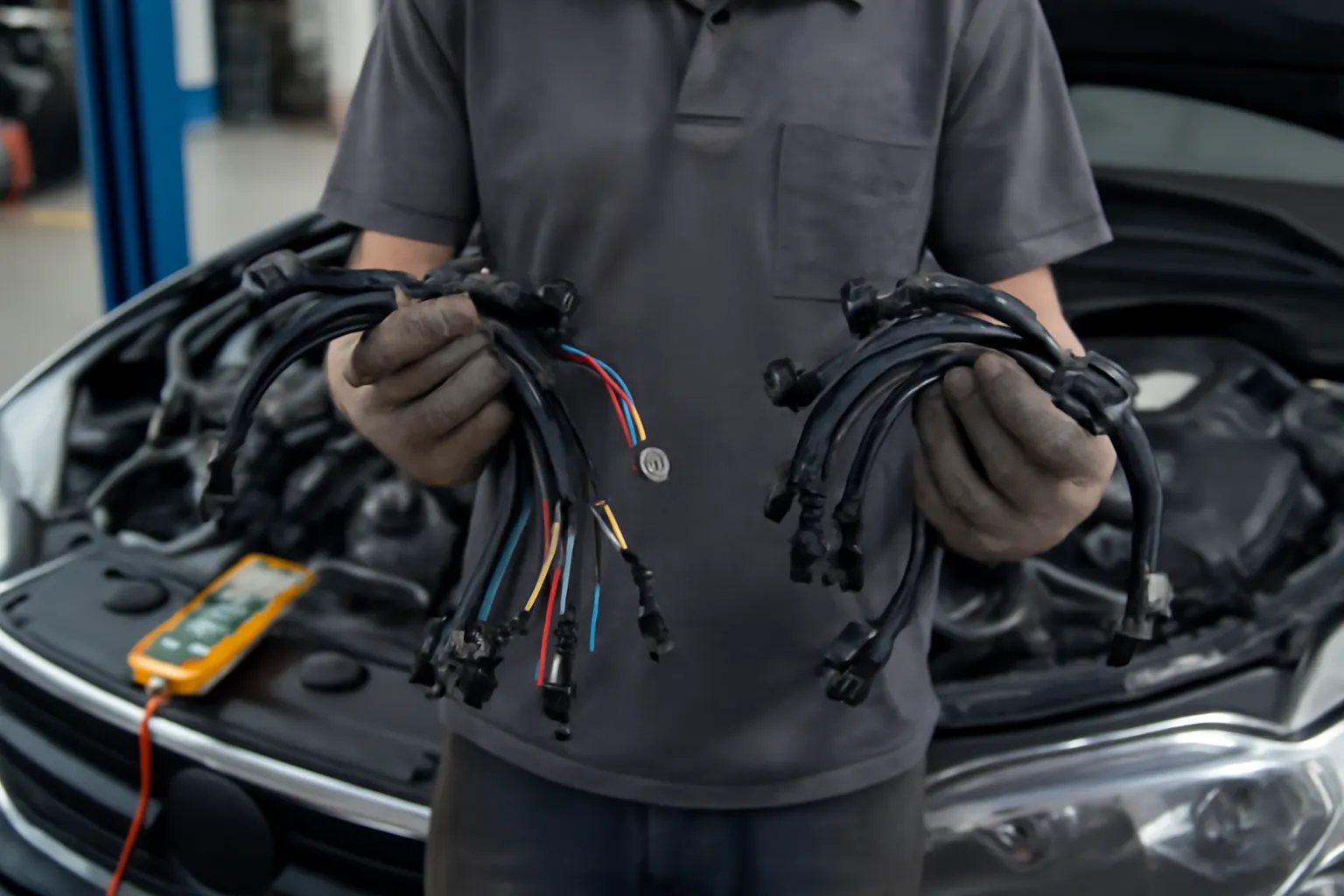
Choosing OEM vs Aftermarket Wiring Harnesses
For most daily drivers and enthusiasts seeking long-term reliability, OEM engine wiring harnesses remain the gold standard. They guarantee precise fitment, match original material specifications, and adhere to strict safety and quality controls from your vehicle’s manufacturer. Aftermarket harnesses, on the other hand, offer cost savings and broader availability but may vary in fit, material quality, and compliance with safety standards.
Read More