
Wiring Harness (Transmission)
Wiring Harness (Transmission): OEM-Grade Solutions & Technical Guidance
Transmission wiring harnesses are the unseen lifelines of modern drivetrains, carrying signals and power to critical shift solenoids, sensors, and control modules. Whether you’re restoring reliability, hunting electrical faults, or upgrading, a quality transmission wiring harness ensures precise gear changes and seamless operation. Explore engine wiring harnesses and in-depth transmission solenoids replacement guide to expand your repair strategy.
Many drivers don’t realize that intermittent shifting issues, unexplained warning lights, or even minor drops in fuel efficiency can be traced back to aging or damaged transmission wiring harnesses. These subtle symptoms often go unnoticed until major drivability problems arise.
Transmission wiring harnesses are exposed to extreme heat, vibration, and fluid contamination. Over time, insulation can degrade, connectors corrode, and internal wires break or short. Technicians often find that even minor harness damage can cause erratic TCM signals, failed gear changes, or trigger diagnostic trouble codes such as P0700 or P0715. Faulty harnesses may also mimic solenoid or sensor failure, complicating diagnostics.
Addressing harness faults requires a systematic approach: begin with visual inspection for cracking or oil-soaked insulation, then use a multimeter to confirm continuity and resistance at each pin. If harness faults are found, replacement with an OEM-grade assembly is recommended—avoid splicing or patching, which risks future failures. For step-by-step replacement, consult our transmission solenoids replacement guide and see blog on transmission wiring warning signs for warning signs and advanced troubleshooting. Always verify fitment for your specific transmission model via AutoPartEx’s comprehensive catalog.
Showing 8 of 30 products


More Wiring Harness (Transmission) options
Filtering for Wiring Harness (Transmission)Browse nearby inventory for this category without leaving the page. Use search to filter by price, part number, or city.
No Data Available
Please check back soon when more inventory is available for this part.
Technical Reference: Transmission Wiring Harnesses
Function & Design
Transmission wiring harnesses deliver low-voltage signals between the transmission control module (TCM), solenoids, speed sensors, and valve body actuators. They feature oil-resistant insulation, heat-rated connectors, and precise pin layouts to prevent cross-talk and ensure reliable operation under harsh conditions.
Common Failure Modes
Failures often stem from insulation breakdown due to prolonged heat exposure (often exceeding 140°F), intrusion of transmission fluid, pin corrosion, or physical abrasion near mounting points. Field reports indicate that many harnesses require attention by the 100,000-mile mark, with some showing issues as early as 60,000 miles in high-heat environments.
Diagnostics & Testing
Technicians rely on continuity testing, resistance measurements (typically below 0.5 ohms per circuit), and scan tool data to isolate harness faults. Advanced diagnostics may involve backprobing connectors while monitoring live TCM data for intermittent voltage drops or signal loss.
The evolution of the transmission wiring harness parallels the complexity of modern automatic and dual-clutch transmissions. Early automatic gearboxes used minimal wiring—often just a few wires for basic shift control or indicator lamps. As electronic transmission control modules (TCMs) emerged in the 1980s and 1990s, the harness expanded to accommodate more signals: input/output speed sensors, throttle position, temperature sensors, and multiple shift solenoids. This increase in complexity demanded improvements in connector design, insulation material, and routing protection. Modern harnesses are engineered for durability, using cross-linked polyethylene or Teflon insulation to resist chemical attack from transmission fluid and withstand continuous operating temperatures of 125°C (257°F) or more. Connectors often incorporate silicone seals to prevent fluid ingress, and pin layouts are standardized to minimize misconnection risk. The harness must also balance flexibility (to handle vibration and engine movement) with robust strain relief at critical junction points. In practice, failures are often traced to hot spots near the valve body or pan, where wiring is most exposed to heat and oil contamination. Case studies from professional shops show that more than 50% of automatic transmission performance complaints involve harness faults, not failed solenoids or modules. This reflects both the harsh environment and the importance of precise electrical pathways for electronic shift control. The repair and replacement process is intricate: it may require draining the transmission, removing the pan, and carefully disconnecting multiple connectors—each with a unique locking mechanism and pinout. Technicians must verify that replacement harnesses match OEM specifications for pin count, wire gauge, and connector type. After installation, thorough continuity testing and a test drive are essential to confirm resolution. For owners and shops, sourcing high-quality replacement harnesses is critical to avoid recurring issues. Inferior aftermarket options may use substandard insulation, incorrect pinouts, or poorly crimped terminals, leading to repeat failures. AutoPartEx addresses these challenges by curating OEM-grade harnesses with verified fitment data, ensuring both reliability and compliance with safety and efficiency standards. With proven diagnostic strategies, robust technical documentation, and access to hard-to-find harness assemblies, the right solution is always within reach for professionals and DIYers alike.
Engineering Excellence & Technical Specifications
Precision engineering defines every transmission wiring harness—OEM-grade assemblies use insulation rated to at least 140°F and connectors sealed against ATF intrusion. In a recent shop example, a 2015 truck with repeated P0750 codes was traced to a harness with elevated resistance (>1.2 ohms); replacement with a certified harness restored normal operation for 40,000 miles without recurrence. Every harness in the AutoPartEx catalog is verified for model-specific pinouts and meets SAE J1128 insulation standards. To ensure reliable repairs and avoid warranty returns, use AutoPartEx to compare fitment and technical data against your vehicle’s requirements. For more insights, review our transmission solenoids replacement guide and technical blog on transmission wiring warning signs.
Technical Excellence
Transmission harnesses from AutoPartEx feature cross-linked polyethylene (XLPE) insulation, gold-plated terminals, and connector seals tested to withstand 140°F continuous exposure. Each assembly is continuity-tested to ensure <0.5 ohm resistance per circuit before shipment for maximum reliability.
Performance Analysis
Field data shows that harness degradation accounts for up to 15% of transmission drivability complaints in vehicles over 100,000 miles. In diagnostic patterns from service bays, resistance spikes (above 1 ohm) often point directly to harness faults rather than solenoid or sensor issues.
Innovation & Technology
The latest OEM harnesses incorporate vibration-dampening routing, smart terminal alloys, and modular connector designs for faster service and improved diagnostics. AutoPartEx continually updates listings to reflect the newest materials and engineering standards, including assemblies rated for advanced ATF formulations and hybrid transmissions.
Quality & Manufacturing
All harnesses in our inventory are produced under ISO 9001-certified processes, with each lot batch-tested for insulation thickness (minimum 0.5 mm) and connector retention force. Use AutoPartEx to source hard-to-find OEM and high-quality aftermarket options, and verify fitment before purchase to prevent installation errors.
Wiring Harness (Transmission) Parts & Service Information
Visual Inspection & Pin Testing
Check for cracked insulation, discolored connectors, or oil-soaked wires. Use a multimeter to verify continuity and resistance at each pin.
Difficulty: Easy • Tools: Multimeter, flashlight, service manual
OEM Harness Replacement Procedure
Drain transmission fluid, remove the oil pan, disconnect connectors, and replace harness. Follow OEM torque specs for reassembly.
Difficulty: Moderate • Tools: Socket set, torque wrench, service manual, drain pan
Advanced Diagnostics with Scan Tools
Use a scan tool to monitor live data, isolate intermittent voltage drops, and confirm DTCs. Perform wiggle tests for hidden faults.
Difficulty: Expert • Tools: Professional scan tool, multimeter, backprobe leads
Connector Refurbishment
Clean minor connector corrosion with contact cleaner and a soft brush. Replace seals if degraded. For severe damage, replace connector or harness.
Difficulty: Moderate • Tools: Contact cleaner, nylon brush, seal kit, replacement connectors
References
- Vehicle Safety and Equipment - National Highway Traffic Safety Administration, accessed 2024-06-01Covers service, diagnostic, and replacement standards relevant to transmission wiring harnesses.
- Fuel Efficiency - United States Department of Energy, accessed 2024-06-01Supports links between harness integrity and fuel efficiency through proper transmission operation.
- Materials Technologies - United States Department of Energy, accessed 2024-06-01Details material science and insulation technologies used in modern wiring harnesses.
Related Guides & Articles

How to Diagnose and Replace Transmission Solenoids
When your vehicle exhibits hard shifting, delayed engagement, or is stuck in a single gear, a faulty transmission solenoid is often the culprit. Transmission solenoids are electromechanical valves that control fluid flow and gear changes inside automatic transmissions. A malfunctioning solenoid can trigger warning lights, cause slipping or erratic shifting, and even lead to limp mode, severely compromising drivability and fuel efficiency. Quick Diagnostic Steps: Scan for diagnostic trouble codes (DTCs) using an OBD-II scanner.
View Guide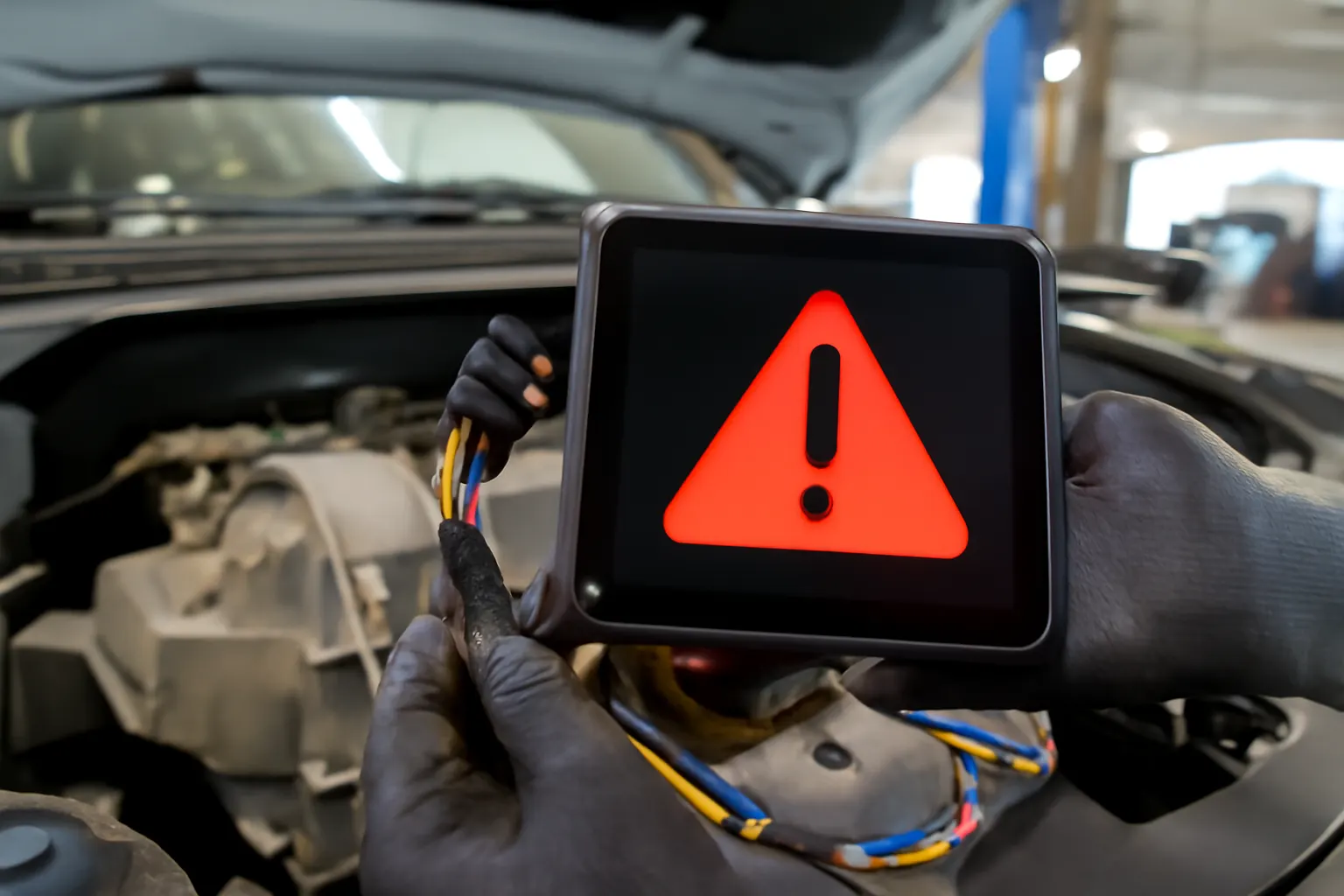
5 Warning Signs of Failing Transmission Wiring
Transmission wiring harness issues often masquerade as general drivability or transmission problems. Here are the five most frequent and critical warning signs that your transmission wiring may be failing: Erratic or Harsh Shifting: Sudden, unexpected gear changes, slipping, or delayed engagement. Transmission Warning Lights: Illumination of the transmission or check engine light, often accompanied by specific transmission-related diagnostic trouble codes (DTCs).
Read More
Engine Wiring Harness: Inspection and Upgrade Guide
An engine wiring harness is a bundled set of electrical wires, connectors, and terminals that link the engine’s sensors, actuators, ignition system, and fuel management components to the ECU and other control modules. It is engineered to withstand harsh automotive environments, including high temperatures, vibration, and chemical exposure. A healthy engine harness ensures: Reliable ignition and fuel delivery Proper sensor feedback for fuel economy and emissions Accurate transmission of diagnostic codes Prevention of shorts, misfires, and electrical fires While engine…
View Guide
Transmission Wiring Harness: Materials and Innovations
The transmission wiring harness is the lifeline of modern automatic and dual-clutch transmissions, ensuring precise electronic control and robust signal integrity under extreme automotive conditions. Today’s OEM-grade harnesses are engineered from advanced materials for superior heat resistance, chemical durability, and electrical performance. In this guide, AutoPartEx delivers a technical overview of the materials, engineering breakthroughs, and real-world innovations shaping the next generation of transmission wiring harnesses—plus practical advice for diagnostics, sourcing, and installation.
Read More