Advertisement
Modern vehicles rely on a complex network of drivetrain sensors to ensure optimal performance, fuel efficiency, and safety. But not all sensors are created equal—some are far more prone to failure than others, leading to costly repairs, reduced drivability, and even safety risks if not addressed quickly. In this AutoPartEx technical breakdown, we’ll reveal the top five most failure-prone drivetrain sensors, how to spot early warning signs, and what you can do to prevent small issues from becoming major headaches.
If you’re looking for replacement sensors, troubleshooting guides, or want to learn more about how these components fit into your vehicle’s operation, start with our Sensor (Drivetrain, Misc) – OEM & Aftermarket Drivetrain Sensors | AutoPartEx page for a comprehensive overview.
Immediate Answer: The Top 5 Drivetrain Sensors Most Likely to Fail
Let’s cut straight to the chase. Based on failure rates, service bulletins, and industry data, the five drivetrain sensors most likely to fail in modern vehicles are:
- Transmission Input and Output Speed Sensors
- Vehicle Speed Sensor (VSS)
- Crankshaft Position Sensor
- Camshaft Position Sensor
- Wheel Speed/ABS Sensor
Each plays a critical role in drivetrain control, and their failure can cause anything from annoying warning lights to complete loss of drivability. We’ll unpack each sensor, why it’s prone to failure, and what symptoms to look out for.
The Hidden Problem: Early Sensor Failure Is More Common Than Most Drivers Realize
What most drivers (and even some technicians) don’t realize is how often these sensors fail before their expected service life is up. Factors like heat, vibration, electrical surges, and even simple connector corrosion can lead to intermittent or permanent sensor faults.
The consequences of a failed drivetrain sensor aren’t always immediately obvious. You might notice a check engine light, but sometimes symptoms are subtle: erratic shifting, delayed acceleration, or even a mysterious drop in fuel efficiency. Left unchecked, a faulty sensor can cause secondary damage to transmission components, driveline parts, or even engine internals—multiplying your repair bill.
Why Drivetrain Sensors Fail: Technical and Environmental Factors
Drivetrain sensors operate in one of the harshest environments in your vehicle. Here’s why these particular sensors are so failure-prone:
- Thermal Cycling: Drivetrain components experience extreme temperature changes, especially during stop-and-go driving or towing.
- Vibration & Mechanical Stress: Constant vibration can fatigue sensor wiring and connectors, causing intermittent faults.
- Contamination: Transmission fluid leaks, water ingress, and road debris can penetrate sensor housings and degrade internal electronics.
- Electrical Issues: Surges, shorts, and poor grounds can damage delicate sensor circuits.
- Material Fatigue: Over time, plastic and metal components in sensors can degrade, especially if inferior materials are used (common with some aftermarket parts).
According to the United States Department of Energy, sensor reliability is a key factor in both fuel efficiency and overall drivetrain performance. A single failing sensor can send incorrect data to the vehicle’s control modules, triggering a cascade of drivability issues.
Deep Dive: The Top 5 Failure-Prone Drivetrain Sensors
Let’s examine each of the top five sensors, why they fail, and the specific drivability symptoms they cause.
1. Transmission Input and Output Speed Sensors
Function: These sensors monitor the rotational speed of the transmission’s input and output shafts, providing critical data for shift timing and torque converter lockup.
Common Failure Modes:
- Internal coil failure due to heat and vibration.
- Fluid contamination shorting sensor circuits.
- Broken or corroded connectors.
Symptoms of Failure:
- Harsh or delayed shifting.
- Transmission stuck in limp mode.
- Erratic speedometer or tachometer readings.
- Diagnostic trouble codes (DTCs) such as P0715 or P0720.
Why They Fail Often: Located inside or on the transmission case, they’re exposed to high heat, ATF contamination, and constant movement.
2. Vehicle Speed Sensor (VSS)
Function: The VSS measures the rotational speed of the wheels or transmission output, feeding data to the speedometer, cruise control, and engine/transmission control modules.
Common Failure Modes:
- Magnetic pickup degradation.
- Wiring harness damage from road debris.
- Connector corrosion.
Symptoms of Failure:
Advertisement
- Non-functioning or erratic speedometer.
- Cruise control inoperative.
- Harsh or unpredictable shifting.
- ABS or traction control warning lights.
Why They Fail Often: Their exposed location on the transmission or differential makes them vulnerable to the elements.
3. Crankshaft Position Sensor
Function: This sensor tracks the position and rotational speed of the crankshaft, allowing precise fuel injection and ignition timing.
Common Failure Modes:
- Internal electronic failure from heat.
- Physical damage from debris.
- Oil contamination.
Symptoms of Failure:
- Engine stalling or no-start condition.
- Misfires or rough running.
- Loss of power.
- DTCs such as P0335.
Why They Fail Often: Proximity to the engine block exposes them to extreme heat and vibration.
4. Camshaft Position Sensor
Function: Measures the camshaft’s position to synchronize fuel injection and ignition timing with the crankshaft.
Common Failure Modes:
- Heat-induced electronic failure.
- Oil or coolant contamination.
- Wiring harness fatigue.
Symptoms of Failure:
- Extended cranking or no-start.
- Poor acceleration.
- Reduced fuel efficiency.
- DTCs such as P0340.
Why They Fail Often: Like the crankshaft sensor, it’s exposed to harsh engine conditions.
5. Wheel Speed/ABS Sensor
Function: Provides real-time wheel speed readings for ABS, traction control, and stability control systems.
Common Failure Modes:
- Sensor tip contamination from brake dust or rust.
- Broken wires from road debris.
- Sensor misalignment after suspension work.
Symptoms of Failure:
- ABS warning light.
- Traction control disabled.
- Inoperative speedometer (on some systems).
- Pulsing brakes or loss of ABS function.
Why They Fail Often: Mounted near the wheels, they’re constantly exposed to water, salt, and debris.
How to Spot Early Warning Signs of Sensor Failure
Early detection can save you time, money, and frustration. Here’s a checklist for recognizing sensor-related drivetrain issues before they escalate:
Drivetrain Sensor Failure: Early Warning Checklist
- Check Engine Light or Transmission Warning: Don’t ignore warning lights, even if the vehicle seems to run normally.
- Erratic Shifting or Slipping: Sudden changes in shift quality or unexpected gear changes often point to speed sensor issues.
- Unusual Noises: Clicking, grinding, or whining noises during shifting can indicate sensor miscommunication.
- Non-Functioning Speedometer or Tachometer: Intermittent or dead gauges may signal VSS or transmission sensor failure.
- Stalling or No-Start: Especially after the engine has warmed up, this can indicate a crankshaft or camshaft sensor problem.
- ABS/Traction Control Lights: Persistent warning lights after starting the vehicle suggest wheel speed sensor faults.
- Loss of Cruise Control: Often tied to VSS or wheel speed sensor failure.
- Poor Fuel Economy: A sudden drop in mileage can be traced to incorrect sensor data affecting shift points and engine timing.
If you notice any of these symptoms, prompt diagnosis is critical. For step-by-step troubleshooting, see our How to Diagnose Drivetrain Sensor Faults guide.
Diagnosing Drivetrain Sensor Failures: Tools and Techniques
Proper diagnosis is key to avoiding unnecessary sensor replacements or chasing phantom faults. Here’s how professionals approach drivetrain sensor diagnostics:
Step-by-Step Diagnostic Process
- Scan for Diagnostic Trouble Codes (DTCs): Use an OBD-II scanner to pull fault codes. Note both active and pending codes.
- Visual Inspection: Check connectors, wiring, and sensor housings for physical damage, corrosion, or contamination.
- Live Data Monitoring: Use a scan tool to observe sensor outputs in real time. Look for erratic or implausible readings.
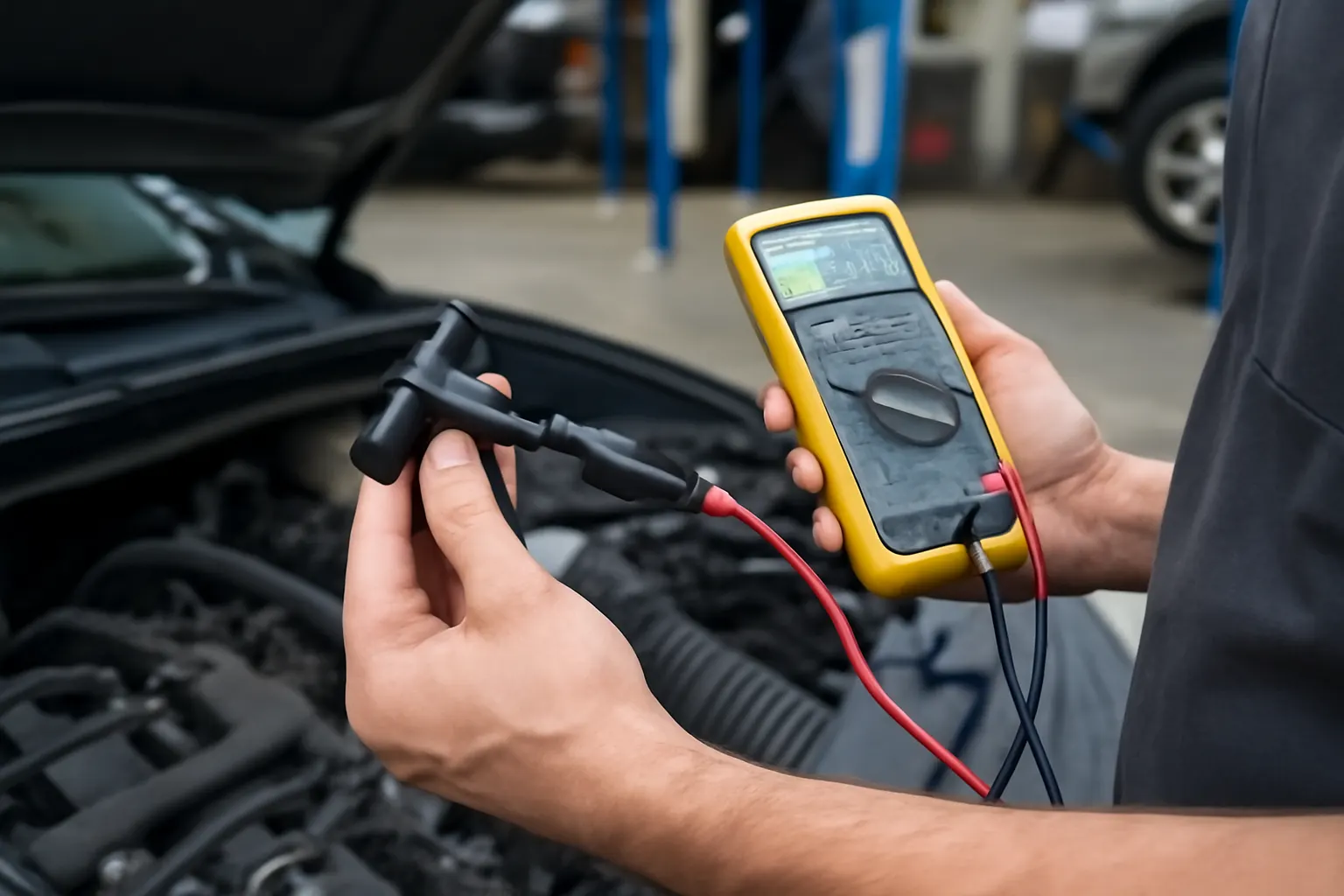
- Resistance and Voltage Testing: Use a multimeter to check sensor resistance or voltage output against manufacturer specs.
- Wiggle Test: Gently move wiring harnesses to check for intermittent faults.
- Compare Left/Right (for Wheel Speed Sensors): Compare readings between wheels to spot outliers.
Pro Tip: Always verify power and ground circuits before condemning a sensor. Many “sensor failures” are actually wiring or connector issues.
The Cost of Ignoring Drivetrain Sensor Problems
Failing to address sensor faults promptly can have cascading effects:
- Transmission Damage: Incorrect speed or position data can cause harsh shifts, overheating, or internal damage.
- Reduced Fuel Economy: As highlighted by the US Department of Energy, even minor sensor faults can degrade efficiency.
- Safety System Deactivation: ABS, traction, and stability control may be disabled, increasing accident risk (NHTSA).
- Catalytic Converter Damage: Prolonged misfires from crank/cam sensor faults can destroy expensive emissions components.
- Inspection Failure: Many regions require all sensors to be operational for vehicle inspections.
Advertisement
OEM vs. Aftermarket Sensors: Making the Right Choice
Not all sensors are created equal. When replacing a failed drivetrain sensor, you’ll need to choose between OEM and aftermarket options. Here’s what to consider:
OEM Sensors
- Pros: Exact fit, factory calibration, proven reliability.
- Cons: Higher cost, sometimes limited availability.
Aftermarket Sensors
- Pros: Lower price, wide availability, options for older vehicles.
- Cons: Variable quality, occasional fitment or calibration issues.
Key Takeaway: For critical drivetrain sensors, OEM parts are often worth the extra investment for reliability and long-term durability. However, some reputable aftermarket brands meet or exceed OEM specs—always check for certifications and reviews.
For a deep comparison, see our Sensor Replacement: OEM vs Aftermarket Explained guide.
Installation Tips: Ensuring a Successful Sensor Replacement
Replacing a drivetrain sensor is often straightforward, but small mistakes can lead to repeat failures. Follow these best practices:
- Disconnect the Battery: Prevent accidental shorts or surges.
- Clean Mounting Surfaces: Remove old debris, oil, or corrosion before installing the new sensor.
- Use Dielectric Grease: Apply to electrical connectors to repel moisture and prevent corrosion.
- Torque to Spec: Over-tightening can damage plastic sensor housings or cause misalignment.
- Double-Check Routing: Ensure wiring is secured away from moving or hot components.
- Clear DTCs After Installation: Use a scan tool to reset codes and verify sensor operation.
Preventive Maintenance: Extending Sensor Life
While some sensor failures are inevitable, you can extend the lifespan of your drivetrain sensors with regular maintenance:
- Inspect Wiring Harnesses: Look for chafing, abrasion, or exposed wires during oil changes or undercar inspections.
- Keep Connectors Clean: Use electrical contact cleaner to remove corrosion or debris.
- Replace Seals and Gaskets: Prevent fluid leaks that can contaminate sensors.
- Avoid High-Pressure Washing: Direct water jets at sensors or connectors can force moisture inside.
- Use Quality Fluids: Old or contaminated transmission or engine oil accelerates sensor wear.
Regular maintenance of related electrical & sensor parts can catch small problems before they cause sensor failures.
Sourcing the Right Sensor: Fitment and Compatibility
With so many sensor options, choosing the right replacement can be confusing. Here’s how to ensure compatibility:
- Check Vehicle Fitment: Always verify year, make, model, engine, and transmission details.
- Cross-Reference Part Numbers: Use OEM numbers to match aftermarket equivalents.
- Review Connector Type: Some sensors have multiple connector styles for the same application.
- Confirm Calibration: For speed and position sensors, correct calibration ensures accurate readings.
Use trusted suppliers like AutoPartEx to filter by vehicle and guarantee fitment. Our category page for Sensor (Drivetrain, Misc) – OEM & Aftermarket Drivetrain Sensors offers a curated selection for most major makes and models.
When to Replace: Proactive vs. Reactive Sensor Service
Should you replace drivetrain sensors at the first sign of trouble, or wait until they completely fail? Here’s our expert take:
- Replace Immediately: If you have active symptoms (no-start, erratic shifting, safety system faults) or confirmed DTCs.
- Monitor: For intermittent issues, monitor live data and check for worsening symptoms.
- Preventive Replacement: For high-mileage vehicles, consider replacing critical sensors (crank/cam, VSS) during major service intervals or when doing related repairs.
Expert Tip: If one sensor fails due to contamination or wiring issues, inspect related sensors—especially if they share a harness or mounting location.
AutoPartEx: Your Partner in Drivetrain Sensor Reliability
At AutoPartEx, we specialize in sourcing both OEM and high-quality aftermarket drivetrain sensors, with detailed fitment data and technical support. Our platform connects you with the right part for your vehicle, backed by expert guides and diagnostic resources.
Explore our Sensor (Drivetrain, Misc) – OEM & Aftermarket Drivetrain Sensors for trusted brands, or dive into our Understanding Transmission Speed Sensors article for deeper technical insights.
Take Action: Don’t Ignore Drivetrain Sensor Symptoms
If you’re experiencing shifting problems, warning lights, or unexplained drivability issues, don’t wait—diagnose and address drivetrain sensor faults before they escalate. Early action protects your drivetrain, preserves fuel efficiency, and ensures vehicle safety.
For more hands-on guidance, see our How to Diagnose Drivetrain Sensor Faults and reach out to the AutoPartEx team for sourcing help or technical advice.
References
Advertisement