Advertisement
Preventative Maintenance for Drivetrain Electronics
Modern vehicles rely on a complex network of drivetrain sensors and electronic modules to deliver optimal performance, efficiency, and safety. Routine preventative maintenance—including inspection, cleaning, and timely software updates—can significantly extend the operational life of these critical components, helping you avoid expensive repairs and unexpected breakdowns. This guide details essential maintenance strategies for drivetrain electronics, empowering vehicle owners and technicians to keep systems running smoothly and reliably.
For more in-depth information about drivetrain sensors and their role in modern vehicles, visit our Sensor (Drivetrain, Misc): Precision Monitoring for Modern Drivetrain Systems | AutoPartEx category page.
Why Preventative Maintenance Matters for Drivetrain Electronics
Drivetrain electronics—including speed sensors, position sensors, solenoids, and control modules—are the backbone of precision vehicle operation. These components constantly monitor and communicate data crucial for shifting, traction, efficiency, and safety systems. Preventative maintenance is not just about avoiding failure; it’s about optimizing performance, fuel economy, and the longevity of your entire drivetrain.
Neglecting these components can lead to subtle drivability issues, reduced fuel efficiency, and even safety hazards, as outlined by the National Highway Traffic Safety Administration (NHTSA). Proactive care ensures your vehicle's advanced systems remain accurate and functional.
The Hidden Problems: How Drivetrain Electronics Degrade
While many vehicle owners are vigilant about oil changes and brake pad replacements, drivetrain electronics often go overlooked until a warning light appears. The challenge is that electronic sensor degradation is often invisible until it causes secondary mechanical or drivability issues. Common hidden risks include:
- Corrosion of Connectors: Moisture intrusion and road salt can corrode sensor pins and connectors, causing intermittent faults.
- Sensor Contamination: Metal shavings, dirt, or transmission fluid can accumulate on sensor tips, degrading signal quality.
- Thermal Cycling: Repeated heating and cooling cycles can cause solder joints and PCB traces to crack in modules.
- Software Drift: Outdated firmware can lead to miscommunication between drivetrain modules, reducing system efficiency.
These issues tend to develop gradually, making them hard to detect without routine inspection and diagnostic checks.
Common Symptoms of Drivetrain Electronics Failure
Understanding the early warning signs of drivetrain electronics problems can prevent more serious failures:
- Erratic Shifting or Transmission Slippage: Often caused by faulty speed or position sensors.
- ABS or Traction Control Warnings: Drivetrain sensors provide critical input for these systems.
- Check Engine Light: Generic or manufacturer-specific codes may point to sensor or module faults.
- Decreased Fuel Efficiency: Sensor inaccuracies can affect shift points and engine load calculations, as noted by the U.S. Department of Energy.
- Unusual Noises or Vibrations: Electronic control errors can cause improper engagement of drivetrain components.
If any of these symptoms appear, prompt diagnostic action is essential.
Key Drivetrain Electronics: What Needs Maintenance?
Drivetrain electronics encompass a wide range of components, each requiring specific care:
- Wheel Speed Sensors: Critical for ABS, traction control, and all-wheel-drive systems.
- Transmission Input/Output Speed Sensors: Monitor shaft speeds to control shifting and torque converter lockup.
- Shift Solenoids and Valve Bodies: Electrically actuated valves that direct transmission fluid.
- Electronic Control Modules (ECMs/TCMs): The brains coordinating sensor input and actuator output.
- Position Sensors (e.g., gear position, range sensors): Ensure correct gear selection and shifting logic.
- Clutch and Transfer Case Actuators: In AWD/4WD vehicles, these control torque distribution.
Advertisement
A comprehensive drivetrain components catalog can help identify all electronic elements in your specific vehicle.
Routine Inspection: The Foundation of Preventative Maintenance
Visual and hands-on inspection is the first line of defense against drivetrain electronics failure. Here's how to approach it:
Inspection Checklist
| Step | What to Look For | Tools/Notes |
|---|---|---|
| 1 | Examine wiring harnesses and connectors | Look for corrosion, broken clips |
| 2 | Inspect sensor mounting points | Ensure sensors are secure, undamaged |
| 3 | Check for fluid leaks | Transmission or differential leaks |
| 4 | Scan for stored diagnostic codes | Use OBD-II or manufacturer scan tool |
| 5 | Verify harness routing | Avoid contact with hot/moving parts |
Perform these checks during routine oil changes or before long trips. Early detection of corrosion, loose connectors, or fluid leaks can prevent sensor and module damage.
Cleaning and Protecting Drivetrain Sensors
Contaminants such as dirt, metal debris, and old lubricant can impair sensor operation. Proper cleaning is vital:
- Wheel and Speed Sensors: Remove and gently clean with a lint-free cloth and electronics-safe cleaner. Do not use abrasive materials, as sensor tips are often delicate.
- Connectors: Use contact cleaner to remove oxidation. Apply dielectric grease to prevent future corrosion.
- Sensor Housings: Inspect for cracks or damage where moisture could enter.
Never use high-pressure water or aggressive solvents, which can force moisture into sealed connectors or damage sensitive components.
Software Updates: The Overlooked Maintenance Task
Many vehicle owners and shops overlook the importance of keeping drivetrain control modules up to date. Manufacturers regularly release firmware updates that can:
- Improve shift quality and fuel efficiency
- Address known sensor or communication faults
- Enhance compatibility with replacement parts
Check with your dealership or trusted independent shop about available updates for your transmission control module (TCM), engine control module (ECM), or all-wheel-drive module.
Diagnosing Drivetrain Electronics: Beyond the Basics
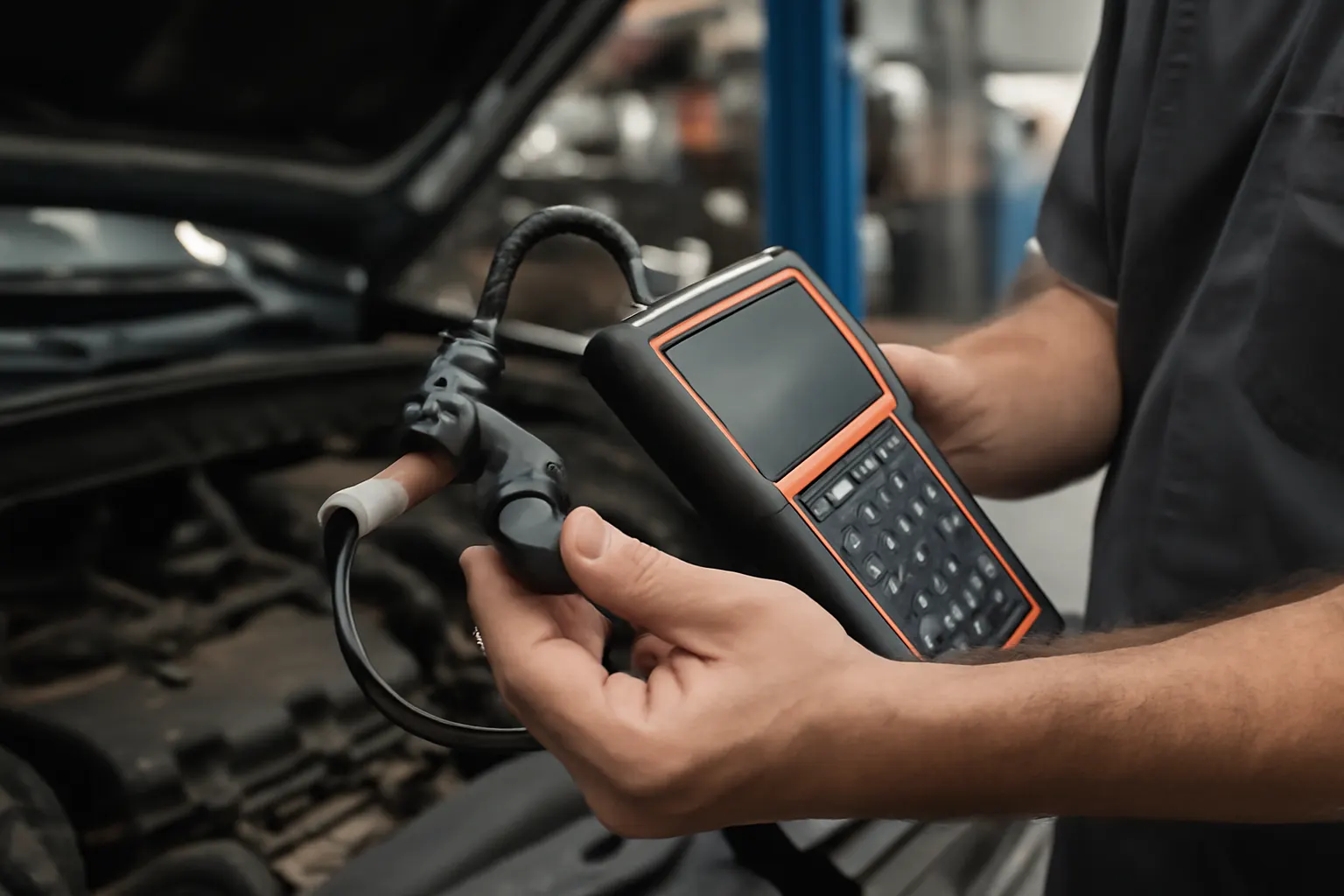
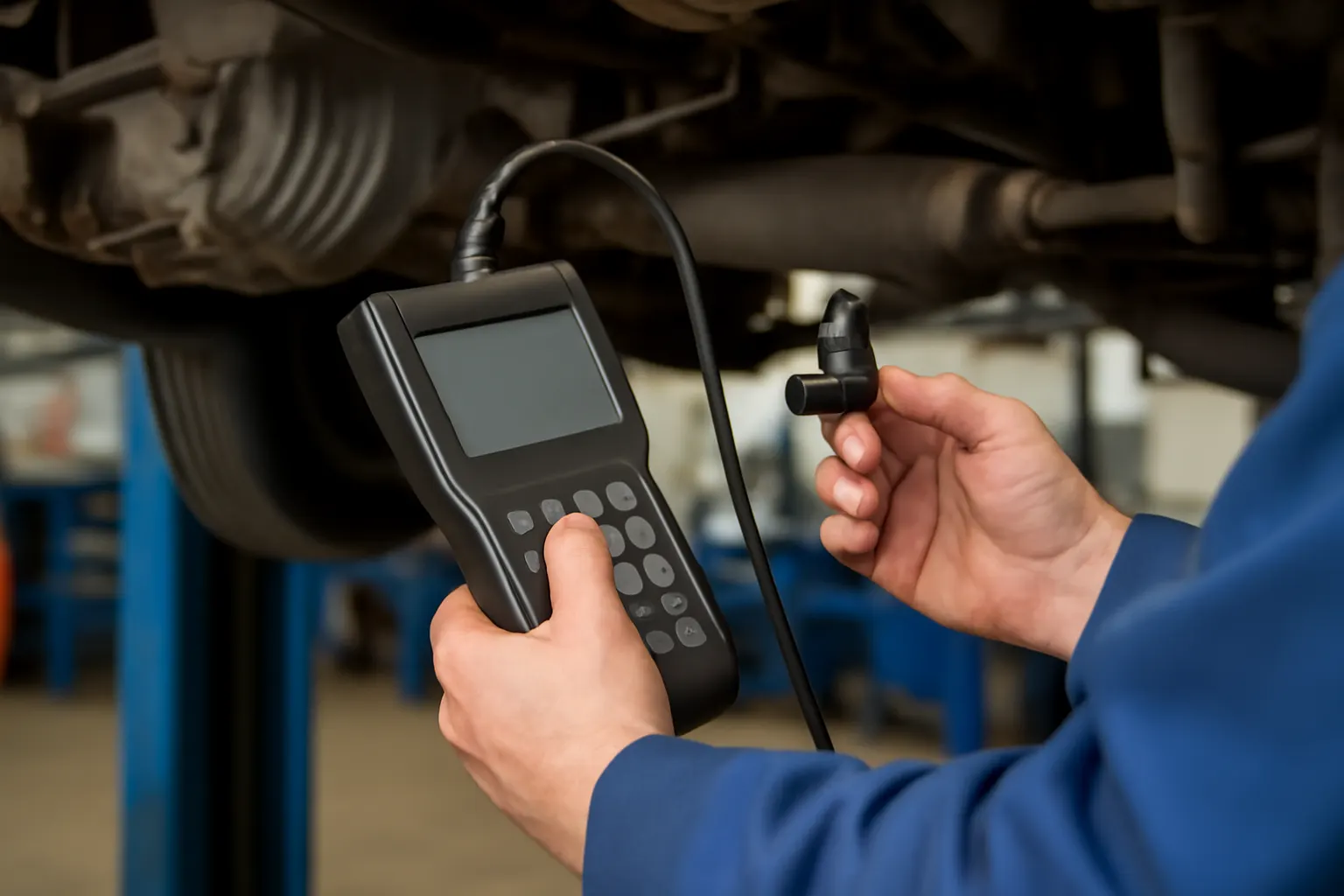
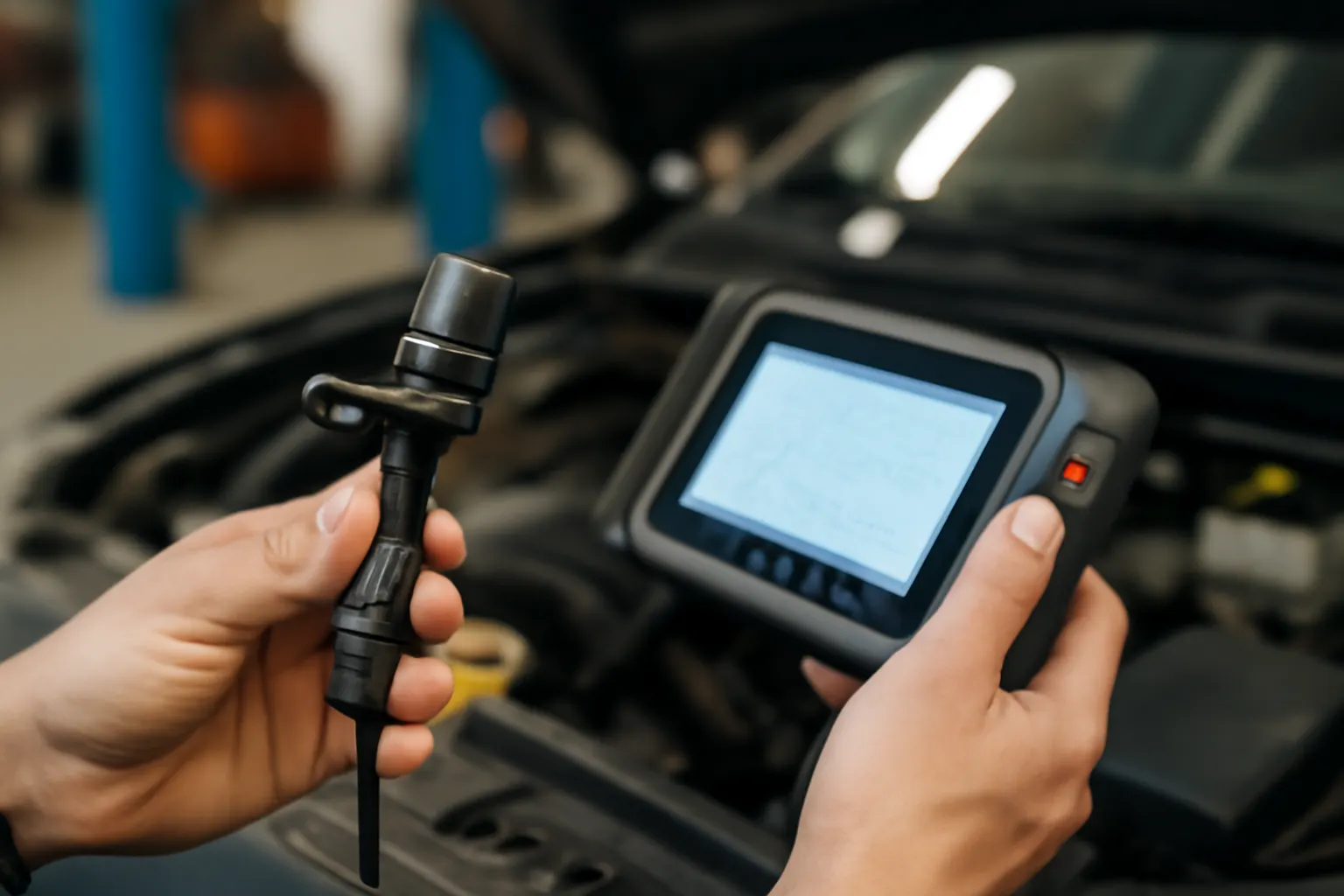
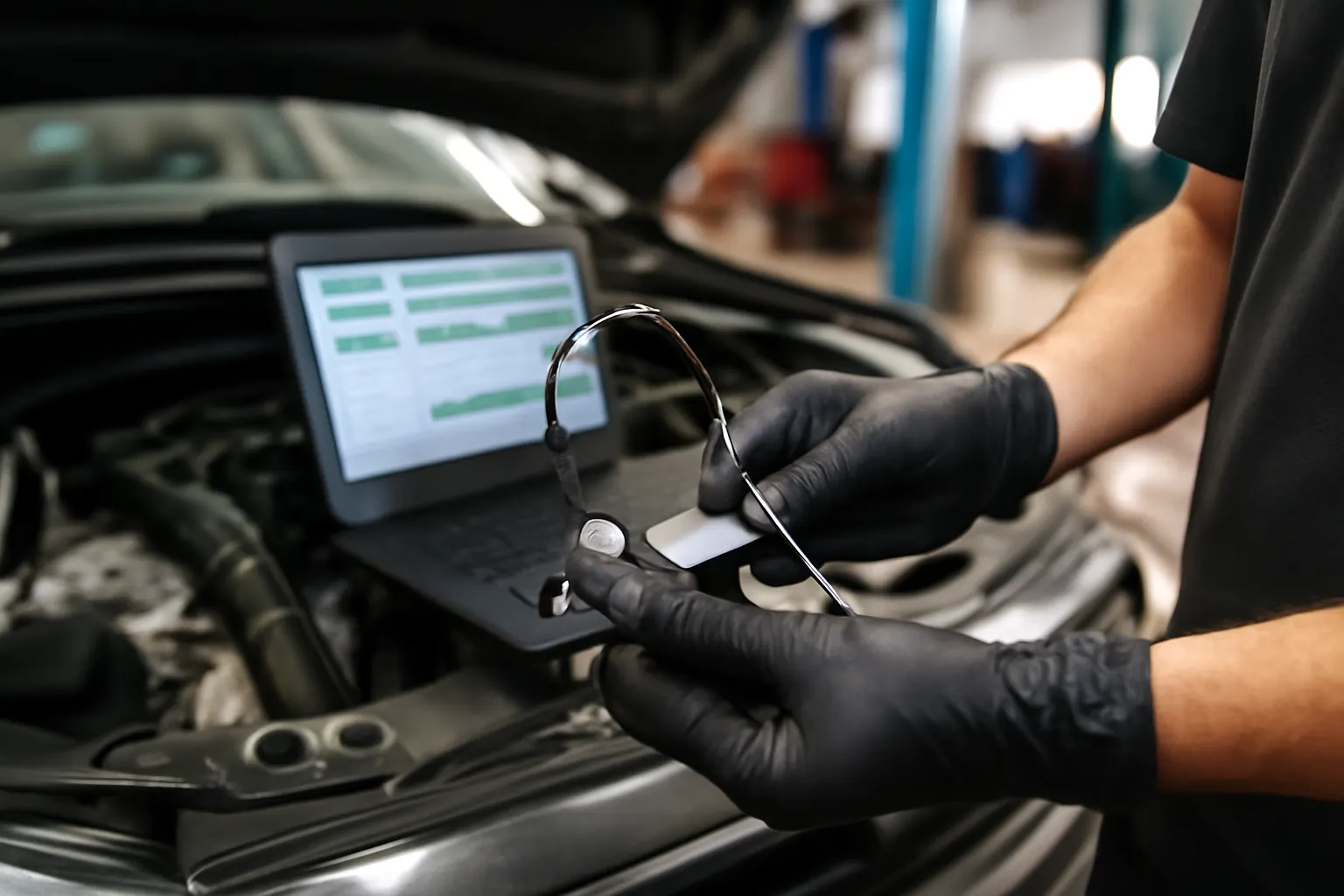
When warning lights appear or symptoms arise, effective diagnostics are crucial. Modern vehicles require more than a basic code reader—manufacturer-specific scan tools can access proprietary data and bi-directional controls for:
- Live Sensor Data: Compare real-time readings to spec values.
- Actuator Tests: Command solenoids or clutches to verify operation.
- System Resets and Relearns: Clear adaptive memory after repairs or part replacement.
For a deeper dive into troubleshooting, see our Common Drivetrain Sensor Failures and Diagnostics guide.
Replacement or Repair: When Maintenance Isn’t Enough
Despite best efforts, some drivetrain electronics will eventually require replacement. Key considerations:
- OEM vs. Aftermarket: Quality and compatibility are critical for sensors and modules. Inferior parts can cause persistent drivability issues.
- Calibration and Programming: Some sensors and all control modules require post-installation calibration or programming. Failure to do so can result in improper operation or additional warning lights.
- Physical Access: Drivetrain sensors are often located in hard-to-reach areas. Proper tools and lift equipment may be necessary.
For step-by-step installation guidance, refer to our How to Replace Drivetrain Speed Sensors article.
Environmental and Safety Considerations
Drivetrain electronics are exposed to harsh conditions—temperature extremes, moisture, vibration, and chemical exposure. The Department of Energy highlights the importance of robust materials and protective engineering, but even the best designs benefit from owner vigilance:
Advertisement
- Avoid Deep Water and Off-Road Hazards: Water intrusion is a leading cause of sensor and connector failure.
- Protect Against Salt and Chemicals: In winter climates, wash the undercarriage regularly to remove salt and road chemicals.
- Monitor for Recalls: Faulty drivetrain electronics are sometimes subject to manufacturer recalls. Check your VIN at the NHTSA recall website.
Maintenance Schedule: How Often Should You Service Drivetrain Electronics?
There is no universal interval, as service needs vary by vehicle make, model, and driving conditions. However, a solid preventative maintenance schedule includes:
- Every 12 Months or 12,000 Miles: Visual inspection of wiring, connectors, and sensors; scan for codes.
- At Every Fluid Change: Check for leaks, clean accessible sensors, inspect harness routing.
- After Severe Conditions: Inspect after off-road use, water crossings, or exposure to corrosive chemicals.
- When Symptoms Appear: Immediate diagnostic scan and inspection if warning lights, shifting issues, or drivability problems arise.
Keep records of inspections, cleaning, and any software updates performed. Documentation is valuable for warranty claims and resale value.
The Role of Quality Parts and Proper Fitment
Using high-quality, vehicle-specific parts is essential for drivetrain electronics. Poorly fitting or substandard components can cause:
- False readings and warning lights
- Premature failure due to inadequate sealing or materials
- Compatibility issues with vehicle software
When sourcing parts, always verify fitment by VIN or application data. The Sensor (Drivetrain, Misc): Precision Monitoring for Modern Drivetrain Systems | AutoPartEx category provides access to curated, quality-assured components for most major makes and models.
Advanced Preventative Strategies for Fleet and High-Use Vehicles
For commercial, fleet, or high-mileage vehicles, drivetrain electronics are under constant stress. Consider advanced maintenance strategies:
- Routine Data Logging: Use telematics or scan tools to monitor sensor trends and catch degradation early.
- Scheduled Module Updates: Proactively schedule firmware updates during downtime.
- Bulk Connector Inspection: Periodically disconnect, clean, and re-grease all drivetrain connectors as part of fleet maintenance.
- Sensor Lifecycle Planning: Replace high-failure-rate sensors on a schedule, not just after failure.
These strategies minimize downtime and extend the operational life of key drivetrain systems, directly impacting total cost of ownership.
AutoPartEx: Your Partner in Drivetrain Electronics Longevity
AutoPartEx is committed to supporting vehicle owners, technicians, and fleet managers with the resources and quality components needed for effective drivetrain electronics maintenance. Our extensive catalog, technical guides, and fitment tools simplify the process of sourcing the right parts and following best practices.
Explore our drivetrain components catalog or dive deeper into sensor technology and troubleshooting with our dedicated editorial and how-to content. Whether you’re a DIY enthusiast or a professional shop, AutoPartEx delivers the expertise and support you need for reliable, long-lasting drivetrain performance.
Conclusion: The Value of Proactive Drivetrain Electronics Maintenance
Preventative maintenance for drivetrain electronics is a critical investment in your vehicle’s reliability, efficiency, and safety. By integrating routine inspection, cleaning, software updates, and quality part replacement into your maintenance schedule, you protect both your vehicle’s advanced systems and your wallet from avoidable repairs.
Don’t wait for a warning light—start your preventative maintenance plan today and enjoy the peace of mind that comes with a healthy, high-performing drivetrain. For more guidance on specific sensors, troubleshooting, and installation, explore our full suite of resources, including Understanding Transmission Control Sensors.
References
Advertisement