Advertisement
Common Drivetrain Sensor Failures and Diagnostics
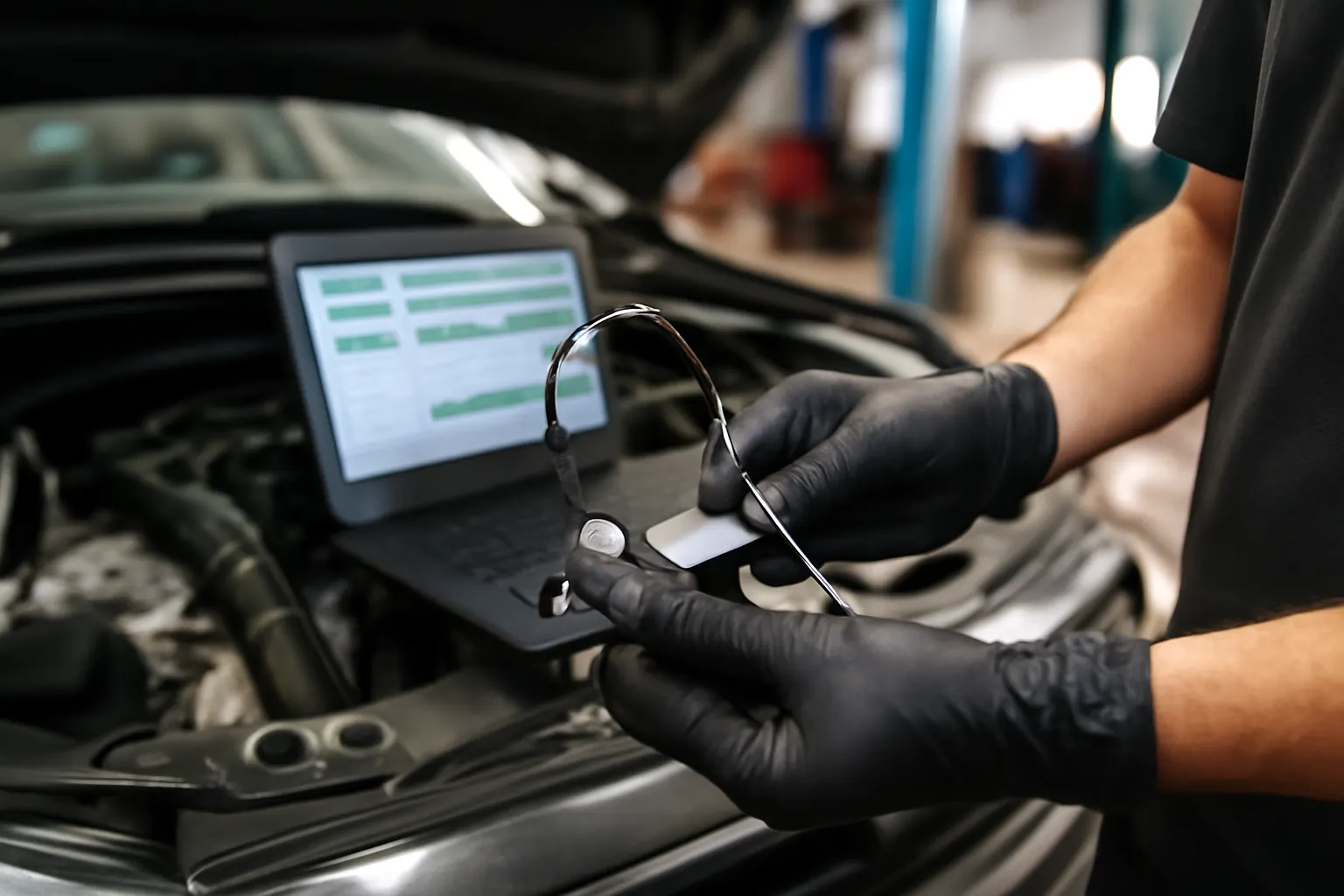
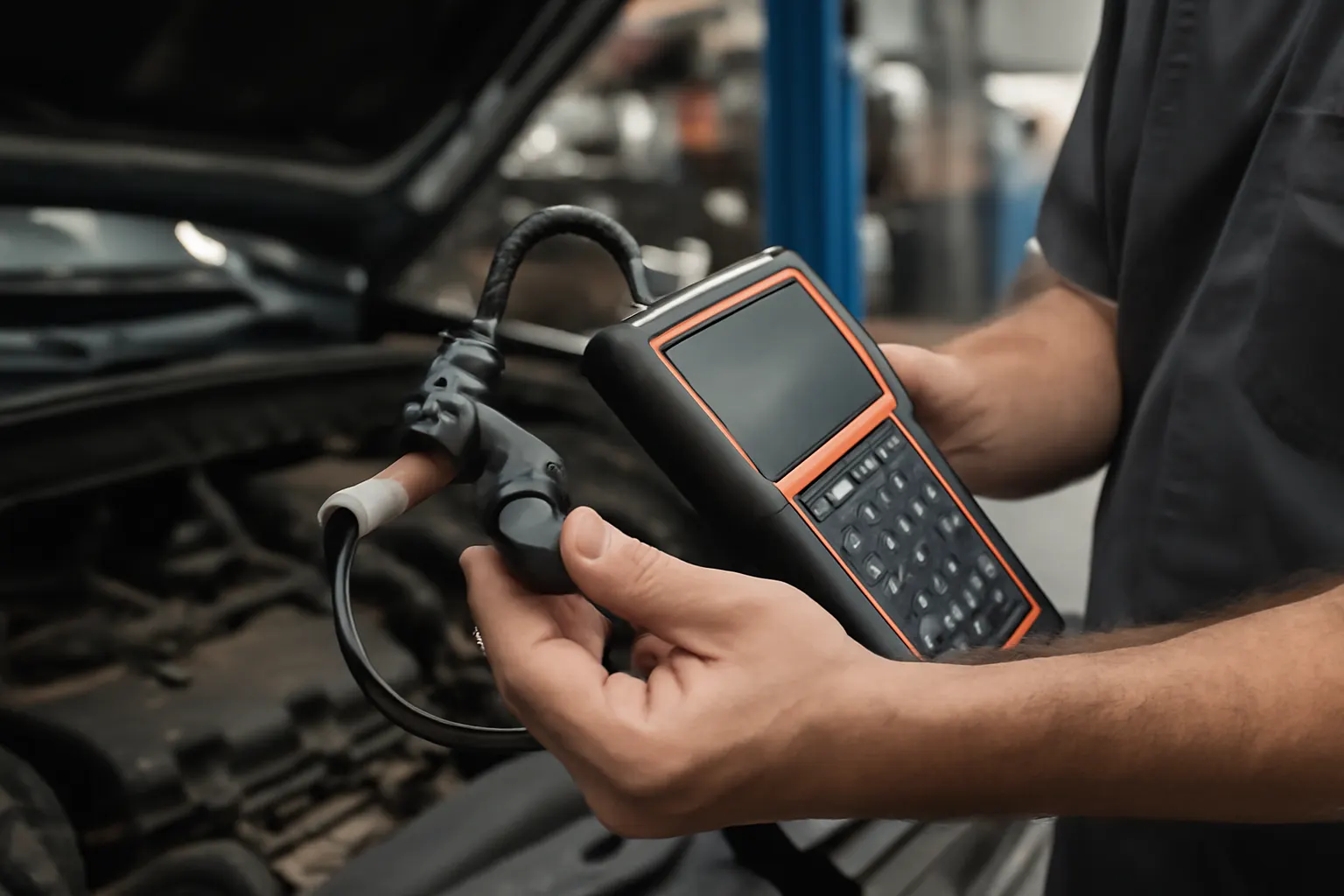
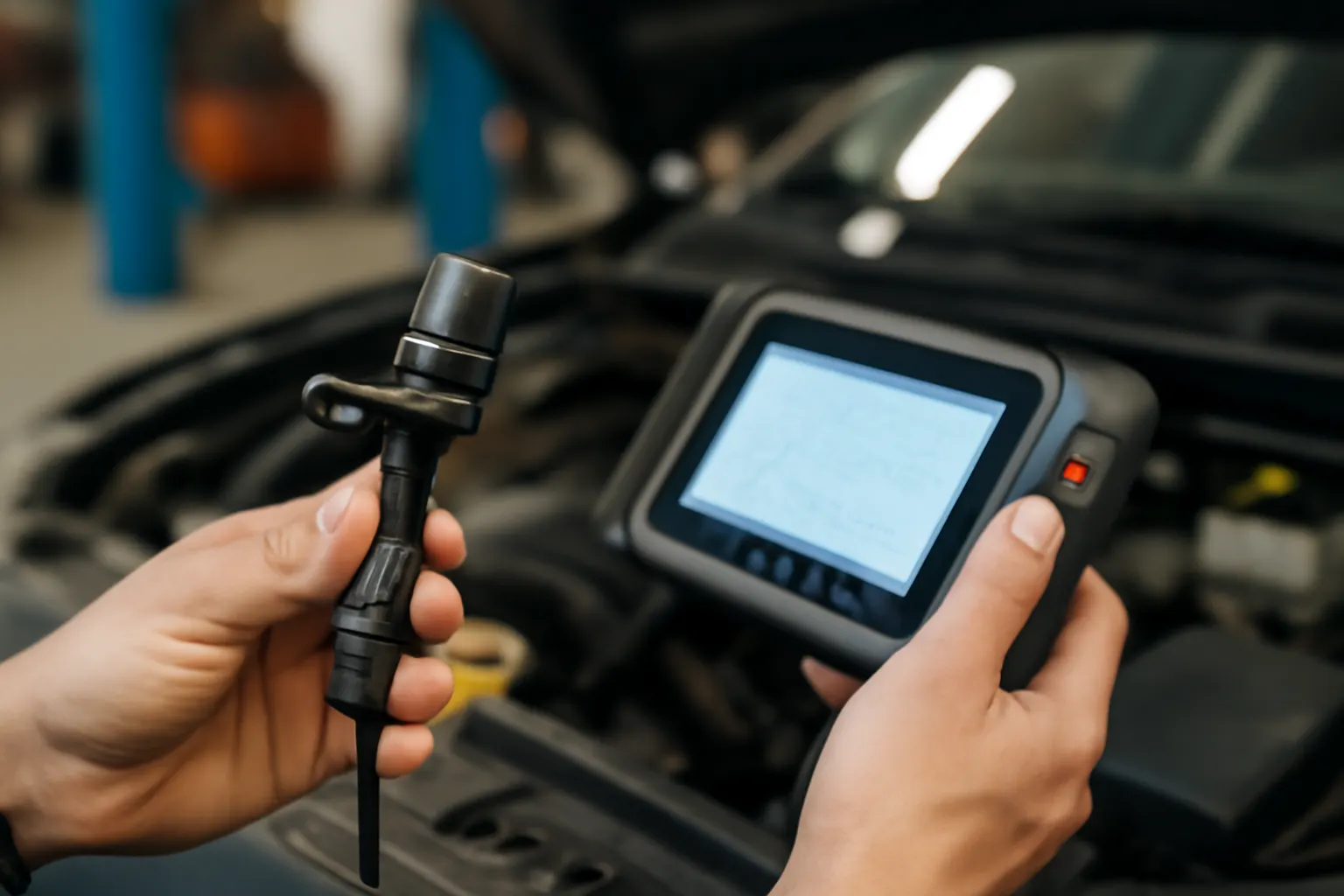
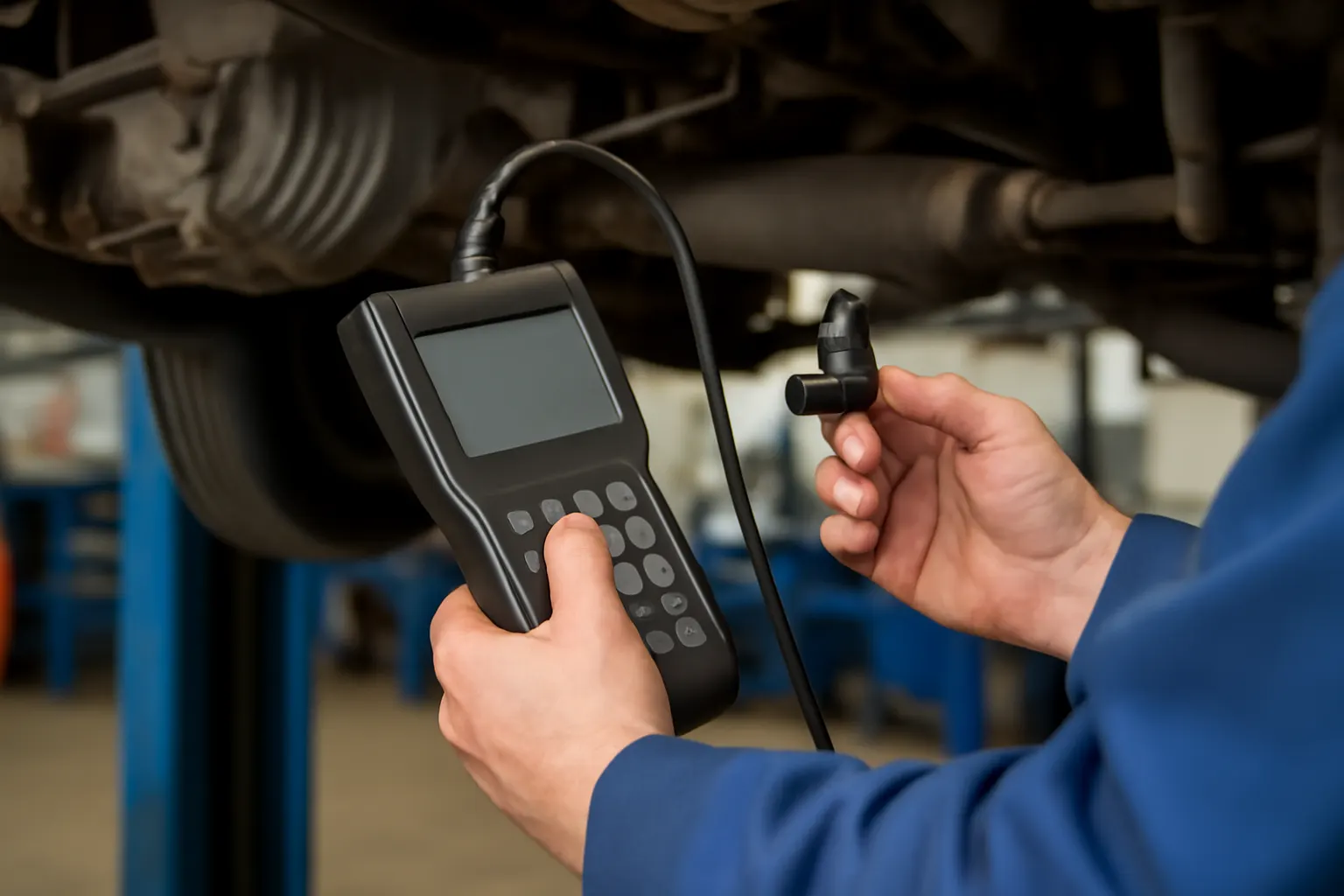
Drivetrain sensors are the silent sentinels of your vehicle’s performance, ensuring everything from gear shifts to all-wheel-drive engagement happens with precision. When these sensors fail, the result is often immediate: warning lights, erratic shifting, reduced fuel efficiency, or even sudden loss of drive. In this comprehensive AutoPartEx guide, you’ll discover the most common drivetrain sensor failures, practical diagnostic workflows, and proven best practices for repair and replacement—arming you with the knowledge to restore reliability and safety to your vehicle’s drivetrain.
If you’re seeking a deeper dive into the full range of drivetrain monitoring solutions, visit our Sensor (Drivetrain, Misc): Precision Monitoring for Modern Drivetrain Systems category for detailed parts breakdowns, fitment data, and more.
Why Drivetrain Sensor Failures Demand Immediate Attention
When a drivetrain sensor fails, the impact is rarely subtle. Unlike some ancillary electronics, drivetrain sensors—such as speed sensors, position sensors, and pressure sensors—directly influence critical transmission and differential functions. Their failure can result in:
- Sudden loss of shifting capability
- Unintended gear engagement
- Activation of limp-home modes
- Drivetrain warning lights or check engine lights
- Increased fuel consumption
- Potential for secondary mechanical damage
Ignoring these symptoms can lead to costly repairs, compromised safety, or even roadside breakdowns. The National Highway Traffic Safety Administration (NHTSA) underscores the importance of prompt diagnostics and repairs for all safety-critical components, including drivetrain sensors, to maintain vehicle safety and reliability [^1].
The Hidden Problem: Why Drivetrain Sensor Issues Are Often Misdiagnosed
Despite the obvious symptoms, drivetrain sensor failures are frequently misdiagnosed or overlooked. This is because:
- Symptoms overlap: Transmission, transfer case, and differential issues often present similar warning lights or performance faults.
- Intermittent failures: Many sensors degrade over time, causing sporadic issues that are hard to replicate in the shop.
- Complex sensor networks: Modern vehicles use multiple sensors for redundancy and precision, complicating pinpoint diagnostics.
- Software dependencies: Control modules interpret sensor signals; a software fault can mimic sensor failure, leading to unnecessary part swaps.
This diagnostic complexity is compounded by the integration of sensors with advanced vehicle safety systems and fuel efficiency controls, as highlighted by the U.S. Department of Energy [^2]. Misdiagnosis wastes time and can result in unnecessary parts replacement or even further drivetrain damage.
Core Types of Drivetrain Sensors and Their Failure Modes
Understanding the specific sensors used in drivetrain systems—and how they fail—is the first step toward accurate diagnostics and repair. Key sensor types include:
1. Transmission Input and Output Speed Sensors
- Function: Monitor shaft speeds to enable precise shifting and torque converter lockup.
- Common failures: Sensor element degradation, wiring corrosion, connector contamination.
- Symptoms: Erratic shifting, harsh engagement, incorrect speedometer readings.
2. Gear Position Sensors (Range Sensors)
- Function: Report current gear selection to the transmission control unit (TCU) and engine control unit (ECU).
- Common failures: Internal wear, water intrusion, misalignment.
- Symptoms: Gear indicator errors, no-start conditions, inability to shift out of park.
3. Transfer Case and Differential Position/Speed Sensors
- Function: Track rotation and engagement of all-wheel-drive or four-wheel-drive components.
- Common failures: Magnet loss, sensor housing cracks, harness damage.
- Symptoms: 4WD system malfunctions, warning lights, loss of traction control.
4. Pressure and Temperature Sensors
- Function: Monitor hydraulic pressure and fluid temperature for clutch actuation and safe operation.
- Common failures: Sealing failures, sensor drift, electrical short circuits.
- Symptoms: Overheating warnings, delayed engagement, transmission overheating.
Real-World Failure Scenarios: What Technicians See in the Field
Let’s examine some common real-world drivetrain sensor failures and the symptoms that bring vehicles into the shop:
-
Case 1: Erratic Shifting in a 2015 SUV
- Symptoms: Transmission stuck in third gear, check engine light illuminated.
- Diagnosis: Fault code P0720 (output speed sensor circuit malfunction). Visual inspection revealed corroded sensor connector due to road salt exposure.
- Resolution: Connector cleaned and sensor replaced, restoring normal shifting and clearing the fault.
-
Case 2: AWD Not Engaging in a Late-Model Crossover
- Symptoms: “AWD Disabled” warning, traction control light on.
- Diagnosis: Transfer case speed sensor not reporting. Sensor tested open circuit; water intrusion found in harness.
- Resolution: Harness repaired, sensor replaced, AWD functionality restored.
Advertisement
- Case 3: No-Start Condition in a Sedan
- Symptoms: Vehicle will not crank, gear indicator flashing.
- Diagnosis: Range sensor failed to report “Park” position due to internal short.
- Resolution: Range sensor replaced and aligned; vehicle started normally.
These cases highlight the diverse failure modes and the importance of targeted diagnostics to avoid unnecessary repairs.
How Drivetrain Sensor Failures Impact Fuel Efficiency and Safety
Drivetrain sensors are not just about performance—they’re central to both fuel efficiency and vehicle safety. According to the Department of Energy, accurate sensor readings allow control modules to optimize shift timing, minimize slippage, and improve torque delivery, directly impacting fuel economy [^2]. A malfunctioning speed or pressure sensor can force the transmission into a fixed gear (limp mode), causing the engine to operate inefficiently and increasing fuel consumption.
On the safety front, the NHTSA emphasizes that drivetrain sensor failures can disable critical functions like traction control, stability control, and all-wheel-drive engagement [^1]. This can lead to loss of vehicle control in adverse conditions, especially if the problem occurs suddenly while driving.
The Modern Diagnostic Workflow: Step-by-Step
Effective drivetrain sensor diagnostics require a systematic approach, leveraging both modern scan tools and traditional hands-on techniques. Here’s a proven workflow:
1. Interview and Symptom Documentation
- Record all customer complaints and dashboard warning lights.
- Note when symptoms occur (cold, hot, accelerating, etc.).
2. Scan Tool Data Retrieval
- Use a professional-grade scan tool to pull fault codes from all drivetrain and powertrain modules.
- Record freeze-frame data for codes related to speed, range, or pressure sensors.
3. Visual and Physical Inspection
- Inspect sensor connectors, harness routing, and mounting points.
- Look for corrosion, water intrusion, broken wires, or loose connectors.
4. Live Data Analysis
- Monitor sensor outputs in real time using scan tool data.
- Compare actual values to expected ranges during various driving conditions.
5. Component Testing
- Use a multimeter to check sensor resistance, voltage output, and ground integrity.
- For hall-effect sensors, verify signal output with an oscilloscope if available.
6. Circuit Integrity Check
- Perform continuity and short-to-ground tests on sensor wiring.
- Wiggle-test harnesses to expose intermittent faults.
7. Confirmed Fault Isolation
- If possible, substitute with a known-good sensor.
- Clear codes, perform a drive cycle, and verify symptom resolution.
Drivetrain Sensor Diagnostic Checklist
Use this checklist to streamline your troubleshooting process:
| Step | Action | Notes |
|---|---|---|
| Symptom Collection | Document exact symptoms and conditions | Include warning lights, noises, etc. |
| Code Retrieval | Scan all modules for stored/active codes | Note freeze-frame data |
| Visual Inspection | Check sensors, connectors, and harnesses | Look for corrosion or damage |
| Live Data Monitoring | Compare sensor readings to expected values | Use scan tool during test drive |
| Sensor Testing | Measure resistance/voltage (per service data) | Use oscilloscope for waveform sensors |
| Harness Testing | Check for continuity, shorts, opens | Wiggle test for intermittent issues |
| Substitution | Swap with known-good part if possible | Confirms sensor failure |
| Repair/Replace | Address identified faults | Use OE-quality or equivalent sensors |
| Post-Repair Verification | Clear codes, perform drive cycle | Ensure full system functionality |
Common Pitfalls and How to Avoid Them
Even experienced technicians can fall into these traps when diagnosing drivetrain sensor issues:
- Assuming the sensor is always at fault: Many sensor codes are caused by wiring or connector issues, not the sensor itself.
- Neglecting software updates: Outdated TCU/ECU software can misinterpret sensor data, leading to false codes or harsh shifting.
- Skipping the basics: Poor grounds, blown fuses, or low battery voltage can cause sensor errors that mimic hardware failure.
- Overlooking environmental factors: Water intrusion, heat soak, and vibration can cause intermittent failures that are hard to replicate in the shop.
A disciplined diagnostic approach, as outlined above, helps you avoid unnecessary parts replacement and ensures a lasting repair.
Repair and Replacement Best Practices
Once a faulty sensor or harness has been identified, follow these best practices for a reliable repair:
Advertisement
Sensor Replacement Guidelines
- Always match OE specifications: Use sensors that meet or exceed original equipment standards to ensure compatibility and longevity. Reference the drivetrain components catalog for application-specific part numbers.
- Inspect mounting surfaces: Clean and dry all mounting points before installing new sensors to prevent premature failure.
- Torque to specification: Over- or under-tightening can damage sensor housings or cause misalignment.
- Replace related seals and gaskets: Prevent fluid leaks and contamination.
- Clear codes and verify repair: Always clear fault codes after repair and perform a drive cycle to confirm system integrity.
Harness and Connector Repairs
- Use automotive-grade wiring and connectors: Avoid household electrical supplies, which lack necessary durability.
- Seal repairs against moisture: Use heat-shrink tubing and dielectric grease to protect against future corrosion.
- Route wiring as per factory diagrams: Prevent pinching, abrasion, or proximity to heat sources.
Preventative Maintenance for Drivetrain Sensors
Proactive maintenance can prevent many drivetrain sensor failures. Recommendations include:
- Regularly inspect sensor connectors and harnesses for signs of corrosion, moisture, or mechanical damage.
- Service drivetrain fluids at recommended intervals; contaminated or low fluid can affect pressure and temperature sensor accuracy.
- Address leaks promptly to prevent fluid ingress into sensor connectors.
- Monitor for software updates from the vehicle manufacturer that may improve sensor reliability or system diagnostics.
For a complete overview of preventative steps, see Preventative Maintenance for Drivetrain Electronics.
Sourcing Quality Drivetrain Sensors: What to Look For
With the proliferation of aftermarket parts, not all drivetrain sensors are created equal. When sourcing replacements:
- Demand OE or OE-equivalent quality: Inferior sensors may have poor calibration or limited lifespan.
- Check for compliance with SAE standards: SAE International sets rigorous performance and durability standards for automotive sensors 1.
- Verify fitment by VIN: Even within a model year, sensor types and connectors can vary.
- Confirm warranty and return policy: Protect yourself from defective or incompatible parts.
The Sensor (Drivetrain, Misc): Precision Monitoring for Modern Drivetrain Systems category at AutoPartEx features curated, application-verified sensors from trusted manufacturers.
Advanced Topics: Integration with Modern Vehicle Systems
Modern vehicles integrate drivetrain sensors with safety, emissions, and efficiency systems:
- Traction and stability control: Wheel speed and transfer case sensors feed data to stability control modules.
- Adaptive shift strategies: Transmission control units use real-time sensor data to optimize shift points for fuel economy and performance.
- Hybrid and electric drivetrains: Unique sensors monitor electric motor speed, inverter temperature, and battery interface.
This integration increases the importance of precise diagnostics and correct sensor selection. A failed sensor can cascade through multiple systems, leading to unexpected vehicle behavior.
When to Seek Professional Help
While many drivetrain sensor diagnostics and replacements can be performed by skilled DIYers, certain scenarios warrant professional intervention:
- Persistent or multiple sensor codes that cannot be resolved by standard diagnostics.
- Complex wiring or CAN bus faults requiring advanced test equipment.
- Sensor failures linked to safety system malfunctions (e.g., ABS, ESC, AWD disablement).
- Transmission or transfer case internal faults that may require partial disassembly.
Professional shops have access to factory service information, advanced scan tools, and technical support resources that can expedite accurate diagnosis and repair.
AutoPartEx: Your Partner in Drivetrain Sensor Solutions
At AutoPartEx, we understand the critical role drivetrain sensors play in modern vehicle reliability, safety, and performance. Our catalog features:
- Comprehensive fitment data for all major makes and models
- Only OE-quality and rigorously tested aftermarket sensors
- Detailed installation guides like How to Replace Drivetrain Speed Sensors and Understanding Transmission Control Sensors
- Technical support from experienced automotive professionals
Whether you’re a professional technician or a dedicated DIYer, trust AutoPartEx to deliver the right parts and the right information—every time.
Conclusion
Drivetrain sensor failures are a leading cause of shifting problems, warning lights, and loss of vehicle functionality. By understanding the types of sensors involved, their common failure modes, and the correct diagnostic workflow, you can avoid misdiagnosis, unnecessary repairs, and costly downtime. Always use OE-quality parts, follow proven best practices, and leverage trusted resources like AutoPartEx for your drivetrain sensor needs. Prompt attention to sensor issues not only restores performance but safeguards your vehicle’s safety and fuel efficiency for the long haul.
References
- Vehicle Safety and Equipment – National Highway Traffic Safety Administration
- Fuel Efficiency – United States Department of Energy
- SAE Standards – SAE International
Footnotes
Advertisement