Advertisement
Transmission sensors are critical for modern drivetrain operation, ensuring smooth shifting, optimal fuel efficiency, and vehicle safety. When these sensors fail, the effects can be immediate and severe—ranging from harsh gear changes to total loss of drive. Understanding the top causes of transmission sensor failure empowers vehicle owners, technicians, and fleet managers to prevent costly breakdowns and keep drivetrains running reliably. This guide details the leading causes, practical diagnostics, and expert prevention strategies, with actionable steps for maintaining and sourcing quality drivetrain sensors. For a comprehensive selection of replacement sensors and fitment resources, visit our Sensor (Drivetrain, Misc) – Fitment, Diagnostics & Replacement | AutoPartEx category.
Immediate Answer: What Causes Transmission Sensor Failure?
The most common causes of transmission sensor failure include electrical issues (such as corrosion, wiring damage, or poor connections), physical damage from road debris or improper installation, exposure to extreme temperatures or fluid contamination, and natural wear due to age and mileage. These factors can disrupt signal accuracy, leading to erratic transmission behavior, warning lights, or even limp mode.
The Hidden Problem: Why Sensor Failures Are Often Missed
Transmission sensor failures are frequently misdiagnosed or overlooked because their symptoms mimic other drivetrain issues. Drivers may notice shifting problems, delayed engagement, or dashboard warning lights, but these signs can also indicate problems with solenoids, control modules, or mechanical components. Without proper diagnostics, technicians risk replacing the wrong part, wasting time and resources, and leaving the root cause unresolved. Early detection and a systematic diagnostic approach are vital for effective repairs.
Understanding Transmission Sensors and Their Roles
Transmission sensors are electronic devices that monitor critical drivetrain parameters. The most common types include:
- Vehicle Speed Sensors (VSS): Monitor output shaft speed for shift timing and cruise control.
- Input Shaft/Turbine Speed Sensors: Track input shaft speed to synchronize gear changes.
- Transmission Fluid Temperature Sensors: Ensure fluid temperature stays within safe limits.
- Transmission Range Sensors (TRS): Detect gear selector position.
Each sensor provides real-time data to the transmission control module (TCM), which uses this information to optimize shifting, torque converter lockup, and adaptive strategies for fuel efficiency and emissions reduction. When a sensor fails or sends inaccurate data, the TCM may trigger fault codes, alter shift patterns, or enter a failsafe mode.
Electrical Failures: The #1 Cause of Sensor Malfunction
Electrical failures account for the majority of transmission sensor issues. These can include:
- Corroded Connectors: Moisture intrusion leads to oxidation, increasing resistance and degrading signal quality.
- Broken or Frayed Wiring: Physical stress, heat, or rodent damage can sever or short circuit signal wires.
- Loose or Poorly Seated Connectors: Vibration and improper installation can cause intermittent loss of contact.
These issues disrupt the low-voltage signals sensors use to communicate with the TCM. Modern vehicles rely on precise digital signals, so even minor voltage drops or spikes can cause significant problems.
Diagnostic Tip: Inspect connectors for green or white corrosion, check harness routing for chafing, and use a multimeter to verify continuity and voltage at the sensor terminals.
Physical and Environmental Damage
Transmission sensors are often mounted in exposed locations—on the transmission case or bellhousing—making them vulnerable to:
- Road Debris Impact: Rocks, ice, or other debris can physically damage sensor housings or connectors.
- Fluid Leaks: Transmission fluid or engine oil leaks can degrade sensor seals and cause short circuits.
- Improper Installation: Over-tightening, cross-threading, or misalignment during installation can crack housings or bend terminals.
Advertisement
Checklist: Physical Damage Inspection
- Examine sensor bodies for cracks, dents, or missing insulation.
- Check mounting brackets and fasteners for security.
- Inspect for signs of fluid seepage around sensor seals.
- Verify that connectors are fully seated and locked.
Contamination and Fluid Quality Issues
Transmission fluid is the lifeblood of the drivetrain, and its quality directly affects sensor performance:
- Dirty or Contaminated Fluid: Metal shavings, clutch debris, or water intrusion can coat sensor tips, interfering with magnetic or thermal readings.
- Incorrect Fluid Type: Using the wrong fluid can alter electrical properties and degrade sensor operation.
- Delayed Fluid Changes: Old fluid loses its protective qualities, allowing corrosion and deposit buildup.
Prevention: Follow manufacturer-recommended fluid change intervals, use only approved fluids, and address leaks promptly to keep sensors operating in a clean environment.
Heat, Vibration, and Age-Related Degradation
Transmission sensors operate in a harsh environment:
- Extreme Temperatures: High transmission temperatures accelerate internal sensor degradation, especially in fluid temperature sensors.
- Constant Vibration: Repeated shaking and movement can loosen connections or cause micro-cracks in sensor electronics.
- Age and Mileage: Even with perfect conditions, sensor materials can degrade over time, leading to slow response or drift in calibration.
Expert Note: Vehicles subjected to heavy towing, off-road use, or high-mileage operation are at greater risk for sensor failure due to these cumulative stresses.
Software and Calibration Issues
Sometimes, the sensor itself is not at fault—software or calibration errors in the transmission control module can misinterpret valid sensor signals:
- Outdated TCM Software: Older firmware may not recognize new sensor types or compensate for normal sensor drift.
- Improper Calibration: After sensor replacement or TCM reprogramming, failure to recalibrate can result in incorrect readings.
Solution: Always follow OEM procedures for TCM updates and sensor calibration after servicing.
Manufacturing Defects and Design Flaws
While most modern sensors are built to exacting standards, defects do occur:
- Batch Defects: Occasionally, entire runs of sensors may have weak solder joints, poor sealing, or substandard materials.
- Design Flaws: Some vehicle models are known for chronic sensor issues due to poor placement or inadequate protection.
How to Check: Consult Technical Service Bulletins (TSBs) and recall databases, such as the NHTSA recalls portal, to see if your vehicle is affected by known sensor problems.
Diagnosing Transmission Sensor Failure: Step-by-Step
Proper diagnosis prevents unnecessary part replacement and ensures the real issue is fixed. Here’s a proven workflow:
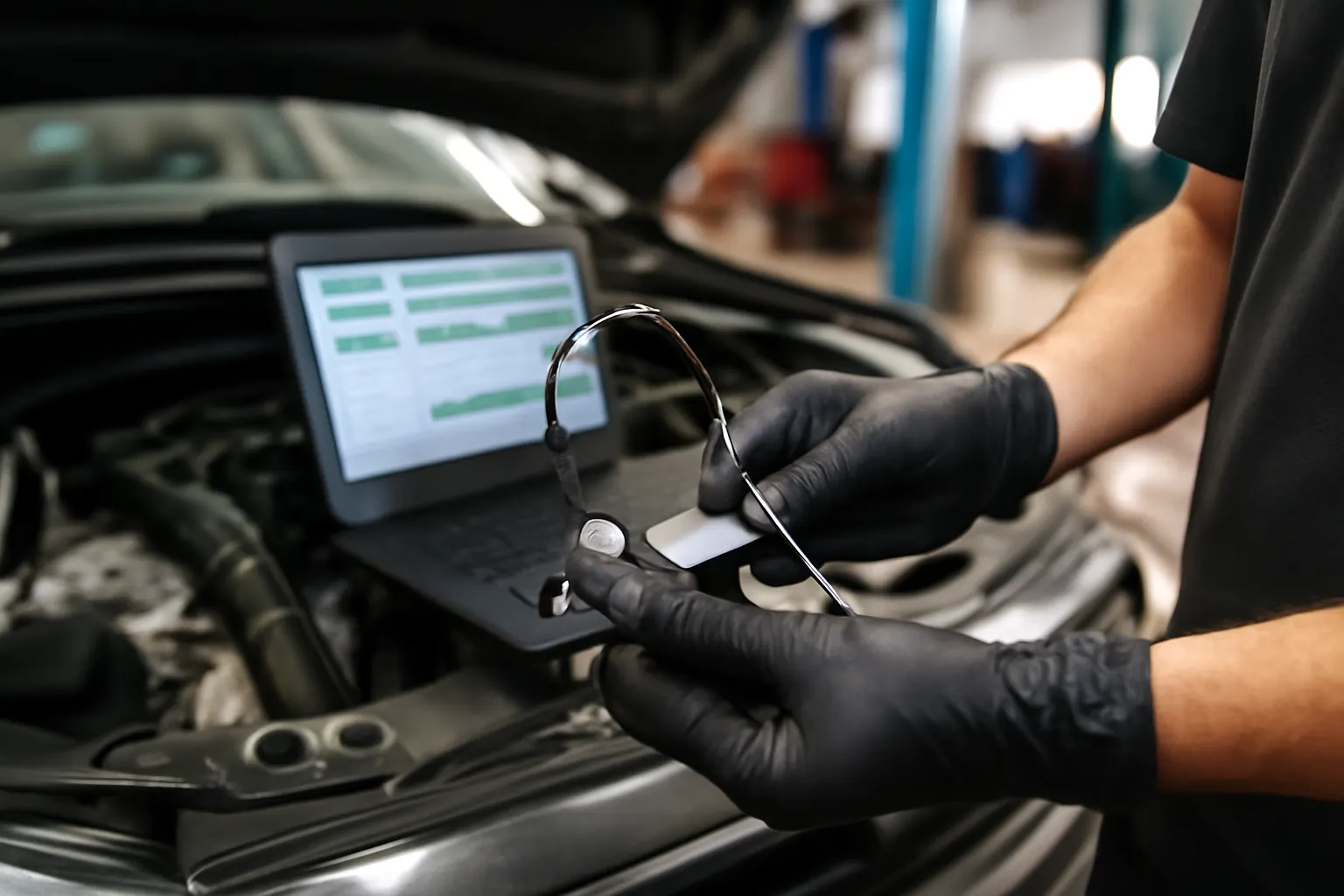
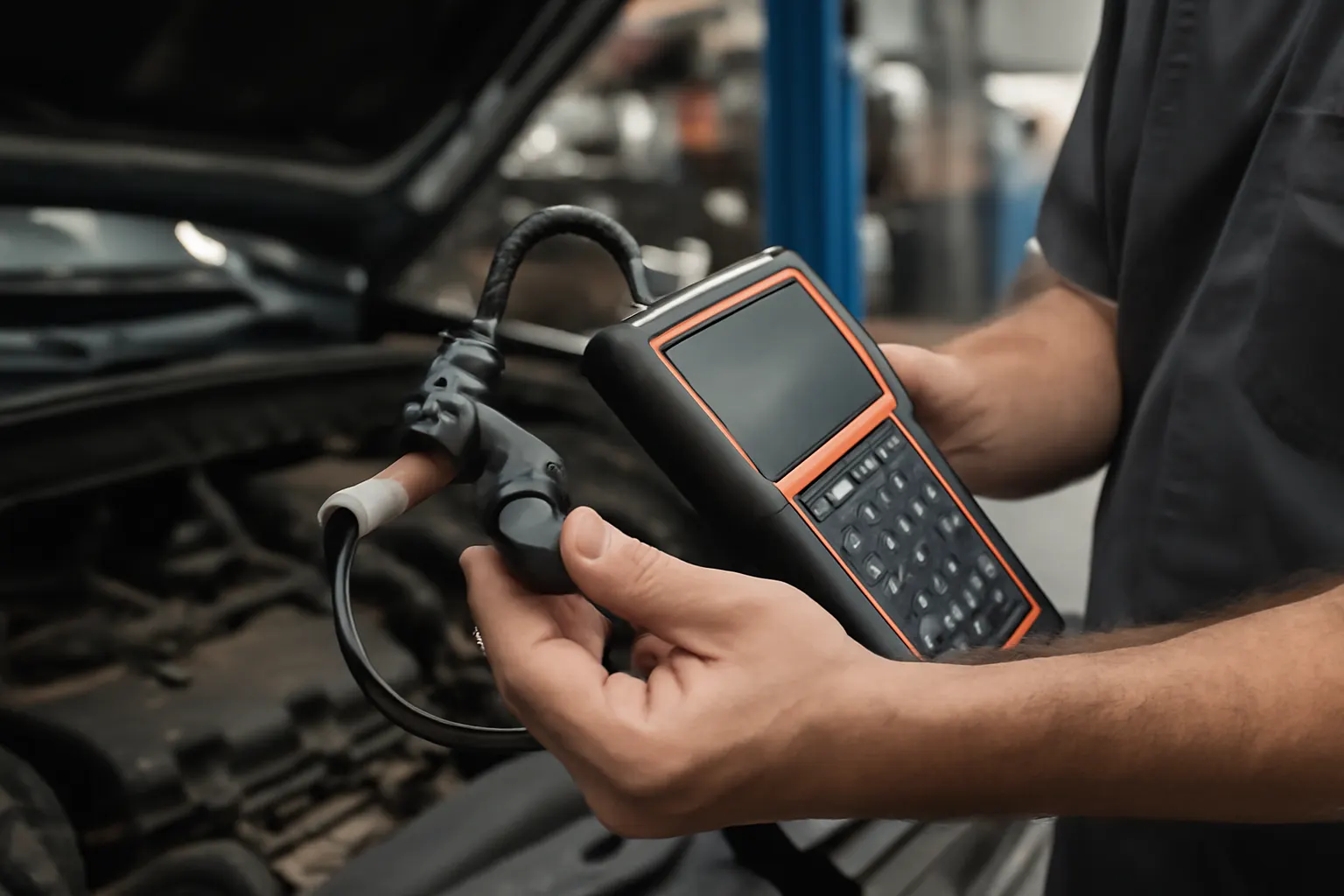
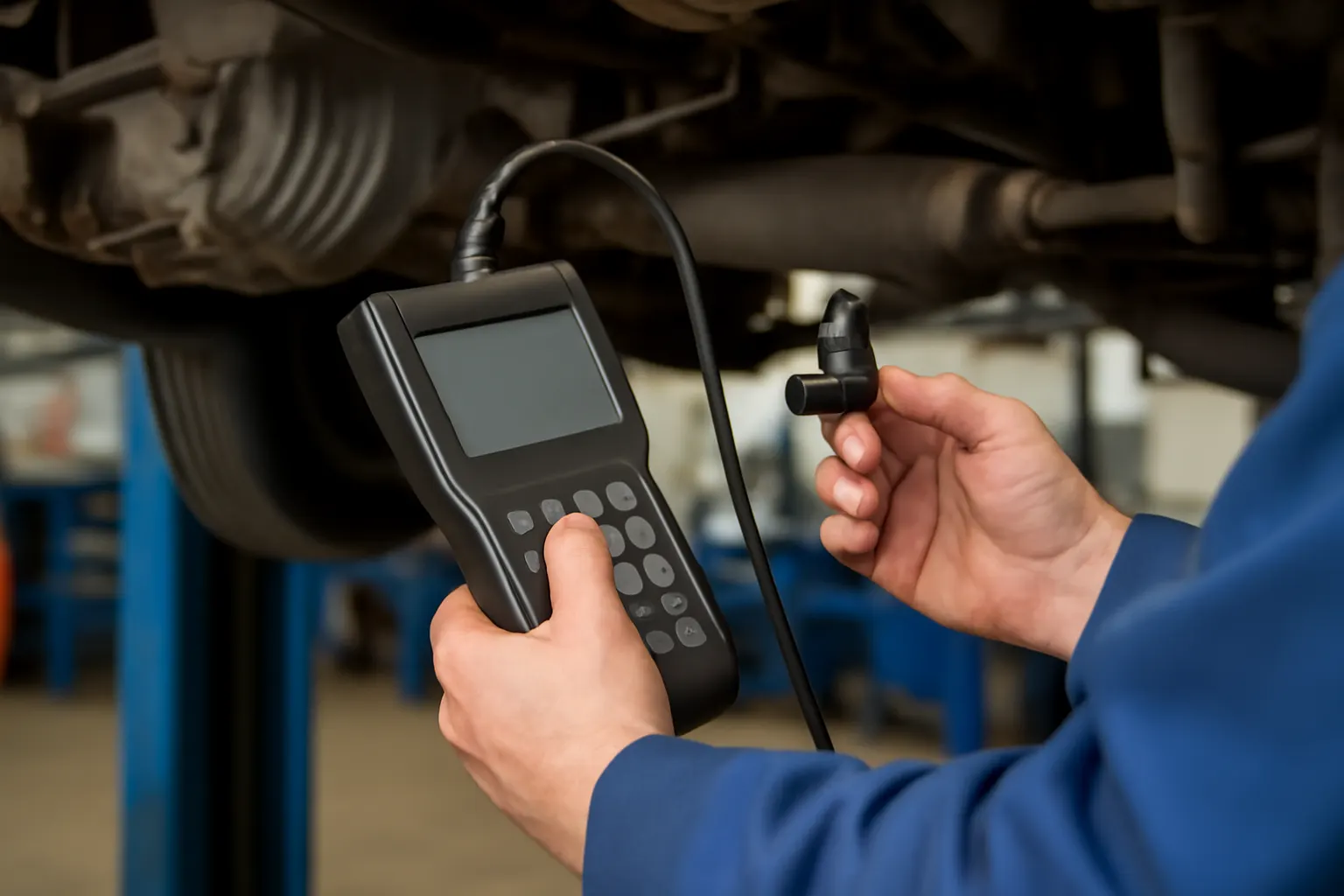
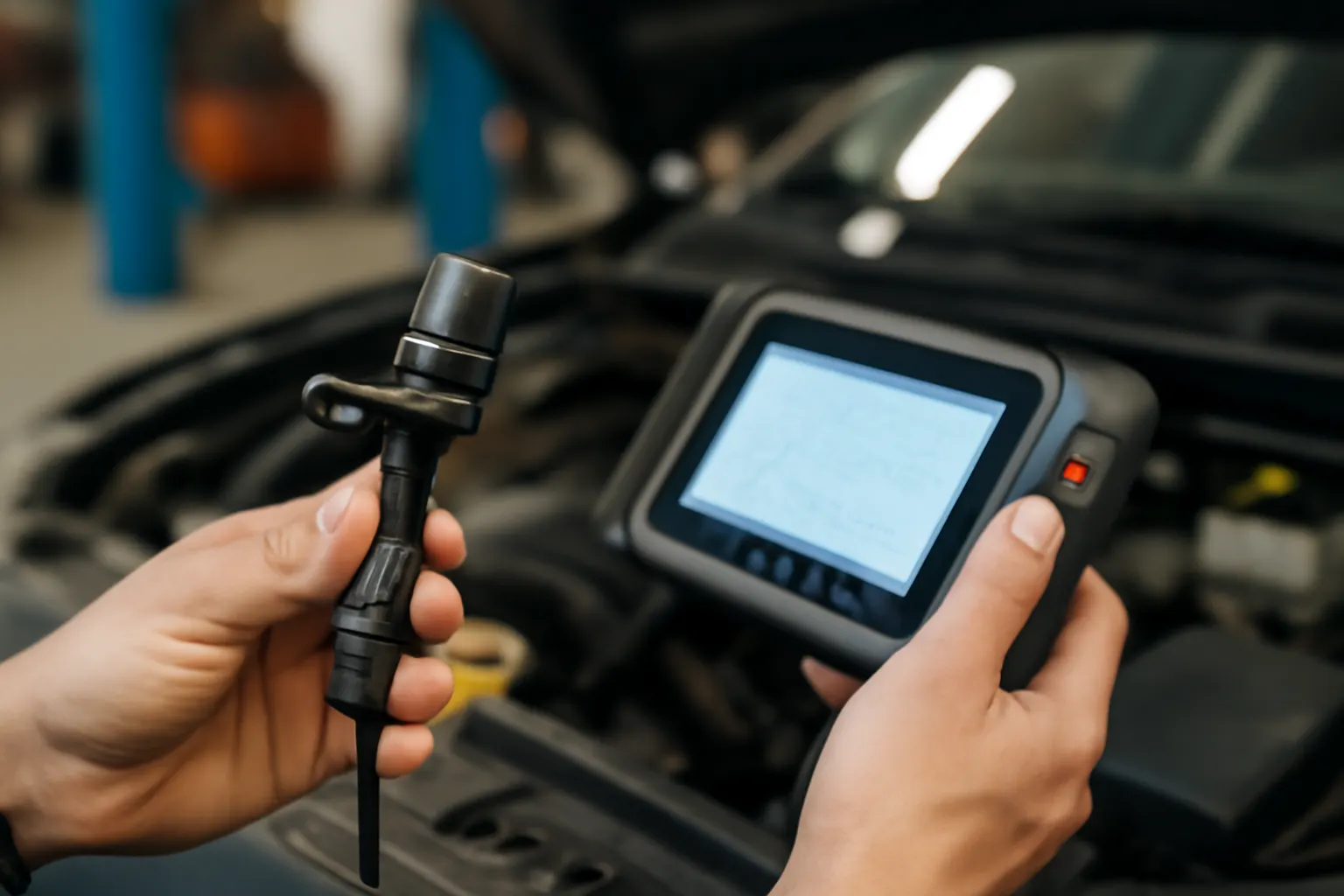
- Scan for Diagnostic Trouble Codes (DTCs): Use a professional-grade scan tool to retrieve transmission-related codes. Note freeze-frame data for conditions when the fault occurred.
- Visual Inspection: Check sensor wiring, connectors, and mounting for physical or environmental damage.
- Test Sensor Output: Use a multimeter or oscilloscope to measure sensor voltage, resistance, or signal frequency according to OEM specs.
- Check Fluid Condition: Inspect transmission fluid for contamination or incorrect level.
- Verify Power and Ground: Ensure the sensor’s power and ground circuits are intact.
- Consult Service Information: Reference OEM wiring diagrams, pinouts, and test values.
- Recalibrate or Reprogram: If a sensor or TCM has been replaced, perform required calibration steps.
Common DTCs to Watch For:
- P0715: Input/Turbine Speed Sensor Circuit Malfunction
- P0720: Output Speed Sensor Circuit Malfunction
- P0711: Transmission Fluid Temperature Sensor Range/Performance
Preventing Transmission Sensor Failure: Maintenance and Best Practices
Preventive maintenance and careful installation are the best defenses against sensor failure.
Advertisement
Maintenance Checklist
- Change transmission fluid at or before recommended intervals using approved fluid.
- Inspect sensor connectors and harnesses during routine service.
- Address fluid leaks immediately to prevent contamination.
- Use dielectric grease on electrical connectors to resist corrosion.
- Avoid power-washing undercarriage areas near sensors.
- Replace sensors proactively on high-mileage vehicles showing intermittent transmission issues.
Installation Tips
- Use a torque wrench to tighten sensors to OEM specs—over-tightening can crack housings.
- Always replace O-rings or seals when installing new sensors.
- Route sensor wiring away from exhaust components and moving parts.
- Clear DTCs and perform TCM recalibration as required after sensor replacement.
Sourcing Quality Replacement Sensors
Not all sensors are created equal. Inferior aftermarket parts may lack the durability, precision, or compatibility required for reliable drivetrain operation. When sourcing replacements:
- Choose OE or OE-equivalent parts: These meet strict standards for fit, function, and longevity.
- Check for updated designs: Manufacturers often improve sensor designs to address known failures.
- Verify fitment: Use VIN-based lookup tools to ensure compatibility with your specific transmission and model year.
For a curated selection of high-quality transmission sensors and fitment resources, browse Sensor (Drivetrain, Misc) – Fitment, Diagnostics & Replacement | AutoPartEx.
The Impact of Sensor Failure on Fuel Efficiency and Safety
Transmission sensors play a direct role in optimizing fuel efficiency and vehicle safety. Faulty sensors can cause:
- Erratic Shifting: Leading to increased fuel consumption and reduced performance.
- Limp Mode Activation: The TCM may lock the transmission in a single gear, severely limiting drivability.
- Inaccurate Speedometer/ABS Data: Some sensors share data with other vehicle systems, affecting cruise control, ABS, and traction control.
According to the United States Department of Energy, proper sensor operation is essential for maximizing drivetrain efficiency and meeting emissions standards. Neglecting sensor maintenance can have a ripple effect on vehicle operation and long-term costs.
Integrating Sensors with Modern Drivetrain Electronics
Today’s transmissions are more electronically integrated than ever. Sensors communicate with not only the TCM but also the engine control module (ECM), ABS, and stability control systems. Accurate sensor data is crucial for:
- Adaptive Shift Strategies: Adjusting shift timing based on driving style and load.
- Torque Management: Coordinating engine output and transmission response for smooth acceleration.
- Diagnostic Monitoring: Providing early warning of drivetrain issues before catastrophic failure.
For more on how sensors interface with modern drivetrain electronics, see Understanding Drivetrain Electronics and Sensor Integration.
When to Replace Transmission Sensors: Signs and Intervals
While sensors are designed for long service life, replacement may be necessary if you notice:
- Frequent DTCs or warning lights relating to transmission operation
- Harsh or delayed shifting, especially after fluid changes or repairs
- Inconsistent speedometer readings or cruise control disengagement
- Physical damage or corrosion during inspection
Some manufacturers recommend sensor replacement as preventative maintenance at certain mileage intervals, especially for vehicles used in severe service (towing, commercial, off-road). For detailed guidance on replacement intervals and shop insights, refer to When to Replace Your Drivetrain Sensors: Shop Insights.
AutoPartEx: Your Partner in Reliable Drivetrain Sensor Solutions
At AutoPartEx, our mission is to empower drivers and technicians with the knowledge, tools, and quality parts needed to keep vehicles running at their best. We offer:
- VIN-verified fitment: Accurate compatibility checks for every sensor.
- Expert guides and technical support: Step-by-step resources for diagnostics, installation, and troubleshooting.
- Premium sensor selection: Only trusted brands and OE-quality components.
For more troubleshooting tips, see our How to Diagnose Drivetrain Sensor Issues guide. When you’re ready to source your next transmission sensor, trust AutoPartEx for parts that fit right the first time.
References
Advertisement