
Sensor (Drivetrain, Misc)
Sensor (Drivetrain, Misc): Selection and Service Guide
Drivetrain sensors play a crucial role in modern vehicles, yet their importance is often underestimated until issues arise. Understanding what sets these components apart—and how to approach selection, diagnosis, and service—can prevent costly mistakes. This guide explores practical considerations and evidence-based steps to help you make informed decisions about Sensor (Drivetrain, Misc) parts, whether you’re troubleshooting a problem or planning preventive maintenance.
Showing 8 of 11 products


More Sensor (Drivetrain, Misc) options
Filtering for Sensor (Drivetrain, Misc)Browse nearby inventory for this category without leaving the page. Use search to filter by price, part number, or city.
No Data Available
Please check back soon when more inventory is available for this part.
Sensor (Drivetrain, Misc): Selection and Service Guide
Why Drivetrain Sensors Deserve a Closer Look
Many vehicle owners rarely think about drivetrain sensors until a warning light appears or shifting problems develop. Yet, these sensors quietly monitor and relay vital data to your car’s control modules, influencing everything from gear selection to traction management. Overlooking their role can lead to misdiagnosed issues, unnecessary repairs, or even safety concerns. The subtle symptoms of a failing drivetrain sensor—such as intermittent hesitation or odd transmission behavior—are easy to attribute to other causes, making it essential to understand their unique function within your vehicle’s broader electronic ecosystem.
Unlike more visible components, drivetrain sensors are often tucked away, integrated into complex assemblies, or labeled generically in parts catalogs. This lack of visibility can cause confusion when sourcing replacements or interpreting diagnostic trouble codes. Owners and technicians alike may default to replacing more obvious parts, overlooking the sensor’s contribution to the problem. Recognizing the specific role of these sensors is the first step toward accurate troubleshooting and effective repairs.
A further complication arises from the sheer variety of drivetrain sensors—speed sensors, position sensors, and others—each with distinct functions and compatibility requirements. Not all sensors labeled as ‘miscellaneous’ are interchangeable, even within the same make or model year. This makes it critical to go beyond surface-level catalog listings and verify the exact specifications and fitment for your application. By paying attention to these overlooked details, you can avoid common pitfalls and ensure your vehicle’s drivetrain operates as designed.

Understanding the Real Issue: Drivetrain Sensor Challenges
When drivetrain-related symptoms appear—such as erratic shifting, unexpected warning lights, or reduced performance—drivers often suspect major mechanical faults. However, these symptoms can just as easily originate from a small, inexpensive sensor deep within the drivetrain system. The challenge is that drivetrain sensors are both highly specialized and highly integrated, making diagnosis and replacement less straightforward than with more visible parts. The result is a risk of misdiagnosis, unnecessary part swaps, or incomplete repairs if the sensor’s role is not properly considered.
Drivetrain sensors are responsible for providing real-time data on parameters like rotational speed, gear position, and torque. This information feeds into the vehicle’s transmission control module, engine control unit, and other systems. If a sensor fails or its signal becomes unreliable, the resulting data gaps can cause the vehicle to enter limp mode, trigger diagnostic trouble codes, or even prevent gear engagement. These issues may not be immediately linked to the sensor, especially if no obvious physical damage is present.
Complicating matters, many drivetrain sensors are designed to last the life of the vehicle and are not listed on regular maintenance schedules. This can lead to a false sense of security—owners may assume that if the sensor has not failed outright, it is functioning correctly. Yet, exposure to heat, vibration, and contaminants can gradually degrade sensor performance, leading to intermittent faults that are difficult to reproduce during a typical service visit. Without a clear diagnostic path, technicians may recommend replacing larger, more expensive components first.
The variety of drivetrain sensor designs and locations adds another layer of complexity. Some sensors are mounted externally and are relatively easy to access, while others are buried within the transmission or differential housing. In some cases, a single sensor may serve multiple functions, or its failure may impact several vehicle systems. This diversity makes it challenging to identify the correct replacement part or to determine whether a sensor is the root cause of a given symptom.
Owners and technicians must also contend with ambiguous catalog listings. ‘Miscellaneous’ drivetrain sensors may be grouped together in parts catalogs, but subtle differences in connector type, mounting style, or calibration can make all the difference in compatibility. Relying solely on a generic listing increases the risk of ordering an incorrect part, leading to delays and additional expense. Careful cross-referencing with the vehicle’s VIN and manufacturer documentation is essential to avoid these pitfalls.
Finally, the consequences of overlooking a faulty drivetrain sensor can extend beyond inconvenience. In some cases, unresolved sensor issues can compromise vehicle safety by affecting traction control, stability systems, or even the ability to shift gears reliably. This underscores the importance of a methodical approach to diagnosis and repair, ensuring that sensor faults are identified and addressed before they escalate into more serious problems. By understanding the true scope of drivetrain sensor challenges, you can make better decisions about maintenance and repairs.
Practical Steps: Selecting, Diagnosing, and Servicing Drivetrain Sensors
The first step in addressing drivetrain sensor issues is to gather accurate information about your vehicle and its symptoms. Start by noting any warning lights, error messages, or changes in vehicle behavior. Use a scan tool to retrieve diagnostic trouble codes (DTCs) from the vehicle’s onboard computer. These codes can provide valuable clues about which sensor or system is affected, but they should not be interpreted in isolation. Cross-reference the codes with the manufacturer’s service information to understand their specific meaning for your vehicle’s year, make, and model.
Once you have identified a potential sensor-related fault, consult your owner’s manual and service documentation to locate the relevant sensor. Note the sensor’s part number, connector type, and mounting location. If possible, visually inspect the sensor and its wiring for signs of damage, corrosion, or loose connections. Many drivetrain sensor issues are caused by simple wiring faults rather than sensor failure itself. Addressing these issues first can save time and money by avoiding unnecessary part replacements.
When sourcing a replacement sensor, avoid relying solely on generic catalog descriptions such as ‘Sensor (Drivetrain, Misc).’ Instead, use your vehicle’s VIN to search for the exact part specified by the manufacturer. Compare the physical characteristics of the original sensor—such as connector shape, mounting flange, and wire length—with the replacement part. If in doubt, consult with a knowledgeable parts supplier or technician who has experience with your specific vehicle. This extra step can prevent compatibility issues and ensure a successful repair.
If you are considering a used or salvage sensor, be aware of the potential risks. According to the FTC, salvage parts are taken from other vehicles without alteration and may not carry any warranty or guarantee of performance. Always ask for a written repair estimate that details the condition of the part, anticipated labor charges, and any return policies. For critical drivetrain sensors, new or remanufactured parts are generally a safer choice, as they are more likely to meet original equipment specifications and come with some form of warranty FTC: Auto Repair Basics.
During installation, follow the manufacturer’s recommended procedures for torque specifications, connector alignment, and sensor calibration. Improper installation can result in poor sensor performance or even damage to the new part. After installation, clear any stored trouble codes and perform a road test to verify that the issue has been resolved. If the problem persists, recheck your diagnostic steps and consider seeking a second opinion from a technician with experience in drivetrain electronics.
Preventive maintenance for drivetrain sensors is often overlooked, but regular inspection of sensor wiring and connectors can help catch problems before they lead to failure. In some cases, cleaning or reseating a connector may restore proper function without the need for replacement. Compare any shop recommendations for sensor replacement with your vehicle’s official maintenance schedule, and ask for a clear explanation if additional service is proposed. This approach ensures that you are not paying for unnecessary work and that your vehicle’s drivetrain remains reliable.
If you encounter conflicting advice or are unsure about the best course of action, don’t hesitate to seek a second opinion. The FTC recommends this step for expensive or complicated repairs, as it can help confirm the diagnosis and clarify your options FTC: Auto Repair Basics. Ask whether the technician has experience with your vehicle’s make and model, and request a completed repair order that lists all parts, labor, and odometer readings. This documentation can be invaluable if issues arise later.
Finally, stay informed about potential recalls or safety notices related to drivetrain sensors. The National Highway Traffic Safety Administration (NHTSA) provides a free VIN lookup tool that allows you to check for open recalls specific to your vehicle NHTSA: Vehicle Recalls. While a recall lookup does not guarantee that your vehicle is affected, it is a valuable step in ensuring your vehicle’s safety and compliance. Register your vehicle with NHTSA to receive timely recall alerts and stay proactive about drivetrain sensor maintenance.
Evidence and Guidance from Published Sources
The Federal Trade Commission (FTC) provides clear guidance on selecting and installing automotive parts, including drivetrain sensors. Their recommendations emphasize the importance of obtaining a written repair estimate that details the condition to be repaired, the parts needed, and anticipated labor charges. For drivetrain sensors, this means asking for specifics about the sensor’s type, compatibility, and whether it is new, remanufactured, or salvage. The FTC also advises consumers to compare shop recommendations with the manufacturer’s maintenance schedule and to get all warranties or guarantees in writing. This guidance is general and does not establish that a particular sensor or vehicle is defective, but it underscores the importance of transparency and documentation in the repair process FTC: Auto Repair Basics.
The FTC further distinguishes between new, remanufactured, and salvage parts. Salvage sensors, which are taken from other vehicles without alteration, may lack the reliability and warranty coverage of new or remanufactured options. For drivetrain components that play a critical role in vehicle safety and performance, the FTC’s advice suggests that consumers should weigh the risks and benefits of using salvage parts carefully. Always ask for a completed repair order that lists the work performed, parts used, and associated costs. This documentation is essential for tracking repairs and resolving any future disputes FTC: Auto Repair Basics.
The National Highway Traffic Safety Administration (NHTSA) offers a comprehensive recall lookup tool that enables owners to check for open recalls by entering their vehicle’s VIN. This tool provides information about whether a specific vehicle needs to be repaired as part of a recall, but it does not confirm compatibility or guarantee that a sensor is defective. NHTSA’s recall process involves manufacturers notifying owners of safety-related defects and offering remedies such as repair, replacement, or refund. While this resource is invaluable for staying informed about safety issues, it should be used in conjunction with other diagnostic and maintenance steps NHTSA: Vehicle Recalls.
NHTSA’s recall database also highlights the importance of regular recall checks, as VINs are continuously added and recall coverage may change over time. Owners are encouraged to register their vehicles and check for recalls at least twice a year. This proactive approach ensures that any safety-related sensor issues are addressed promptly and at no cost to the owner. However, the presence of a recall does not confirm that your vehicle is affected, nor does it provide technical details about sensor fitment or failure patterns. Instead, it serves as a starting point for further investigation and action NHTSA: Vehicle Recalls.
Neither the FTC nor NHTSA sources provide specific technical specifications, service intervals, or failure rates for particular drivetrain sensors or vehicle models. This means that consumers must rely on manufacturer documentation, VIN-based parts lookup, and professional diagnostic procedures to ensure correct sensor selection and installation. When in doubt, consult with a technician who has experience with your vehicle’s drivetrain electronics and request clear documentation of all work performed.
The FTC’s advice to seek a second opinion for expensive or complicated repairs is particularly relevant for drivetrain sensor issues. Given the complexity and integration of these components, a second opinion can help confirm the diagnosis, clarify the necessity of the repair, and provide peace of mind. Be sure to ask whether the technician has experience with your vehicle’s make and model, and request a completed repair order for your records. This approach reduces the risk of unnecessary repairs and ensures that you are making informed decisions based on expert guidance FTC: Auto Repair Basics.
In summary, published consumer guidance from the FTC and NHTSA emphasizes documentation, transparency, and proactive maintenance when dealing with drivetrain sensors. While these sources do not provide vehicle-specific technical data, they establish a clear framework for evaluating repair recommendations, sourcing compatible parts, and staying informed about safety recalls. By following these evidence-based steps, you can navigate the complexities of drivetrain sensor selection and service with confidence, reducing the risk of misdiagnosis and ensuring the long-term reliability of your vehicle.
Take the Next Step: Informed Drivetrain Sensor Decisions
Don’t let drivetrain sensor issues catch you off guard. Start by gathering accurate information about your vehicle, consulting trusted sources, and documenting every step of the repair process. Use VIN-based lookup tools, seek second opinions for complex repairs, and stay alert for recall notifications. For more practical guidance, explore our Sensor (Drivetrain, Misc) catalog and related resources, such as How to Diagnose Drivetrain Sensor Issues. By taking these steps, you’ll be well-equipped to maintain your vehicle’s performance and safety.
References
- NHTSA: Vehicle Recalls
- FTC: Auto Repair Basics
References
- NHTSA: Vehicle Recalls - NHTSA, accessed 2026-11-01
- FTC: Auto Repair Basics - FTC, accessed 2026-11-01
Related Guides & Articles

How to Diagnose Drivetrain Sensor Issues
If your vehicle’s dashboard displays a check engine light, transmission warning, or traction control alert—and you notice symptoms like harsh shifting, delayed engagement, or unresponsive acceleration—there’s a strong chance a drivetrain sensor is at fault. The fastest way to pinpoint the issue is to: Scan for Diagnostic Trouble Codes (DTCs) using an OBD-II scanner. Note the symptoms (e.g., erratic shifting, limp mode, unusual noises). Visually inspect sensor wiring and connectors for corrosion, damage, or loose fittings.
View Guide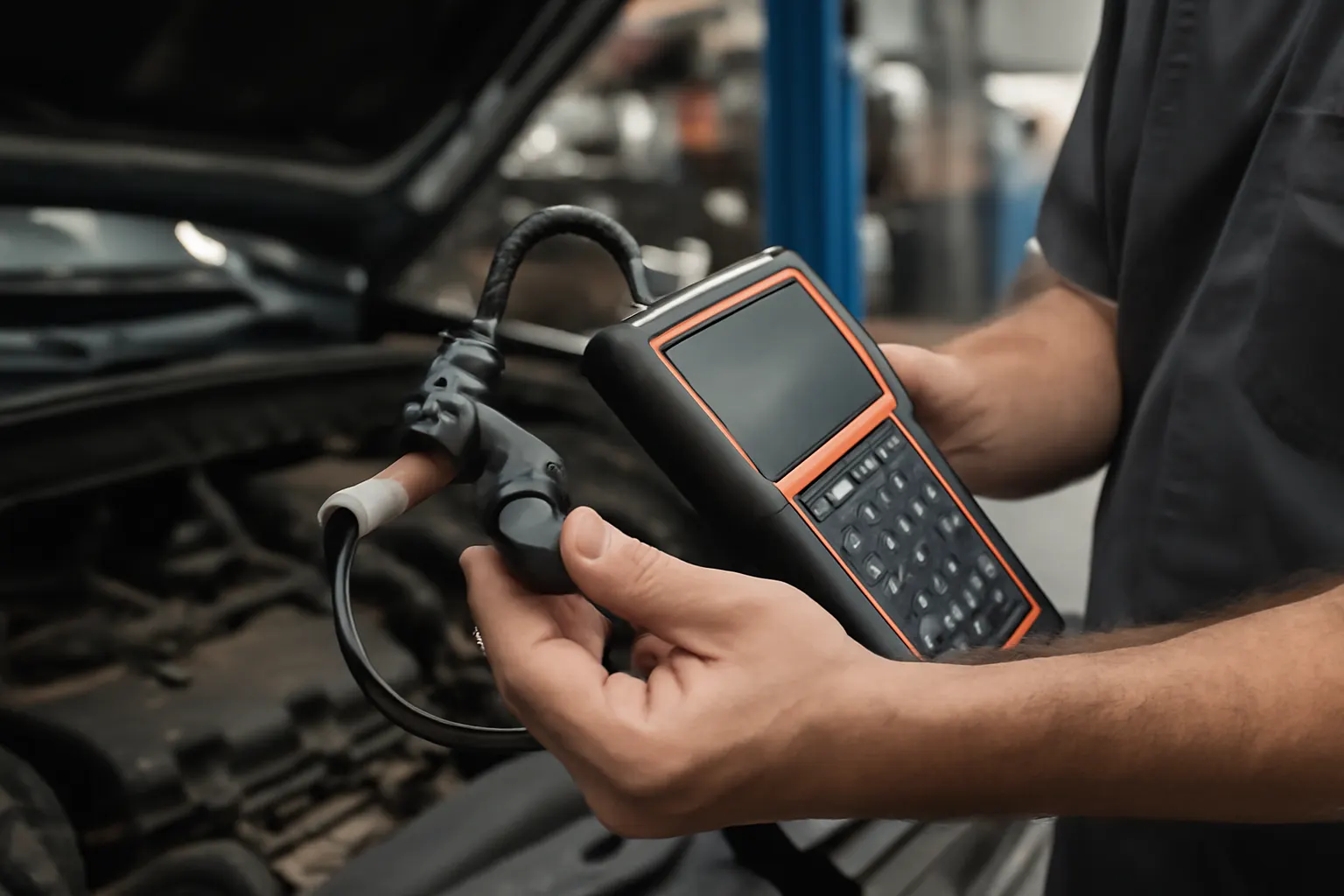
When to Replace Your Drivetrain Sensors: Shop Insights
Drivetrain sensors are at the heart of modern vehicle performance, safety, and reliability. But when is sensor replacement truly necessary? Drawing on real-world shop experience and field reports, this guide delivers clear, actionable answers for drivers, DIYers, and professionals alike—ensuring you know exactly when and why to replace drivetrain sensors for optimal reliability.
Read More
Understanding Drivetrain Electronics and Sensor Integration
At the core of every modern vehicle’s drivetrain is a network of sensors—such as speed, position, temperature, and pressure sensors—that continuously monitor key parameters. These sensors feed real-time data to electronic control modules (ECMs or TCMs), which process the information and make split-second decisions to optimize shifting, torque distribution, fuel efficiency, and safety systems. Without this seamless sensor-ECM integration, today’s advanced drivetrains would lose adaptive performance, emissions control, and many safety features.
View Guide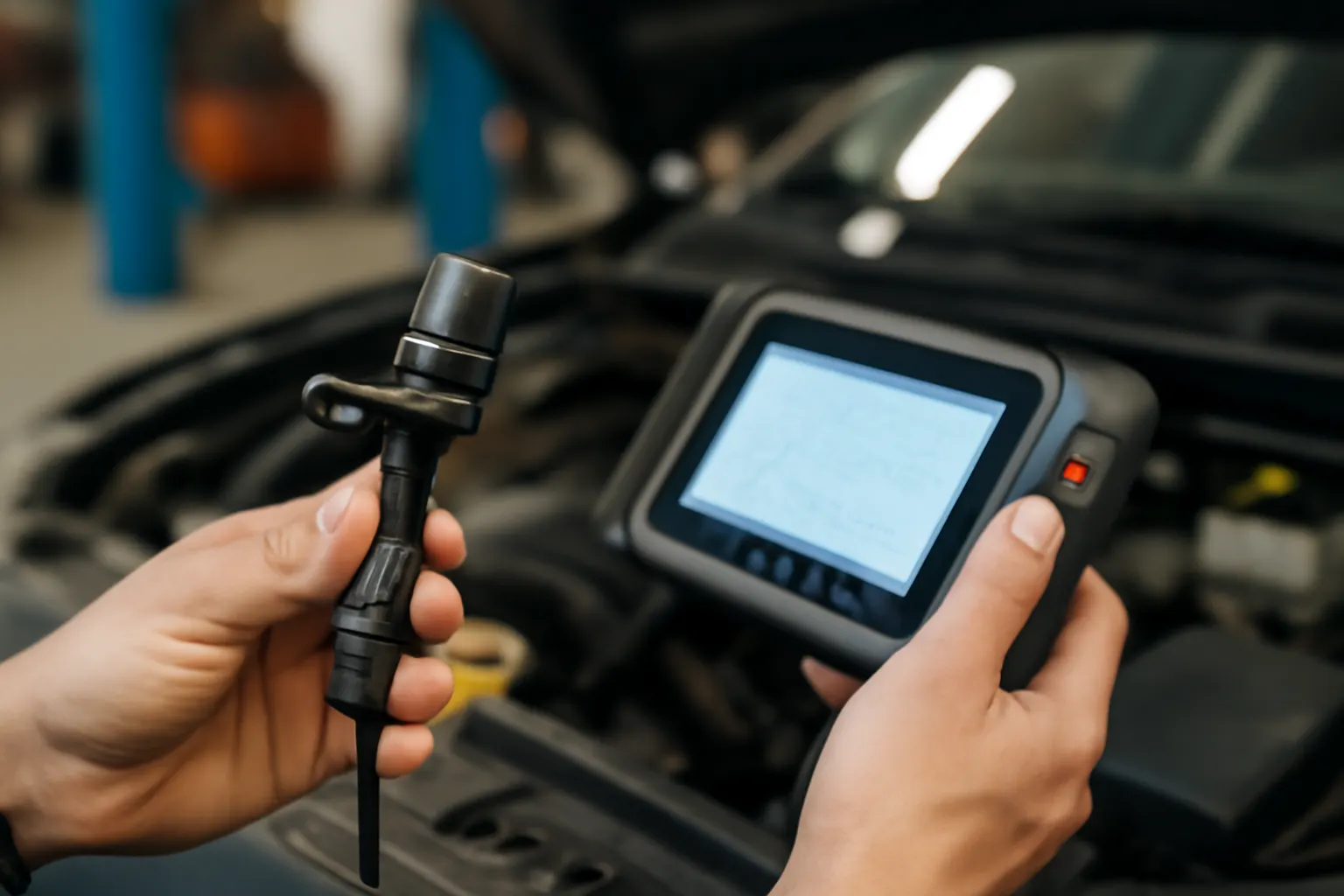
Top Causes of Transmission Sensor Failure
Transmission sensors are electronic devices that monitor critical drivetrain parameters. The most common types include: Vehicle Speed Sensors (VSS): Monitor output shaft speed for shift timing and cruise control. Input Shaft/Turbine Speed Sensors: Track input shaft speed to synchronize gear changes. Transmission Fluid Temperature Sensors: Ensure fluid temperature stays within safe limits. Transmission Range Sensors (TRS): Detect gear selector position. Electrical failures account for the majority of transmission sensor issues.
Read More