Advertisement
When it comes to replacing or upgrading your vehicle’s wiring harness, the decision between Original Equipment Manufacturer (OEM) and aftermarket options is critical. The wiring harness is the backbone of your vehicle’s electrical system, ensuring every circuit, sensor, and module communicates and functions as intended. Choosing the right harness impacts not just fitment, but also reliability, safety, and long-term performance. This guide provides a comprehensive, technical comparison of OEM versus aftermarket wiring harnesses, covering fitment, reliability, warranty, and more—so you can make the best decision for your vehicle’s electrical health.
If you’re seeking foundational knowledge, start with our Wiring Harness (Body): The Backbone of Vehicle Electrical Systems category page, which details the role and construction of body harnesses in modern vehicles.
Immediate Answer: The Core Differences
OEM wiring harnesses are designed and manufactured by the vehicle’s original maker or an approved supplier, guaranteeing an exact fit and adherence to original specifications. Aftermarket harnesses, on the other hand, are produced by third-party companies and may offer broader compatibility, cost savings, or upgraded materials—but with potential tradeoffs in fitment precision and long-term reliability.
- OEM Pros: Precise fit, guaranteed compatibility, tested for original vehicle specs, typically supported by manufacturer warranty.
- Aftermarket Pros: Lower cost, broader availability, potential for upgraded materials or features, sometimes easier to source for older vehicles.
- OEM Cons: Higher price, limited to exact model/year, occasional supply delays.
- Aftermarket Cons: Variable quality, occasional fitment challenges, inconsistent warranty or support.
The Hidden Problem: Why the Choice Matters More Than You Think
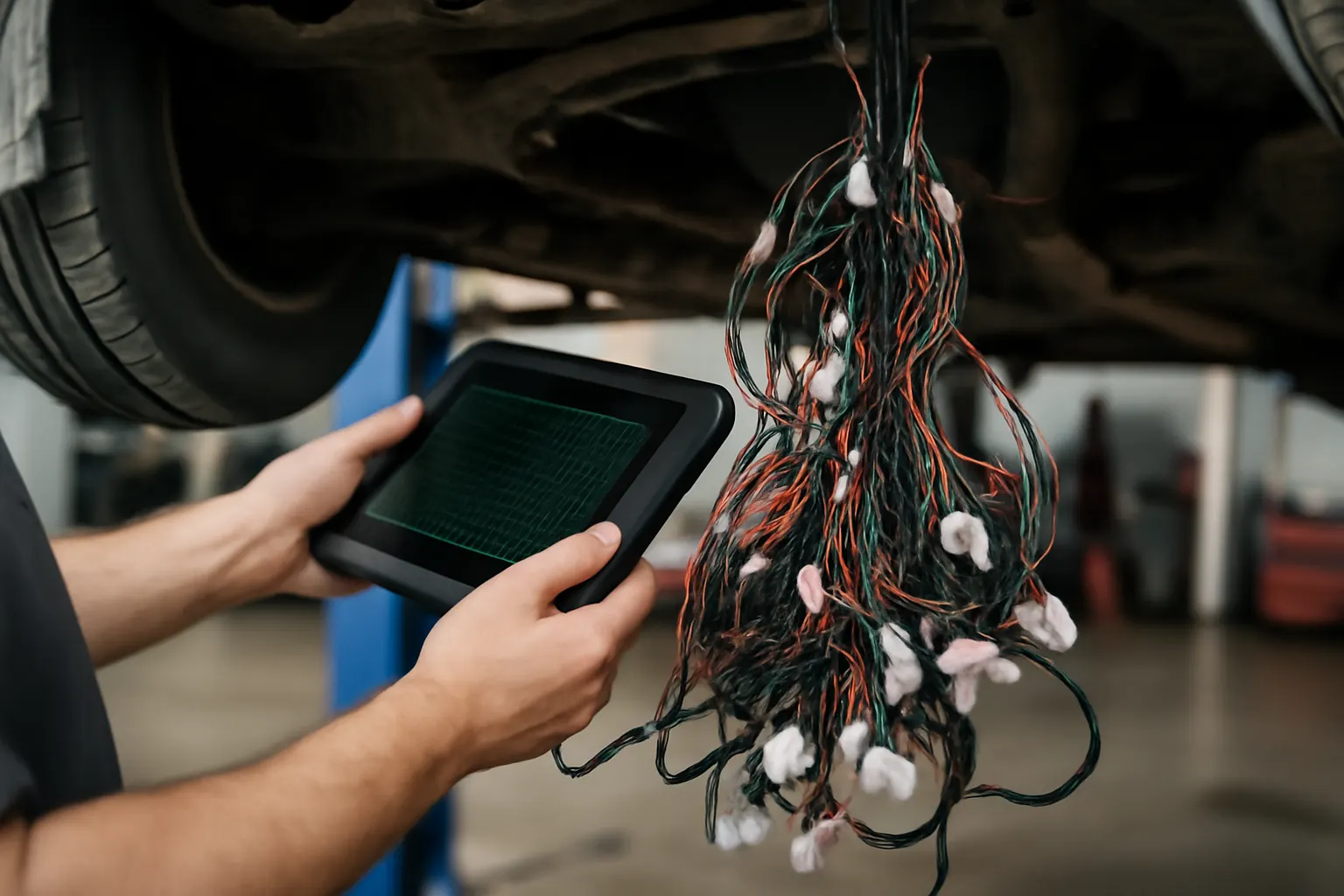
The wiring harness is not just a bundle of wires; it is a complex, engineered system that integrates every electronic and electrical component in your vehicle. A subpar harness—whether due to poor materials, incorrect pinouts, or imprecise connectors—can lead to intermittent faults, diagnostic nightmares, or even serious safety hazards. Poor fitment can cause chafing, corrosion, or electrical shorts, while unreliable connections may trigger warning lights, disable safety systems, or cause vehicle immobilization.
Many vehicle owners and even shops underestimate the consequences of harness quality. A harness that “mostly fits” can introduce long-term issues: non-functional modules, parasitic battery drains, or even risk of fire in worst-case scenarios. Electrical system diagnostics become exponentially more difficult when a non-OEM harness is introduced, especially if wiring colors or connector types differ from factory standards.
Understanding the Technical Foundations
What Is an OEM Wiring Harness?
An OEM wiring harness is produced either by the vehicle manufacturer or by a supplier that follows the automaker’s exact design, materials, and quality control processes. These harnesses are engineered to integrate seamlessly with the vehicle’s chassis, body, and electrical architecture. OEM harnesses use the same wire gauges, insulation types, connector housings, and pinouts as the original assembly line components. They typically bear manufacturer part numbers and meet stringent regulatory and engineering standards, such as those set by SAE International and safety authorities.
What Is an Aftermarket Wiring Harness?
Aftermarket harnesses are designed and manufactured by third-party companies, often to fit a range of models or to offer specific features (such as stereo upgrades or performance modifications). While reputable aftermarket suppliers may adhere to industry standards and offer high-quality products, the design goals may prioritize compatibility across multiple vehicles or cost efficiency over exact OEM replication. This can mean differences in connector quality, wire routing, insulation, or even circuit layout.
Materials and Standards
The materials used in wiring harnesses directly affect their durability, resistance to heat and abrasion, and long-term performance. OEM harnesses are generally built with materials that meet or exceed regulatory and engineering standards for the vehicle’s intended environment—such as high-temperature engine bays or areas prone to vibration and moisture. Aftermarket harnesses may use similar materials, but cost pressures can result in lower-grade insulation, thinner wire gauges, or less robust connectors.
The United States Department of Energy emphasizes the importance of advanced materials in vehicle performance and safety, particularly for components like harnesses that must withstand harsh conditions and contribute to overall vehicle efficiency and weight management [^1].
Regulatory and Safety Considerations
Wiring harnesses are subject to numerous safety and quality standards, including those set by the National Highway Traffic Safety Administration (NHTSA) and SAE International. Harness failures can lead to recalls, fire risks, or disabling of critical safety systems such as airbags and ABS. OEM harnesses are tested and validated to meet these standards as part of the vehicle’s overall certification. Aftermarket harnesses may or may not be tested to the same level, depending on the manufacturer.
Advertisement
Fitment: The Devil in the Details
Why Fitment Is Critical
A wiring harness must match not only the vehicle’s make and model, but also the trim level, year, and specific options (e.g., sunroof, navigation, heated seats). Even small differences can result in missing connectors, incorrect pinouts, or wires that are too short or too long—leading to installation headaches or compromised performance.
Common Fitment Challenges with Aftermarket Harnesses
- Connector Mismatches: Aftermarket harnesses may use “universal” connectors that require splicing or adapters.
- Length Issues: Wires may be too short, leading to tension and potential breakage, or too long, increasing the risk of chafing and shorts.
- Missing Circuits: Features unique to certain trims (e.g., advanced driver assistance) may be unsupported.
- Routing Differences: Improper routing can expose wires to heat, abrasion, or moisture, accelerating wear.
OEM Fitment Assurance
OEM harnesses are engineered for a precise fit, with every connector, grommet, and mounting clip designed for the target vehicle. This minimizes installation time and ensures that all systems function as intended.
Reliability and Longevity
Materials and Construction
OEM harnesses use high-quality copper or tinned copper conductors, robust insulation such as cross-linked polyethylene (XLPE), and connectors tested for thousands of mating cycles. Aftermarket harnesses can vary widely: some use comparable materials, while others may cut corners with lower-grade insulation or non-tinned wires that corrode faster.
Environmental Resistance
OEM harnesses are validated for resistance to heat, oil, vibration, moisture, and UV exposure—conditions encountered throughout the vehicle’s lifespan. Aftermarket options may not always be tested to the same extremes, especially for harnesses intended for interior or low-stress applications.
Diagnostic Implications
A harness that deviates from OEM standards can complicate diagnostics. Technicians rely on factory wiring diagrams and color codes; mismatches or undocumented changes in an aftermarket harness can prolong troubleshooting and increase labor costs.
Warranty and Support Considerations
OEM Warranty Coverage
OEM harnesses are typically covered by the vehicle manufacturer’s parts and labor warranty when installed at a dealership or authorized shop. This provides recourse in the event of early failure or installation issues.
Aftermarket Warranty Variability
Aftermarket harness warranties range from 30 days to several years but often only cover the part, not labor or consequential damage. Support may be limited, and some manufacturers require proof of professional installation to honor claims.
The Impact on Vehicle Warranty
Installing a non-OEM harness can, in some circumstances, affect the vehicle’s factory warranty, especially if the harness causes or contributes to a failure in another system. Always check your vehicle’s warranty terms before installing aftermarket electrical components.
Cost Analysis: Upfront vs. Lifetime Value
OEM Cost Premium
OEM harnesses are often significantly more expensive than aftermarket equivalents due to engineering, validation, and supply chain costs. However, this premium reflects the assurance of fitment, materials, and compliance with safety standards.
Aftermarket Cost Savings
Aftermarket harnesses can be 30–70% less expensive than OEM, making them attractive for budget-conscious repairs or older vehicles where OEM parts may be discontinued.
Total Cost of Ownership
Initial savings with aftermarket harnesses can be offset by increased installation time, potential for rework, and the risk of premature failure. For critical systems—such as engine management or safety equipment—the long-term costs of a substandard harness can far exceed the upfront savings.
Diagnostic and Installation Guidance
Pre-Installation Checklist
Before purchasing or installing any wiring harness, use the following checklist to avoid common pitfalls:
Wiring Harness Selection & Installation Checklist
| Step | OEM Harness | Aftermarket Harness |
|---|---|---|
| Confirm exact vehicle application | Required | Required |
| Check for correct connectors | Guaranteed | Must verify |
| Validate wire gauge and insulation | Matched to OE spec | Must verify |
| Review included circuits/features | All present | May be missing |
| Inspect for quality certifications | Yes (SAE, NHTSA) | Varies |
| Assess warranty/support | Comprehensive | Varies |
| Plan routing and mounting | Pre-engineered | May need adjustment |
| Test fit before final installation | Usually unnecessary | Strongly advised |
Installation Tips
- Label Connectors: Use masking tape or tags to label connectors as you remove the old harness, especially if swapping with a non-OEM harness.
- Use Proper Tools: Invest in quality crimpers, pin extractors, and heat shrink tubing for any splicing or repairs.
- Avoid Splicing When Possible: Splicing increases resistance and introduces potential failure points. Use plug-and-play solutions if available.
- Test All Circuits: Before reassembling trim panels, test every circuit and function (lights, sensors, accessories) to catch issues early.
Post-Installation Validation
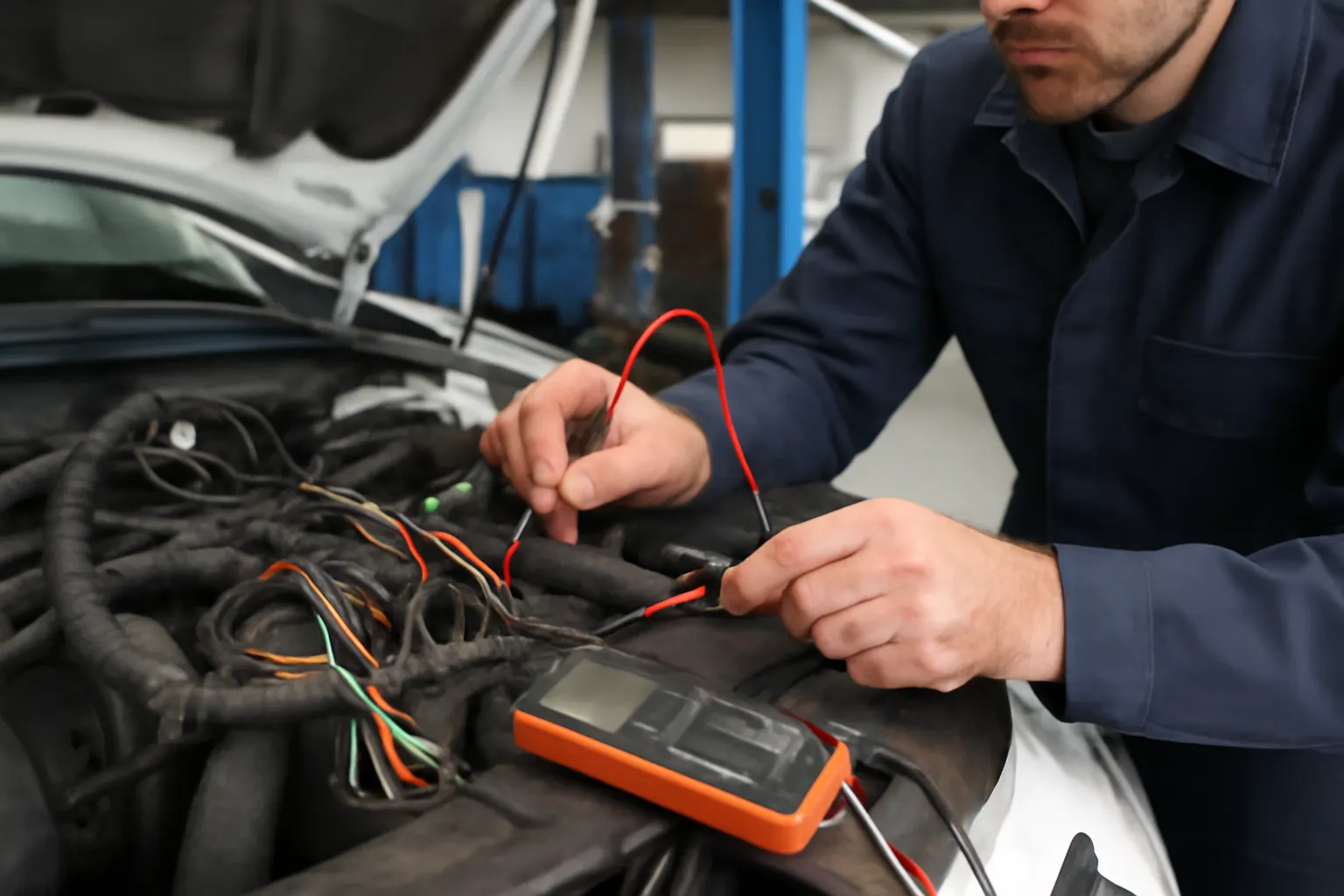
After installation, use a scan tool or multimeter to check for diagnostic trouble codes (DTCs), voltage drops, and continuity in all critical circuits. This step is crucial for avoiding return visits or undiagnosed issues.
Advertisement
Materials Technology: Why It Matters
Harness materials impact not just durability but also vehicle safety and efficiency. The US Department of Energy highlights the role of advanced materials in reducing vehicle weight and improving fuel efficiency, a consideration especially relevant for modern harnesses with lightweight aluminum or advanced polymer insulation [^1][^2]. Lower-quality harnesses may use heavier or less efficient materials, impacting vehicle performance and fuel economy.
Safety and Regulatory Compliance
OEM Compliance
OEM harnesses are validated as part of the vehicle’s overall safety certification. They must meet or exceed all relevant SAE and NHTSA standards for electrical safety, fire resistance, and system reliability [^3][^4]. This is especially critical for harnesses that serve safety systems like airbags, ABS, or advanced driver assistance features.
Aftermarket Compliance
Reputable aftermarket harnesses may claim compliance with similar standards, but always request documentation or third-party testing results. Substandard harnesses can introduce safety risks, including electrical shorts, system failures, or even fire hazards.
Recalls and Liability
Harness-related recalls are not uncommon. Using an unapproved aftermarket harness can complicate recall eligibility or liability in the event of a failure. Always retain purchase and installation records for any harness replacement.
Application Examples: When to Choose OEM vs. Aftermarket
When OEM Is the Best Choice
- Critical Systems: Engine, transmission, airbags, ABS, and other safety-critical circuits.
- Late-Model Vehicles: Where warranty and diagnostic compatibility are priorities.
- Complex Features: Vehicles with advanced electronics, infotainment, or unique trim features.
When Aftermarket May Be Appropriate
- Older Vehicles: Where OEM harnesses are discontinued or prohibitively expensive.
- Custom Builds: Hot rods, race cars, or vehicles with non-stock configurations.
- Accessory Upgrades: Stereo installs, lighting kits, or non-critical add-ons.
Sourcing and Buying Guidance
How to Source OEM Harnesses
- Dealership Parts Departments: Best for new or late-model vehicles.
- Authorized Online Retailers: Ensure part numbers and compatibility.
- Salvage Yards: Viable for discontinued harnesses, but inspect for damage or corrosion.
Advertisement
How to Source Quality Aftermarket Harnesses
- Reputable Brands: Research brands with proven track records and positive reviews.
- Certifications: Look for products tested to SAE or NHTSA standards.
- Documentation: Request wiring diagrams and installation instructions.
- Return Policy: Ensure you can return the harness if it does not fit or function as expected.
Avoiding Counterfeit or Substandard Parts
Counterfeit harnesses—often sold online at deep discounts—may use recycled or substandard materials, posing serious safety risks. Buy from trusted suppliers and verify part numbers and manufacturer credentials.
Maintenance and Troubleshooting
Inspecting Harness Condition
- Visual Inspection: Look for cracked insulation, exposed wires, or corroded connectors.
- Tug Test: Gently pull on wires at connectors; loose pins indicate impending failure.
- Moisture Check: Inspect for signs of water intrusion, especially in engine bay or trunk harnesses.
Preventive Maintenance
- Dielectric Grease: Apply to connectors to prevent corrosion.
- Secure Routing: Use zip ties or OEM clips to prevent chafing and movement.
- Avoid Overloading Circuits: Do not add accessories without confirming circuit capacity.
For more on harness maintenance, see How to Prevent Wiring Harness Failures.
Upgrades and Modifications
When an Aftermarket Harness Makes Sense
Upgrading your vehicle’s electrical system—such as adding high-powered audio, off-road lighting, or engine management—may require a custom or aftermarket harness. In these cases, select harnesses designed for your specific application and ensure they meet or exceed the current-carrying requirements.
For guidance on system upgrades, see Upgrading Your Vehicle's Electrical System.
Integrating with OEM Systems
If integrating aftermarket harnesses with OEM systems, use interface modules or adapter harnesses to avoid cutting or splicing factory wiring. This preserves the integrity of the original system and simplifies future diagnostics.
The AutoPartEx Approach
At AutoPartEx, we understand that the wiring harness is more than a part—it’s the nervous system of your vehicle. Our curated selection of both OEM and premium aftermarket harnesses is backed by technical expertise, detailed application data, and a commitment to safety and fitment. Whether you’re restoring a classic, repairing a daily driver, or upgrading for performance, our team can guide you to the right solution.
Explore our full Wiring Harness (Body): The Backbone of Vehicle Electrical Systems category for detailed part listings and expert advice tailored to your vehicle.
Expert Action: Making the Right Choice
- For critical systems and late-model vehicles: Prioritize OEM harnesses for guaranteed fitment, reliability, and compliance.
- For custom builds or non-critical upgrades: Consider reputable aftermarket options, but verify quality, certifications, and fitment before purchase.
- Before installation: Use our checklist to confirm compatibility, and always test all circuits post-installation.
- When in doubt: Consult an automotive electrical specialist or the AutoPartEx support team for guidance.
By understanding the nuances between OEM and aftermarket wiring harnesses, you can make informed decisions that protect your vehicle’s performance, safety, and long-term value.
References
- Materials Technologies – United States Department of Energy
- Fuel Efficiency – United States Department of Energy
- Vehicle Safety and Equipment – National Highway Traffic Safety Administration
- SAE Standards – SAE International
- Vehicle, Car Seat, Tire, and Equipment Recalls – National Highway Traffic Safety Administration
Advertisement