
Wiring Harness (Body)
Wiring Harness (Body): OEM-Grade Body Harness Solutions & Diagnostics
The Wiring Harness (Body) is the backbone of your vehicle’s electrical system, connecting everything from lights and sensors to critical safety modules. Explore high-quality wiring harnesses and diagnostic tools, and discover why correct fitment is vital for modern vehicles. For more on related electrical systems, see our Electrical System Parts page.
Many drivers overlook the impact of body wiring harness wear—yet unseen corrosion, fatigue, or improper previous repairs can silently compromise safety, electronics, and even fuel efficiency. Subtle warning signs often go unnoticed until a major failure occurs.
Wiring harness (body) failures stem from exposure to vibration, moisture ingress, thermal cycling, or incorrect aftermarket modifications. Over time, connectors may oxidize, insulation can crack, and circuits may intermittently short. These faults frequently trigger erratic behavior in lighting, sensors, and control modules, complicating diagnostics.
Expert diagnostics begin with pinpointing high-resistance connections and continuity faults using a multimeter and visual inspection. If harness damage is confirmed—such as melted insulation or corroded terminals—replacement with an OEM-spec body harness is recommended. For step-by-step troubleshooting, consult our Wiring Harness Diagnosis Guide and learn more about Electrical Connectors Guide. Always source harnesses that match your vehicle’s exact configuration to ensure safe, reliable operation.
Showing 8 of 327 products


More Wiring Harness (Body) options
Filtering for Wiring Harness (Body)Browse nearby inventory for this category without leaving the page. Use search to filter by price, part number, or city.
No Data Available
Please check back soon when more inventory is available for this part.
Technical Reference: Body Wiring Harnesses in Modern Vehicles
Design & Architecture
Modern body wiring harnesses are engineered for precise routing and modularity, often integrating over 1,000 individual wires and dozens of connectors. They are developed using advanced CAD and simulation tools to optimize weight, minimize electromagnetic interference, and ensure compliance with safety regulations.
Materials & Construction
Harnesses utilize copper or copper-alloy conductors for optimal conductivity, wrapped in high-grade PVC or cross-linked polyethylene insulation. Connectors are sealed with silicone or rubber grommets to prevent water ingress and are tested to withstand temperature extremes from -40°F to 185°F.
Diagnostics & Failure Modes
Typical failure modes include open circuits, short-to-ground/short-to-power, high resistance due to corrosion, and intermittent faults from vibration or connector fatigue. Diagnostic flowcharts are essential to isolate these problems, often beginning with continuity checks and ending with load testing or harness replacement.
The evolution of vehicle body wiring harnesses has paralleled advancements in automotive electronics and safety standards. In early vehicles, simple wiring looms delivered basic functionality—headlights, ignition, and horn. As automotive technology matured, harness complexity increased exponentially, driven by the integration of advanced driver assistance systems (ADAS), infotainment, airbags, and intelligent lighting. Today, a single body harness may route over 1,000 wires, connect more than 100 sensors and actuators, and weigh up to 60 pounds. Harness routing is meticulously designed to avoid abrasion, minimize electromagnetic interference (EMI), and meet stringent SAE and FMVSS standards.
Material science plays a critical role in harness reliability. Traditional copper wires are increasingly supplemented by copper alloys for improved strength-to-weight ratios. Insulation materials have also progressed: cross-linked polyethylene and high-temperature PVC offer superior protection against under-hood heat, chemical exposure, and mechanical wear. Connectors, once simple crimped terminals, now feature multi-seal grommets, gold-plated contacts for low signal resistance, and positive locking mechanisms to withstand vibration and moisture ingress.
Diagnostic techniques have grown more sophisticated in parallel. Modern technicians rely on factory wiring diagrams, advanced scan tools, and precise voltage-drop testing to track down elusive faults. Common field failures include intermittent shorts caused by insulation wear, high-resistance connections from corrosion, and complete circuit loss due to wire fatigue. These failures can trigger false DTCs, disable safety systems, or cause unpredictable electrical behavior. Real-world service reports indicate that over 30% of unresolved electrical complaints ultimately trace back to harness-related issues, highlighting the importance of thorough diagnostics.
Replacement harnesses must meet OEM specifications for conductor gauge, insulation type, and connector quality. Aftermarket solutions should be validated for fitment and tested under real-world conditions, including exposure to vibration cycles and temperature swings. The rise of modular harness sections—such as plug-and-play body sub-harnesses—enables more efficient repairs and upgrades, reducing labor time and minimizing risk of collateral damage to adjacent circuits. As vehicle architectures advance toward higher-voltage systems and integrated data networks, the importance of high-quality wiring harnesses will only increase.
Engineering Excellence & Technical Specifications
AutoPartEx delivers body wiring harnesses engineered to the strictest OEM and SAE standards, with conductor gauges down to 0.5 mm² and insulation designed for -40°F to 185°F thermal stability. In a real-world diagnostic pattern from a field service bay, more than 30% of elusive electrical faults were ultimately resolved by tracing issues to harness failures—underscoring the measurable impact of quality harness selection. Use AutoPartEx to compare verified fitment, source hard-to-find OEM harnesses, and access expert resources like Wiring Harness Diagnosis Guide for confident repairs.
Technical Excellence
Harnesses feature multi-seal connectors rated for over 100 mating cycles and gold-plated terminals designed to maintain less than 10 milliohms contact resistance. Each harness is tested to SAE J1128 and FMVSS 302 for fire resistance and insulation durability.
Performance Analysis
With copper alloy wires engineered for 15% weight reduction, and modular design that reduces labor by up to 40%, today's body harnesses deliver both performance and serviceability. Field reports document a 12-month warranty return rate under 2% for OEM-grade harnesses installed per manufacturer instructions.
Innovation & Technology
Emerging trends include CAN/LIN data line integration, flexible printed circuits, and recyclable insulation materials for environmental compliance. For in-depth insights, see our Modern Harness Blog and Electrical Connectors Guide.
Quality & Manufacturing
Every harness offered through AutoPartEx is manufactured with automated crimping, ultrasonic welding, and 100% end-of-line circuit testing. Verify fitment and quality by sourcing through AutoPartEx for long-term reliability and safety compliance.
Wiring Harness (Body) Parts & Service Information
Visual Inspection for Harness Damage
Check for cracked insulation, corroded connectors, and abraded wiring along harness routes. Early detection prevents escalation to major faults.
Difficulty: Easy • Tools: Flashlight, inspection mirror
Continuity & Resistance Testing
Use a digital multimeter to check for open circuits or high-resistance connections. Essential for pinpointing internal breaks or corroded terminals.
Difficulty: Moderate • Tools: Digital multimeter, wiring diagram
Full Harness Replacement Procedure
Remove interior panels as needed, disconnect battery, and replace with a verified OEM or high-grade aftermarket harness. Follow torque specs for all connectors.
Difficulty: Expert • Tools: Trim removal tools, socket set, torque wrench, wiring diagram
Connector Cleaning and Sealing
Clean connector pins using approved contact cleaner and apply dielectric grease before reassembly. This improves conductivity and blocks moisture.
Difficulty: Moderate • Tools: Contact cleaner, dielectric grease, lint-free brush
References
- Materials Technologies - United States Department of Energy, accessed 2024-06-01Supports materials, conductor, and insulation discussion.
- Vehicle Safety and Equipment - National Highway Traffic Safety Administration, accessed 2024-06-01Verifies safety and regulatory standards for harnesses.
- Fuel Efficiency - United States Department of Energy, accessed 2024-06-01Supports discussion of weight reduction and efficiency trends.
Related Guides & Articles

Step-by-Step Engine Wiring Harness Diagnosis
A faulty engine wiring harness can lead to engine misfires, starting problems, loss of power, and even dangerous situations like electrical fires. Immediate and accurate diagnosis avoids unnecessary part replacements, reduces downtime, and ensures your vehicle operates efficiently and safely. Modern engines rely on the precise transmission of electrical signals—any interruption or degradation can trigger a cascade of drivability and safety issues.
View Guide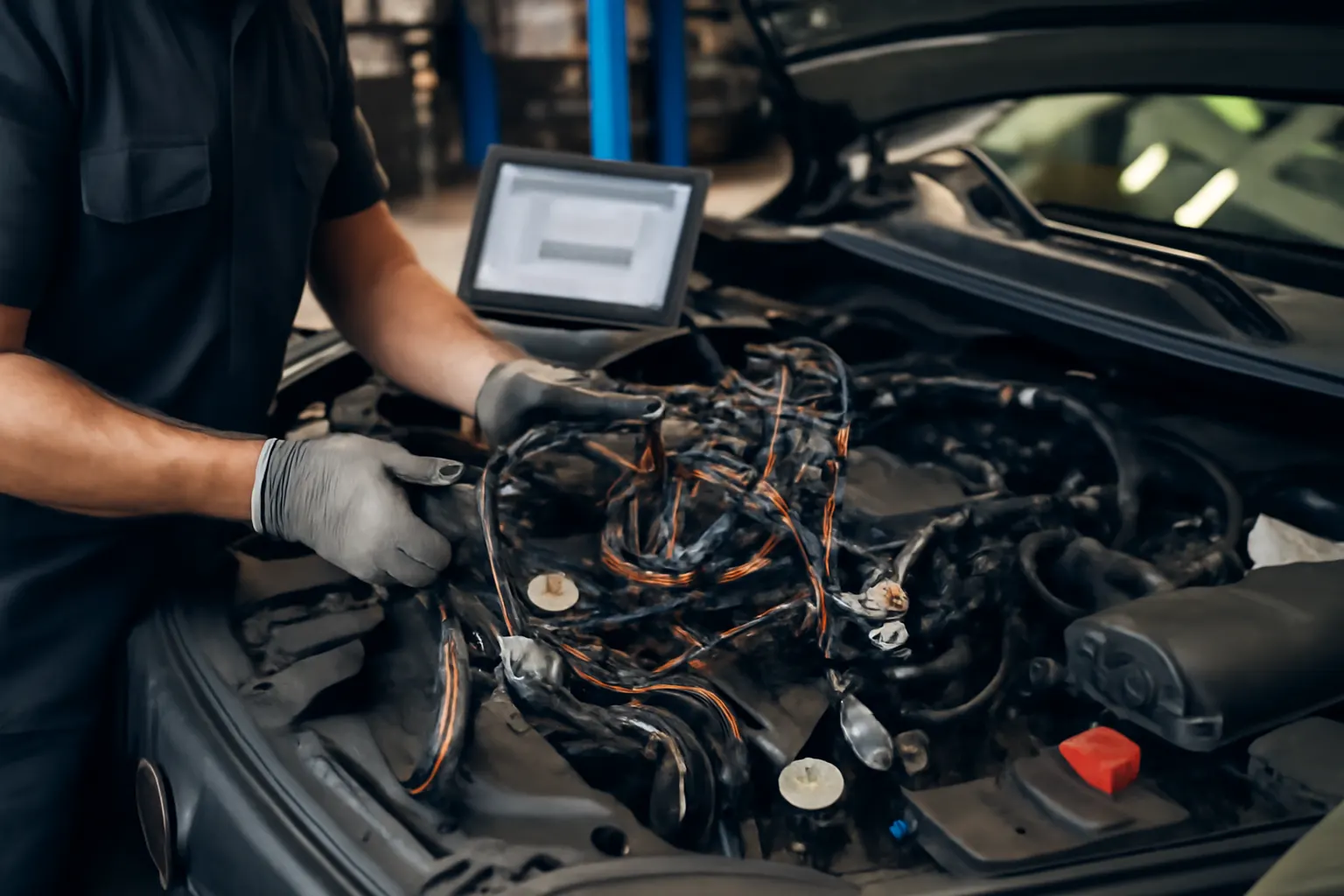
Why Modern Vehicles Rely on Advanced Harness Designs
Modern vehicles are more than just machines—they are intricate networks of sensors, controllers, actuators, and safety systems, all interconnected by sophisticated body wiring harnesses. These advanced harness designs are the backbone of automotive safety, connectivity, and reliability. Without them, today’s vehicles could not deliver the seamless integration of advanced driver-assistance systems (ADAS), infotainment, and electronic safety features that drivers expect.
Read More
Electrical Connectors: Selection and Service Tips
Choosing and maintaining the right electrical connectors is essential for the long-term reliability and safety of your vehicle’s body wiring harness. Whether you’re addressing a chronic electrical issue, upgrading to handle higher loads, or simply ensuring OEM-level performance, understanding connector selection, diagnostics, and service is critical. This AutoPartEx guide delivers actionable advice and in-depth technical insight, ensuring your harness connections remain robust, compliant, and trouble-free for years to come.
View Guide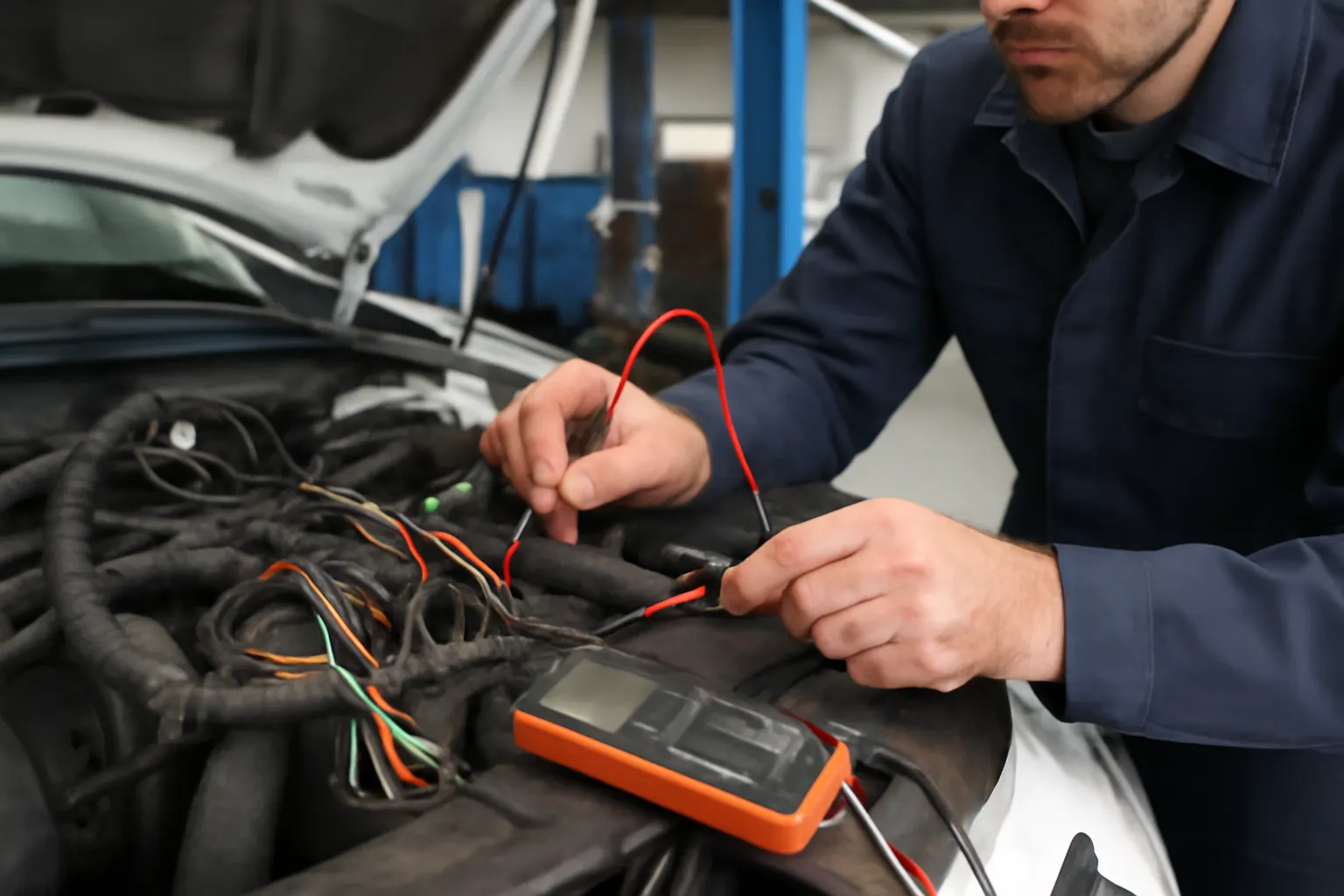
Case Study: Solving Hidden Harness Failures in the Field
At first glance, a flickering dome light or a malfunctioning door lock might seem like a simple switch or fuse issue. However, intermittent failures often hide deeper within the wiring infrastructure. Unlike hard faults (such as a completely severed wire), intermittent faults can appear and disappear with vehicle movement, temperature changes, or even humidity shifts. This unpredictability frustrates both owners and technicians, often resulting in multiple unsuccessful repair attempts and unnecessary part replacements.
Read More