Advertisement
Harness Materials and Fuel Efficiency
Modern automotive engineering is in the midst of a materials revolution. Lightweight, high-performance wiring harnesses are now a critical factor in achieving better fuel efficiency and reliability. By leveraging new conductor alloys, advanced insulations, and optimized harness design, manufacturers are cutting vehicle weight, reducing energy losses, and boosting overall performance. For anyone working with or sourcing Wiring Harness (Body): Complete Fitment, Diagnostics & OEM Solutions, understanding material choices is now essential for maximizing both operational efficiency and long-term value.
The Immediate Answer: Lighter, Smarter Harnesses Drive Efficiency Gains
The transition to advanced materials in body wiring harnesses is directly improving vehicle fuel efficiency. Engineers are replacing traditional copper wires and heavy protective jackets with innovative alloys, aluminum conductors, and high-strength polymers. These changes can shave several kilograms from a vehicle’s curb weight, directly enhancing miles per gallon (MPG) and reducing emissions. Simultaneously, modern insulation and sheathing materials offer better heat resistance, flexibility, and protection, ensuring that reliability is not sacrificed for weight savings.
The Hidden Problem: Traditional Materials Limit Efficiency and Sustainability
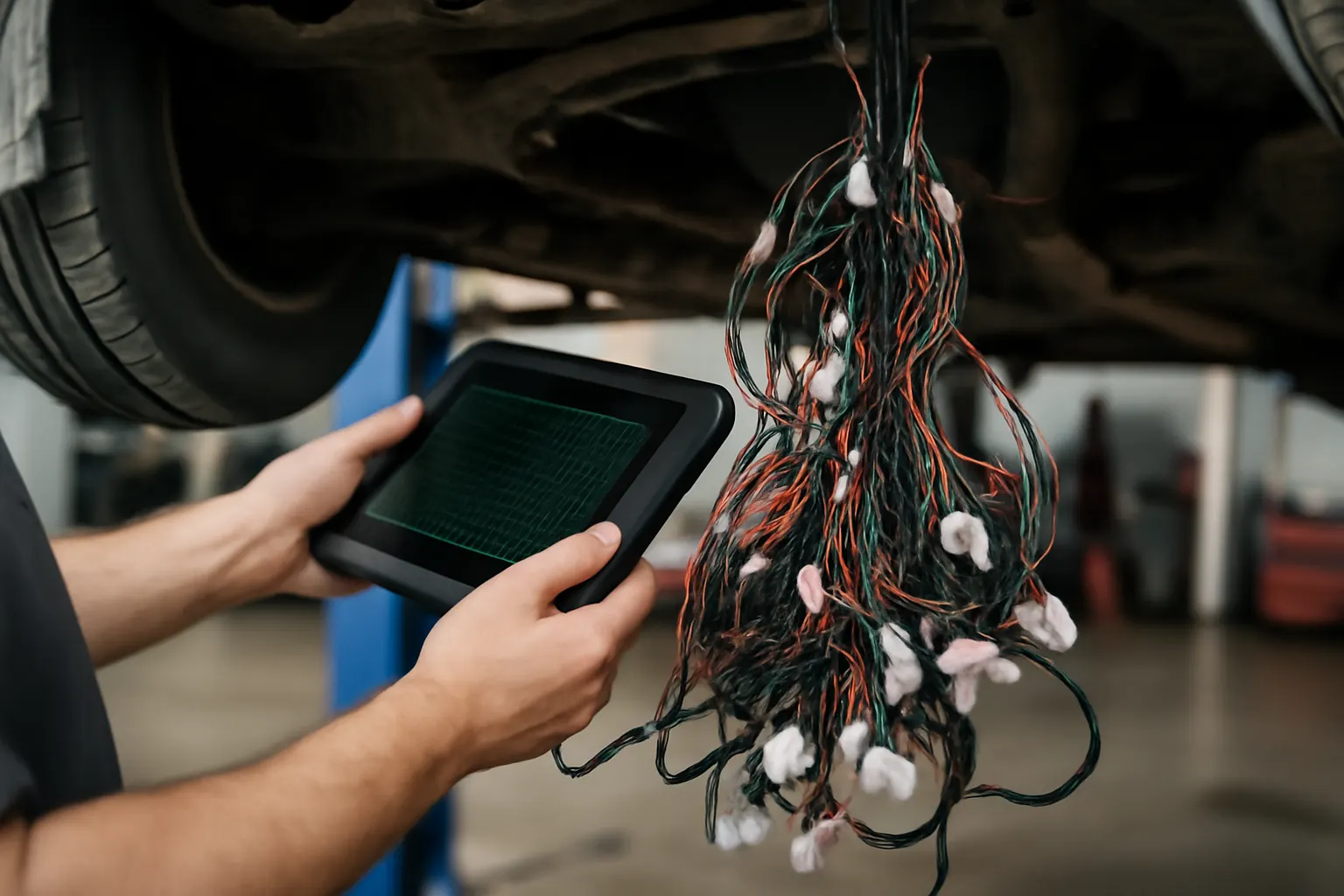
While the benefits of new harness materials are clear, many vehicles—especially those produced before the last decade—still rely on older copper-heavy harnesses with thick PVC insulation. These traditional designs add unnecessary weight and can restrict routing flexibility, hampering efforts to improve fuel efficiency. Additionally, legacy materials may degrade faster under high thermal loads, leading to increased maintenance and potential electrical failures. For fleets, repair shops, and DIYers, this legacy can mean missed opportunities for cost savings and performance improvements.
Why Materials Matter: The Expanding Role of Harnesses in Modern Vehicles
Wiring Harnesses: Not Just Wires
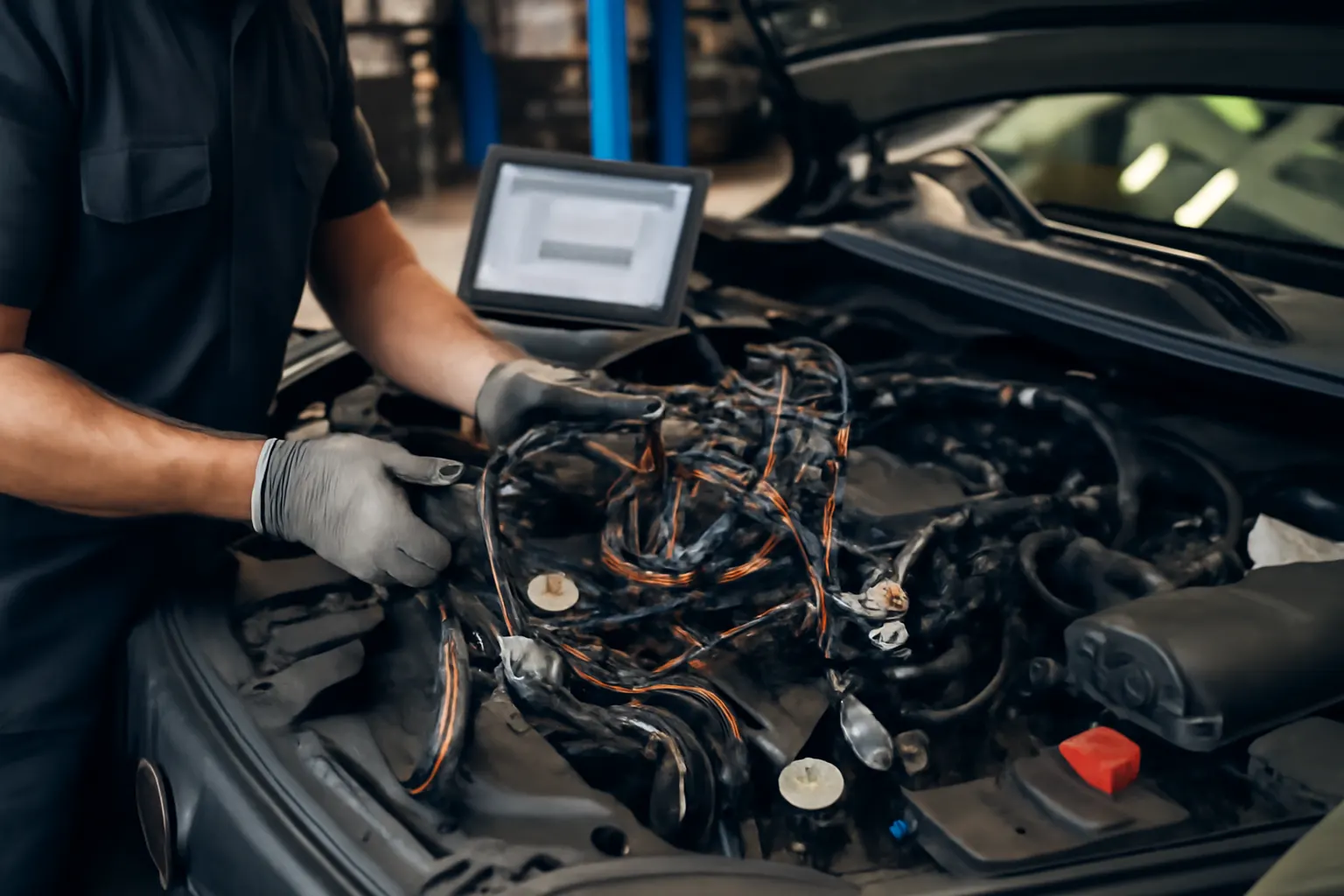
A body wiring harness is more than a bundle of wires—it is a complex, engineered system that connects every electrical component in the vehicle, from sensors and control modules to lighting and safety systems. The harness must withstand vibration, moisture, heat, and chemical exposure while delivering consistent electrical performance. In modern vehicles, the harness is one of the heaviest non-structural components, often weighing 40 pounds (18 kg) or more in a typical passenger car.
The Weight-Fuel Efficiency Connection
Every kilogram of weight removed from a vehicle can improve fuel economy by up to 0.2% to 0.5%, according to industry estimates and Department of Energy guidance[^1]. While this may seem modest, the cumulative effect across thousands of vehicles is substantial. In electric and hybrid vehicles, reducing harness weight also extends battery range—a critical selling point as automakers race to meet consumer and regulatory demands for efficiency.
Impact on Reliability and Safety
Harness material upgrades are not just about efficiency. Modern insulation and conductor materials resist heat, abrasion, and chemical degradation better than legacy PVC and copper, translating to longer service life and fewer electrical faults. Enhanced reliability also supports critical safety systems, as outlined by the National Highway Traffic Safety Administration[^3].
The Technical Evolution: From Copper to Composite Conductors
Copper: The Traditional Standard
Copper has long been the material of choice for automotive wiring due to its excellent electrical conductivity and ease of fabrication. However, copper is heavy and increasingly expensive. A typical mid-sized sedan can contain over 1 mile (1.6 km) of copper wiring, adding significant weight.
Aluminum and Alloy Conductors
To address these drawbacks, manufacturers are turning to aluminum and copper-alloy wires. Aluminum’s lower density (about 30% that of copper) allows for weight reductions of up to 50% per wire, though larger diameters are needed to match conductivity. Modern copper alloys can balance weight savings with improved strength and flexibility, allowing tighter routing and smaller harness cross-sections.
Advertisement
Composite and Hybrid Solutions
Some advanced harnesses now use composite conductors—aluminum cores with copper cladding—to combine the lightweight benefits of aluminum with the superior connectivity of copper at termination points. This hybrid approach further optimizes electrical performance, corrosion resistance, and assembly efficiency.
Advanced Insulation and Sheathing Materials
The Shift from PVC to High-Performance Polymers
Traditional PVC (polyvinyl chloride) insulation is heavy, stiff, and can degrade under heat or chemical exposure. Today’s harnesses increasingly use cross-linked polyethylene (XLPE), fluoropolymers, and thermoplastic elastomers, which offer:
- Lower weight per meter
- Superior flexibility for easier installation and routing
- Enhanced resistance to heat, oil, and abrasion
- Improved flame retardance and environmental safety
Harness Jackets and Shielding
Harness jackets protect bundles from mechanical stress and environmental exposure. Lightweight tapes, woven sleeves, and advanced foams reduce mass without sacrificing protection. In high-voltage and data harnesses, aluminum foil and braided copper shields are tailored for electromagnetic compatibility (EMC) and thermal management.
Harness Design for Efficiency: Beyond Materials
Modular and Zoned Harness Architectures
Modern vehicles employ modular harness designs, segmenting the wiring into zones (e.g., front, cabin, rear). This approach minimizes redundant wiring runs, shortens harness lengths, and reduces overall weight. Plug-and-play connectors and standardized modules also simplify assembly and maintenance.
Routing Optimization
Harnesses are now designed using 3D CAD tools to optimize routing paths, avoid pinch points, and minimize sharp bends. These advances reduce the need for excess slack and allow the use of thinner, lighter wires without sacrificing durability.
Integration with Lightweight Body Structures
Harnesses are increasingly integrated with lightweight body panels and subassemblies, further reducing the need for additional fasteners and protective hardware. This holistic design approach is critical for maximizing fuel efficiency gains.
Diagnostic Considerations: Identifying Material-Related Issues
Material Degradation Symptoms
Harnesses made from outdated materials are more susceptible to:
- Brittleness and cracking of insulation
- Corrosion at connectors and splices
- Increased electrical resistance and voltage drop
- Overheating and localized melting
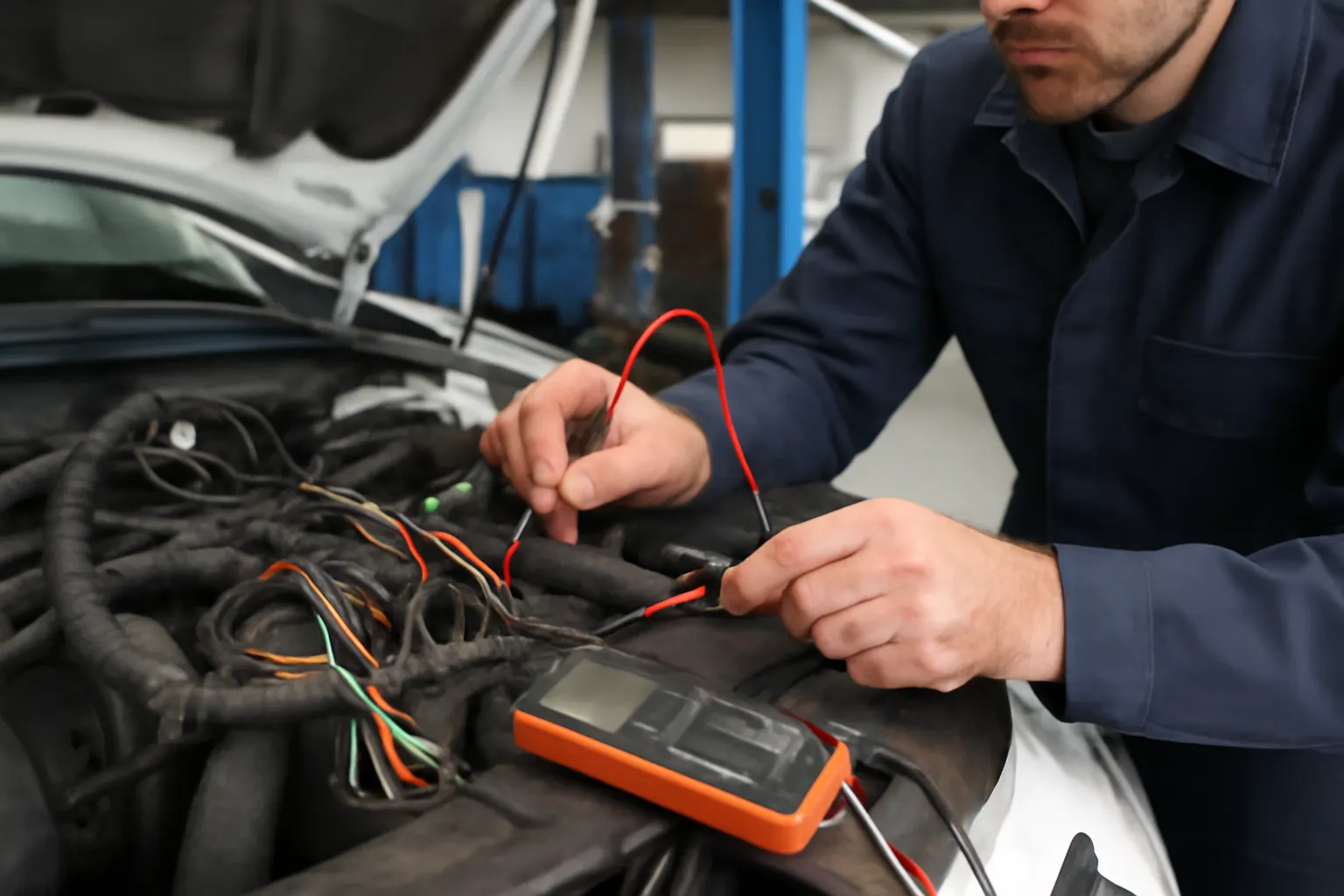
These issues can manifest as intermittent electrical faults, warning lights, or even vehicle shutdowns. Early diagnosis is essential for preventing more serious failures.
Diagnostic Checklist: Harness Material Assessment
Use this checklist to evaluate the condition and suitability of your vehicle’s wiring harness:
| Symptom | Possible Cause | Recommended Action |
|---|---|---|
| Insulation cracking or flaking | Aged PVC, heat exposure | Inspect/replace section |
| Discoloration at connectors | Corrosion, overheating | Clean/replace connectors |
| Hard/stiff harness feel | Material aging | Assess for replacement |
| Frequent electrical faults | High resistance, shorts | Test, consider upgrade |
| Excessive harness weight | Copper/PVC construction | Evaluate lightweight swap |
For more in-depth guidance, visit our Wiring Harness Replacement Guide.
Sourcing and Upgrading: Choosing Harnesses for Efficiency
OEM vs. Aftermarket Harnesses
OEM harnesses are designed to exact vehicle specifications, often incorporating the latest materials and design advances. Aftermarket harnesses can offer cost savings and customization, but it’s crucial to verify material quality and compatibility.
Key Buying Criteria
When sourcing a replacement or upgrade harness, consider:
- Conductor Material: Prefer aluminum or copper-alloy for weight savings, but ensure compatibility with connectors.
- Insulation Type: Look for XLPE, TPE, or fluoropolymer insulation for heat and chemical resistance.
- Harness Weight: Request weight specifications and compare to OEM benchmarks.
- Certifications: Ensure compliance with SAE and OEM standards for safety and performance.
Fitment and Compatibility
Always verify that the harness matches your vehicle’s year, make, model, and trim. Consult the OEM Fitment Strategies for Wiring Harnesses for detailed fitment guidance.
Maintenance Best Practices for Modern Harness Materials
Inspection and Cleaning
- Inspect harnesses for signs of wear, especially at bends and connectors.
- Use non-abrasive cleaners compatible with modern insulation materials.
- Check for secure mounting and protection from sharp edges or heat sources.
Advertisement
Preventing Material Degradation
- Avoid exposure to excessive heat or chemicals (oil, coolant, etc.).
- Replace deteriorating grommets and protective sleeves to prevent insulation damage.
- Use only manufacturer-approved repair kits for splicing or patching.
When to Replace
Harness replacement is warranted if you observe persistent electrical faults, visible insulation damage, or evidence of conductor corrosion. For high-mileage or high-heat vehicles, preemptive replacement with advanced-material harnesses can prevent costly downtime.
The Safety Perspective: Harness Materials and Vehicle Reliability
Regulatory Standards and Testing
Harness materials must meet rigorous safety and performance standards, including SAE and OEM-specific tests for flame resistance, insulation integrity, and mechanical durability1. The National Highway Traffic Safety Administration (NHTSA) also monitors harness-related recalls and equipment failures2.
Supporting Critical Systems
Modern harnesses power advanced driver-assistance systems (ADAS), airbags, and electronic stability controls. Material failures can have serious safety implications, making material selection and maintenance a top priority.
The Sustainability Angle: Environmental Impact of Harness Materials
Recycling and End-of-Life Considerations
Copper and aluminum are both highly recyclable, but modern lightweight harnesses use less raw material overall. Advanced insulation materials are increasingly designed for recyclability or reduced environmental impact, supporting broader automotive sustainability goals3.
Reduced Emissions and Lifecycle Benefits
By enabling lighter vehicles, advanced harness materials help reduce fuel consumption and greenhouse gas emissions throughout the vehicle’s life4. This aligns with regulatory and consumer demands for greener transportation solutions.
Future Trends: Where Harness Materials Are Headed
Electrification and High-Voltage Systems
Electric vehicles (EVs) demand harnesses that can handle higher voltages and currents, pushing further innovation in conductor alloys, shielding, and insulation. Expect to see more use of composite conductors, integrated cooling, and smart diagnostic features.
Smart and Adaptive Harnesses
Emerging “smart harnesses” integrate sensors for real-time monitoring of temperature, current, and wear, enabling predictive maintenance and further improving reliability.
Modular, Serviceable Designs
Future harnesses will be even more modular and serviceable, allowing for easier upgrades as new materials and technologies become available.
AutoPartEx: Your Partner for Efficient, Reliable Harness Solutions
At AutoPartEx, we understand that choosing the right harness materials is about more than just weight—it’s about optimizing performance, safety, and value for every vehicle. Our curated selection of Wiring Harness (Body): Complete Fitment, Diagnostics & OEM Solutions features the latest in lightweight, high-performance harnesses from trusted OEMs and aftermarket leaders. Whether you’re upgrading for efficiency, troubleshooting electrical issues, or planning a full harness replacement, our expert team and technical resources are here to help.
For more tips on diagnosing harness issues, see 5 Signs Your Body Harness Needs Attention. If you’re ready to upgrade or need fitment advice, contact our technical support specialists or explore our detailed guides.
Expert Action: How to Maximize Harness Efficiency Gains
- Assess your current harness: Use the diagnostic checklist above to identify outdated materials or problem areas.
- Research and source: Prioritize harnesses with lightweight conductors and advanced insulation from reputable suppliers.
- Verify fitment: Use vehicle-specific guides and consult with experts to ensure compatibility and performance.
- Install with care: Follow manufacturer instructions, and use proper tools to avoid damaging advanced materials.
- Maintain proactively: Inspect regularly, especially in high-heat or high-vibration environments.
By taking these steps, you can unlock measurable gains in fuel efficiency, reliability, and long-term cost savings.
References
- Materials Technologies — United States Department of Energy
- Fuel Efficiency — United States Department of Energy
- Vehicle Safety and Equipment — National Highway Traffic Safety Administration
- SAE Standards — SAE International
Footnotes
-
SAE Standards — SAE International ↩
-
Vehicle Safety and Equipment — National Highway Traffic Safety Administration ↩
-
Materials Technologies — United States Department of Energy ↩
-
Fuel Efficiency — United States Department of Energy ↩
Advertisement