Advertisement
Moisture is a silent but relentless enemy of underbody and chassis sensors in modern vehicles. Water intrusion, humidity, and corrosion can dramatically shorten sensor service life, leading to unreliable data, false diagnostics, and costly repairs. To maximize sensor longevity and ensure reliable vehicle performance, it is crucial to understand how moisture affects these vital components and what actions you can take to mitigate the risks.
If you’re looking for the latest in robust, moisture-resistant sensor solutions, start with our Sensor (Chassis, Misc) – Advanced Chassis Sensor Solutions category to explore the most current technologies and replacement options.
Immediate Answer: Moisture's Direct Impact on Chassis Sensor Service Life
Chassis sensors—ranging from wheel speed and ride height sensors to yaw rate and accelerometers—are typically mounted in vulnerable locations under the vehicle. When exposed to road spray, rain, snow, or high humidity, moisture can enter sensor housings or connectors. This intrusion often leads to:
- Corrosion of electrical contacts
- Short-circuiting and signal degradation
- Accelerated wear of sensor materials
Even minor water ingress can cause intermittent sensor faults, dashboard warning lights, and loss of critical driver-assist functions. For vehicles exposed to harsh climates, untreated moisture issues can halve sensor lifespan or worse.
The Hidden Problem: Why Moisture Attacks Chassis Sensors
While most chassis sensors are designed to meet stringent automotive standards, the underbody environment is uniquely harsh. Moisture damage is not just about getting wet—it’s about how water interacts with sensor materials, road salts, and the electrical system.
- Thermal cycling causes expansion and contraction, drawing in moisture.
- Road salts and de-icers intensify corrosion.
- Connector design flaws or worn seals allow gradual water ingress.
- Capillary action can pull water up wiring harnesses and into sensor housings.
Because these issues often go unnoticed until a sensor fails, the real challenge is catching moisture-related problems before they cause malfunction.
Deeper Technical Explanation: Materials, Construction, and Environmental Stress
Materials and Their Vulnerabilities
Modern chassis sensors are constructed from a mix of metals, plastics, and advanced composites. According to the United States Department of Energy’s Materials Technologies research, the selection and treatment of these materials are critical for both performance and longevity. However, even corrosion-resistant alloys and plastics can degrade when exposed to:
- Electrolytes (from road salts or acidic rain)
- Repeated wet-dry cycles
- Impact from road debris
Sensors often use thin-film or MEMS (Micro-Electro-Mechanical Systems) elements, which are especially sensitive to corrosion and contamination.
Environmental Stressors
The underbody is subjected to:
- Direct water spray from tires
- Mud and debris accumulation
- Extreme temperature fluctuations (from sub-freezing to over 100°C)
- Vibration and mechanical shock
These stresses accelerate the breakdown of seals and protective coatings, making even “sealed” sensors vulnerable over time.
Types of Chassis Sensors Most at Risk
Not all chassis sensors are equally exposed to moisture. The most at-risk types include:
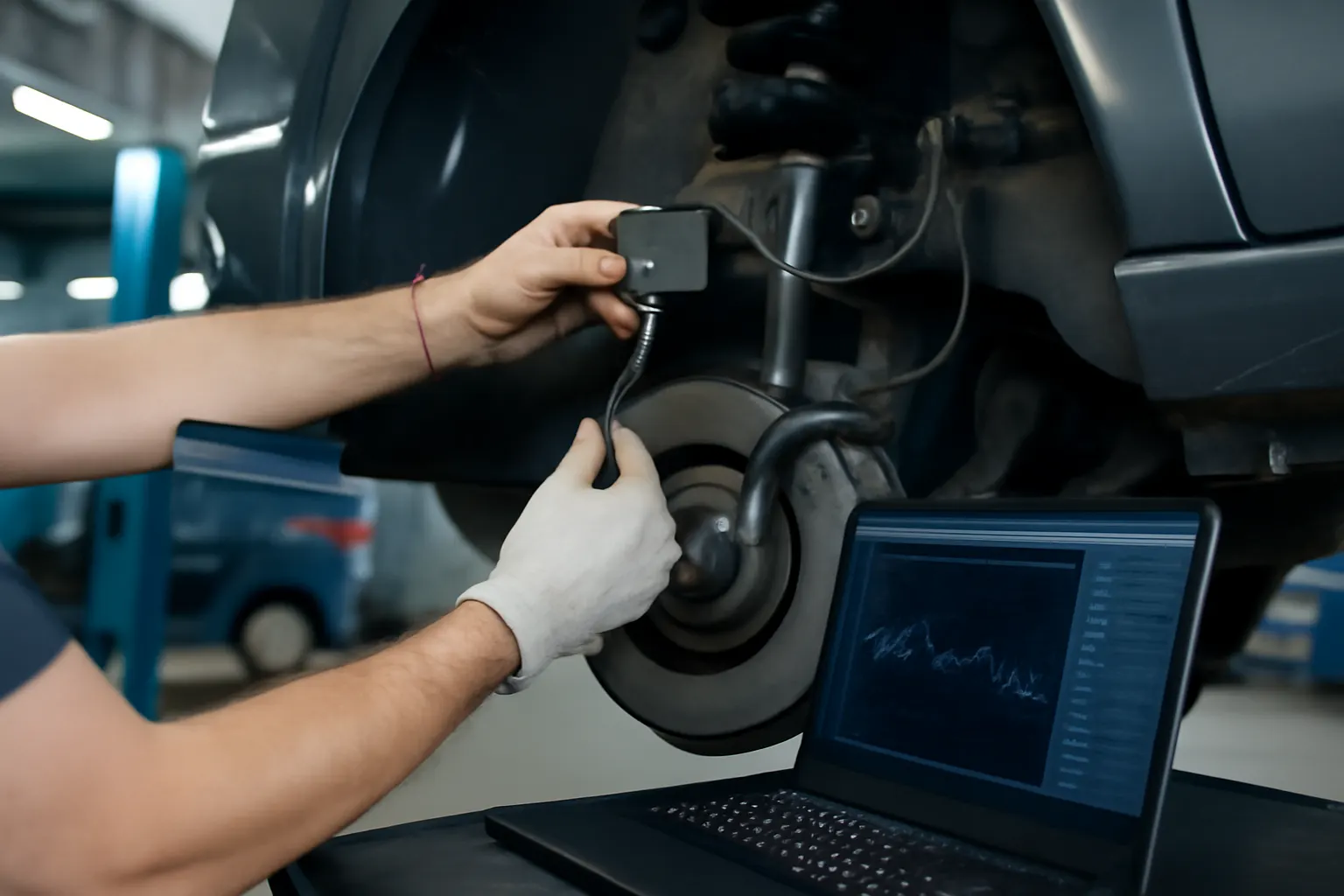
- Wheel Speed Sensors (ABS sensors): Located near brake assemblies, exposed to water, salt, and debris.
- Ride Height and Level Sensors: Mounted near suspension arms, often in direct line of spray.
- Yaw Rate and Accelerometers: Sometimes mounted in lower trunk or under-seat areas, vulnerable to flooding.
- Steering Angle and Torque Sensors: While often better protected, can still suffer from water intrusion via steering column seals.
- Temperature and Pressure Sensors: Used in adaptive suspension or tire pressure monitoring, these can be affected by condensation or direct water contact.
Advertisement
Each of these has unique failure modes when moisture is involved, from gradual signal drift to sudden catastrophic loss of function.
Diagnosing Moisture-Related Sensor Failures
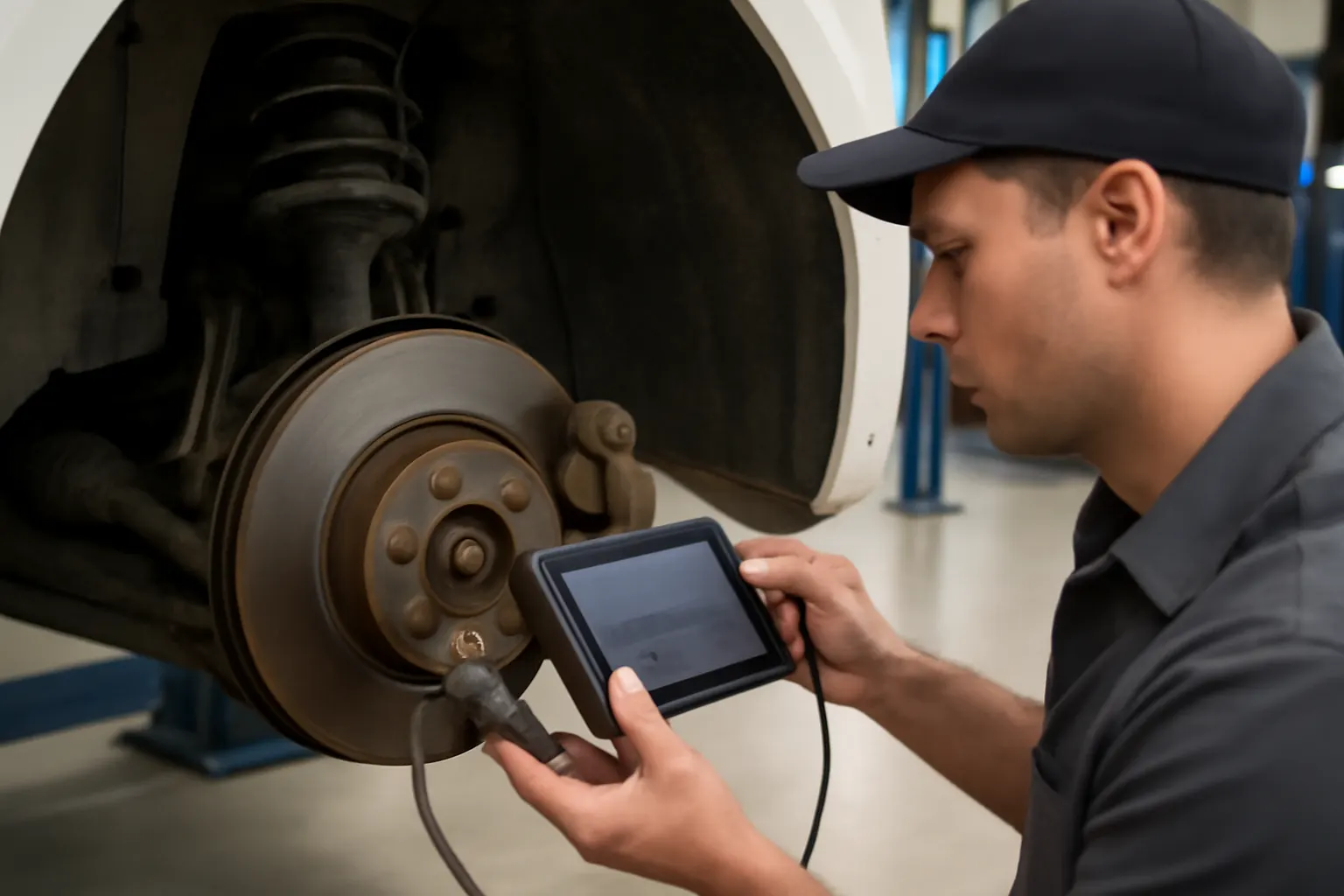
Detecting moisture-induced sensor issues requires a systematic approach. Symptoms can be subtle or intermittent, so a thorough diagnostic process is essential.
Common Symptoms
- Intermittent warning lights (ABS, traction control, stability control)
- Erratic readings or data dropouts in scan tool diagnostics
- Corrosion or discoloration at sensor connectors
- Visible moisture or condensation inside sensor housings
Diagnostic Checklist
Here’s a proven step-by-step checklist for diagnosing moisture-related chassis sensor problems:
| Step | Action | Notes |
|---|---|---|
| 1 | Visual Inspection | Check for signs of corrosion, water intrusion, or connector damage. |
| 2 | Scan Tool Diagnostics | Retrieve and clear fault codes, monitor live data for anomalies. |
| 3 | Connector Testing | Unplug sensor connectors, inspect for green/white corrosion, clean or replace as needed. |
| 4 | Resistance/Continuity Testing | Use a multimeter to check for open or short circuits. |
| 5 | Sensor Housing Inspection | If possible, open sensor housing to check for internal moisture. |
| 6 | Re-test After Drying | Dry affected areas and re-test; if symptoms disappear temporarily, moisture is likely the cause. |
For more on advanced troubleshooting, see our How to Diagnose Chassis Sensor Failures guide.
How Moisture Breaches Sensor Protection
Chassis sensors are engineered with multiple layers of defense, but moisture still finds its way in. The main entry points include:
- Worn or damaged seals: Rubber or silicone seals degrade with age and exposure to chemicals.
- Cracked housings: Impact from debris or improper installation can create microcracks.
- Connector gaskets: These small rubber rings are often overlooked during maintenance.
- Wicking via wiring: Capillary action can draw water up the wire insulation, bypassing external seals.
The National Highway Traffic Safety Administration emphasizes that even the smallest breach can compromise sensor reliability.
The Role of Corrosion: More Than Just Rust
Corrosion is the chemical or electrochemical reaction between materials and their environment. In the context of chassis sensors:
- Galvanic corrosion occurs when dissimilar metals (such as copper and steel) are in contact with an electrolyte (water with dissolved salts).
- Pitting corrosion can eat away at connector pins, reducing conductivity.
- Surface oxidation increases resistance, leading to signal loss or false readings.
Once corrosion starts, it can spread rapidly, especially if the sensor is repeatedly exposed to moisture and not addressed promptly.
Preventive Maintenance: Extending Chassis Sensor Service Life
Proactive maintenance is the best defense against moisture-induced sensor failure. Here are proven strategies:
Regular Inspection and Cleaning
- Inspect underbody sensors and connectors every oil change.
- Remove mud, debris, and road salt buildup with low-pressure water.
- Avoid high-pressure washers directly on sensors to prevent seal damage.
Protective Coatings and Greases
- Apply dielectric grease to sensor connectors during installation.
- Use corrosion-inhibiting sprays on exposed metal parts.
- Replace damaged or missing connector gaskets and seals immediately.
Seasonal and Environmental Considerations
- After winter or off-road use, perform a thorough underbody wash and inspection.
- In coastal or humid climates, increase inspection frequency.
Sensor Replacement: When Prevention Isn’t Enough
No sensor lasts forever, especially in harsh environments. Recognizing when to replace is key:
- Persistent warning lights even after cleaning and drying
- Physical damage or severe corrosion visible on connectors or housings
- Repeated intermittent faults traced to the same sensor
Advertisement
When replacing, always select sensors that meet or exceed original equipment specifications. Our Sensor (Chassis, Misc) – Advanced Chassis Sensor Solutions catalog features the latest in moisture-resistant designs and OE-grade replacements.
For detailed replacement instructions, particularly for high-risk sensors like wheel speed sensors, see Replacing Wheel Speed Sensors: Best Practices.
The Future: Advanced Materials and Smart Sensor Designs
Sensor manufacturers are investing heavily in new materials and design innovations to combat moisture and corrosion:
- Nano-coatings that repel water at the molecular level
- Integrated pressure-equalizing membranes to prevent condensation
- Improved connector designs with multi-stage sealing
- Self-diagnosing sensors that detect and report internal moisture before failure
According to the DOE’s Materials Technologies, advances in lightweight composites and corrosion-resistant alloys are already improving sensor durability and reducing vehicle weight.
If you’re interested in where smart chassis sensors are heading, check out our editorial, The Future of Vehicle Chassis Electronics.
Installation and Service Tips: Get the Most from Your Sensors
Proper installation is as important as the sensor itself. Here are best practices:
- Use torque specifications: Over-tightening can crack housings or seals.
- Route wiring away from pinch points and moving parts.
- Ensure connectors are fully seated with gaskets in place.
- Do not reuse damaged connectors or seals.
- Avoid contaminating sensor faces with grease or anti-seize.
A careful installation can be the difference between a sensor that lasts 50,000 miles and one that fails after a single harsh winter.
Buying Guidance: Choosing the Right Sensors for Moisture-Prone Environments
When sourcing replacement sensors, consider:
- OE or OE-equivalent quality: Aftermarket sensors should meet manufacturer specifications for sealing and corrosion resistance.
- Supplier reputation: Stick with trusted brands or specialty suppliers knowledgeable about sensor durability.
- Compatibility: Confirm fitment for your specific make, model, and year.
- Warranty coverage: Look for suppliers who stand behind their products.
For a curated selection of high-quality, moisture-resistant chassis sensors, browse our Sensor (Chassis, Misc) – Advanced Chassis Sensor Solutions page.
Expert Checklist: Moisture Protection for Chassis Sensors
To quickly assess your vehicle’s moisture vulnerability and protect your investment, use this expert checklist:
| Task | Frequency | Tools/Supplies |
|---|---|---|
| Inspect underbody sensors and wiring | Every oil change | Flashlight, creeper |
| Clean connectors and apply dielectric grease | Annually or as needed | Contact cleaner, dielectric grease |
| Replace damaged seals/gaskets | As found | Replacement seals, basic tools |
| Wash underbody (especially after winter) | Spring and fall | Low-pressure hose |
| Monitor for warning lights or erratic sensor data | Ongoing | OBD-II scanner |
The AutoPartEx Advantage: Your Partner in Sensor Longevity
AutoPartEx is committed to delivering not only the highest-quality chassis sensors, but also the knowledge and support you need to keep your vehicle safe and reliable. Our curated catalog, technical resources, and commitment to OE-grade parts ensure you get the best service life from every sensor replacement.
Explore our Sensor (Chassis, Misc) – Advanced Chassis Sensor Solutions for the most up-to-date, moisture-resistant products, or consult our technical guides for advanced diagnostics and installation support.
Take Action: Protect and Upgrade Your Chassis Sensors
- Inspect your underbody sensors this week—don’t wait for a warning light.
- Upgrade to moisture-resistant sensors if you drive in wet, salty, or humid conditions.
- Bookmark our How to Diagnose Chassis Sensor Failures and Replacing Wheel Speed Sensors: Best Practices guides for future reference.
- Reach out to AutoPartEx for expert advice on fitment, sourcing, and maintenance.
By staying proactive, you can avoid costly sensor failures, maintain safety-critical systems, and extend the life of your vehicle’s electronics.
References
Advertisement