Advertisement
The Future of Vehicle Chassis Electronics
The automotive world is rapidly evolving, and nowhere is this more evident than in the realm of chassis electronics. Today's vehicles rely on a sophisticated network of sensors and control modules to deliver superior safety, performance, and comfort. As automakers push the envelope with advanced driver assistance systems (ADAS), electrification, and lightweight materials, chassis sensor technology is at the heart of these innovations. In this comprehensive guide, we explore the latest trends shaping the future of vehicle chassis electronics, the challenges facing manufacturers and technicians, and how you can ensure your vehicle is equipped for the road ahead.
If you're looking to upgrade or maintain your vehicle's chassis sensors, explore our Sensor (Chassis, Misc) – Advanced Chassis Sensor Solutions to find the latest components and expert support.
The Immediate Answer: Chassis Electronics Are Transforming Safety and Performance
Modern chassis electronics—ranging from wheel speed sensors and accelerometers to yaw rate sensors and ride height detectors—are no longer optional extras. They form the backbone of crucial safety systems such as anti-lock braking (ABS), electronic stability control (ESC), and active suspension. Recent advances in sensor miniaturization, data processing, and connectivity are enabling real-time monitoring and adaptive responses that were unimaginable just a decade ago.
The result? Vehicles that not only react more quickly to hazards but also deliver a smoother, more controlled ride. Whether it's optimizing traction during a sudden downpour or adjusting suspension stiffness for changing road surfaces, the future of chassis electronics is about making every journey safer, smarter, and more efficient.
The Hidden Problem: Complexity and Integration Challenges
Yet, as the sophistication of chassis electronics grows, so too do the challenges. The hidden problem lies in the increasing complexity of sensor networks and the integration of these systems with other vehicle domains—powertrain, infotainment, and especially ADAS. This complexity introduces new points of failure, diagnostic hurdles, and maintenance demands.
For technicians, diagnosing a chassis-related fault is no longer a matter of checking a single sensor. Issues can stem from wiring harnesses, software glitches in the electronic control module (ECM), or even electromagnetic interference from other onboard electronics. For vehicle owners, this means that a single malfunctioning sensor can trigger a cascade of warning lights and impact multiple safety features.
Expanding the Problem: Evolving Standards, Materials, and Recalls
The rapid pace of innovation brings additional layers of complexity. New materials—such as advanced high-strength steel, aluminum alloys, and composites—are being incorporated to reduce weight and improve performance, but they can also affect sensor calibration and mounting. Regulatory standards are evolving, with agencies like the National Highway Traffic Safety Administration (NHTSA) mandating ever-stricter safety requirements and monitoring for equipment recalls.
Moreover, as vehicles become increasingly connected, cybersecurity risks emerge. Malicious actors could potentially compromise sensor data, undermining both safety and privacy. The need for robust, future-proof chassis electronics has never been greater.
The Technical Core: How Chassis Sensors Work and Where They're Headed
Types of Chassis Sensors
To appreciate where chassis electronics are headed, it's essential to understand the key sensor types and their functions:
- Wheel Speed Sensors: Monitor each wheel's rotation for ABS, traction control, and ESC.
- Yaw Rate Sensors: Detect rotational movement around the vertical axis, critical for stability control.
- Accelerometers: Measure acceleration forces for airbag deployment, ride control, and crash detection.
- Ride Height Sensors: Monitor suspension position for active damping and load leveling.
- Steering Angle Sensors: Track steering input for lane-keeping and adaptive cruise control.
These sensors feed data to central modules—such as the Electronic Control Modules—which process inputs and coordinate vehicle responses in milliseconds.
Emerging Technologies
The next generation of chassis electronics will leverage:
Advertisement
- MEMS (Micro-Electro-Mechanical Systems): Ultra-small sensors offering high precision and lower power consumption.
- Sensor Fusion: Combining data from multiple sensor types for more accurate vehicle dynamics modeling.
- Wireless Sensor Networks: Reducing wiring complexity and enabling modular upgrades.
- Self-Diagnostics: Sensors that can monitor their own health and report degradation before failure.
Diagnostic Challenges: Identifying Chassis Sensor Issues
With so many interdependent systems, diagnosing chassis sensor issues requires a methodical approach. Symptoms of a failing chassis sensor can include:
- ABS or ESC warning lights
- Unresponsive or erratic traction control
- Unusual suspension behavior (e.g., sagging, stiffness)
- Unexpected braking or steering interventions
A step-by-step diagnostic checklist is essential for isolating the root cause:
Chassis Sensor Diagnostic Checklist
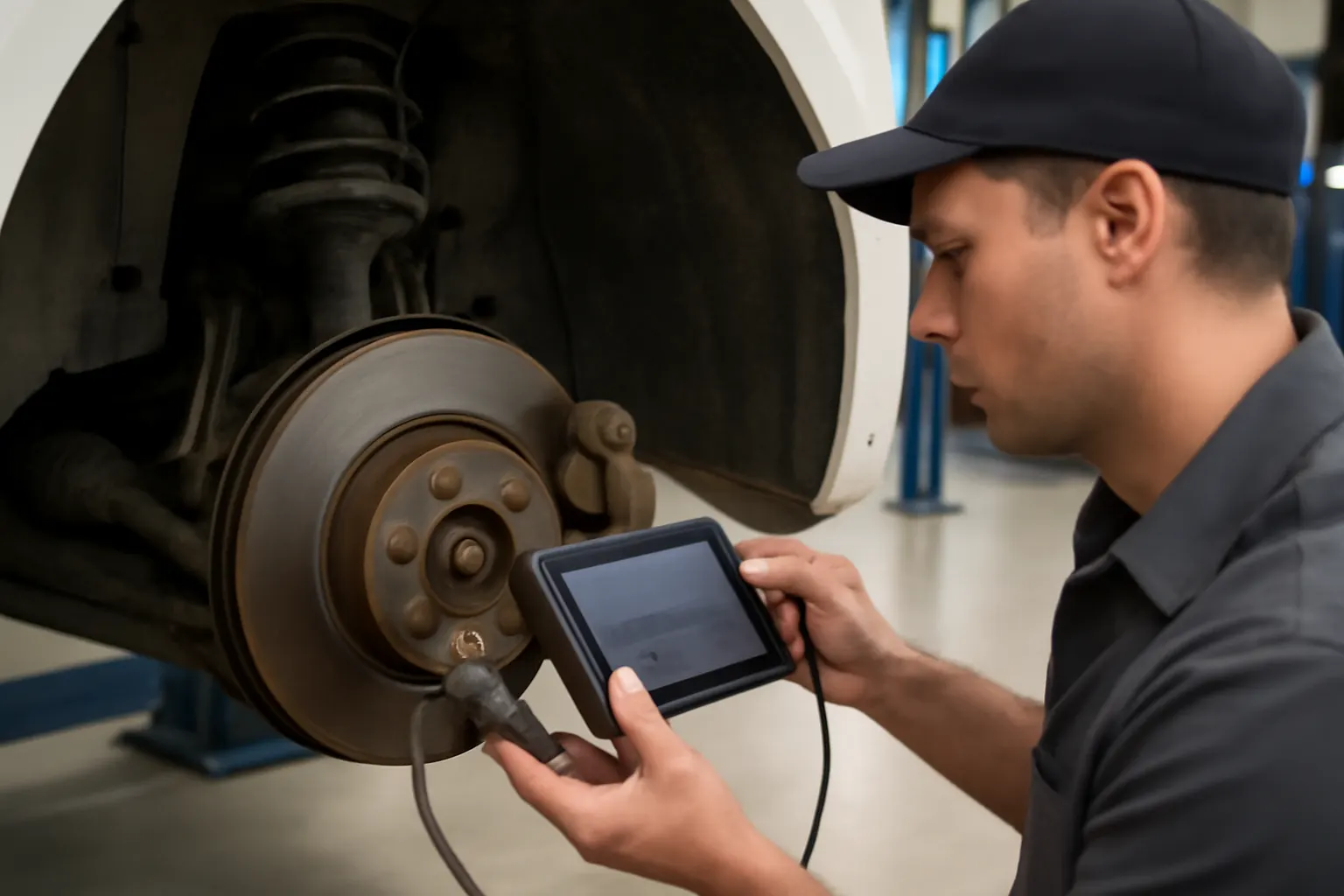
- Scan for Diagnostic Trouble Codes (DTCs)
Use a professional scan tool to retrieve fault codes from the vehicle's control modules. - Visual Inspection
Check sensor connectors, wiring harnesses, and mounting points for damage or corrosion. - Test Sensor Output
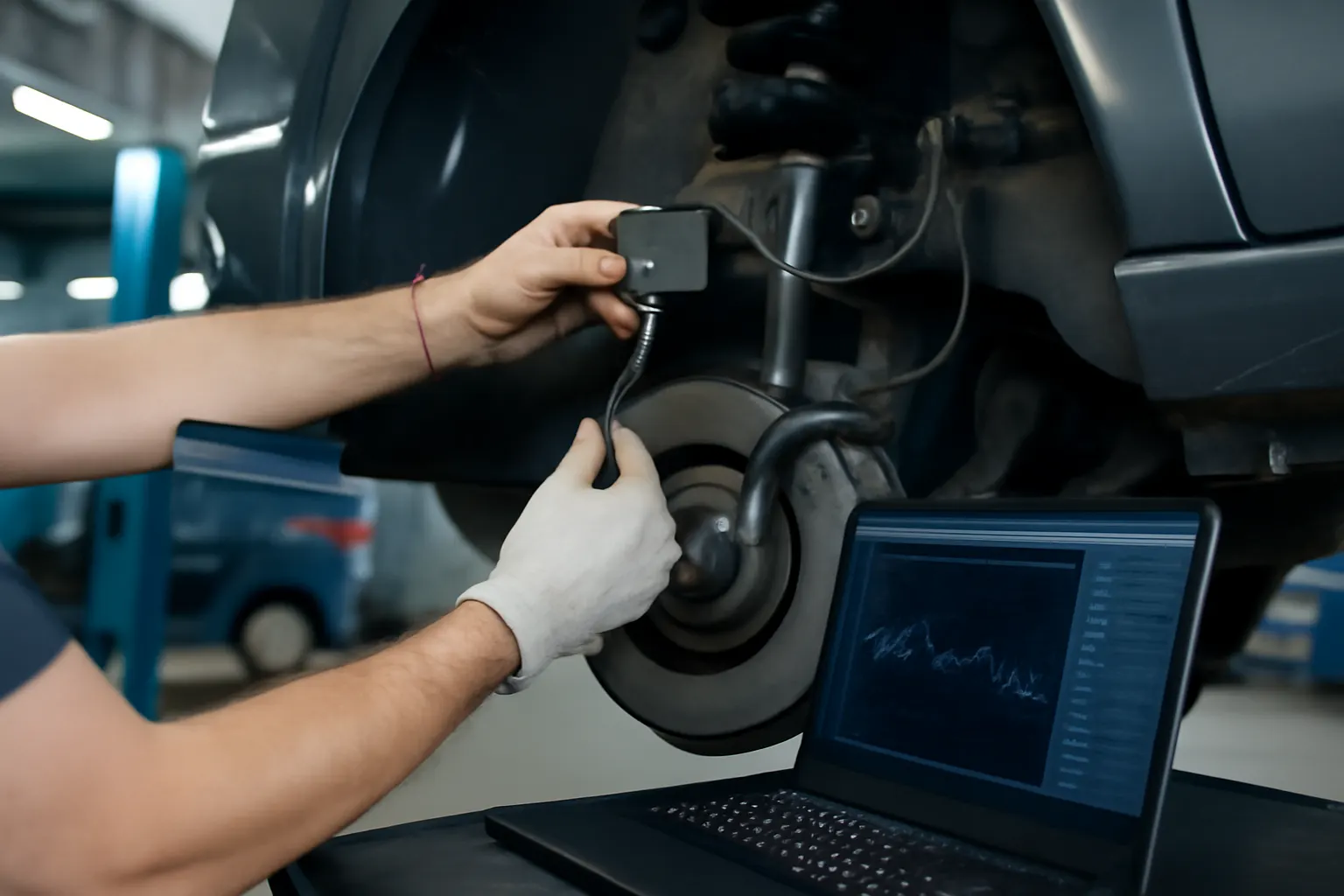
Use a multimeter or oscilloscope to verify sensor signals against manufacturer specs. - Check Related Systems
Ensure that power supply, grounds, and CAN bus communications are intact. - Perform Functional Tests
Activate ABS/ESC or suspension systems via scan tool to verify sensor response. - Consult Technical Service Bulletins (TSBs)
Look for known issues or recalls affecting your vehicle model.
For deeper troubleshooting, consult our How to Diagnose Chassis Sensor Failures guide.
Installation and Fitment: Best Practices for Modern Chassis Sensors
Replacing or upgrading chassis sensors is more than a plug-and-play affair. Modern vehicles require precise fitment and calibration to ensure optimal performance.
Key Installation Guidelines
- Use OEM or Quality Aftermarket Parts
Inferior sensors may not meet the vehicle's sensitivity or response requirements. - Follow Torque Specs
Over-tightening can damage sensor housings; under-tightening can lead to poor signal quality. - Calibrate After Installation
Many sensors require initialization or calibration with a scan tool after replacement. - Protect Against Moisture and Debris
Use dielectric grease and proper grommets to prevent corrosion and signal interference.
For specific instructions on wheel speed sensor replacement, see our Replacing Wheel Speed Sensors: Best Practices.
Maintenance and Longevity: Keeping Chassis Electronics Reliable
The harsh underbody environment exposes chassis sensors to moisture, road salt, vibration, and temperature extremes. Proactive maintenance is key to maximizing longevity.
Maintenance Tips
- Regular Underbody Inspections
Check for damaged wiring, loose connectors, and signs of water intrusion. - Clean Sensor Mounting Points
Prevent buildup of dirt or corrosion that can interfere with sensor readings. - Monitor for Moisture
Water ingress is a leading cause of sensor failure; see How Moisture Affects Chassis Sensor Longevity for preventative strategies. - Respond Promptly to Warning Lights
Ignoring ABS or ESC alerts can compromise safety and lead to costly repairs.
The Role of Materials: How Lightweight Construction Affects Chassis Sensors
Automakers are turning to lightweight materials to improve fuel efficiency and handling. According to the United States Department of Energy’s Materials Technologies, advanced high-strength steels, aluminum, magnesium, and composites are becoming standard in chassis construction.
Impacts on Sensors
- Mounting and Calibration: New materials can flex differently than traditional steel, affecting sensor alignment and requiring revised calibration procedures.
- Electromagnetic Interference: Composites and alloys may shield or amplify electronic signals, requiring robust sensor shielding.
- Thermal Expansion: Lightweight materials can expand or contract more than steel, potentially impacting sensor fitment and longevity.
Technicians must be aware of these factors when servicing or upgrading chassis electronics.
Regulatory Standards and Recalls: Staying Compliant and Safe
Chassis electronics are subject to rigorous safety standards and oversight. The National Highway Traffic Safety Administration (NHTSA) sets performance benchmarks for ABS, ESC, and related systems. Additionally, NHTSA monitors for equipment recalls that may impact sensor reliability and vehicle safety.
Advertisement
What This Means for Owners and Technicians
- Check for Recalls: Always verify that your vehicle is not subject to a recall affecting chassis sensors or control modules. Use the NHTSA Recalls Database.
- Use Certified Parts: Only install sensors and modules that meet or exceed OE standards and relevant SAE Standards.
- Document Repairs: Accurate service records are essential for warranty and regulatory compliance.
Sensor Fusion and ADAS: The Next Leap Forward
The integration of chassis sensors with advanced driver assistance systems is one of the most significant trends in automotive electronics. Sensor fusion involves combining data from multiple sources—radar, cameras, lidar, and chassis sensors—to create a comprehensive picture of vehicle dynamics and surroundings.
Benefits
- Improved Safety: Enhanced situational awareness enables features such as automatic emergency braking, lane-keeping assist, and adaptive cruise control.
- Smoother Ride: Active suspension and damping adjust instantly to road and driving conditions.
- Predictive Maintenance: Continuous monitoring allows for early detection of wear or failure.
This trend will only accelerate as vehicles move toward higher levels of automation.
Cybersecurity: Protecting Chassis Sensor Data
As vehicles become more connected, the security of chassis electronics becomes a critical concern. Hackers could potentially manipulate sensor data, affecting vehicle stability or braking.
Best Practices
- Secure Firmware Updates: Only install updates from trusted sources.
- Network Segmentation: Isolate safety-critical systems from infotainment and telematics.
- Regular Audits: Ensure that the latest security patches are applied to all electronic control units.
Manufacturers are increasingly designing sensors and modules with built-in encryption and authentication to mitigate these risks.
The Electrification Factor: Chassis Electronics in EVs and Hybrids
Electric and hybrid vehicles present unique challenges and opportunities for chassis electronics:
- Weight Distribution: Battery packs alter vehicle dynamics, requiring recalibrated sensors and control algorithms.
- Regenerative Braking: Chassis sensors must interface seamlessly with electric drive systems for smooth deceleration and energy recovery.
- Thermal Management: Higher voltages and currents necessitate sensors that can operate reliably in new thermal environments.
As the market shifts toward electrification, expect further advances in sensor robustness, integration, and diagnostic capabilities.
Buying Guidance: Selecting the Right Chassis Sensors
When sourcing replacement or upgraded chassis sensors, consider the following:
Buying Checklist
- Vehicle Compatibility: Confirm fitment by year, make, model, and trim.
- Quality Standards: Look for OE or high-quality aftermarket sensors with proven reliability.
- Certification: Ensure compliance with NHTSA and SAE standards.
- Warranty Coverage: Choose products backed by a solid warranty and technical support.
- Supplier Reputation: Buy from trusted sources like AutoPartEx, which offer expert guidance and verified parts.
AutoPartEx: Your Partner in Advanced Chassis Sensor Solutions
At AutoPartEx, we understand that the future of vehicle chassis electronics is both exciting and complex. Our comprehensive Sensor (Chassis, Misc) – Advanced Chassis Sensor Solutions category brings together the latest technology, certified parts, and expert advice to help you stay ahead of the curve. Whether you're a professional technician or a dedicated DIYer, we provide:
- Expert-curated parts that meet or exceed OE standards
- Detailed installation guides and diagnostic resources
- Responsive customer support for fitment and troubleshooting
- Ongoing updates on the latest trends and regulatory changes
Explore our range today and equip your vehicle for the next generation of automotive performance and safety.
Expert Action: Prepare for the Future of Chassis Electronics
The rapid evolution of chassis electronics demands proactive engagement from vehicle owners, technicians, and fleet managers. Here’s how to stay ahead:
- Stay Informed: Monitor industry trends, recalls, and regulatory updates.
- Invest in Training: Ensure your team is equipped with the latest diagnostic tools and knowledge.
- Choose Quality Parts: Don’t compromise on sensor quality or compatibility.
- Embrace Preventative Maintenance: Regular inspections and timely replacements can prevent costly failures.
- Partner with Trusted Suppliers: Work with specialists like AutoPartEx for reliable parts and expert support.
As chassis sensor technology continues to advance, those who prioritize quality, compliance, and continual learning will lead the way in safety and performance.
References
Advertisement