Advertisement
Front seat tracks are often overlooked when it comes to vehicle safety, but their integrity is absolutely critical. A compromised seat track doesn’t just make for an uncomfortable ride—it can directly undermine the effectiveness of seatbelts, airbags, and your car’s entire crash safety system. In this article, we’ll break down why front seat track integrity is essential for occupant safety, the hidden risks of neglecting this component, and provide expert advice on diagnosing, sourcing, and maintaining reliable seat track assemblies for your vehicle.
If you’re actively searching for replacement or upgraded seat track components, visit our Front Seat Track Replacement & Repair Parts | AutoPartEx category for a comprehensive selection tailored to your make and model.
The Immediate Answer: Why Seat Track Integrity Is a Safety Priority
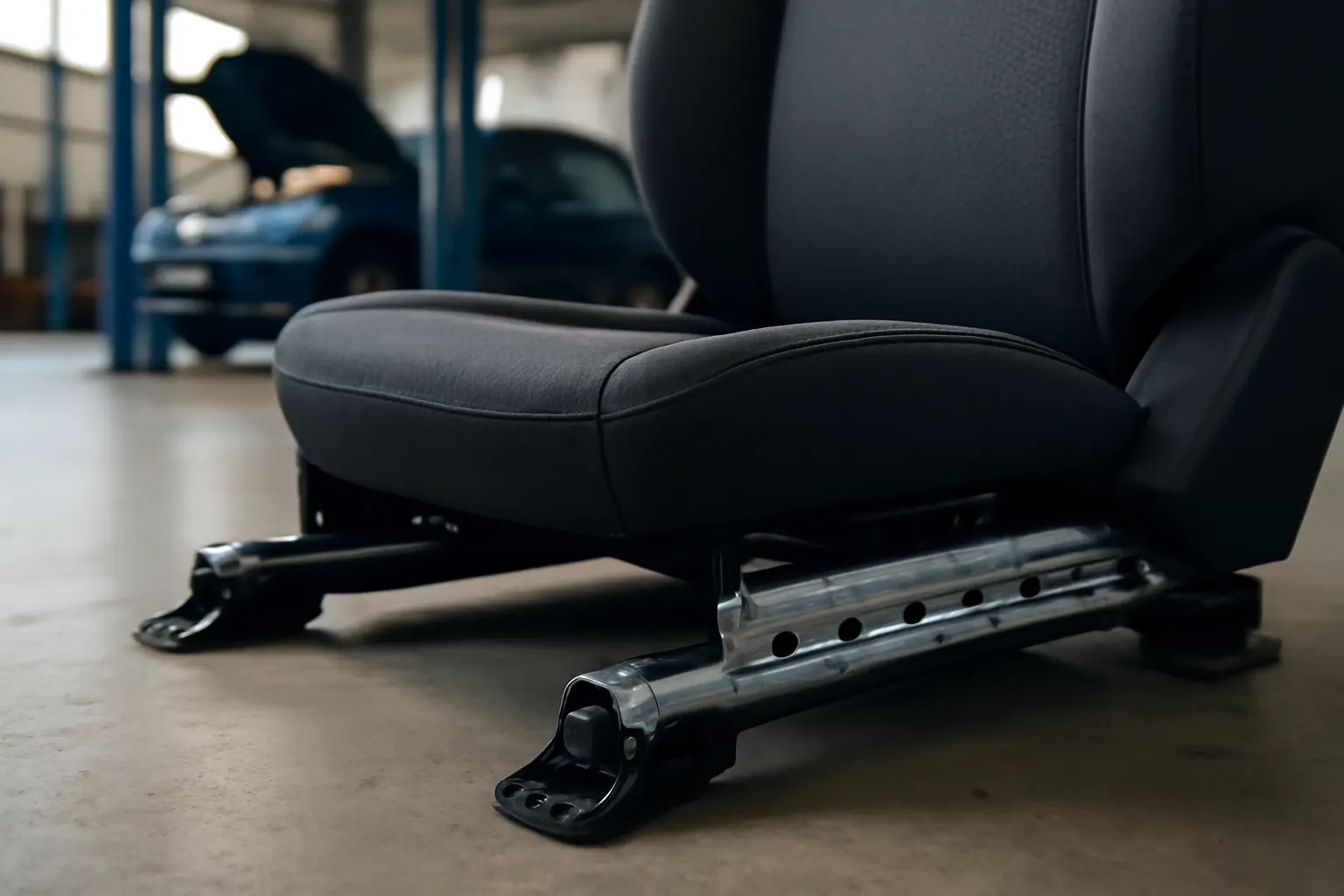
The front seat track anchors your seat to the vehicle’s body and allows it to slide and lock into position. If this track is bent, corroded, or the locking mechanism fails, your seat may shift or detach in a crash. This can cause the seatbelt and airbag systems to fail in protecting you, as they rely on the seat being firmly secured in the correct position. NHTSA standards specifically require seat retention systems to withstand substantial crash forces, making the front seat track a regulated safety-critical component [^1].
In short: If your seat track isn’t structurally sound, neither are your seatbelt nor airbag protections.
The Often-Hidden Problem: How Seat Track Issues Compromise Safety
While many drivers notice a wobbly seat or difficulty adjusting position, few realize how dangerous a compromised seat track can be. Here’s why:
- Airbag and Seatbelt Timing: Airbags deploy based on sensor data that assumes the seat is in a fixed, expected position. If the seat moves unexpectedly during an accident, the airbag may not protect you as designed.
- Seatbelt Effectiveness: The seatbelt is anchored to the seat or floor pan. If the seat shifts or detaches, the belt may become slack or misaligned, increasing injury risk.
- Crash Energy Management: Modern vehicles are engineered to channel crash forces through the seat structure and track. A weak track can collapse or break away, defeating these designs.
These risks are not always visible during a routine inspection, making proactive checks and timely replacement of suspect seat tracks a must for safety-minded drivers.
The Technical Details: The Role of Front Seat Tracks in Crash Safety
Front seat tracks are engineered to meet strict standards for strength, durability, and crashworthiness. Here’s how they fit into your vehicle’s safety ecosystem:
Load-Bearing and Crash Performance
During a collision, the seat track must:
- Resist Forward and Rearward Forces: In a frontal impact, the occupant’s weight is thrown forward. The seat track must not deform or detach.
- Maintain Seat Position: Side impacts and rollovers can exert twisting forces. The track’s locking mechanism must prevent unwanted seat movement.
- Transmit Crash Loads Safely: The seat track channels forces from the seatbelt and occupant into the vehicle’s reinforced floor structure.
Integration with Restraint Systems
- Seatbelt Mounting: Many vehicles use seat-mounted belts, which depend on the seat track’s integrity.
- Airbag Deployment Zones: Front airbags, side airbags, and knee airbags all have deployment paths calculated based on the seat’s locked position.
Regulatory Standards
- NHTSA and SAE Requirements: Federal Motor Vehicle Safety Standards (FMVSS) and SAE standards dictate minimum strength and retention requirements for seat tracks [^1][^4].
- Recall History: Defective seat tracks have been subject to multiple recalls due to failure to meet these standards [^2].
Signs Your Front Seat Track May Be Failing
Early diagnosis is key to preventing safety failures. Watch for these warning signs:
- Excessive Seat Movement: If your seat rocks, wobbles, or shifts under load, the track or its fasteners may be worn or loose.
- Difficulty Adjusting Position: Stiff or jammed seat sliders can indicate corrosion or bent rails.
- Unusual Noises: Clicking, popping, or grinding sounds during seat movement may signal broken track teeth or debris.
- Visible Rust or Damage: Corrosion, cracks, or bent metal along the seat track are red flags.
Advertisement
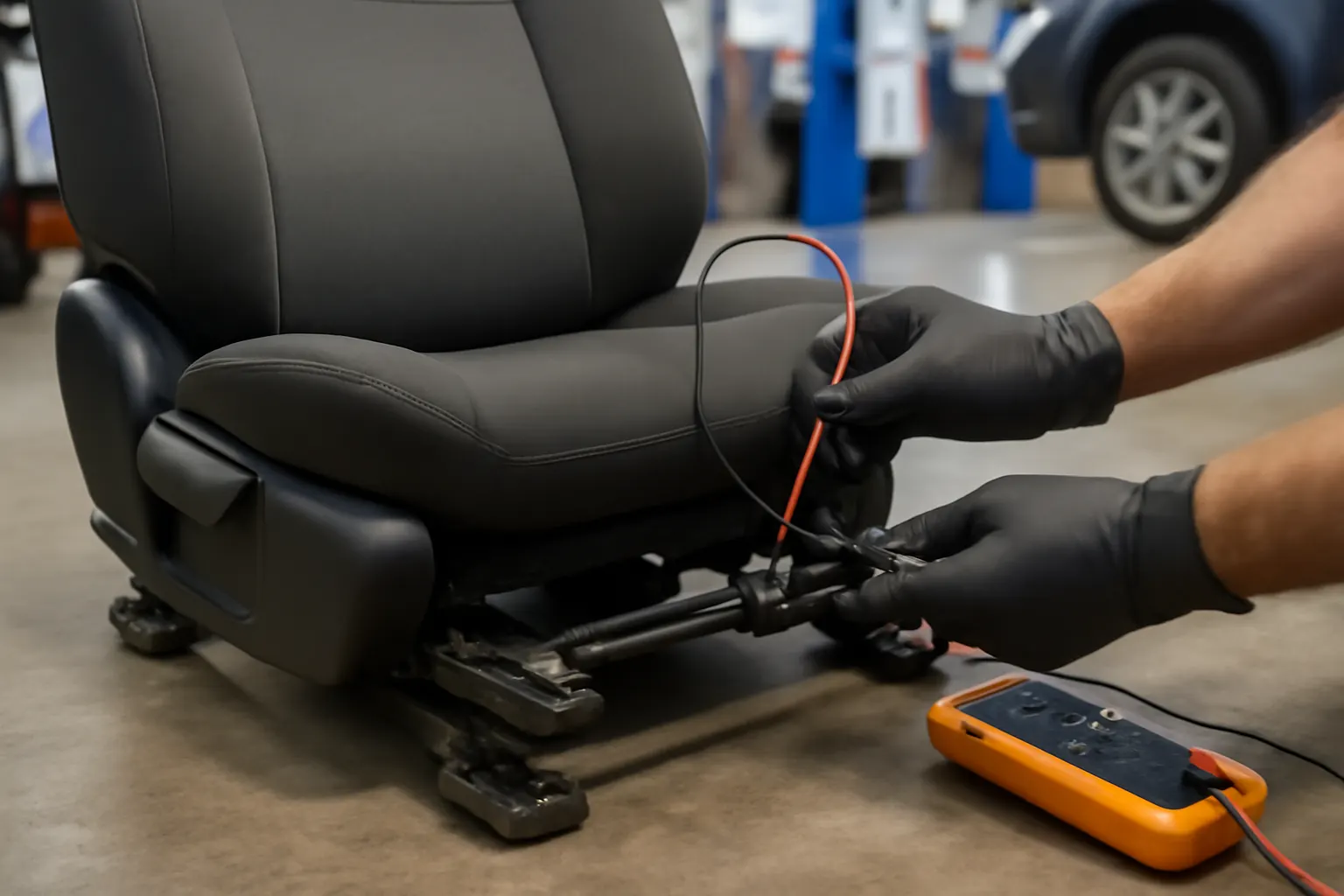
If you experience any of these symptoms, a thorough inspection is warranted. For a step-by-step diagnostic guide, see our How to Diagnose and Replace a Front Seat Track.
How a Weak Seat Track Impacts Airbag and Seatbelt Performance
The effectiveness of airbags and seatbelts depends on the seat remaining in its intended position during a crash. Here’s what can go wrong when the seat track fails:
- Airbag Deployment Errors: Airbags may deploy too early, too late, or in the wrong direction if the seat shifts.
- Seatbelt Slack: If the seat moves forward, the seatbelt may not restrain the occupant properly, leading to “submarining” (sliding under the belt) or increased injury risk.
- Increased Injury Risk: Studies show that seat track separation or movement is correlated with higher rates of head, neck, and chest injuries in crashes.
This is why seat track recalls, such as those documented by NHTSA, often cite “failure to restrain occupant” as the core hazard [^2].
Common Failure Modes in Front Seat Tracks
Understanding how seat tracks fail can help you spot problems early. The most common issues include:
1. Mechanical Wear and Fatigue
- Cause: Repeated seat adjustments, heavy loads, or aggressive use.
- Result: Worn teeth, loose locking mechanisms, or broken welds.
2. Corrosion and Rust
- Cause: Moisture intrusion, especially in humid climates or after water leaks.
- Result: Track binding, weakened metal, or complete breakage.
3. Improper Repairs or Modifications
- Cause: Use of incorrect fasteners, non-OEM replacement parts, or DIY welding.
- Result: Reduced crashworthiness, misalignment, or early failure.
4. Manufacturing Defects
- Cause: Poor-quality materials or assembly errors.
- Result: Premature failure, often leading to recalls.
Diagnosing Front Seat Track Problems: A Checklist
Regular inspection can catch issues before they become safety risks. Use this checklist to evaluate your seat track:
| Inspection Point | What to Look For | Action Needed |
|---|---|---|
| Seat Movement | Any rocking, sliding, or looseness | Tighten or replace fasteners/track |
| Adjustment Mechanism | Smooth, secure movement | Lubricate or repair as needed |
| Lock Engagement | Audible and tactile “click” when locked | Replace locking mechanism if faulty |
| Visible Metal Condition | Rust, cracks, bends, or breakage | Replace track or affected parts |
| Fastener Integrity | Missing, loose, or corroded bolts | Replace with correct hardware |
| Under-Seat Wiring (if equipped) | No pinched or exposed wires | Reroute or repair wiring |
For more detail on troubleshooting manual versus power seat tracks, see Troubleshooting Power vs. Manual Seat Track Issues.
Choosing Replacement Seat Tracks: OEM vs. Aftermarket
When it’s time to replace your seat track, you’ll face a choice between original equipment manufacturer (OEM) and aftermarket options. Here’s what you need to know:
OEM Seat Tracks
- Pros: Guaranteed fit, meets or exceeds safety standards, compatible with all integrated seat sensors and airbags.
- Cons: Higher cost, sometimes limited availability for older models.
Aftermarket Seat Tracks
- Pros: Lower cost, wider variety, availability for discontinued models.
- Cons: Quality varies by supplier, may not always meet OEM crash standards, possible compatibility issues with sensors or seat adjustment mechanisms.
Tip: Always check that the replacement seat track is certified to meet federal safety standards. For a detailed comparison, see Choosing the Right Seat Track: OEM vs. Aftermarket.
Installation Best Practices for Maximum Safety
Proper installation is critical. Even the best seat track will fail if not correctly installed. Follow these best practices:
- Use Manufacturer-Approved Parts: Always source the correct part number for your vehicle.
- Torque Fasteners to Spec: Under- or over-tightening can compromise crash performance.
- Check Alignment: Misaligned tracks can cause premature wear and unsafe seat positioning.
- Verify Locking Mechanisms: After installation, ensure the seat locks securely in all positions.
- Reconnect and Test Sensors: For vehicles with seat position or occupancy sensors, verify proper function after reassembly.
If in doubt, professional installation is recommended. Incorrect installation can void the safety benefits of a new seat track.
Maintenance Tips to Extend Seat Track Life
Preventive maintenance can extend the life of your seat track and keep your vehicle’s safety systems at peak performance:
Advertisement
- Keep Tracks Clean: Vacuum debris from under the seat regularly to prevent binding.
- Lubricate Moving Parts: Use a silicone-based lubricant on metal sliders and rollers (avoid grease that attracts dirt).
- Inspect for Rust: Treat any surface rust with appropriate rust inhibitors.
- Check After Heavy Loads: If you’ve transported unusually heavy cargo or passengers, recheck the seat track and fasteners.
Routine attention can help you avoid costly repairs and, more importantly, keep your safety systems functioning as designed.
The Impact of Seat Track Recalls and Regulations
Seat track failures are not just hypothetical—they’ve prompted multiple recalls and regulatory actions. The National Highway Traffic Safety Administration (NHTSA) monitors seat track integrity as a key safety concern:
- Recall Triggers: Recalls are often issued for seat tracks that may not restrain the seat in a crash, have faulty welds, or exhibit premature wear.
- Compliance Testing: Manufacturers must certify that seat tracks meet FMVSS crash retention standards.
- Owner Notifications: If your vehicle is recalled for a seat track issue, repairs are typically performed at no cost.
Always check your VIN at the NHTSA recall portal to see if your vehicle is affected. Promptly address any recall notices to maintain safety compliance.
How Seat Track Design Has Evolved with Modern Safety Systems
Today’s seat tracks are more complex than ever, integrating with advanced safety and comfort features:
- Integrated Sensors: Many vehicles use seat position sensors to control airbag deployment and seatbelt pretensioners.
- Power Adjustment Mechanisms: Electric motors and memory modules add complexity—and new failure points.
- Lightweight Materials: High-strength steels and aluminum alloys improve crash performance while reducing weight 12.
These advancements mean that seat track replacement is no longer a simple mechanical swap. Compatibility with electronic systems is often crucial.
Buying Guidance: Sourcing the Right Seat Track for Your Vehicle
Finding the correct seat track isn’t just about matching year, make, and model. Consider these factors:
- Manual vs. Power: Ensure compatibility with your seat’s adjustment system.
- Airbag and Sensor Integration: Some tracks have built-in wiring harnesses or sensor mounts.
- Left vs. Right Side: Tracks are usually not interchangeable between driver and passenger sides.
- Trim Level Differences: Luxury or sport packages may use different tracks.
For a curated selection by vehicle, visit our Front Seat Track Replacement & Repair Parts | AutoPartEx page. For adjustment hardware or related parts, browse our seat adjustment and hardware category.
When to Replace vs. Repair: Making the Right Call
Not all seat track issues require full replacement. Here’s a decision matrix:
- Replace: If the track is bent, cracked, heavily rusted, or the locking mechanism is compromised.
- Repair: If minor surface rust is present, or if adjustment becomes stiff due to debris or dried lubricant.
Attempting to repair a structurally compromised track is not recommended. Always err on the side of safety—especially if the seat moves unexpectedly or fails to lock securely.
AutoPartEx: Your Partner for Safe, Reliable Seating Solutions
At AutoPartEx, we understand that safety starts from the ground up—literally. That’s why we offer only rigorously tested, quality-assured front seat track components for all major vehicle makes and models. Whether you’re a DIY enthusiast or a professional technician, our catalog helps you restore OEM-level safety and comfort.
Browse our Front Seat Track Replacement & Repair Parts | AutoPartEx selection for direct-fit options, or explore our seat adjustment and hardware page for complementary components. Our technical guides, including How to Diagnose and Replace a Front Seat Track, are designed to empower you with the knowledge needed for safe, confident repairs.
Take Action: Don’t Compromise on Seat Track Safety
If you suspect your front seat track is worn, damaged, or simply want to ensure your vehicle’s safety systems are fully operational, act now:
- Inspect your seat track using the checklist above.
- Address any issues immediately—never delay seat track repairs.
- Choose high-quality, safety-compliant replacement parts.
- Consult professional resources or technicians if you’re unsure.
Your safety—and the safety of everyone who rides with you—depends on the integrity of your vehicle’s seat mounting systems.
References
- Vehicle Safety and Equipment – National Highway Traffic Safety Administration
- Vehicle, Car Seat, Tire, and Equipment Recalls – National Highway Traffic Safety Administration
- Fuel Efficiency – United States Department of Energy
- SAE Standards – SAE International
- Materials Technologies – United States Department of Energy
Footnotes
Advertisement