Advertisement
Restoring a classic car’s original windshield frame preserves authenticity, structural integrity, and value. For enthusiasts and restoration professionals alike, saving the original frame is not just about aesthetics—it's a commitment to safety, originality, and the engineering intent of the vehicle. This guide delivers expert-backed steps for inspecting, repairing, and preserving vintage windshield frames, while also highlighting the hidden challenges and best practices that can make or break your restoration project.
If you’re just beginning your classic car journey or are deep into a frame-off restoration, understanding the windshield frame’s role is essential. For a broader look at its critical function, see our Windshield Frame: Structural Backbone for Safety, Sealing, and Visibility category page.
Why Save the Original Windshield Frame?
The original windshield frame is more than just a mounting point for glass—it’s a structural backbone that anchors the windshield, supports the roof, and contributes to the vehicle’s crashworthiness. Retaining the original frame ensures that the car’s fit, finish, and safety characteristics remain as the manufacturer intended. For collectors, originality is a key value driver, impacting both market price and historical significance.
However, the challenge lies in the fact that original frames are often the first casualty of rust, accident damage, or poorly performed repairs. Once replaced or heavily modified, the authenticity of the restoration can be compromised, and the fitment of glass, trim, and seals may suffer.
The Hidden Problem: Undetected Windshield Frame Damage
Many restorers underestimate the extent of hidden damage that can lurk beneath paint, trim, and weatherstripping. Windshield frames are notorious for trapping moisture, leading to rust that can eat through metal from the inside out. This hidden deterioration is particularly prevalent in classic vehicles stored outdoors or those that have had previous windshield leaks.
Even minor rust can jeopardize the bond between the glass and the frame, potentially causing leaks, wind noise, and even compromising the vehicle’s safety in a collision. According to the National Highway Traffic Safety Administration, windshield mounting integrity is a critical safety factor. If the frame is weakened, the windshield may not stay in place during an accident, affecting roof crush resistance and airbag deployment trajectories.
How Windshield Frame Issues Escalate
Unchecked rust or structural issues in the windshield frame can quickly escalate from cosmetic blemishes to major safety hazards:
- Loss of Structural Integrity: The windshield frame helps maintain body rigidity. Rusted or weakened frames can flex or deform, affecting handling and crash protection.
- Water Intrusion: Gaps or holes in the frame can allow water to enter, leading to further corrosion, electrical issues, and mold growth in the cabin.
- Glass Fitment Problems: A deformed or repaired frame may not accept new glass or seals properly, leading to leaks and wind noise.
- Trim and Weatherstrip Issues: Original trim pieces may not fit after poorly executed repairs, diminishing the car’s appearance and value.
The escalation of these problems underscores why it’s critical to thoroughly inspect and properly restore the original windshield frame rather than replacing it outright.
Step One: Diagnosing Windshield Frame Condition
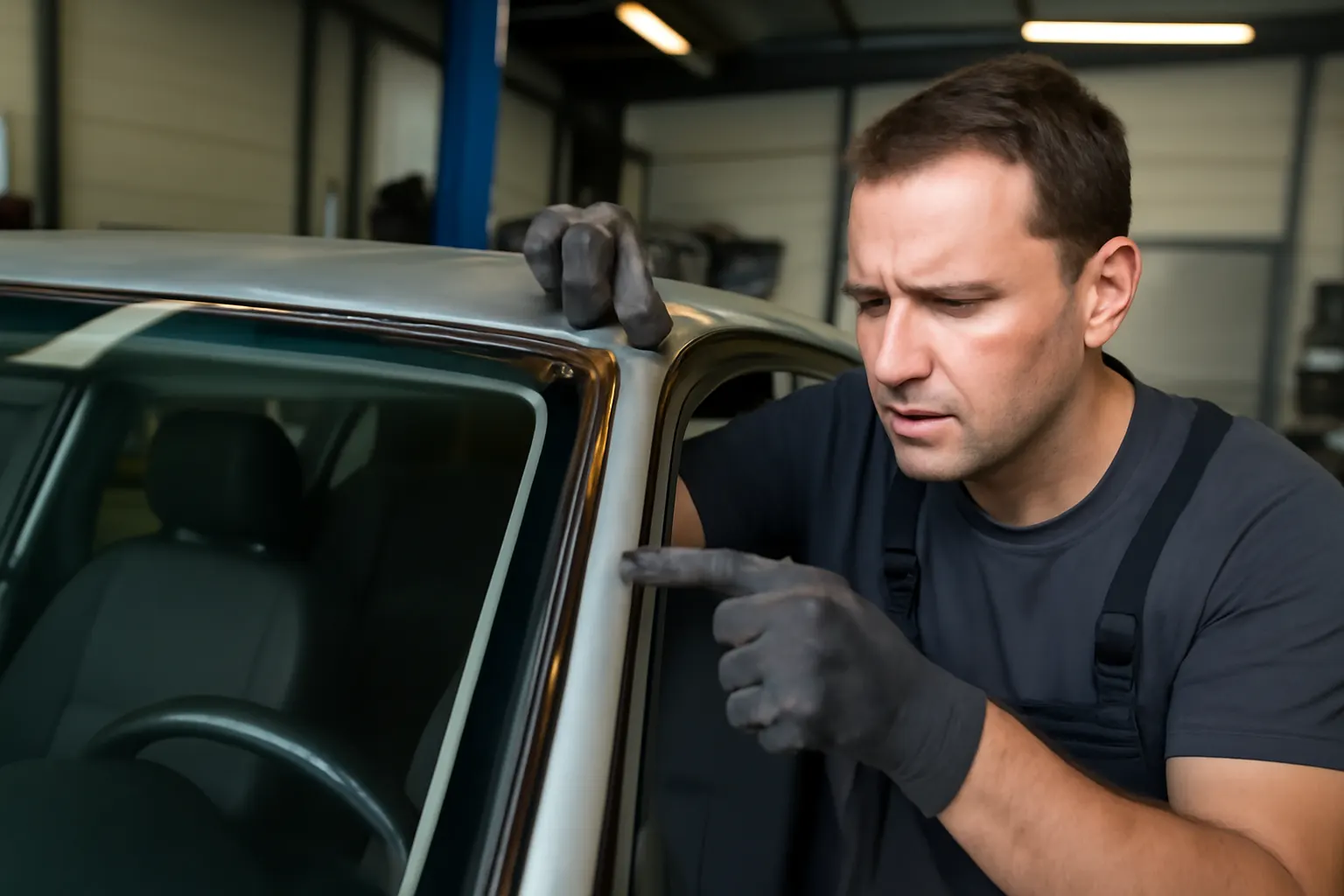
A successful restoration begins with a thorough, systematic inspection. The following checklist provides a starting point for assessing your classic car’s windshield frame:
Windshield Frame Inspection Checklist
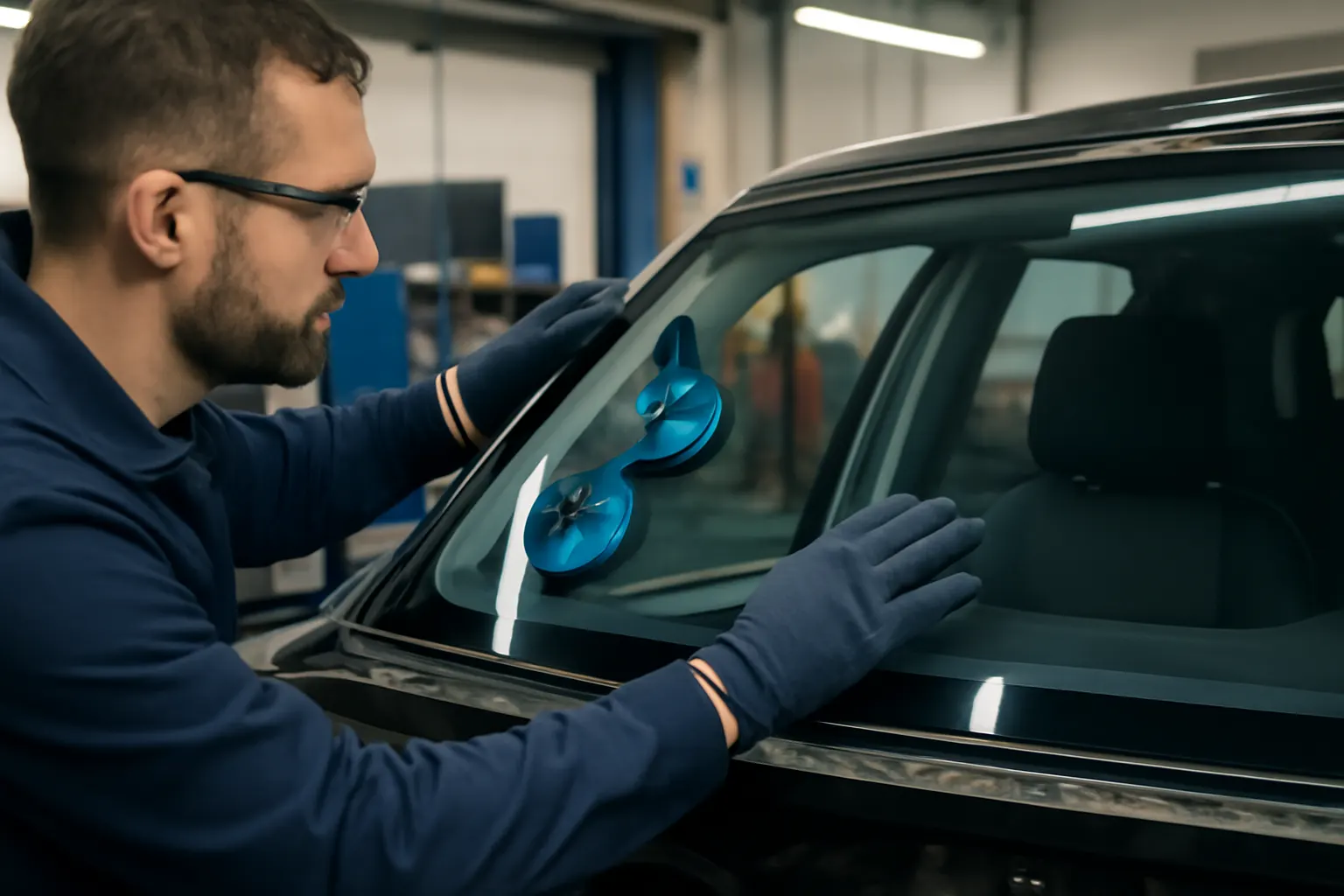
- Remove Glass and Trim: Carefully remove the windshield, all trim, and weatherstripping to expose the bare frame.
- Visual Inspection: Look for bubbling paint, discoloration, or visible rust around the perimeter of the frame.
- Probe for Soft Spots: Use a pick or screwdriver to gently probe suspect areas. Soft or perforated metal indicates advanced rust.
- Check for Previous Repairs: Look for evidence of filler, welding, or panel patches. Poorly done repairs can hide more serious issues.
- Measure for Straightness: Use a straight edge or tape measure to check the frame’s dimensions against factory specifications.
- Inspect Mounting Points: Pay close attention to corners and mounting tabs, which are common rust spots.
- Assess Seal Channel: Ensure the channel where the weatherstrip or adhesive sits is free from pitting or distortion.
Advertisement
For more detailed diagnostic steps, consult our guide: How to Inspect and Repair Windshield Frame Rust.
Understanding Classic Windshield Frame Construction
Classic car windshield frames vary by era and manufacturer, but most share key construction characteristics:
- Material: Typically stamped steel, sometimes with brass or aluminum components for higher-end or European models.
- Assembly: Frames are often welded or spot-welded to the body structure, forming an integral part of the cowl and A-pillars.
- Sealing: Earlier vehicles used rubber gaskets, while later models transitioned to urethane adhesive bonds.
The construction method affects both how the frame is restored and how vulnerable it is to specific types of damage. For example, a steel frame with a deep channel is more prone to water retention and rust than a simple, flush-mounted design.
Common Windshield Frame Failure Points
Certain areas of the windshield frame are particularly susceptible to damage and corrosion:
- Lower Corners: Water tends to pool here, especially if drain holes are clogged.
- A-Pillar Bases: Where the frame meets the cowl, moisture and debris can accumulate, accelerating rust.
- Top Edge: Less common, but exposure to sun and weather can cause paint failure and rust.
- Seal Channel: Pitting or deformation here can compromise the seal, leading to leaks.
Careful attention to these areas during inspection and repair will help ensure a long-lasting restoration.
Repairing the Original Windshield Frame: Methods and Materials
If the inspection reveals damage, the next step is selecting appropriate repair methods. The goal is always to retain as much original metal as possible while ensuring structural and cosmetic integrity.
Rust Removal and Treatment
- Mechanical Stripping: Use wire wheels, sandblasting, or media blasting to remove rust down to bare metal.
- Chemical Treatments: Rust converters and inhibitors can neutralize minor surface rust, but should not replace thorough mechanical cleaning for structural areas.
- Panel Patching: For small holes, weld in new metal patches, shaping them to match the original contours. Avoid excessive use of body filler.
Welding and Metalwork
- TIG or MIG Welding: Use automotive-grade welders and matching gauge sheet metal. Ensure all welds are strong and fully penetrate.
- Lead Loading (Lead Wiping): Traditional restorers may use lead to fill seams and small imperfections for an authentic finish.
- Seam Sealing: Apply automotive seam sealer to welded joints to prevent future moisture intrusion.
Surface Preparation
- Epoxy Priming: After repairs, coat the frame with a high-quality epoxy primer to seal and protect the metal.
- Paint Matching: Use color-matched paint to restore the appearance, blending into surrounding panels as needed.
Preserving and Protecting the Restored Frame
Once repaired, it’s vital to protect the windshield frame against future corrosion and damage:
- Proper Priming and Painting: Use automotive-grade primers and topcoats, ensuring all bare metal is fully covered.
- Rust-Proofing: Consider applying cavity wax or rust-inhibiting sprays inside the frame channels and A-pillars.
- Seal Selection: Use OEM-style weatherstrips or high-quality reproduction seals to ensure a tight, water-resistant fit.
- Drain Maintenance: Clear all drain holes and channels to prevent water accumulation.
Routine inspection and cleaning of the windshield frame area should be part of ongoing maintenance, especially if the vehicle is driven regularly or stored in humid environments.
Sourcing Authentic Parts and Materials
Authenticity is crucial in classic car restoration. When original frame sections are too damaged to repair, sourcing donor parts or high-quality reproduction panels is essential.
Advertisement
- OEM Panels: Salvage yards, online auctions, and specialty suppliers may have rust-free original frames or sections.
- Reproduction Panels: Many suppliers offer stamped replacement panels made to factory specs. Confirm fitment and material quality before purchase.
- Seal and Trim Kits: Use manufacturer-correct seals and trim pieces to ensure proper fit and appearance.
For vehicle-specific sourcing, consult marque experts or forums, and always verify part compatibility with your model year and body style.
The Safety Imperative: Windshield Frame Integrity and Crashworthiness
While aesthetics and originality are important, the windshield frame’s primary role is safety. The National Highway Traffic Safety Administration highlights the windshield’s function as a structural support in rollovers and frontal impacts.
- Windshield Retention: In modern vehicles, the windshield is bonded to the frame and helps prevent roof collapse. Classic cars with gasket-set glass still rely on the frame for glass retention.
- Airbag Performance: In vehicles equipped with airbags, a compromised windshield frame can affect airbag deployment angles and effectiveness.
- Body Rigidity: The frame ties into the A-pillars and cowl, contributing to overall body strength.
Restoration work must always meet or exceed original engineering standards to ensure occupant safety.
Fitment and Reinstallation: Getting it Right the First Time
Reinstalling the windshield and trim after frame restoration is a precision task:
- Test Fit Glass: Before applying adhesive or installing the gasket, test fit the glass to ensure perfect alignment.
- Seal Application: Use the correct type of sealant or weatherstrip—urethane for bonded windshields, rubber gaskets for older models.
- Trim Fitting: Install trim pieces carefully to avoid scratching paint or distorting the frame.
- Leak Testing: After installation, perform a water leak test by gently spraying the perimeter and checking for moisture inside.
A poor fit can undo all your restoration work, so take your time and follow manufacturer procedures.
For more on leak-free installation, see our guide: Windshield Replacement: Ensuring a Leak-Free Seal.
Preventing Future Problems: Maintenance for Longevity
Even after a successful restoration, ongoing care is critical:
- Regular Cleaning: Keep the windshield frame and surrounding areas clean and free of debris.
- Inspect Seals and Trim: Check weatherstripping and trim annually for signs of wear or damage.
- Monitor for Rust: At the first sign of bubbling paint or discoloration, investigate and address immediately.
- Garage Storage: Whenever possible, store the vehicle indoors to minimize moisture exposure.
Preventive maintenance extends the life of your restoration and helps preserve the vehicle’s value.
When to Replace Instead of Restore
There are cases where the original windshield frame is simply too far gone to save:
- Extensive Perforation: If large sections are missing or paper-thin, replacement is safer and more practical.
- Severe Accident Damage: Frames that are twisted or out of alignment may never fit glass or trim correctly.
- Previous Poor Repairs: Overlapping patches, excessive filler, or misaligned welds can make restoration impossible.
In these situations, a high-quality replacement frame—properly installed and finished—can still deliver safety and value, though some originality is lost.
AutoPartEx: Your Restoration Partner
At AutoPartEx, we understand that classic car restoration is a blend of art, engineering, and passion. Our comprehensive Windshield Frame: Structural Backbone for Safety, Sealing, and Visibility category connects you to the highest quality parts, technical resources, and community expertise. Whether you’re sourcing original glass, reproduction frame sections, or expert guides, our platform supports restorers at every stage.
Explore related topics like How to Inspect and Repair Windshield Frame Rust and The Role of Windshield Frames in ADAS Calibration for deeper technical insights. Our commitment is to help you achieve a restoration that’s authentic, safe, and built to last.
Expert Action: Start Your Windshield Frame Restoration Right
Saving your classic’s original windshield frame is a rewarding but demanding process. Begin with a meticulous inspection, use authentic materials and proven repair techniques, and always prioritize safety and structural integrity. Maintain your restored frame with regular care, and don’t hesitate to seek expert advice or replacement panels when necessary.
With the right approach, your restoration will not only look correct but will also stand the test of time—preserving both the spirit and the value of your classic car.
References
Advertisement