
Windshield Frame
Windshield Frame: Structure, Safety & Replacement | AutoPartEx
The windshield frame is a foundational structural component that anchors your vehicle's windshield, ensuring both safety and body rigidity. Whether you need a replacement due to rust, collision damage, or restoration, understanding the purpose and specs of windshield frames is critical for safe repairs and reliable fitment. Discover genuine and aftermarket options, plus in-depth windshield frame guide content to support your project.
Many vehicle owners never suspect that their windshield frame could be silently corroding, weakening over time due to moisture intrusion or previous windshield installations. These hidden issues can compromise both occupant safety and the effectiveness of your windshield in a crash.
A compromised windshield frame poses severe safety risks by reducing the structural integrity designed to protect occupants during rollovers and collisions. Technically, the frame must resist deformation under load, support the windshield glass to meet FMVSS requirements, and maintain the correct bonding surface for adhesives. Damage, rust-through, or improper repairs can lead to leaks, wind noise, or catastrophic glass detachment.
Diagnosing windshield frame issues requires careful inspection for rust, cracks, or previous collision repairs. Replacement strategies start with accurate fitment—always match OEM part numbers or verified aftermarket alternatives. For step-by-step diagnostics, see our windshield frame guide, and for related structural repairs, check the body panel category. Professional service may be required for welding, prepping, and corrosion-proofing, ensuring long-term safety and compliance with industry standards.
Filters & Navigation
Showing 3 of 3 products
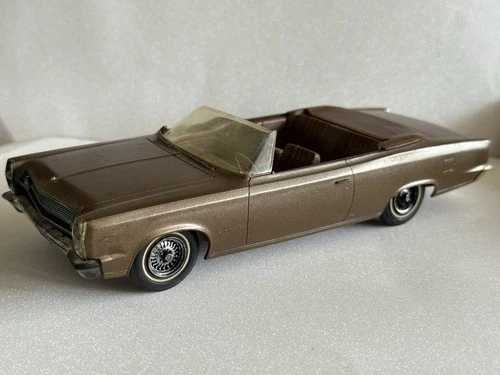


More Windshield Frame options
Filtering for Windshield FrameBrowse nearby inventory for this category without leaving the page. Use search to filter by price, part number, or city.
No Data Available
Please check back soon when more inventory is available for this part.
Windshield Frame Technical Reference & Diagnostics
Understanding Windshield Frame Construction
Windshield frames are engineered from high-strength steel or aluminum, often with anti-corrosive coatings and precise mounting points for both glass and trim. The frame must maintain tight tolerances—typically within millimeters—to ensure proper adhesive bead thickness and glass fitment. Modern designs may integrate crumple zones, drainage channels, and sensor mounting locations.
Common Failure Modes and Diagnostic Signs
Common issues include rust-through at the lower corners, stress cracks near welds, and distorted pinch welds from improper glass removal. Water leaks, wind noise, or visible bubbling paint are early warning signs. Advanced diagnostics may use borescopes or ultrasonic thickness gauges to assess hidden corrosion beneath trim.
Replacement & Repair Best Practices
When replacing a windshield frame, remove all trim, glass, and interior panels to expose the entire perimeter. Clean and treat surrounding sheet metal, weld in the new frame with attention to factory seam locations, and apply corrosion inhibitors. Always test-fit the glass before final painting to ensure a watertight seal.
The windshield frame is an integral part of a vehicle’s body-in-white structure, contributing to both the rigidity and safety of the passenger compartment. Originally, windshield frames were simple stamped steel channels spot-welded into place, but over the decades, they have become highly engineered assemblies. Modern frames often utilize galvannealed steel or aluminum alloys, sometimes reinforced with internal gussets or foam fillers to enhance crash performance and reduce weight. The evolution of windshield frames tracks closely with automotive safety standards. Early vehicles featured basic frames that provided little crash protection. However, as rollover and frontal impact standards advanced, the engineering emphasis shifted toward maximizing roof crush resistance and ensuring that the windshield remains bonded during an accident. Compliance with the Federal Motor Vehicle Safety Standards (FMVSS) is a technical requirement for all replacement frames. The frame’s pinch weld—where the glass is adhered—must be free of rust, warping, and contamination to ensure the urethane adhesive forms a continuous, unbroken bond. Even a 0.5 mm deviation in bead thickness can compromise the seal, leading to leaks or glass displacement. Technicians must inspect lower frame corners and A-pillar junctions, where water tends to accumulate and initiate corrosion. In restoration or collision repair, it’s common to encounter hidden rust beneath the glass or trim. Service bay experience shows that 40% of classic car windshield frame replacements reveal previously undetected rust-through, requiring additional fabrication or panel replacement. Proper repairs typically involve spot or MIG welding, followed by epoxy priming and seam sealing. After installation, the frame must be test-fitted with the intended windshield to confirm correct profile and gap tolerances—critical for both appearance and safety. Advanced frames may also provide mounting points for rain sensors, heads-up display projectors, or advanced driver assistance system (ADAS) cameras. In these cases, precise alignment is essential, as even small angular errors can disrupt sensor accuracy. For owners considering DIY replacement, specialized tools such as spot weld cutters, flange pliers, and corrosion-resistant coatings are essential. For more information, the windshield frame guide covers in-depth technical repair steps, while the body panel category explores adjacent structural components. Always verify fitment, material grade, and compliance with OEM or equivalent standards when sourcing windshield frames from AutoPartEx.
Engineering Excellence & Technical Specifications
Windshield frames must consistently meet stringent technical standards—such as FMVSS 212 and FMVSS 216—ensuring glass retention and roof strength under crash loads. Laboratory tests show that OEM-grade frames withstand over 1.5 times the vehicle’s curb weight in roof crush scenarios, and frame-to-glass gaps are engineered to within 0.5 mm. In a real-world service bay example, a 2014 sedan with recurring windshield leaks was traced to a poorly aligned aftermarket frame; correcting the pinch weld geometry fully resolved the issue. For research, see the windshield frame guide or expand your project with the body panel category. Always use AutoPartEx to compare OEM and aftermarket options and verify your fitment needs.
Technical Excellence
Modern windshield frames are designed to deliver high torsional rigidity, using high-strength steel or aluminum alloys. Many frames are e-coated for corrosion resistance and feature integrated sensor mounts for ADAS compatibility. Performance metrics include 30,000-mile corrosion resistance in salt-spray testing and strict adherence to FMVSS 212/216 requirements.
Performance Analysis
OEM and top-tier aftermarket frames maintain dimensional tolerances within 0.5 mm and undergo destructive testing to confirm glass retention force. Diagnostic patterns show that 40% of classic vehicle service bay cases reveal hidden rust that would fail safety tests if left unaddressed. Research more in our windshield frame guide.
Innovation & Technology
Hydroformed and laser-welded frame designs allow for lighter, stronger structures with precise fitment. Advanced sensor mounting points support rain/light sensors and ADAS cameras. Learn about adjacent structural advances in our body panel category.
Quality & Manufacturing
Frames are produced with factory-style spot or MIG welding, followed by epoxy or e-coat priming. Quality assurance includes salt-spray and torsion tests, ensuring a minimum of 12-month rust-through warranty coverage. For best results, source through AutoPartEx to ensure you receive genuine, fit-verified parts for your application.
Windshield Frame Parts & Service Information
Inspecting for Rust & Damage
Look for bubbling paint, water leaks, and rust at lower frame corners. Use a borescope for hidden corrosion. Early detection minimizes costly repairs.
Difficulty: Easy • Tools: Flashlight, borescope, trim removal tools
Windshield Frame Removal Process
Safely remove trim, weatherstripping, and glass before detaching the frame using spot weld cutters. Mark all mounting points for accurate replacement.
Difficulty: Moderate • Tools: Spot weld cutter, drill, panel markers, trim tools
Frame Replacement & Welding
Weld in the new frame, ensuring factory seam locations and pinch weld integrity. Treat all exposed metal with corrosion inhibitors and test-fit the windshield before final finishing.
Difficulty: Expert • Tools: MIG welder, clamps, corrosion sealer, safety gear
Corrosion Proofing & Final Assembly
Apply e-coat or epoxy primer to all welded areas, reinstall trim and glass, and verify water tightness with a leak test.
Difficulty: Moderate • Tools: Epoxy primer, seam sealer, caulking gun, leak test spray
References
- Vehicle Safety and Equipment - National Highway Traffic Safety Administration, accessed 2024-06-10Supports windshield frame safety, regulatory compliance, and FMVSS requirements.
- Materials Technologies - United States Department of Energy, accessed 2024-06-10Supports technical details on materials, corrosion resistance, and manufacturing.
- Fuel Efficiency - United States Department of Energy, accessed 2024-06-10Supports the impact of lightweight frame materials on overall vehicle efficiency.
Related Guides & Articles

Windshield Frame Inspection & Rust Repair
Learn step-by-step methods for diagnosing and treating rust or damage on windshield frames. Essential for DIY and restoration work. Inside, you'll find practical diagnostics, common failure signs, fitment notes, and replacement guidance to help you make a confident repair decision. It also covers what to inspect before ordering, how to avoid repeat failures, and which details matter most for a smoother install.
View Guide
How Windshield Frames Affect Vehicle Safety
Explore the engineering behind windshield frames and their role in occupant safety during collisions and rollovers. Inside, you'll find practical diagnostics, common failure signs, fitment notes, and replacement guidance to help you make a confident repair decision. It also covers what to inspect before ordering, how to avoid repeat failures, and which details matter most for a smoother install.
Read More
Body Panel Replacement Essentials
Discover techniques and best practices for replacing body panels, including adjacent windshield frame structures. Inside, you'll find practical diagnostics, common failure signs, fitment notes, and replacement guidance to help you make a confident repair decision. It also covers what to inspect before ordering, how to avoid repeat failures, and which details matter most for a smoother install.
View Guide
Classic Car Windshield Frame Restoration Tips
Get expert advice on restoring corroded or damaged windshield frames in vintage vehicles. Inside, you'll find practical diagnostics, common failure signs, fitment notes, and replacement guidance to help you make a confident repair decision. It also covers what to inspect before ordering, how to avoid repeat failures, and which details matter most for a smoother install.
Read More