Advertisement
Signs Your Windshield Frame Needs Replacement
A compromised windshield frame isn’t just a cosmetic issue—it’s a direct threat to your vehicle’s structural integrity and your safety. Recognizing the signs that your windshield frame needs replacement can prevent further damage, costly repairs, and even potential injury. In this comprehensive guide, we’ll cover the top symptoms of windshield frame damage, what causes them, and when professional replacement is the only safe option. If you’re seeking a deeper dive into the structure, safety, and repair of windshield frames, check out our Windshield Frame: Structure, Safety, and Replacement Guide.
Immediate Answer: Top Signs Your Windshield Frame Needs Replacement
Your windshield frame is a critical component that supports the windshield glass, maintains cabin rigidity, and protects against weather and impacts. Replacement is necessary if you observe:
- Visible rust or corrosion around the frame
- Cracking, warping, or deformation of the frame material
- Water leaks or persistent moisture near the windshield
- Wind noise or rattling from the windshield area
- Separation or lifting of the windshield glass from the frame
- Previous collision damage affecting the frame
- Poor windshield fitment after glass replacement
Ignoring these symptoms can lead to rapid structural deterioration, making timely diagnosis and replacement essential.
The Hidden Problem: Why Windshield Frame Damage Is Often Overlooked
Many vehicle owners focus on the windshield glass itself, overlooking the frame that secures it. The windshield frame is frequently hidden beneath trim, making damage less obvious until it becomes severe. Rust can begin inside the frame, especially if moisture seeps under the weatherstripping. Minor dings or chips from road debris or a previous accident can propagate into deeper structural issues over time.
The result? Drivers may only notice a problem when the windshield leaks, rattles, or—worst case—becomes detached in a collision. By then, the underlying damage may have compromised the vehicle’s crashworthiness and safety systems.
Deeper Technical Explanation: The Role of the Windshield Frame in Vehicle Safety
The windshield frame is not just a mounting point for glass; it’s an engineered structural member. According to the National Highway Traffic Safety Administration (NHTSA), the windshield and its frame are integral to the vehicle’s roof-crush resistance, airbag deployment trajectory, and overall crash protection [^1]. Modern vehicles use advanced materials—such as high-strength steel or aluminum alloys—to maximize rigidity while minimizing weight [^2].
A damaged frame cannot properly support the windshield, which may:
- Reduce the effectiveness of airbags (which often rely on the glass for support)
- Compromise rollover protection
- Allow water, air, or debris to enter the cabin
- Lead to rapid corrosion or mold growth
Understanding these functions underscores why even minor frame damage should never be ignored.
Common Causes of Windshield Frame Damage
Windshield frame damage stems from a variety of sources, often acting together to accelerate deterioration:
1. Corrosion and Rust
Moisture trapped beneath trim or weatherstripping can initiate rust, especially in climates with road salt or high humidity. Once corrosion sets in, it spreads beneath the paint and weakens the frame’s structural integrity.
2. Collision and Impact
Even a minor fender-bender or a heavy object striking the windshield can deform the frame. Sometimes, the visible damage is subtle, but the frame’s alignment and strength are compromised.
3. Improper Windshield Installation
Incorrect glass removal or installation techniques—such as cutting too deep with removal tools—can gouge the frame, exposing bare metal to rust. Poorly applied adhesives may also allow glass movement, stressing the frame.
4. Aging and Environmental Exposure
UV light, temperature swings, and road debris gradually degrade frame materials. Over years, this can lead to cracking, warping, or sealant failure.
Advertisement
5. Manufacturing Defects or Recalls
On rare occasions, a vehicle may be subject to manufacturer recalls due to substandard materials or assembly issues affecting the windshield frame [^3]. Always check for open recalls if you notice unusual issues.
Key Warning Signs: What to Look and Listen For
Early detection is your best defense against costly repairs and safety risks. Here’s a detailed checklist of symptoms indicating windshield frame trouble:
Visual Inspection Checklist
| Symptom | What It Means | Action Needed |
|---|---|---|
| Bubbling paint or discoloration | Hidden rust beneath paint | Inspect & treat rust |
| Peeling or cracked trim | Possible water intrusion | Remove trim, check frame |
| Gaps between glass and frame | Adhesive failure or frame warping | Professional inspection |
| Cracks at corners of frame | Stress fractures or previous impact | Replace or repair frame |
| Water stains or mildew inside | Persistent leaks through frame | Investigate source |
Auditory and Functional Clues
- Whistling or wind noise at speed: Indicates air gaps from poor glass/frame seal.
- Rattling or vibration from windshield area: Suggests loose glass or frame movement.
- Difficulty closing doors: Frame deformation can alter door/window alignment.
If you notice any of these signs, immediate inspection is critical.
Why Delaying Windshield Frame Replacement Is Risky
Procrastination with windshield frame repairs can have severe consequences:
- Safety Compromise: In an accident, a weakened frame may fail to support the windshield, causing it to detach. This can negate the effectiveness of airbags and roof strength.
- Escalating Repair Costs: Rust spreads quickly and can migrate to adjacent body panels, requiring extensive sheet metal work.
- Interior Damage: Water leaks promote mold, mildew, and electrical issues inside the cabin.
- Failed Inspections: Many regions require windshield integrity for vehicle safety certification.
Remember, the frame is a foundational safety component—treat it with the urgency it deserves.
Diagnostic Steps: How to Assess Windshield Frame Condition
A thorough diagnostic approach includes both visual and tactile inspection, as well as functional testing:
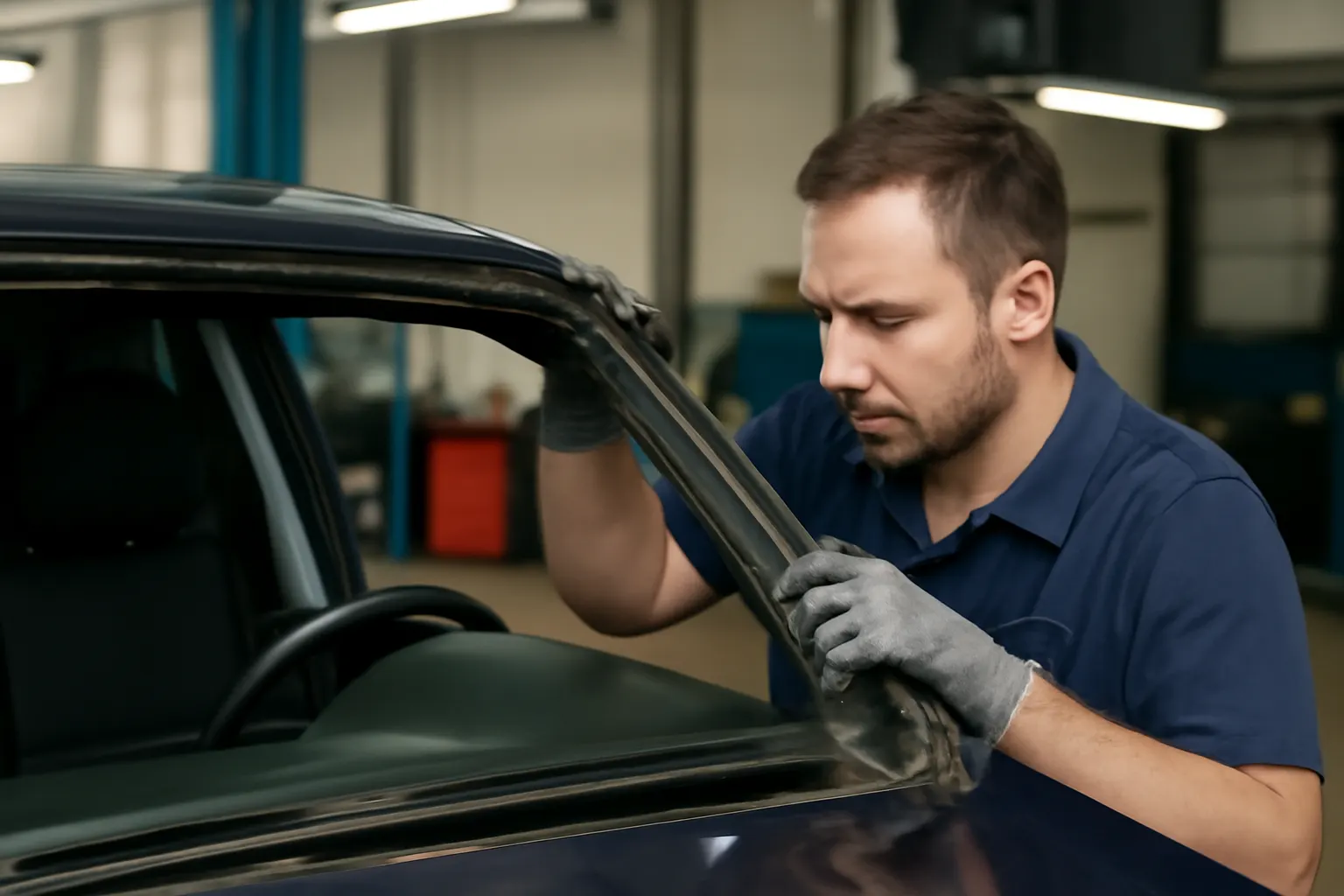
Step 1: Remove Trim and Weatherstripping
Carefully remove any plastic or rubber trim around the windshield to expose the underlying frame. Look for rust, bubbling paint, or cracks.
Step 2: Check for Water Intrusion
After washing the vehicle or during rain, inspect the dashboard and footwells for moisture. Persistent wetness is a red flag for frame leakage.
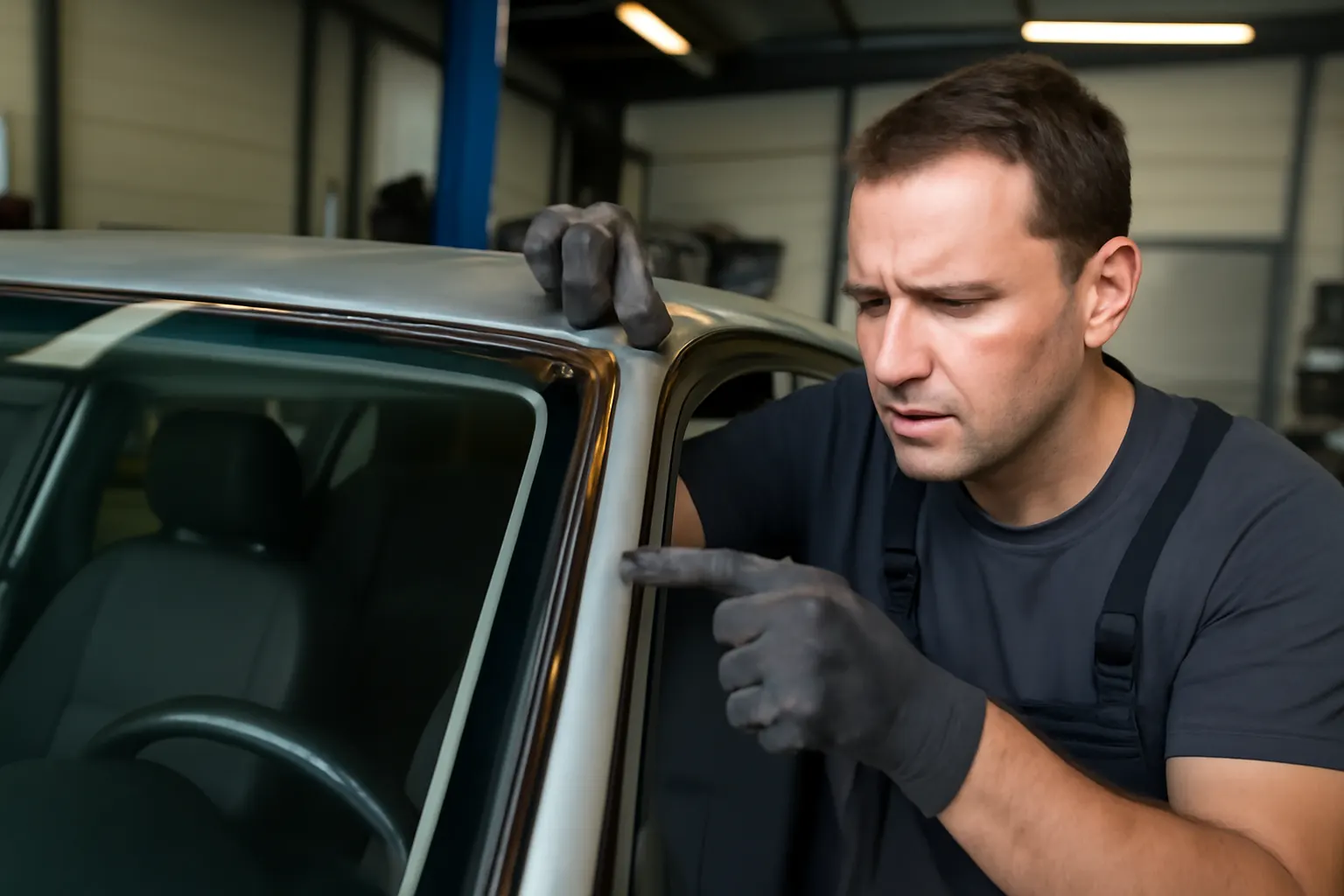
Step 3: Tap and Press Test
Gently tap along the frame with a non-marring tool. Listen for hollow or dull sounds, which may indicate hidden rust or delamination. Press gently to check for soft spots.
Step 4: Inspect Glass Fitment
Check if the windshield glass sits flush with the frame all around. Any gaps, lifting, or unevenness can signal frame warping or adhesive failure.
Step 5: Professional Diagnostic Tools
Auto body shops may use borescopes or moisture meters to assess hidden corrosion. In cases of suspected structural damage, frame alignment tools can verify if the windshield aperture is within manufacturer specs.
When Replacement Is the Only Option
Not all windshield frame issues can be fixed with a simple patch or rust treatment. Replacement is mandatory when:
- Rust has perforated the frame or spread extensively
- Frame is bent, cracked, or otherwise deformed
- Windshield cannot be securely reseated
- Previous repairs have failed or are no longer holding
- Frame integrity is questioned after a major collision
Attempting to patch over severe damage is both unsafe and likely to fail long-term. Always follow NHTSA safety standards and manufacturer recommendations for structural repairs [^1].
Replacement Process: What to Expect
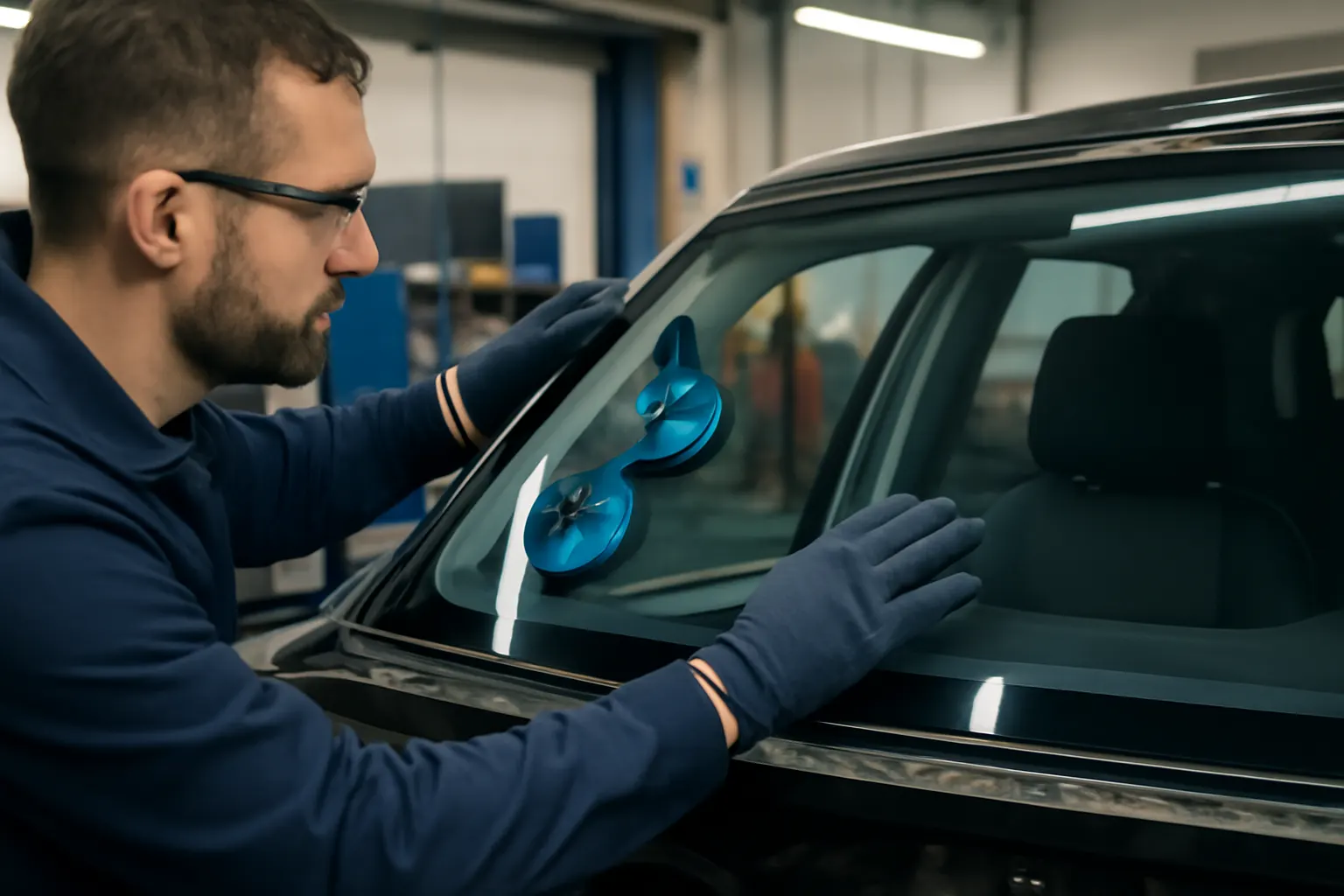
Windshield frame replacement is a complex procedure requiring specialized skills and tools. Here’s a step-by-step overview:
Advertisement
1. Windshield Removal
- The glass and all trim are carefully removed to access the frame.
- Care is taken not to further damage surrounding panels.
2. Frame Assessment and Removal
- The extent of rust or deformation is mapped.
- Damaged sections are cut away, usually with precision tools to avoid collateral damage.
3. Fabrication and Welding
- New frame sections are fabricated or ordered as OEM parts.
- Welding and corrosion protection treatments are applied.
4. Surface Preparation
- The new frame is primed, painted, and sealed to prevent future rust.
5. Windshield Reinstallation
- The glass is re-bonded using approved adhesives.
- All trim and weatherstripping are replaced.
6. Final Inspection
- The fitment, seal, and structural alignment are verified.
- Leak and wind noise tests are performed to ensure integrity.
This process can take several days and should only be performed by certified technicians.
Choosing the Right Replacement Parts and Materials
Not all windshield frames or repair sections are created equal. For optimal safety and durability:
- Insist on OEM or high-quality aftermarket frame components
- Ensure replacement materials match the original (steel, aluminum, etc.) 1
- Use manufacturer-approved adhesives and corrosion inhibitors
- Verify that all parts meet relevant SAE standards
Consult your vehicle’s Windshield Glass Selection & Fitment Guide for compatibility tips.
Preventing Future Windshield Frame Damage
Proactive maintenance can dramatically extend the life of your new windshield frame. Follow these guidelines:
- Regularly clean and inspect the windshield area for debris or trapped moisture
- Promptly address chips, scratches, or dings to prevent rust formation
- Keep weatherstripping and trim in good condition to block water intrusion
- Apply rust inhibitors, especially in salt-prone regions (Corrosion Prevention for Windshield Frames)
- Schedule periodic professional inspections, particularly after accidents or glass replacement
Routine vigilance is your best defense against recurrence.
The Link Between Windshield Frame Health and Glass Performance
A compromised frame affects more than just safety—it also undermines windshield glass performance:
- Leaks and wind noise: Even the best glass can’t compensate for a warped or corroded frame.
- Premature glass failure: Stress from an ill-fitting frame increases the risk of glass cracking or popping out.
- Reduced resale value: Visible frame issues are a red flag to buyers and inspectors.
Explore our windshield glass category for more on how frame and glass health go hand-in-hand.
Understanding Recalls and Manufacturer Defects
Occasionally, widespread frame issues are linked to manufacturer defects or design flaws. The NHTSA maintains an up-to-date recall database where you can check your vehicle’s VIN for open recalls affecting windshield frames or related components. If your vehicle is affected, contact a dealer or certified shop immediately for inspection and remediation at no cost.
Integrating Structural Repair: Frame and Glass
Complex windshield frame repairs often require simultaneous attention to both frame and glass. For a detailed look at these integrated repairs, see our editorial on Structural Repair: Frame and Glass Integration. The synergy between a properly aligned frame and correctly installed glass is essential for restoring full safety and performance.
AutoPartEx Expertise: Your Partner in Windshield Frame Safety
At AutoPartEx, we understand that windshield frame replacement is not just another repair—it’s a critical investment in your vehicle’s safety and longevity. Our curated network of certified technicians, OEM and premium aftermarket parts, and comprehensive guides ensures you have the knowledge and resources needed for every step of the process.
Whether you’re diagnosing your first signs of frame trouble or seeking the highest quality replacement components, trust AutoPartEx for:
- Expert diagnostic support and advice
- Access to top-rated frame and glass parts
- Guides on corrosion prevention, fitment, and long-term care
- Connections to certified repair professionals in your area
Visit our Windshield Frame: Structure, Safety, and Replacement Guide for more resources, or contact our technical support team for personalized assistance.
References
- Vehicle Safety and Equipment – National Highway Traffic Safety Administration
- Materials Technologies – United States Department of Energy
- Vehicle, Car Seat, Tire, and Equipment Recalls – National Highway Traffic Safety Administration
Footnotes
Advertisement