Advertisement
How Windshield Frames Affect Vehicle Safety
The windshield frame is far more than a mounting point for glass—it’s a critical structural component that directly impacts vehicle safety, especially during collisions and rollovers. In this in-depth guide, we’ll explore how windshield frames are engineered to protect occupants, what can go wrong when frames are compromised, and the best practices for inspection, repair, and replacement. If you’re concerned about your car’s structural integrity or planning a restoration, understanding the windshield frame’s safety role is essential. For a broader look at the category, visit our Windshield Frame: Structure, Safety & Replacement page.
Why Windshield Frames Matter Immediately in Vehicle Safety
When it comes to crash protection, the windshield frame is a frontline defense. During a frontal collision, the frame helps maintain the cabin’s shape, preventing the windshield from caving in and providing a barrier against intrusion. In rollover scenarios, a robust windshield frame can mean the difference between the roof collapsing or remaining intact, directly affecting the survival space for occupants. Modern safety standards require frames to work in concert with airbags and seatbelts, ensuring the windshield stays in place to support airbag deployment and maintain structural cohesion.
The Hidden Problem: Frame Weakness Is Often Overlooked
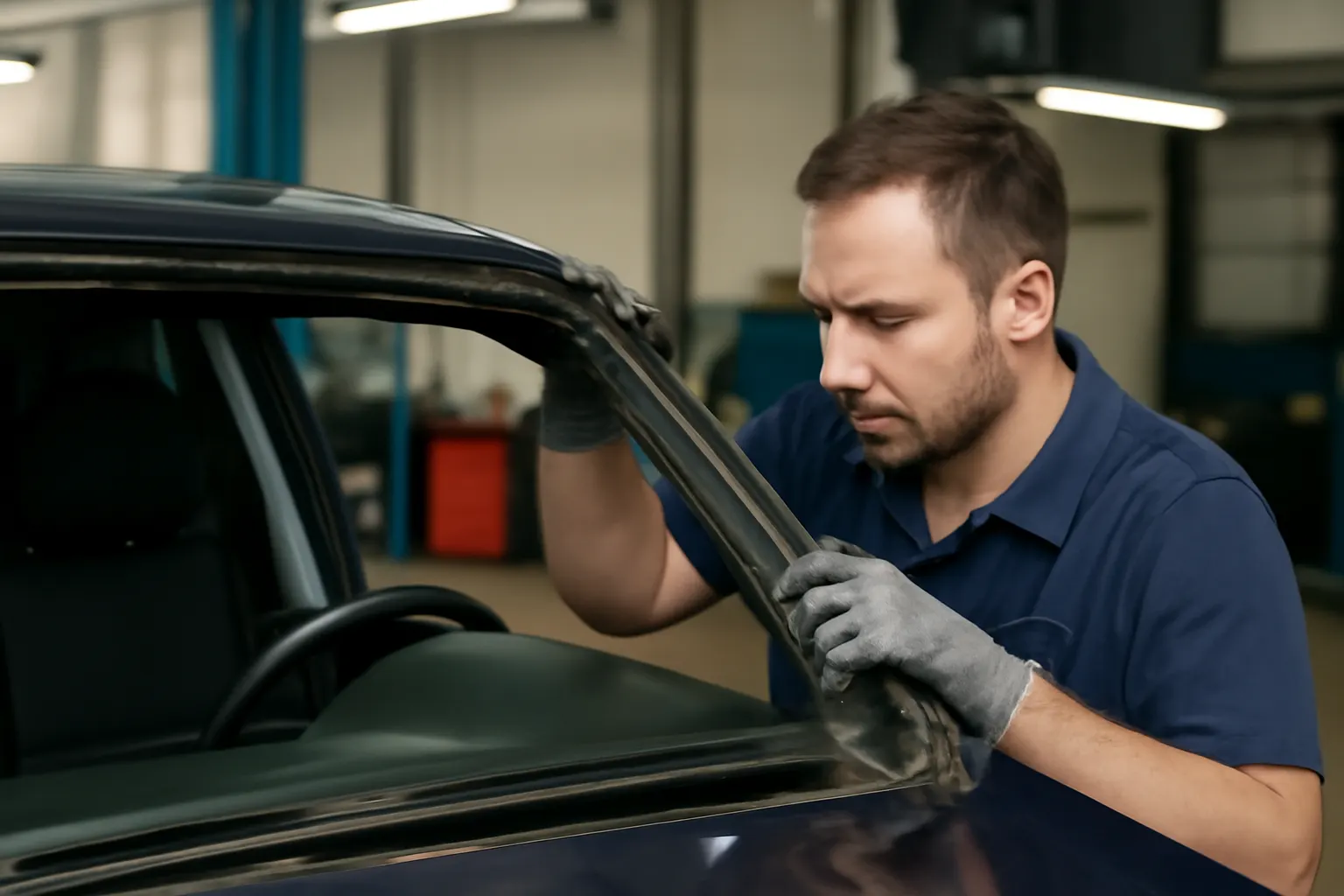
Despite their importance, windshield frames are frequently neglected in safety assessments. Rust, previous collision damage, DIY repairs, or substandard replacement frames can significantly weaken this critical structure. Many vehicle owners and even some repair shops focus on visible glass damage, missing the underlying frame deterioration that could compromise the entire safety system in a crash.
The Deeper Technical Explanation: Windshield Frame Engineering and Safety Integration
A windshield frame is not just a metal border—it’s a carefully engineered part of the vehicle’s unibody or body-on-frame structure. The frame is designed to:
- Distribute crash forces away from occupants.
- Anchor the windshield, which in turn supports roof strength and airbag function.
- Provide a rigid mounting point for advanced driver assistance systems (ADAS) like lane departure cameras and rain sensors.
Materials selection is critical. High-strength steel, advanced composites, and corrosion-resistant coatings are used to ensure the frame maintains integrity under extreme loads. According to the United States Department of Energy, material technology advancements have led to stronger yet lighter structures, directly benefiting crashworthiness and fuel efficiency.
Modern windshield frames are also designed with crumple zones and load paths in mind. In the event of a collision, the frame must deform in a controlled manner, absorbing energy while maintaining the passenger compartment’s shape. This precise engineering is governed by standards from organizations like SAE International and overseen by regulatory bodies such as the National Highway Traffic Safety Administration (NHTSA).
How Windshield Frames Interact with Other Safety Systems
The windshield frame doesn’t work alone. It’s integrated with:
- Windshield Glass: Laminated safety glass relies on a secure, rigid frame for proper retention during impacts.
- Airbags: Passenger-side airbags often deploy against the windshield; a weak frame can cause the glass to detach, rendering the airbag ineffective.
- Roof Structure: The frame helps prevent roof collapse in rollovers, preserving occupant survival space.
- Seatbelts: Crash force distribution relies on the entire safety cell, including the windshield frame.
If any part of this system is compromised, the effectiveness of all safety features is reduced. For instance, a poorly repaired frame or one with hidden rust can fail under load, causing catastrophic loss of occupant protection.
Common Causes of Windshield Frame Weakness
Understanding what can go wrong with windshield frames helps prevent safety risks. The most frequent issues include:
1. Corrosion and Rust
- Location: Frames are vulnerable to moisture intrusion, especially around the lower corners and seams.
- Symptoms: Bubbling paint, visible rust, soft spots, or water leaks.
- Consequences: Rust eats away at structural metal, reducing crashworthiness.
Advertisement
2. Collision Damage
- Direct Hits: Even minor front-end accidents can tweak the frame, causing misalignment.
- Improper Repairs: Failure to use manufacturer procedures or correct materials can leave the frame weaker than original.
3. Poor Replacement Techniques
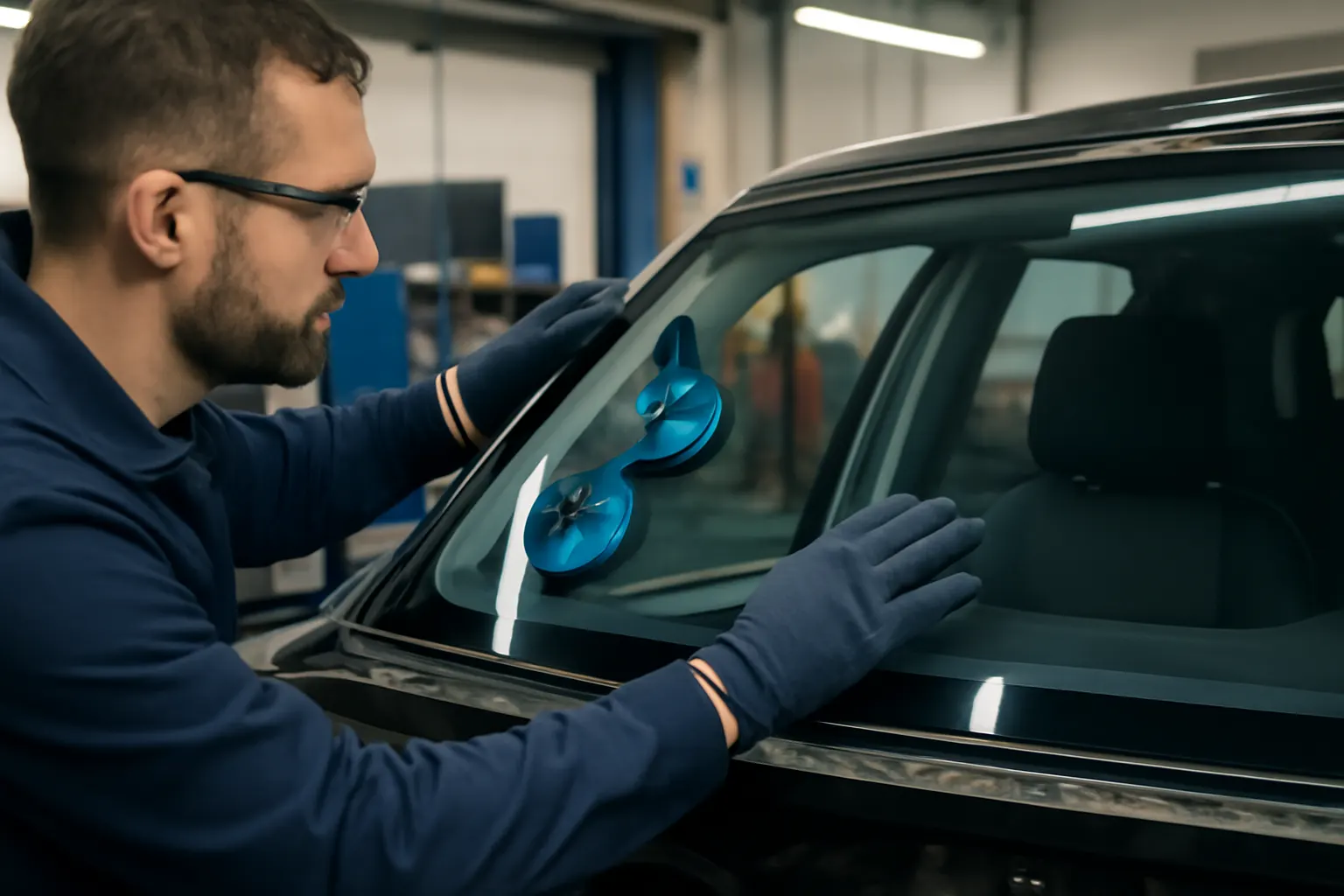
- Glass Installations: Cutting corners during windshield replacement (e.g., not removing all old urethane, using the wrong adhesives) can damage the frame or leave it exposed to moisture.
- Non-OEM Parts: Aftermarket frames or patch panels may not meet original strength specifications.
4. DIY Modifications or Repairs
- Welding Errors: Overheating or improper welds can weaken the metal.
- Body Fillers: Using fillers instead of proper metal repair leaves the frame structurally unsound.
Diagnosing Windshield Frame Safety: A Step-by-Step Checklist
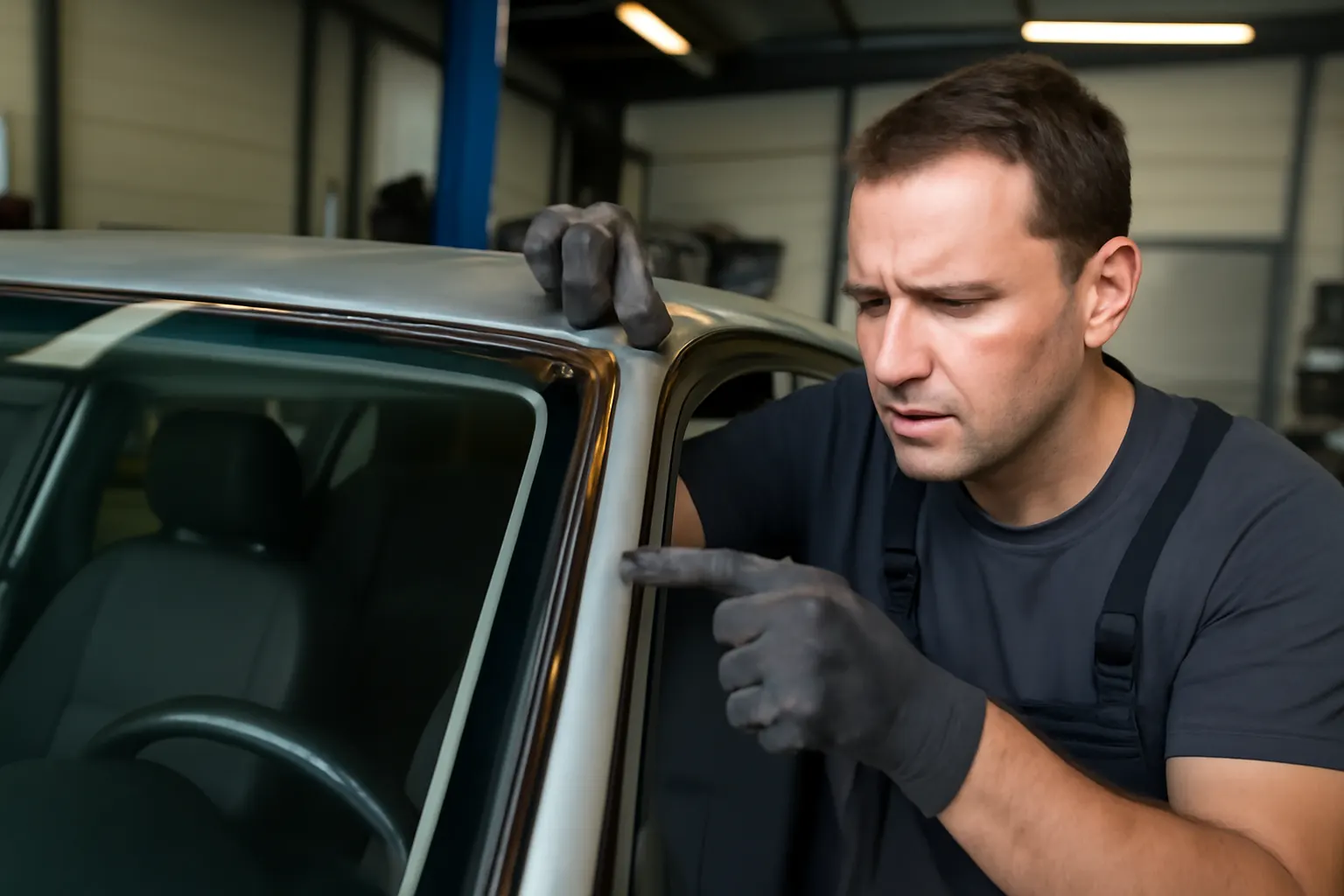
Early detection of frame issues is the best way to maintain safety. Use this checklist during routine maintenance or before installing a new windshield:
Windshield Frame Safety Inspection Checklist
| Inspection Point | What to Look For | Action if Problem Found |
|---|---|---|
| Paint and Finish | Bubbling, discoloration, or cracks | Sand down, inspect for rust, repair |
| Visible Rust | Surface or deep corrosion, especially corners | Remove windshield, assess metal loss |
| Windshield Fit | Uneven gaps, glass not sitting flush | Check frame alignment, repair as needed |
| Water Leaks | Damp carpets, headliner stains | Inspect for rust holes or seam gaps |
| Old Adhesive Remnants | Hardened, cracked, or excessive urethane | Remove fully before new glass install |
| Frame Integrity | Push gently—any flex or give? | Further inspection, possible welding |
| Previous Repairs | Signs of filler, welds, or patches | Assess quality, redo if substandard |
| Mounting Points | For ADAS sensors/cameras—are they secure? | Reinforce or replace as necessary |
If you find any of these issues, address them before proceeding with glass installation or returning the vehicle to service. For more on inspection and rust repair, see our Windshield Frame Inspection & Rust Repair guide.
How Windshield Frame Failure Impacts Crash Outcomes
To appreciate the importance of a sound windshield frame, consider these real-world crash scenarios:
Frontal Collision
- With Intact Frame: The windshield remains in place, airbags deploy correctly, and the cabin maintains its shape.
- With Compromised Frame: The windshield may pop out, airbags can fail to deploy against a solid surface, and the roof may deform excessively, endangering occupants.
Rollover Accident
- With Intact Frame: The roof structure is supported, preventing collapse and preserving occupant space.
- With Corroded/Weakened Frame: The roof may cave in, leading to serious head and neck injuries or fatalities.
Secondary Safety Systems
- ADAS Cameras/Sensors: Many modern systems are mounted on or near the windshield. A misaligned frame can render these systems inaccurate, affecting lane-keeping, emergency braking, and more.
Material Technologies and Their Role in Frame Safety
Advances in automotive materials have dramatically improved windshield frame performance. According to the Department of Energy’s Materials Technologies, modern frames use:
- High-Strength Low-Alloy (HSLA) Steel: Provides strength without excessive weight.
- Aluminum Alloys: Used in performance and luxury vehicles for corrosion resistance and lightness.
- Advanced Composites: Increasingly common in electric and high-end vehicles, offering excellent strength-to-weight ratios.
These material choices are not just for performance—they directly affect how the frame absorbs and redirects crash energy. Manufacturers perform extensive crash testing to ensure frames meet or exceed regulatory standards for occupant protection.
Windshield Frame Replacement: When and How to Do It Safely
Not all frame damage can be repaired. Severe rust, extensive collision damage, or previous substandard repairs may require full or partial replacement. Here’s what safe replacement involves:
Key Steps in Safe Windshield Frame Replacement
- Assessment: Remove windshield and interior trim to fully inspect the frame.
- Cut Out Damaged Section: Use manufacturer-approved methods to prevent further damage.
- Source Correct Parts: Always use OEM or certified-equivalent panels to ensure structural integrity.
- Welding and Corrosion Protection: Weld in new metal, treat all seams with corrosion inhibitors.
- Fitment Check: Dry-fit the windshield to ensure perfect alignment before painting.
- Paint and Finish: Use automotive-grade primers and paints to seal and protect.
- Reinstallation: Install new windshield with correct adhesives, ensuring ADAS recalibration if necessary.
Advertisement
Improper replacement can create more safety issues than it solves. For an overview of replacement essentials, see Body Panel Replacement Essentials.
Maintenance Tips to Maximize Windshield Frame Longevity
Routine care can extend your frame’s lifespan and prevent safety risks:
- Regular Washes: Remove dirt and road salt, especially in winter climates.
- Inspect Seals: Check that all windshield and trim seals are intact and pliable.
- Prompt Rust Repair: Address any paint chips or surface rust immediately.
- Professional Windshield Installation: Insist on certified installers who follow manufacturer procedures.
- Garage Storage: If possible, store the vehicle indoors to minimize moisture exposure.
Sourcing Safe and Compatible Windshield Frames
When sourcing replacement frames or repair panels:
- Check Compatibility: Match the frame to your vehicle’s year, make, and model.
- Demand Certification: Look for parts that meet or exceed SAE and OEM standards.
- Verify Material Quality: Ensure the metal or composite matches original specifications.
- Beware of Counterfeits: Low-cost imports may not meet safety requirements.
AutoPartEx connects you with verified suppliers and provides fitment guidance for a wide range of vehicles, including classic, performance, and late-model cars. For those restoring classics, see our Classic Car Windshield Frame Restoration Tips.
How to Tell If Your Windshield Frame Needs Immediate Attention
Here’s how to spot urgent frame issues:
- Sudden Windshield Leak: Especially after a new glass installation.
- Unexplained Wind Noise: May indicate frame warping or misalignment.
- Visible Frame Movement: If the frame flexes when you push on it, it’s unsafe.
- Recurring Glass Breakage: If new windshields keep cracking, the frame may be twisted.
If you notice any of these, schedule an inspection with a structural repair specialist immediately.
The Role of Standards and Regulations in Windshield Frame Safety
Windshield frames must comply with stringent standards:
- FMVSS 216: Sets minimum roof crush resistance for passenger vehicles.
- SAE J1100 & J942: Specify measurement and testing procedures for body structures.
- OEM Repair Procedures: Manufacturers provide detailed protocols for frame service and replacement.
The NHTSA oversees enforcement of these standards, while recalls related to frame or windshield issues are tracked at NHTSA Recalls. Always check for recalls on your vehicle, especially after an accident or if you suspect structural problems.
Windshield Frame Safety in Modern vs. Classic Cars
Classic cars often have heavier, simpler frames, but are more prone to rust and lack advanced crash engineering. Modern vehicles use engineered crumple zones and integrate the frame into the unibody for optimized energy management. When restoring classics, extra care is needed to reinforce or restore frame strength to modern expectations.
For detailed restoration advice, see Classic Car Windshield Frame Restoration Tips.
AutoPartEx: Your Partner in Windshield Frame Safety
At AutoPartEx, we understand that the windshield frame is a cornerstone of vehicle safety. Our database connects you to quality parts and expert resources, whether you’re inspecting, repairing, or upgrading your frame. Our guides and fitment tools help ensure your repairs meet or exceed OEM and regulatory standards.
For a complete overview of structure, replacement, and safety, visit the Windshield Frame: Structure, Safety & Replacement | AutoPartEx category page.
Expert Action: What To Do Next
- Inspect Your Frame: Use our checklist or schedule a professional inspection.
- Address Issues Promptly: Don’t ignore rust, leaks, or misalignment.
- Choose Qualified Installers: For glass or frame work, select shops that follow OEM and SAE standards.
- Source Quality Parts: Use trusted suppliers—AutoPartEx can help you find certified frames and panels.
- Stay Informed: Check for recalls and stay up to date with safety standards.
A structurally sound windshield frame is non-negotiable for occupant safety. Don’t cut corners—prioritize inspection, proper repair, and certified parts to keep you and your passengers protected on every drive.
References
Advertisement