
Chevy Corvette Locks Parts
Chevy Corvette Locks: Selection and Service Considerations
Lock issues on a Chevy Corvette can catch even attentive owners off guard, especially as vehicles age or after a minor incident. While not always top of mind, understanding how to select, diagnose, and service locks is essential to maintaining security and convenience. This guide unpacks what to watch for, how to approach repairs, and what published evidence says about the process—helping you make informed decisions for your Corvette.
11 Chevy Corvette Locks Parts
Advertisement


Advertisement
More Locks options for Chevy Corvette
Filtering for Chevy Corvette • LocksBrowse nearby inventory for this model and category without leaving the page.
No Data Available
Please check back soon when more inventory is available for this part.
Advertisement
Why Corvette Lock Health Deserves a Closer Look
Many Corvette owners focus on performance upgrades or cosmetic enhancements, overlooking the humble lock assemblies that protect both the vehicle and its contents. Yet, a malfunctioning lock can quickly escalate from a minor annoyance to a significant inconvenience, especially if it results in being locked out or unable to secure valuables. The lock system, while less glamorous than engine components, is a critical aspect of daily usability and peace of mind.
It’s easy to assume that locks are set-and-forget components, but they endure constant use and exposure to the elements. Over time, wear, dirt, and even minor impacts can compromise their function. Unlike more visible issues, lock degradation often progresses unnoticed until a key won’t turn, the fob fails to engage, or the mechanism jams unexpectedly. These problems can strike at the worst possible moment, such as when running late or parking in an unfamiliar area.
Attention to lock health is especially important for Corvette models, which may see less frequent use or long-term storage. Infrequent operation can lead to sticking or corrosion, while regular use exposes locks to mechanical wear. Recognizing the signs of trouble early and understanding your options for repair or replacement can save time, money, and frustration down the road.

Recognizing and Understanding Lock Issues in the Corvette
Lock problems on the Chevy Corvette can manifest in several ways, from keys sticking in the cylinder to electronic fobs failing to engage the actuator. These symptoms may be intermittent at first, making it tempting to ignore them. However, recurring issues often indicate underlying wear or damage that will only worsen over time. Understanding the specific nature of the problem is the first step toward a lasting solution.
Mechanical locks, such as door and trunk cylinders, can suffer from worn tumblers, broken springs, or internal corrosion. Signs of trouble include difficulty inserting or turning the key, grinding sensations, or keys that no longer match the lock. In contrast, electronic locks may fail due to dead batteries, faulty actuators, or wiring issues. Both mechanical and electronic systems are vulnerable to environmental factors like moisture and dirt, which can accelerate deterioration.
The Corvette’s unique design can sometimes complicate lock repairs. For example, certain models integrate the lock cylinder with the door handle assembly, requiring more extensive disassembly to access the faulty component. Additionally, sourcing compatible parts—especially for older or special edition Corvettes—can be challenging, as not all aftermarket or salvage locks are guaranteed to fit or function as intended. This makes proper identification and selection of replacement parts crucial.
Security concerns add another layer of complexity. A malfunctioning lock not only inconveniences the owner but also increases the risk of theft or unauthorized access. Modern Corvettes may feature advanced anti-theft systems that interact with the lock hardware, so a seemingly simple repair can have broader implications for vehicle security. Ignoring lock issues can therefore compromise both convenience and safety.
Owners may also encounter problems after attempted break-ins or accidents, which can damage the lock mechanism or surrounding bodywork. In such cases, the extent of the damage may not be immediately visible, and a superficial fix could leave vulnerabilities unaddressed. A thorough inspection is necessary to determine whether the lock itself, the actuator, or the associated wiring and electronics require attention.
Finally, it’s important to recognize that not all lock problems stem from the lock itself. Issues with keys, remotes, or even the vehicle’s battery can mimic lock failure. Diagnosing the true cause often requires a methodical approach, including checking related systems and seeking professional advice when needed. This ensures that repairs address the root problem, not just the symptoms.
Practical Steps for Diagnosing and Selecting Corvette Locks
When facing lock issues on your Chevy Corvette, begin with a careful assessment of the symptoms. For mechanical locks, try each key you have to rule out a worn or bent key as the culprit. If the problem persists across all keys, inspect the lock cylinder for visible damage or debris. For electronic locks, check the remote’s battery and verify that other electrical systems are functioning normally, as a weak vehicle battery can affect lock operation.
If the lock is sticky or difficult to turn, a small amount of graphite-based lubricant may temporarily improve function. However, persistent resistance or grinding usually signals internal wear that requires replacement. For electronic locks, listen for actuator noises when pressing the remote. A silent or erratic response may indicate a failed actuator or wiring issue. In either case, avoid forcing the mechanism, as this can cause further damage.
Once you’ve identified the likely source of the problem, gather information about your Corvette’s model year and trim. Lock assemblies can vary significantly between generations and even within the same year, especially if the vehicle has been modified or repaired in the past. Use your vehicle identification number (VIN) to confirm compatibility when searching for replacement parts. Many reputable sellers and official resources allow VIN-based lookup to reduce the risk of ordering the wrong component.
Consider the type of replacement part that best fits your needs. New OEM locks offer the closest match to original factory specifications but may be more expensive. Aftermarket options can provide cost savings, but quality and fitment may vary. Salvage locks, sourced from dismantled vehicles, are often the most affordable but come with unknown wear and may require rekeying to match your existing keys. Weigh the pros and cons of each option based on your budget and desired outcome.
When purchasing a replacement lock, request a written estimate that details the part type, anticipated labor, and any additional services such as rekeying or programming. For complex repairs or if you’re unsure about the diagnosis, consider seeking a second opinion from a shop with Corvette experience. Ask about the technician’s familiarity with your specific model, as unique features or anti-theft systems may require specialized knowledge.
During installation, ensure that all related components—such as door handles, electronic actuators, and wiring—are inspected for wear or damage. Replacing a lock without addressing associated issues can lead to repeat failures. After installation, test the lock thoroughly with all keys and remotes to confirm proper operation. If the lock is part of an integrated security system, verify that all functions, including alarm and immobilizer features, are working as intended.
Keep detailed records of the repair, including the part number, source, and any warranty or return policy information. This documentation can be invaluable if issues arise later or if you decide to sell the vehicle. Note any changes to key codes or remote programming, as future service may require this information. Retain the old lock for inspection in case of disputes or for use as a core if purchasing a remanufactured unit.
Finally, adopt preventive maintenance habits to extend the life of your new lock. Periodically clean and lubricate mechanical locks, and replace remote batteries as recommended by the manufacturer. Regularly check for signs of wear or malfunction, especially after exposure to harsh weather or attempted break-ins. Proactive care can help you avoid unexpected lockouts and ensure your Corvette remains secure and convenient to use.
What Published Evidence and Guidance Reveal About Lock Repairs
The National Highway Traffic Safety Administration (NHTSA) provides a comprehensive overview of the recall process and how safety-related defects are identified and addressed. According to their published guidance, owners can use their vehicle’s VIN to check for open recalls, including those related to lock assemblies, by searching the official NHTSA database. However, a recall lookup only confirms whether a specific vehicle is subject to an unrepaired recall; it does not establish that all Corvettes or any particular lock component is defective. This means that while a recall search is a valuable first step, it should be supplemented by direct inspection and diagnosis of any lock issues you encounter. NHTSA: Vehicle Recalls
NHTSA’s process for investigating potential defects relies heavily on owner complaints and reported incidents. If multiple owners report similar lock failures, NHTSA may initiate an investigation, which could eventually lead to a recall if a safety-related defect is confirmed. However, not all lock problems meet the threshold for a recall, and many issues are resolved at the individual repair level. This underscores the importance of reporting persistent or widespread lock failures, as collective data can prompt broader action. For most owners, though, lock repairs will be handled through standard diagnostic and replacement procedures rather than recall remedies. NHTSA: Vehicle Recalls
The Federal Trade Commission (FTC) offers general consumer advice for auto repairs, emphasizing the importance of obtaining a written estimate and understanding the type of part being installed. The FTC distinguishes between new, remanufactured, and salvage parts, noting that salvage locks are taken from other vehicles and may show signs of previous use. This guidance is particularly relevant for Corvette owners considering replacement options, as it highlights the need to weigh the benefits and risks of each part type. The FTC also advises comparing shop recommendations with the manufacturer’s maintenance schedule and requesting clarification for any additional services proposed. FTC: Auto Repair Basics
The FTC’s recommendations further stress the importance of technician experience, especially for complex or high-value vehicles like the Corvette. They suggest asking whether the repair shop has worked on similar models and verifying the credentials of the technician performing the work. This is crucial for lock repairs, as improper installation or programming can compromise both functionality and security. While the FTC does not provide vehicle-specific technical guidance, its principles support a careful, informed approach to selecting both parts and service providers. FTC: Auto Repair Basics
Neither NHTSA nor the FTC establishes a standard warranty for replacement locks or repair services. The FTC explicitly notes that there is no universal warranty on repairs and advises consumers to understand the coverage offered by the seller or installer. This means Corvette owners should carefully review any warranty or return policy before purchasing a lock or authorizing repairs. Documentation is key, as it provides recourse in case of premature failure or compatibility issues. FTC: Auto Repair Basics
While the NHTSA database can reveal whether a particular Corvette is subject to a lock-related recall, it does not provide technical specifications, installation instructions, or compatibility guarantees for aftermarket or salvage parts. Similarly, the FTC’s advice is general in nature and does not substitute for professional diagnosis or manufacturer guidance. Owners must therefore rely on a combination of official resources, seller information, and hands-on inspection to ensure successful lock repairs. This approach minimizes the risk of ordering incorrect parts or overlooking related issues. NHTSA: Vehicle Recalls
In summary, published evidence supports a methodical, well-documented approach to lock repairs on the Chevy Corvette. Use official recall tools to rule out known safety issues, follow FTC guidelines for comparing parts and services, and prioritize technician experience and clear documentation. While no source guarantees a specific outcome, these steps collectively enhance the likelihood of a successful repair and long-term lock reliability.
Take the Next Step Toward Secure, Reliable Corvette Locks
If you’re facing lock issues or considering an upgrade for your Chevy Corvette, start by gathering your vehicle details and reviewing available part options. Use trusted resources to check for recalls and compare replacement types, then seek a written estimate from a qualified technician. Careful selection and thorough documentation will help you restore security and convenience with confidence. For more information and to explore compatible lock assemblies, visit our Chevy Corvette Locks category or browse the Locks section for additional guidance.
References
- NHTSA: Vehicle Recalls
- FTC: Auto Repair Basics
References
- NHTSA: Vehicle Recalls - NHTSA, accessed 2026-11-01
- FTC: Auto Repair Basics - FTC, accessed 2026-11-01
Related Guides & Articles

How to Spot Counterfeit Chevy Parts
Counterfeit Chevy parts can jeopardize your vehicle's safety, reliability, and performance. Whether you're shopping for a replacement alternator, brake pads, or sensors, identifying fakes before you buy is crucial. This guide delivers immediate visual clues, packaging tips, and real-world examples to help you confidently distinguish genuine from counterfeit Chevy components—protecting both your investment and your safety.
Read More
Chevy Service Intervals Explained
Build a Chevrolet maintenance plan from the correct owner’s manual, service history and dashboard messages. Learn how oil-life reminders differ from oil-pressure warnings, how mileage and elapsed time affect a service decision, and why gasoline and electric vehicles need different schedules. Use the checklist to discuss a clear, itemized plan with your repairer.
View Guide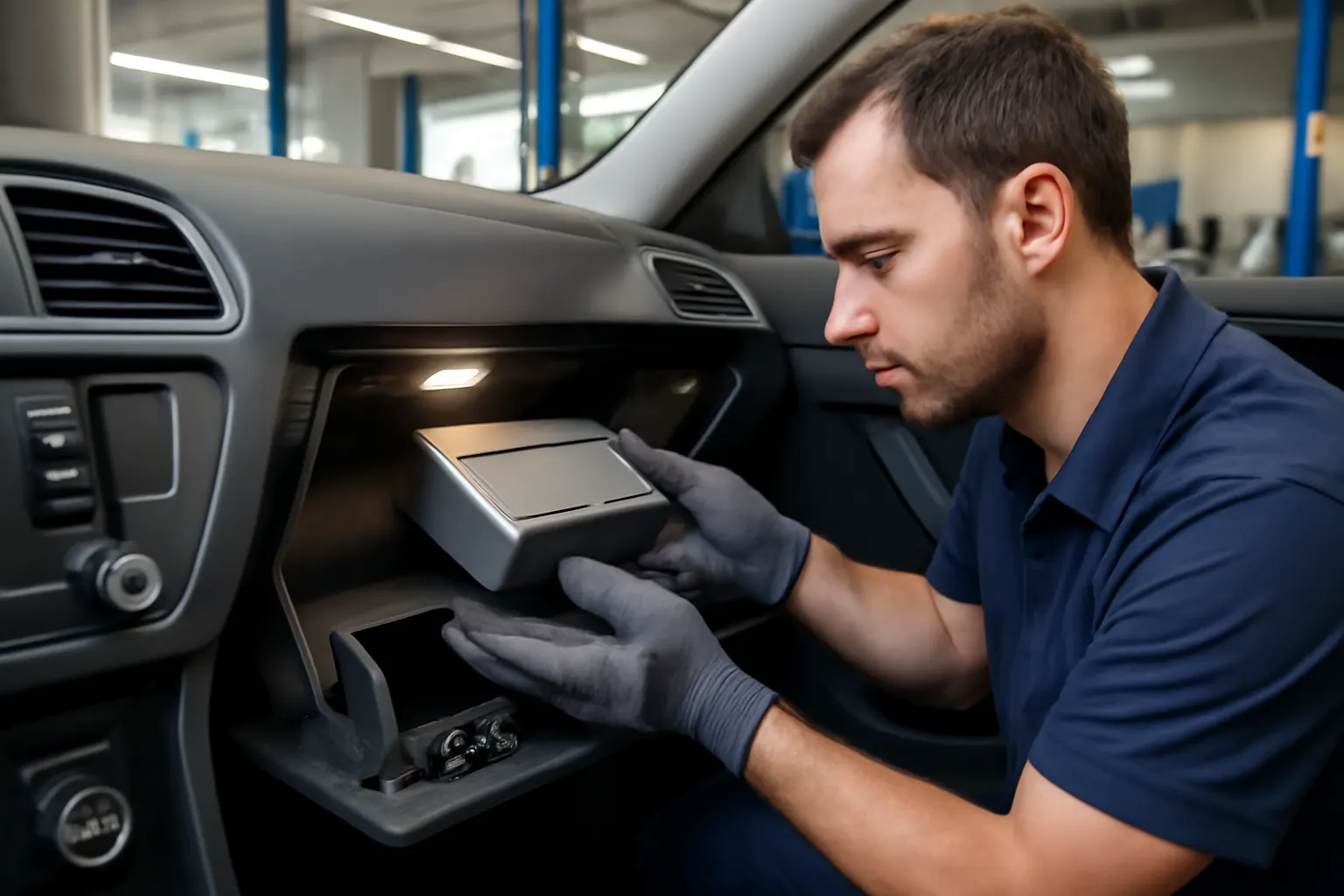
Upgrading Your Glove Box: Lighting, Locks, and Cooling Features
Modern vehicles are no longer just about horsepower and exterior styling—they’re about integrated convenience and security, right down to the glove box. Upgrading your glove box with lighting, locking, and cooling features can transform this often-overlooked compartment into a secure, illuminated, and climate-controlled storage space, improving both usability and peace of mind. Whether you want to retrofit an older car or enhance a recent model, understanding the latest glove box technologies is the first step.
Read More
How Keyless Entry Systems Have Changed Vehicle Security
Keyless entry systems have revolutionized automotive security, offering a powerful combination of theft deterrence and user convenience. By replacing traditional mechanical keys with radio frequency (RF) fobs, smart cards, or even smartphone integration, these systems have changed how drivers interact with their vehicles and how criminals attempt to bypass security. For car owners and automotive professionals, understanding the evolution, strengths, vulnerabilities, and maintenance needs of keyless entry is essential for maximizing both protection and ease of use.
Read More