Upgrading Your Glove Box: Lighting, Locks, and Cooling Features
Modern vehicles are no longer just about horsepower and exterior styling—they’re about integrated convenience and security, right down to the glove box. Upgrading your glove box with lighting, locking, and cooling features can transform this often-overlooked compartment into a secure, illuminated, and climate-controlled storage space, improving both usability and peace of mind. Whether you want to retrofit an older car or enhance a recent model, understanding the latest glove box technologies is the first step. For a comprehensive overview of glove box assemblies and their role in today’s vehicles, visit our Glove Box: Secure Storage and Integrated Cabin Technology for Modern Vehicles category page.
Why Glove Box Upgrades Matter: The Immediate Answer
Upgrading your glove box delivers instant benefits: better visibility with integrated lighting, improved security with electronic and mechanical locks, and added convenience with cooled or ventilated storage. These features are no longer exclusive to luxury vehicles—aftermarket solutions and OEM upgrade kits are available for many makes and models. Enhanced glove box functionality protects valuables, preserves sensitive items like medications, and streamlines daily driving routines.
The Hidden Problem: Outdated Glove Boxes Undermine Safety and Comfort
Despite technological advances in other cabin areas, many vehicles still feature basic glove boxes—often just an unlit, uncooled, and unsecured plastic compartment. This oversight can have real-world consequences:
- Poor visibility: Searching for documents or small items in a dark glove box distracts drivers and wastes time.
- Security risks: Standard glove boxes with simple latches are easy targets for opportunistic theft, especially in urban environments.
- Temperature sensitivity: Medications, electronics, and snacks can overheat or freeze in glove boxes lacking ventilation or cooling, reducing their effectiveness or causing spoilage.
These issues are especially pronounced in older vehicles, fleet cars, and base trim levels, where convenience and security features are often omitted to cut costs.
Expanding the Problem: Technical and Practical Implications
A glove box’s design affects more than just storage. Poorly lit or unsecured glove boxes can compromise both safety and vehicle value:
- Distracted driving: Fumbling for items in the dark increases accident risk.
- Theft vulnerability: Without a robust lock, the glove box is a weak link in vehicle security.
- Cabin air quality: Some glove boxes integrate with the HVAC system, affecting air filtration and temperature control. Upgrades can enhance or disrupt this integration (see The Hidden Role of the Glove Box in Cabin Air Quality).
- Material degradation: Repeated exposure to extreme temperatures can warp glove box plastics and damage contents.
Modern automotive standards, such as those set by the National Highway Traffic Safety Administration (NHTSA) and SAE International, recognize the importance of secure, well-designed storage compartments in overall vehicle safety and usability.
Lighting Upgrades: See What You’re Storing
Integrated LED Lighting
The most practical upgrade for any glove box is integrated lighting. LED modules provide bright, energy-efficient illumination and can be wired to activate automatically when the glove box is opened.
Benefits:
- Improved visibility for documents, registration, and small items.
- Reduced driver distraction—no more fumbling with flashlights or phone screens.
- Low power draw and long service life.
Types of Glove Box Lighting:
- OEM-style LED strips: Designed for specific makes/models, often plug-and-play.
- Universal LED kits: Flexible, cut-to-length strips or compact modules that fit most glove boxes.
- Motion-sensing modules: Light up when movement is detected inside the compartment.
Installation Considerations
- Power source: Most glove box lights tap into the cabin fuse box or piggyback on the glove box switch circuit.
- Switching: Use the existing glove box door switch or install a dedicated plunger switch for automatic activation.
- Mounting: Adhesive-backed strips, screw-in brackets, or magnetic bases ensure a secure fit.
Checklist: Glove Box Lighting Upgrade
- Select LED kit (OEM or universal)
- Identify power source and fuse rating
- Test-fit lighting for optimal coverage
- Route wiring safely away from hinges and latch mechanisms
- Secure switch activation (door, motion, or manual)
- Test operation before final reassembly
For step-by-step guidance, see our guide on How to Replace a Glove Box Assembly.
Locking Upgrades: Protecting Your Valuables
Mechanical Locks
Most factory glove boxes use simple mechanical latches, but higher-security locks are available:
- Barrel or tubular locks: Offer greater resistance to picking and forced entry.
- Keyed-alike systems: Match your glove box lock to your ignition or door key for convenience.
- Retrofit lock kits: Available for popular models, especially trucks and SUVs.
Electronic Locks
Premium vehicles now offer electronic glove box locks, often integrated with central locking or valet mode systems. Aftermarket retrofits are available for select vehicles:
- Solenoid actuated: Uses a 12V signal from the central locking system or a hidden switch.
- Biometric/fingerprint locks: High-end aftermarket options for ultimate security.
Installation and Fitment
- Compatibility: Ensure the lock kit matches your glove box door thickness and latch geometry.
- Wiring: For electronic locks, route wiring through the dash and connect to the appropriate circuit (central locking, accessory power, or dedicated switch).
- Testing: Verify smooth operation and full engagement before reassembling the glove box.
Security Best Practices
- Store only essential valuables in the glove box.
- Use locking glove boxes as a deterrent, not a safe—professional thieves may still access them.
- Consider pairing glove box locks with vehicle alarm upgrades for comprehensive security.
Cooling and Ventilation: Keeping Contents Fresh
Factory-Integrated Cooled Glove Boxes
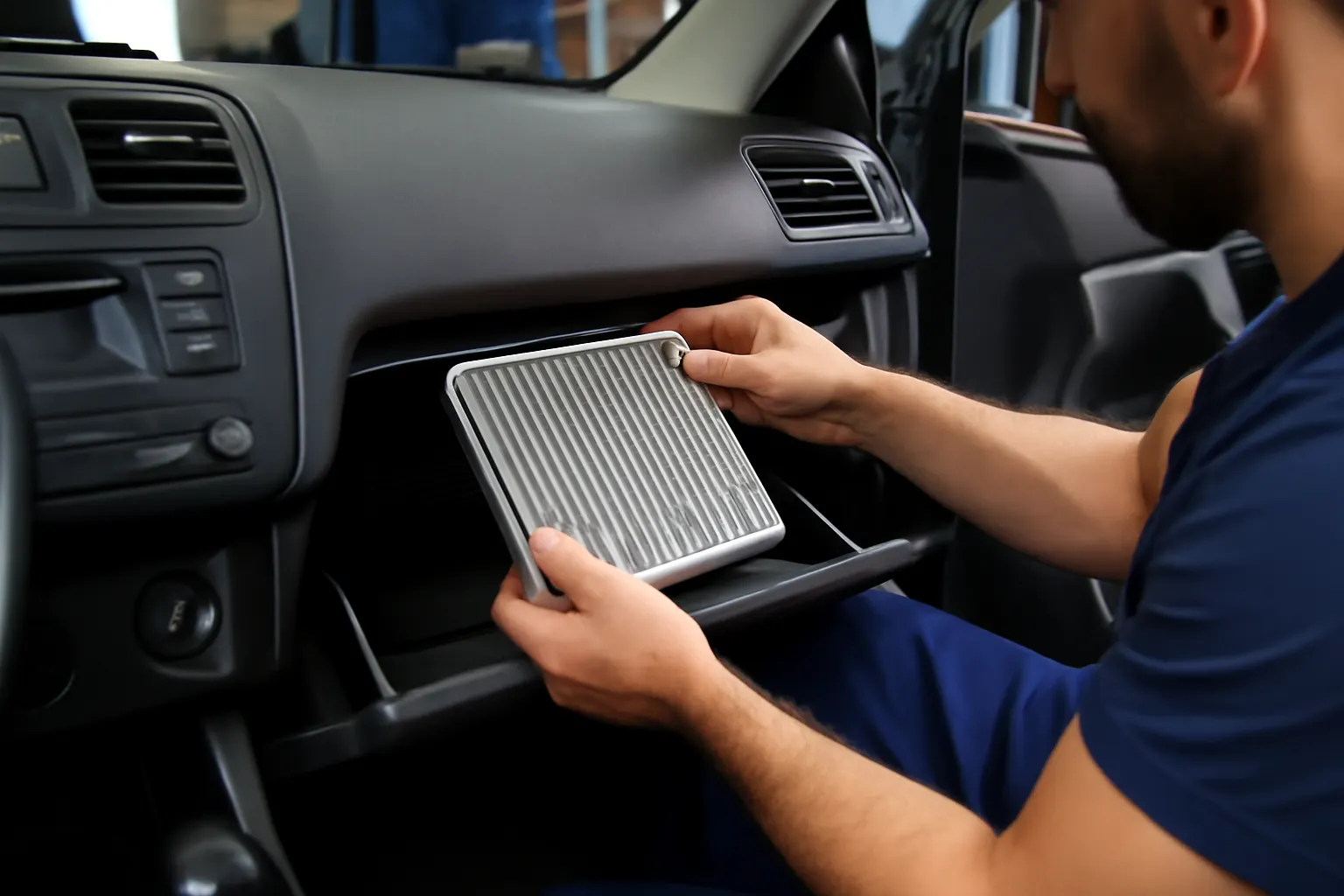
Many late-model vehicles, especially from European and Asian manufacturers, offer cooled glove boxes as a factory option. These systems typically divert a portion of the cabin’s HVAC airflow into the glove box, allowing you to keep drinks, snacks, or medications at a regulated temperature.
Features:
- Adjustable airflow or shutoff valve inside the glove box.
- Insulated compartment walls for improved cooling efficiency.
- Integration with cabin air filtration to prevent odors and contaminants.
Aftermarket Cooling Solutions
If your vehicle lacks a factory-cooled glove box, aftermarket options include:
- HVAC tap kits: Divert a small duct from the main HVAC plenum to the glove box.
- Thermoelectric cooling modules: Compact, 12V-powered units that actively chill the compartment.
- Insulated liners: Passive solution to slow temperature changes inside the glove box.
Installation and Compatibility
- Duct routing: Requires careful planning to avoid interfering with airbag systems or wiring harnesses.
- Sealing: Ensure all joints are airtight to maximize cooling efficiency.
- Power draw: Thermoelectric coolers require a dedicated fused circuit and careful monitoring to avoid draining the battery.
Material Technology: Enhancing Durability and Performance
Modern glove box upgrades benefit from advances in automotive materials technology, as documented by the U.S. Department of Energy. New plastics, composites, and insulation materials provide:
- Improved impact resistance: Protects contents during collisions or sudden stops.
- Thermal stability: Maintains shape and function across extreme temperatures.
- Lightweight construction: Reduces overall vehicle mass, contributing to better fuel efficiency (DOE: Fuel Efficiency).
When selecting upgrade kits, prioritize components made from automotive-grade ABS, polypropylene, or composite blends for long service life.
Sourcing Glove Box Upgrade Kits: OEM vs. Aftermarket
OEM Upgrade Kits
- Pros: Guaranteed fitment, factory-matched finishes, and integration with existing vehicle systems.
- Cons: Limited availability for older or base-model vehicles, higher cost.
Aftermarket Solutions
- Pros: Broader compatibility, innovative features (e.g., biometric locks, advanced lighting), and lower cost.
- Cons: May require minor modifications or custom fitting; finish may not match factory plastics exactly.
Buying Tips
- Match the upgrade kit to your vehicle’s year, make, and model.
- Check for compatibility with airbags, HVAC, and electrical systems.
- Look for kits tested to SAE Standards and compliant with NHTSA equipment guidelines.
Diagnostic and Maintenance Guidelines
Diagnosing Glove Box Issues
If your glove box lighting, locking, or cooling features are malfunctioning:
- Lighting: Check fuse, bulb/module, and switch continuity.
- Locks: Inspect latch alignment, key cylinder, and (for electronic locks) power supply.
- Cooling: Verify airflow from HVAC tap, inspect ductwork for leaks, and check thermoelectric module operation.
For common latch and hinge issues, see Diagnosing Glove Box Latch and Hinge Failures.
Preventive Maintenance
- Lubricate hinges and latch mechanisms annually.
- Clean LED lenses and replace modules as needed.
- Inspect wiring for wear, especially after glove box removal or dashboard work.
- For cooled glove boxes, clean the duct and check for mold or condensation build-up.
Installation Walkthrough: Lighting, Lock, and Cooling Combo
For DIYers, here’s a step-by-step outline for a comprehensive glove box upgrade:
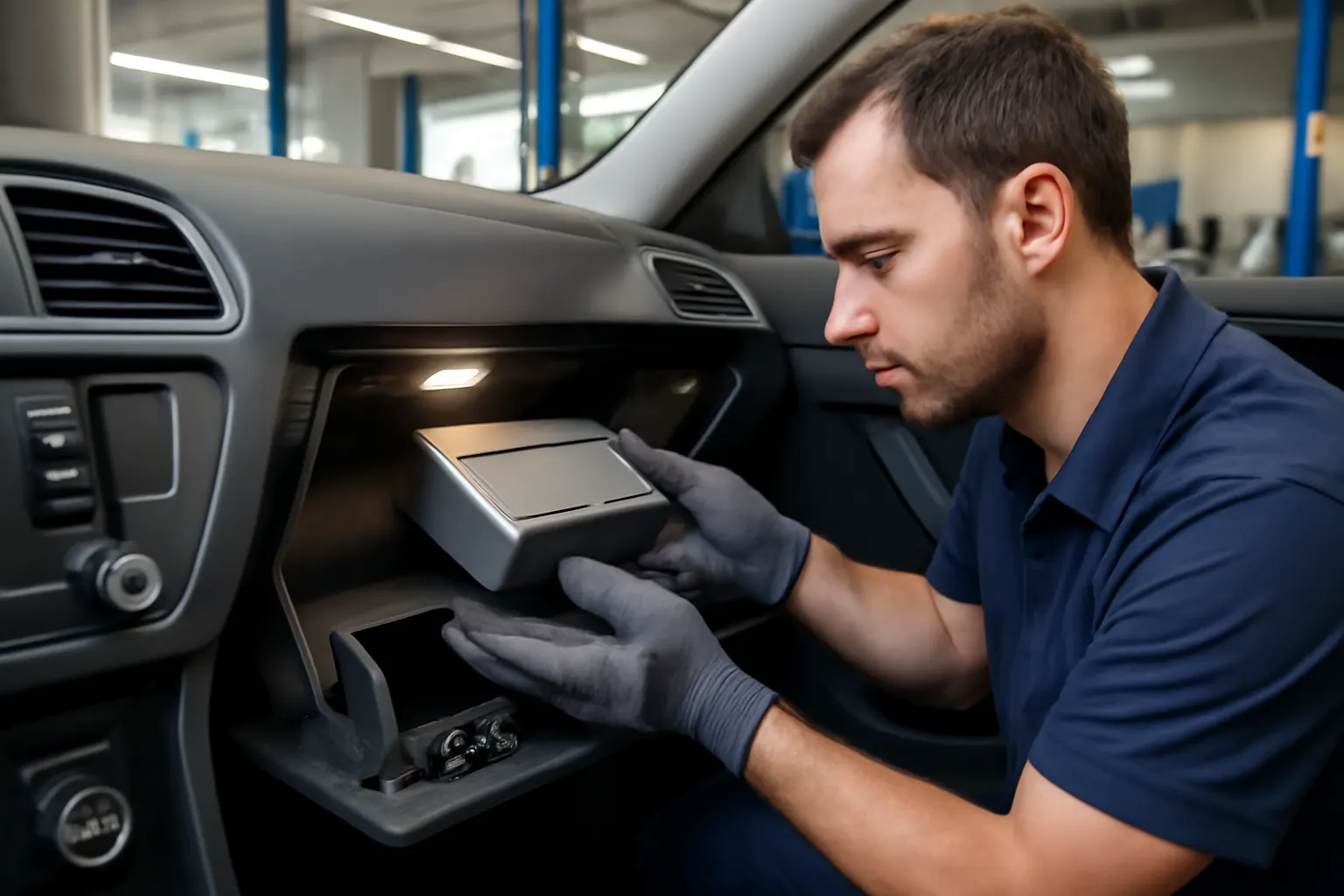
- Remove Glove Box: Open and empty the compartment, then release the hinge pins or screws.
- Lighting: Mount LED strips or modules, route wiring to the fuse box, and connect to a switch.
- Lock: Install mechanical or electronic lock, ensuring proper alignment and engagement.
- Cooling: Tap into the HVAC duct (if applicable), route ducting to the glove box, and seal all joints.
- Reassembly: Reinstall the glove box, test all features, and check for interference with the airbag or dashboard trim.
Tip: Always disconnect the battery before working near airbag wiring or electronic locks.
Integration with Vehicle Systems
Advanced glove box upgrades often interface with other vehicle systems:
- Central locking: Electronic locks can be linked to the main door lock circuit.
- Valet mode: Some vehicles allow the glove box to be locked independently when using a valet key.
- HVAC controls: Cooled glove boxes may have dedicated airflow controls or shutoff valves.
Verify that any upgrades do not interfere with safety systems, such as passenger airbags or diagnostic modules.
Troubleshooting Common Installation Challenges
- LED flicker or failure: Check for proper grounding and fuse rating.
- Lock misalignment: Adjust the striker plate or latch position for smooth operation.
- Reduced glove box space: Ensure added components don’t interfere with normal storage.
- Condensation in cooled glove boxes: Use insulated liners and check for HVAC drainage issues.
If you encounter persistent issues, consult a professional installer or refer to your vehicle’s wiring diagrams and service manual.
Safety and Compliance: What the Standards Require
All glove box upgrades should comply with relevant safety and equipment standards:
- NHTSA regulations: Ensure that any modifications do not impede airbag deployment or violate federal safety requirements (NHTSA: Vehicle Safety and Equipment).
- SAE standards: Look for upgrade kits tested to SAE J941 (compartment strength), J1394 (latch/lock integrity), and other relevant protocols.
- Materials compliance: Use flame-retardant, automotive-grade plastics and wiring.
If your vehicle is under warranty, check with your dealer before performing major upgrades, as some modifications may affect coverage.
Choosing the Right Upgrade for Your Needs
Before investing in glove box upgrades, consider your priorities:
- Security: If you routinely store valuables or sensitive documents, prioritize advanced locking systems.
- Convenience: For frequent night driving or ridesharing, integrated lighting is essential.
- Climate control: If you carry medications, electronics, or snacks, a cooled glove box can be invaluable.
Match your upgrade to your driving habits, vehicle usage, and budget. Consult with your mechanic or an AutoPartEx specialist for tailored recommendations.
AutoPartEx: Your Partner in Glove Box Innovation
At AutoPartEx, we recognize that the glove box is more than just a storage bin—it’s a critical component of your vehicle’s comfort, security, and technology ecosystem. Our curated selection of glove box upgrade kits, OEM replacements, and technical guides empower you to modernize your cabin with confidence. Whether you’re searching for a factory-style lock for your Acura sedan, a universal LED lighting kit, or a complete cooled glove box assembly, our expert team can help you source, install, and maintain the right solution.
Explore our Glove Box: Secure Storage and Integrated Cabin Technology for Modern Vehicles category for the latest parts and installation resources. For related topics, see The Hidden Role of the Glove Box in Cabin Air Quality and How to Replace a Glove Box Assembly.
Expert Action: Upgrade Your Glove Box Today
Don’t let your glove box remain an overlooked weak point in your vehicle’s interior. Upgrading with modern lighting, locking, and cooling features delivers immediate improvements in security, usability, and comfort—making every drive safer and more convenient. Follow the checklists provided, select high-quality upgrade kits, and consult AutoPartEx’s technical resources for step-by-step support. For professional installation or complex integrations, partner with a certified automotive technician to ensure optimal fitment and compliance with safety standards.
Upgrade your glove box, and transform your daily driving experience—one compartment at a time.