Upgrading Your Glove Box: Lighting, Locks, and Cooling Features
Modern vehicles have transformed the humble glove box from a simple storage compartment into a multifunctional, tech-integrated component of the cabin. If you’re considering an upgrade, today’s glove boxes can feature integrated LED lighting, advanced locking mechanisms, and even cooled storage—bringing new levels of convenience, security, and utility to your driving experience. In this comprehensive guide, we break down the best glove box upgrades, the technical considerations behind each feature, and how to choose, install, and maintain these enhancements for optimal performance.
For more on the foundational role of glove boxes in vehicle design and security, see our Glove Box: Secure Storage and Integrated Cabin Technology for Modern Vehicles category overview.
The Immediate Benefit: Why Upgrade Your Glove Box?
Upgrading your glove box is a practical way to enhance your vehicle’s cabin experience. Integrated lighting ensures you can easily find documents or small items at night. Electronic or reinforced locks offer peace of mind for valuables and sensitive items. Cooled glove boxes leverage the vehicle’s HVAC system to keep drinks, snacks, or medications at safe temperatures during long drives. These upgrades are not just about luxury—they deliver tangible benefits in safety, convenience, and comfort.
The Hidden Problem: Outdated Glove Boxes Undermine Cabin Utility
Most factory glove boxes, especially in vehicles more than a few years old, lack modern features. Dim or absent lighting, basic mechanical locks, and uninsulated compartments are common. This limits their usefulness: searching for items in the dark, worrying about theft, or finding melted snacks in summer are all familiar frustrations. Even in newer vehicles, glove box features may be limited to premium trims, leaving many drivers underserved.
The absence of modern glove box features can also have downstream effects. For example, poor lighting increases the risk of distracted driving as you fumble for items. Weak locks can make your glove box a target for break-ins, and lack of cooling can reduce the utility of your vehicle for road trips or hot climates.
Technical Deep Dive: What Makes a Modern Glove Box?
Let’s break down the key features that define a contemporary, upgraded glove box:
Integrated Lighting
- LED Illumination: Modern glove boxes often utilize energy-efficient LEDs. These provide bright, uniform light with low power draw and long service life.
- Automatic Activation: Many systems use a micro-switch or sensor so the light turns on only when the glove box is open, preserving battery life.
- Retrofitting: Aftermarket kits can add lighting to older glove boxes, often connecting to existing 12V circuits.
Advanced Locking Mechanisms
- Electronic Locks: Some glove boxes use solenoid-actuated locks, controlled by the vehicle’s central locking system or a dedicated button.
- Reinforced Mechanical Locks: Upgraded locks use hardened steel and tamper-resistant designs for physical security.
- Valet Modes: Higher-end vehicles may allow you to electronically “lock out” the glove box when handing over the car for valet parking.
Cooled Storage
- HVAC Integration: Cooled glove boxes typically divert a branch of the air conditioning system into the compartment, with an adjustable vent.
- Insulation: Effective cooled glove boxes use thermal insulation to maintain temperature and minimize condensation.
- Drainage and Moisture Control: Properly designed systems include drains or moisture barriers to prevent mold or water damage.
Assessing Vehicle Compatibility: Can Your Glove Box Be Upgraded?
Before purchasing any upgrade kit or planning a retrofit, it’s essential to determine what your current glove box can accommodate. Not all vehicles are equally upgrade-friendly.
Checklist: Glove Box Upgrade Compatibility
- Space and Access: Is there enough room for additional lighting fixtures or lock mechanisms?
- Wiring and Power: Are there nearby 12V power sources or available fuse slots for lighting or electronic locks?
- HVAC Proximity: For cooling, is the glove box adjacent to ductwork, and is there an accessible branch in the HVAC system?
- Material and Construction: Is the glove box made of plastic, metal, or composite? Some materials are easier to modify or insulate.
- OEM vs. Aftermarket: Does your manufacturer offer upgrade kits, or will you need to use universal aftermarket parts?
- Model-Specific Limitations: Some models may have unique glove box shapes or integrated airbags, limiting modification options.
If you’re unsure, consult your vehicle’s service manual or reach out to an experienced installer. For step-by-step replacement guidance, see our How to Replace a Glove Box Assembly guide.
Feature Focus: Integrated Glove Box Lighting
Adding or upgrading lighting is one of the most accessible and impactful glove box enhancements. Here’s how to approach it:
Types of Glove Box Lighting
- Factory-Style LED Modules: Designed to match OEM fit and finish.
- Universal LED Strips: Flexible, adhesive-backed options for custom installations.
- Motion-Activated Lights: Battery-powered, no wiring required—ideal for quick upgrades.
Installation Process
- Plan Wiring: Identify a switched 12V source, ideally linked to the glove box door or interior lighting circuit.
- Mount the Light: Position the LED module for maximum coverage without glare.
- Install a Switch: Use a micro-switch or reed switch so the light only activates when the glove box is open.
- Test and Secure: Ensure connections are solid and wires are routed safely away from hinges and stored items.
Troubleshooting Common Issues
- Flickering or Dim Light: Check for loose connections or insufficient voltage.
- Battery Drain: Ensure the light turns off when the glove box is closed.
- Heat Buildup: Use only low-power LEDs to avoid excess heat in confined spaces.
Feature Focus: Upgrading Glove Box Locks
Security is a top concern for many drivers, especially those who store valuables, registration papers, or sensitive documents in their glove box. Upgrading the lock can be a significant deterrent to theft.
Lock Upgrade Options
- Direct Replacement Locks: OEM or aftermarket locks that fit existing latch mechanisms.
- Electronic Lock Kits: Solenoid or actuator-based systems that can integrate with your vehicle’s central locking.
- Reinforced Latch Plates: Upgrade the latch plate and strike for added strength.
Installation Steps
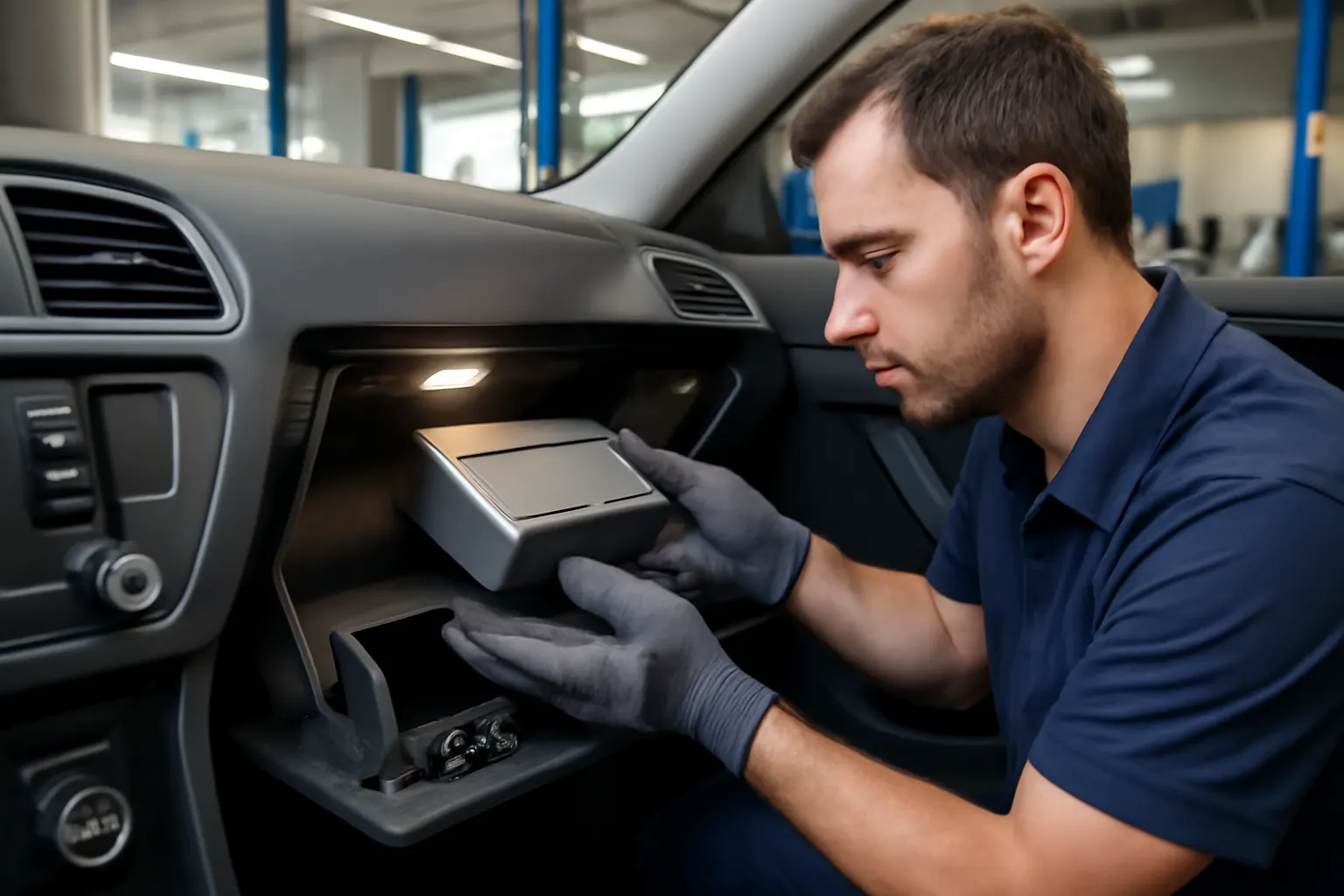
- Remove the Glove Box Door: Access the latch and lock mechanism from the rear.
- Install New Lock or Actuator: Follow manufacturer instructions for alignment and securing.
- Wire to Central Locking (if electronic): Connect to the vehicle’s wiring harness, ensuring proper fuse protection.
- Test Operation: Confirm the lock engages and disengages smoothly, both manually and electronically.
Security Considerations
- Avoid Universal Keys: Choose locks with unique key codes to prevent easy picking.
- Check for Interference: Ensure the upgraded lock does not interfere with airbag deployment or other safety systems.
- Valet Mode: If available, program or enable valet lockout for added security during service or parking.
For diagnostic advice on latch and hinge issues, refer to Diagnosing Glove Box Latch and Hinge Failures.
Feature Focus: Cooled Glove Box Compartments
Cooled glove boxes are a hallmark of premium vehicles, but with the right components, many vehicles can be retrofitted for temperature-controlled storage.
How Cooled Glove Boxes Work
- HVAC Tap-In: A small duct or hose draws cooled air from the main HVAC system into the glove box.
- Adjustable Vent: A manual or electronic vent allows the driver to control airflow.
- Insulation: Foam or reflective insulation lines the compartment to retain cool temperatures.
- Drainage: A small drain may be included to prevent condensation buildup.
Retrofitting a Cooled Glove Box
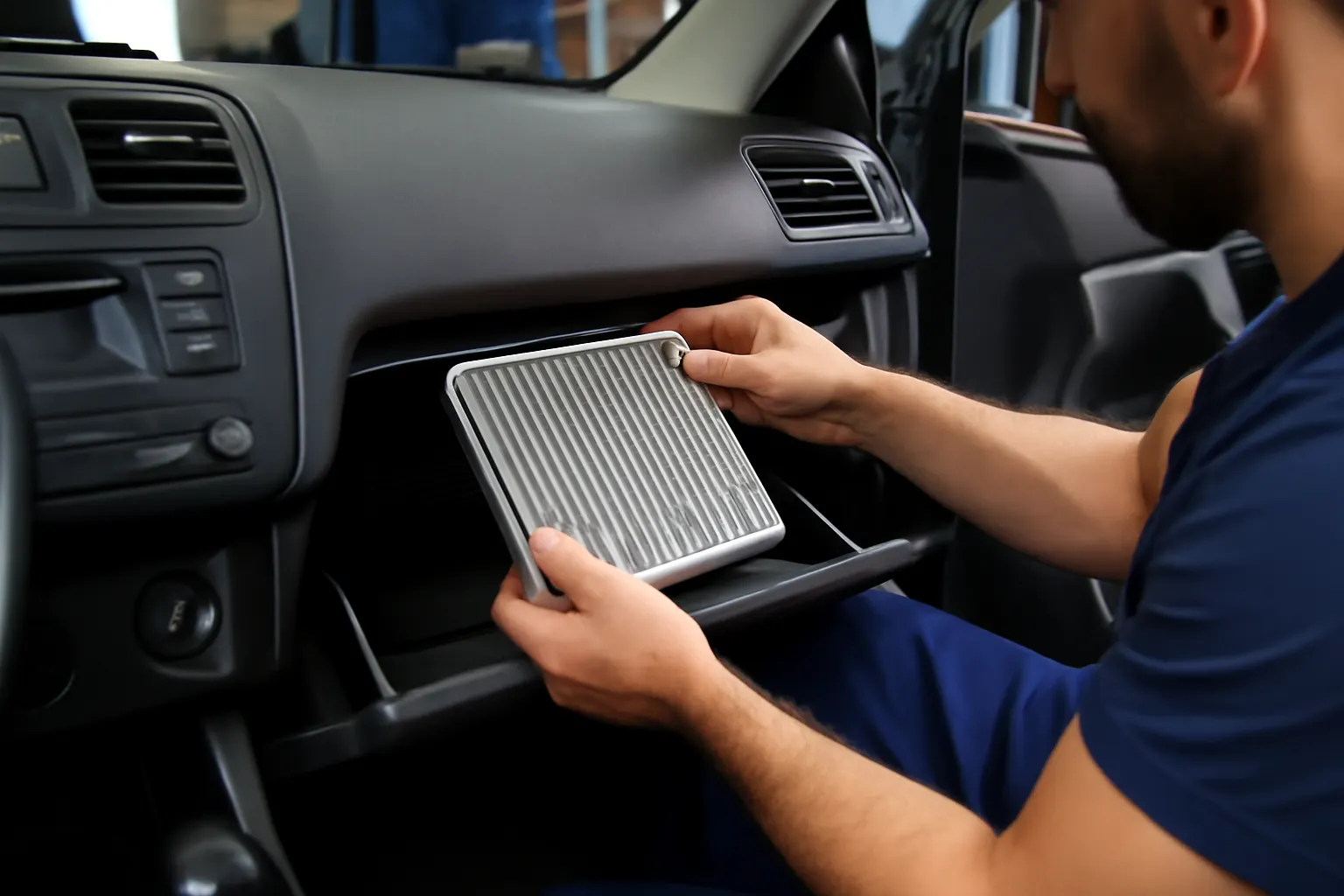
- Locate HVAC Ducting: Identify if there is accessible ductwork near or behind the glove box.
- Install a Tee Fitting: Use a tee to branch a small hose from the main HVAC duct.
- Drill and Seal: Carefully drill a port into the glove box and seal the hose connection.
- Add Insulation: Line the glove box with thermal insulation where possible.
- Install a Vent Control: Fit a small adjustable vent inside the glove box.
Maintenance and Use Tips
- Check for Leaks: Inspect hose connections and seals periodically.
- Keep Vent Closed When Not in Use: Prevents unwanted cooling or heating loss from the main HVAC system.
- Avoid Overloading: Don’t block the vent with large items, as this reduces cooling efficiency.
Choosing the Right Upgrade: OEM vs. Aftermarket vs. Custom
When planning your glove box upgrade, you’ll need to decide between OEM (Original Equipment Manufacturer), aftermarket, or custom solutions. Each has its advantages and trade-offs.
OEM Upgrades
- Pros: Guaranteed fit, matches interior styling, may retain warranty.
- Cons: Limited availability, higher cost, fewer features on base models.
Aftermarket Upgrades
- Pros: Wide variety, often more affordable, can add features not available from OEM.
- Cons: Variable quality, may require modification, potential warranty impact.
Custom Solutions
- Pros: Tailored to your exact needs, unique features possible.
- Cons: Requires advanced skills, higher cost, more time-consuming.
When evaluating options, consider your vehicle’s age, current glove box design, and your comfort with DIY installation versus professional help.
Installation and Safety: Best Practices and Precautions
Upgrading your glove box is generally straightforward, but there are important safety and technical considerations:
Safety Guidelines
- Disconnect the Battery: Always disconnect the negative terminal before working with electrical systems.
- Avoid Airbag Zones: Many glove boxes are located near passenger airbags. Avoid drilling or wiring in areas that could affect airbag deployment.
- Fuse Protection: Use inline fuses when adding electrical components.
- Follow Manufacturer Instructions: Adhere to all instructions for both OEM and aftermarket parts.
Installation Checklist
- Verify compatibility with your vehicle model and year.
- Gather all required tools (screwdrivers, wire strippers, drill, insulation, etc.).
- Prepare a clean, well-lit workspace.
- Test all new features before final reassembly.
- Secure all wiring and components to prevent rattles or damage.
Maintenance: Keeping Your Upgraded Glove Box in Top Condition
Once your glove box is upgraded, ongoing maintenance will ensure long-term performance:
- Inspect Wiring Regularly: Look for signs of wear, corrosion, or loose connections.
- Clean the Compartment: Avoid debris buildup that could block vents or interfere with mechanisms.
- Lubricate Hinges and Locks: Use a silicone-based lubricant on moving parts to prevent squeaks and wear.
- Check for Condensation: For cooled glove boxes, wipe down any moisture and inspect insulation periodically.
- Test Lighting and Locks: Verify operation every few months, especially before long trips.
Diagnosing Problems with Upgraded Glove Boxes
Even the best upgrades can encounter issues. Common problems include:
- Lighting Failure: Often due to blown fuses, faulty switches, or LED burnout.
- Lock Malfunction: Can be caused by misalignment, actuator failure, or worn keys.
- Cooling Inefficiency: Blocked vents, disconnected hoses, or insulation gaps can reduce performance.
- Rattles or Noises: Loose components or wiring can cause annoying sounds while driving.
Troubleshooting Steps
- Visual Inspection: Check all visible components for damage or disconnection.
- Test Electrical Circuits: Use a multimeter to verify voltage at key points.
- Check Mechanical Operation: Open and close the glove box, listening for smooth operation.
- Consult Diagnostic Guides: Refer to manufacturer documentation or trusted resources for advanced troubleshooting.
Sourcing Quality Parts: What to Look for in Glove Box Upgrades
When shopping for glove box upgrade parts, prioritize quality and safety. Here’s what to consider:
- Material Quality: Look for durable plastics, metals, and insulation materials as outlined in the Materials Technologies standards.
- Electrical Compliance: Ensure all wiring and components meet automotive electrical standards (see SAE Standards).
- Safety Certification: Choose parts that comply with Vehicle Safety and Equipment guidelines.
- Fitment Guarantees: Prefer vendors who offer model-specific fitment charts or guarantees.
- Warranty and Support: Check for manufacturer warranties and customer support availability.
The Role of the Glove Box in Cabin Air Quality and Comfort
Upgrading your glove box can have indirect benefits for overall cabin comfort and air quality. For example, cooled glove boxes that tap into the HVAC system must be properly sealed to avoid introducing dust or pollen into the compartment. Insulated and well-fitted glove boxes also reduce rattles and vibration, contributing to a quieter, more comfortable ride.
For a deeper exploration of this topic, see The Hidden Role of the Glove Box in Cabin Air Quality.
Future Trends: Smart Glove Boxes and Connected Features
The next generation of glove boxes is already taking shape in luxury and electric vehicles. Expect to see:
- Biometric Locks: Fingerprint or facial recognition for secure access.
- Integrated Charging: USB or wireless charging pads built into the compartment.
- Connected Storage: Sensors that alert you if you leave valuables behind.
- Climate Control: Precise temperature management, independent of main HVAC settings.
While these features are currently limited to high-end vehicles, aftermarket solutions are beginning to appear, making advanced glove box upgrades accessible to more drivers.
AutoPartEx: Your Partner for Glove Box Upgrades
At AutoPartEx, we specialize in connecting drivers with the highest-quality glove box components and upgrade kits. Whether you drive a late-model Acura, a classic AMC, or any popular make, our catalog includes OEM, aftermarket, and universal solutions for lighting, locks, and cooling features. Our expert guides, fitment charts, and technical support make it easy to find the right upgrade for your vehicle.
We recommend starting with our Glove Box: Secure Storage and Integrated Cabin Technology for Modern Vehicles category page to explore all available options and resources.
Conclusion: Upgrade Your Glove Box for a Safer, Smarter Cabin
Upgrading your glove box is a practical, high-impact way to enhance your vehicle’s security, convenience, and comfort. With integrated lighting, advanced locks, and cooled storage, you can transform this often-overlooked compartment into a showcase of modern automotive technology. By understanding the technical requirements, sourcing quality parts, and following best practices for installation and maintenance, you’ll enjoy the benefits of a truly modern glove box—no matter what you drive.