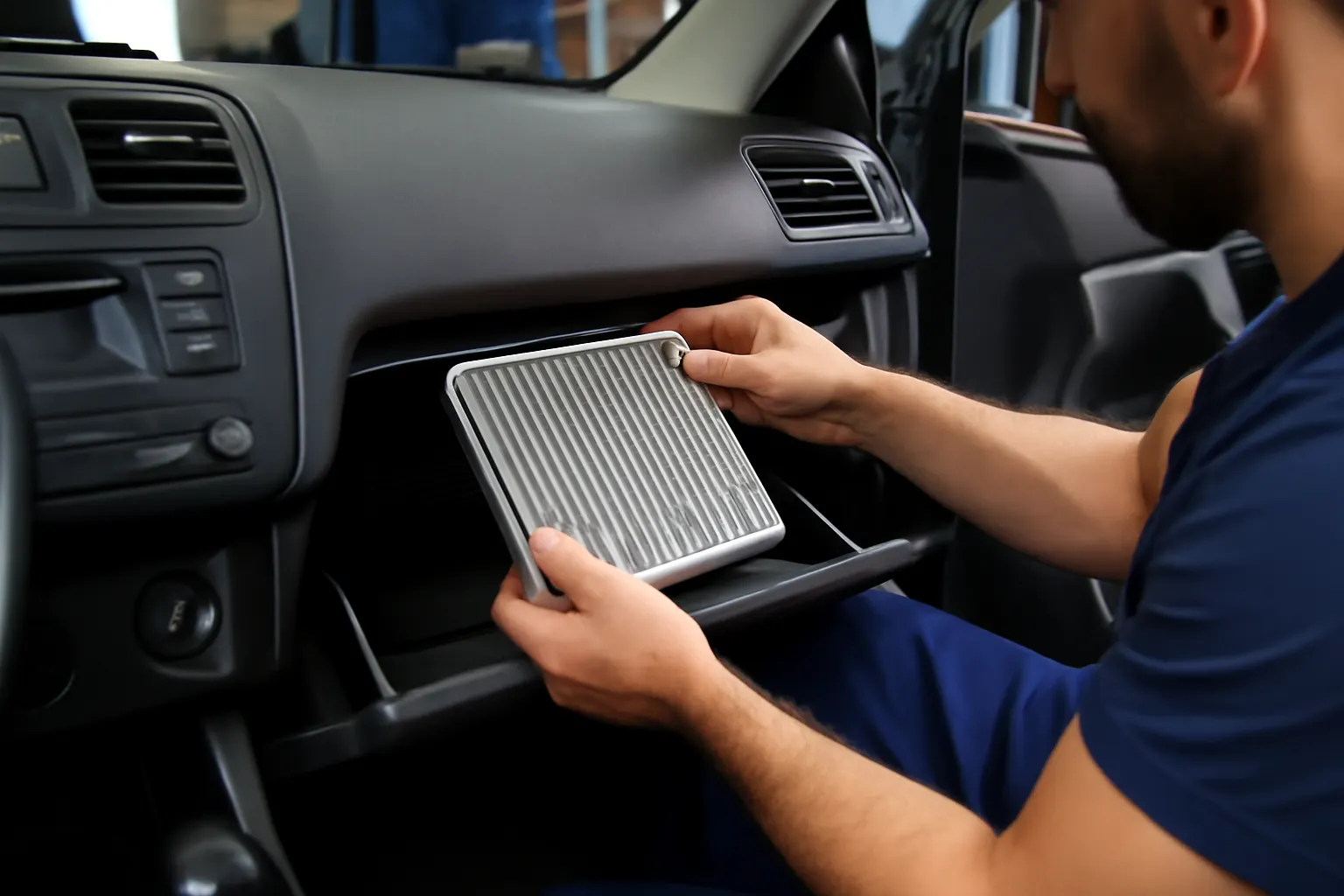
The Hidden Role of the Glove Box in Cabin Air Quality
Your glove box does more than store manuals and sunglasses—it’s a quiet but crucial gateway to your vehicle’s cabin air filter and a key influencer of your car’s interior air quality. In modern vehicles, glove box design directly affects how easily you can access and maintain your cabin air filter, which in turn impacts everything from passenger comfort to long-term HVAC system health and even fuel efficiency. If you want to breathe cleaner air and maximize HVAC performance, understanding the hidden relationship between your glove box and your cabin’s air quality is essential.
This in-depth guide from the AutoPartEx Technical Editorial Team explores how glove box engineering shapes your ability to maintain clean, healthy air inside your car. We’ll cover glove box design trends, common maintenance challenges, technical explanations, and hands-on tips for diagnosing and improving cabin air filtration. For a broader look at glove boxes and their evolving functions, see our Glove Box: Secure Storage and Integrated Cabin Technology for Modern Vehicles category overview.
The Immediate Answer: Why the Glove Box Matters for Cabin Air Quality
Most late-model vehicles position the cabin air filter directly behind the glove box. This design choice allows for relatively easy access during routine maintenance—if the glove box is engineered with air filter serviceability in mind. A well-designed glove box lets you replace the cabin air filter in minutes, ensuring optimal airflow, HVAC efficiency, and removal of dust, pollen, and pollutants. Neglecting this connection can lead to clogged filters, reduced airflow, and degraded interior air quality.
Key Facts at a Glance
- Glove box location: Most often provides the only access to the cabin air filter.
- Service intervals: Cabin air filters should be inspected every 12,000–15,000 miles or annually.
- HVAC health: Easy filter access keeps your system running efficiently and helps maintain fuel economy.
The Hidden Problem: When Glove Box Design Gets in the Way
While glove box access to the cabin air filter is common, not all designs make maintenance easy. Some manufacturers prioritize aesthetics or storage volume over serviceability, resulting in glove boxes that are difficult to remove or that block access to the filter housing. This can discourage regular filter replacement, leading to hidden problems:
- Clogged filters restrict airflow, causing the HVAC blower to work harder and potentially shortening its lifespan.
- Poor air quality can aggravate allergies and reduce comfort for passengers.
- Inefficient HVAC operation can have a subtle but real impact on fuel economy and system longevity.
If you’ve ever struggled to drop your glove box or access the filter housing, you’ve encountered this hidden design issue. The consequences go beyond inconvenience—they can affect your health and your vehicle’s performance.
How Glove Box Design Impacts Cabin Air Filter Access
Common Glove Box Mechanisms
- Drop-down hinges: Many glove boxes are designed to swing down completely, providing direct access to the filter door.
- Retaining stops and dampers: Some models use side stops or dampers that must be disengaged before the glove box can drop.
- Integrated lighting, locks, or cooling: Advanced glove boxes may have electrical connectors or cooling ducts that complicate removal.
Serviceability Spectrum
- Service-friendly designs: Quick-release pins, easily removable dampers, and a clear path to the filter housing.
- Difficult designs: Fixed hinges, obstructive reinforcement bars, or tightly integrated electrical components.
The ease with which you can access the cabin air filter is largely determined by these design choices. For more on glove box upgrades and features, see Upgrading Your Glove Box: Lighting, Locks, and Cooling Features.
Technical Deep Dive: The HVAC System, Air Filtration, and Glove Box Integration
The HVAC Intake Path
Most modern vehicles draw outside air through an intake beneath the windshield cowl. This air passes through the cabin air filter—usually located in a housing behind the glove box—before entering the HVAC system’s blower and ductwork.
Cabin Air Filter Types
- Particulate filters: Trap dust, pollen, and debris.
- Activated carbon filters: Also absorb odors and some pollutants.
HVAC Efficiency and Fuel Economy
A clean cabin air filter ensures the HVAC blower operates efficiently, reducing strain and potential electrical load. According to the U.S. Department of Energy, efficient HVAC operation can have a measurable impact on overall fuel economy, particularly in stop-and-go driving.
Symptoms of Cabin Air Filter Neglect: What to Watch For
A neglected filter—often due to difficult glove box access—can cause a range of issues. Be alert for:
- Weak airflow from the vents, even at maximum fan speed.
- Unpleasant odors in the cabin, especially with the HVAC on.
- Increased window fogging due to poor air circulation.
- Excessive fan noise as the blower works harder.
- Allergy flare-ups or dust buildup on interior surfaces.
If you notice these symptoms, it’s time to inspect your cabin air filter—starting with the glove box.
Diagnosing Cabin Air Filter Access: A Step-by-Step Checklist
Use this checklist to evaluate your vehicle’s glove box and filter serviceability:
Glove Box Air Filter Access Checklist
| Step | Action | Notes |
|---|---|---|
| 1 | Open glove box and empty contents | Prevents dropping items during removal |
| 2 | Look for side stops or dampers | Identify if there are tabs, cords, or dampers |
| 3 | Gently press inwards on glove box sides | Allows box to drop past stops in most designs |
| 4 | Check for electrical connectors | Disconnect lighting or cooling lines if present |
| 5 | Locate filter housing cover behind glove box | Usually a rectangular door with clips or screws |
| 6 | Remove cover and inspect filter | Note orientation for reinstallation |
| 7 | Check for obstructions or complex fasteners | Some models require tools or extra steps |
| 8 | Replace filter and reassemble | Reverse steps and confirm secure fit |
If you encounter unusual resistance or can’t identify the filter housing, consult your owner’s manual or a professional technician.
Glove Box Materials, Safety, and Long-Term Reliability
Material Choices Affect Serviceability
According to the U.S. Department of Energy’s Materials Technologies research, modern glove boxes use lightweight polymers, ABS, and reinforced plastics. These materials balance weight, durability, and cost, but their rigidity and integration with dash structures can affect how easily the glove box can be removed for filter service.
Safety Considerations
Per NHTSA equipment standards, glove boxes must not interfere with airbag deployment or compromise occupant safety. This sometimes limits design options for filter access, especially in vehicles with knee airbags or advanced dash electronics.
The Impact of Glove Box Design on DIY Maintenance
User-Friendly Designs
Manufacturers that prioritize serviceability make it possible for owners to replace cabin air filters in under 10 minutes with basic tools. These designs feature:
- Clearly labeled stops or dampers.
- Simple removal of the glove box without disconnecting wiring.
- Unobstructed access to the filter housing.
Challenging Designs
Some vehicles require partial dash disassembly, removal of multiple fasteners, or special tools to access the filter. This discourages regular maintenance and can lead to long-term air quality issues.
Tip: Before purchasing a vehicle, ask to see the cabin filter access process. If it’s overly complex, factor this into your ownership and maintenance planning.
How Poor Glove Box Serviceability Can Affect Vehicle Value
When filter replacement is difficult, many owners skip the service or leave it for future buyers. This can result in:
- Lingering odors and poor interior air quality in used vehicles.
- Reduced HVAC performance and potential blower motor damage.
- Lower resale value due to deferred maintenance.
A well-documented cabin air filter service history is a selling point—especially if your glove box design makes regular maintenance easy.
Buying the Right Cabin Air Filter: Fitment and Quality Tips
Not all filters are created equal, and glove box design affects which filters will fit. Consider the following when sourcing replacements:
- Match filter size and shape to your vehicle’s filter housing.
- Check for airflow direction arrows for correct installation.
- Choose high-quality materials: OEM or reputable aftermarket brands offer better filtration and longer life.
- Consider activated carbon options if you want to reduce odors as well as particulates.
For vehicles with complex glove box assemblies, verify that your replacement filter will fit through the available access space without bending or damaging the filter media.
Preventing Glove Box and Filter Housing Damage
Repeated removal and reinstallation of the glove box can stress hinges, dampers, and stops—especially in designs that require force or awkward angles. Prevent damage by:
- Following the manufacturer’s instructions for glove box removal.
- Using appropriate tools and avoiding excessive force.
- Inspecting hinges and dampers for wear during each service.
- Replacing worn or broken components promptly to prevent glove box misalignment or rattling.
If you encounter latch or hinge issues, refer to Diagnosing Glove Box Latch and Hinge Failures for troubleshooting and repair guidance.
When to Seek Professional Help
While most glove box and cabin air filter services are DIY-friendly, some situations call for expert attention:
- Integrated electronics: If your glove box has lighting, cooling, or USB ports, improper removal can cause electrical faults.
- Complex dash assemblies: Some luxury or high-tech vehicles require dealer-level disassembly.
- Unusual odors or persistent HVAC issues: These may indicate mold, duct contamination, or a failing blower motor.
A professional technician can ensure proper filter installation, diagnose related HVAC issues, and check for safety recalls or technical service bulletins that may affect your glove box or filter housing.
Glove Box Upgrades and Future Trends
Modern glove boxes are evolving beyond simple storage. Features like integrated cooling, illuminated compartments, wireless charging, and advanced locking mechanisms are becoming common. While these upgrades enhance convenience, they can also complicate access to the cabin air filter.
Future Trends to Watch:
- Tool-free glove box releases: Quick-access panels for easier filter changes.
- Modular dash designs: Allowing filter access without removing the entire glove box.
- Integrated air quality sensors: Providing real-time feedback and maintenance reminders.
For more on emerging glove box technologies, see Upgrading Your Glove Box: Lighting, Locks, and Cooling Features.
AutoPartEx: Your Partner for Glove Box and Cabin Air Quality Solutions
At AutoPartEx, we understand that the glove box is more than a storage bin—it’s a gateway to your vehicle’s air quality and long-term comfort. Our comprehensive inventory includes OEM and high-quality aftermarket glove box assemblies, hinges, latches, and cabin air filters designed for a precise fit and easy maintenance. Whether you drive an Acura, AMC, Alfa, or any other brand, we help you find the right parts and guides for your specific make and model.
Our technical resources, such as How to Replace a Glove Box Assembly, empower owners and technicians alike to maintain and upgrade glove boxes for optimal air quality and convenience. Trust AutoPartEx for accurate fitment, expert support, and the latest in cabin comfort technology.
Expert Action Steps: Maximizing Cabin Air Quality Through Glove Box Maintenance
- Inspect your glove box design: Identify how your glove box allows (or hinders) access to the cabin air filter.
- Check and replace the cabin air filter at recommended intervals—more often if you drive in dusty or urban environments.
- Document your maintenance: Keep a record of filter changes and glove box repairs for future reference or resale.
- Upgrade wisely: If your glove box is difficult to remove or damaged, consider an upgrade to a service-friendly assembly.
- Consult AutoPartEx for part sourcing, technical guides, and expert support tailored to your vehicle.