The Hidden Role of the Glove Box in Cabin Air Quality
When you think of your vehicle’s glove box, you probably imagine a convenient place to store your registration, owner’s manual, or a spare pair of sunglasses. But did you know that this humble compartment plays a pivotal—yet often overlooked—role in your vehicle’s cabin air quality? Modern glove box design is intricately linked to the accessibility of the cabin air filter, a critical component in maintaining a healthy, comfortable, and safe driving environment. Understanding this relationship is essential for every driver who values the quality of the air they breathe and wants to ensure their vehicle’s HVAC system operates at peak efficiency.
Whether you drive a late-model Acura, a vintage AMC, or any vehicle in between, the glove box is more than just a storage bin. It’s an integrated access point to your car’s filtration system—a system that, if neglected, can compromise everything from your respiratory health to the performance of your air conditioning. In this article, we’ll explore how glove box design affects cabin air filter maintenance, the hidden challenges drivers face, and how you can take control of your vehicle’s air quality with informed, practical steps.
Immediate Answer: Why Glove Box Design Matters for Cabin Air Quality
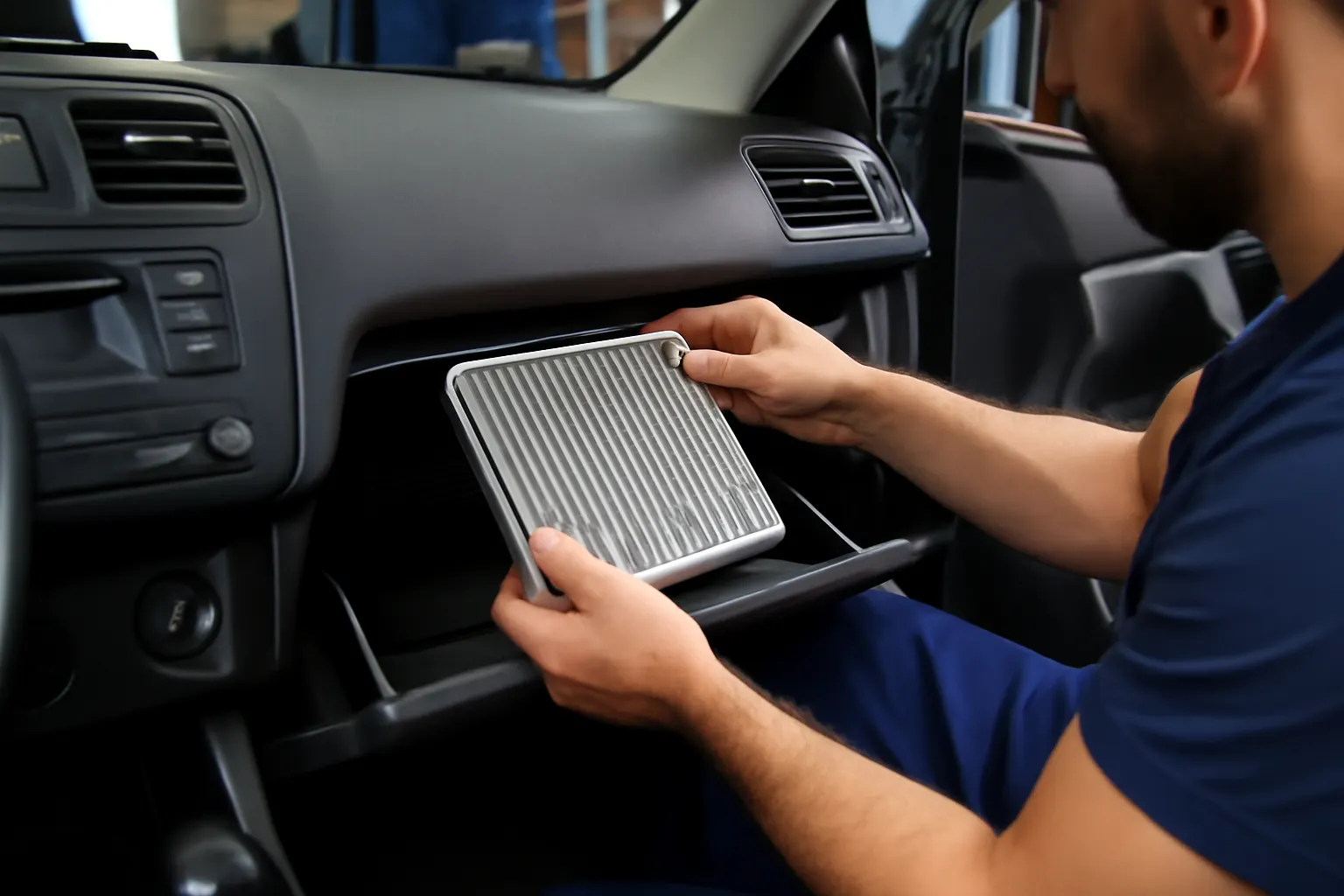
The glove box isn’t just for storage—it’s the gateway to your vehicle’s cabin air filter in most modern cars. The cabin air filter, typically located behind or beneath the glove box, is responsible for trapping dust, pollen, pollutants, and even odors before they enter the passenger compartment. A well-designed glove box allows for easy access to this filter, making routine replacement straightforward and encouraging regular maintenance.
When glove box access is restricted, poorly engineered, or neglected, it can lead to infrequent filter changes. This, in turn, results in reduced HVAC efficiency, increased allergen exposure, and even safety risks due to fogged windows or musty odors. Therefore, the design, placement, and functionality of your glove box have a direct and measurable impact on the air you and your passengers breathe every day.
The Hidden Problem: Access Barriers and Neglected Filters
Despite its critical function, many drivers are unaware of the connection between the glove box and cabin air quality. The primary issue is that cabin air filters are often out of sight and out of mind. Manufacturers typically position the filter behind the glove box to protect it from accidental damage and to streamline airflow within the dashboard. However, this placement can introduce several hidden problems:
- Complex Access Mechanisms: Some glove boxes require the removal of screws, clips, or even complete disassembly to reach the filter. Without clear instructions or proper tools, many drivers skip this essential maintenance.
- Design Limitations: Not all glove boxes are created equal. Variations in hinge design, latch strength, or internal lighting can make filter access difficult, especially in low-light conditions or cramped footwells.
- Lack of Awareness: Many vehicle owners are unaware of the recommended filter replacement interval or even the existence of a cabin air filter. This knowledge gap leads to filters remaining unchanged for years, causing them to become clogged and ineffective.
These hidden barriers not only compromise air quality but can also strain your HVAC system, leading to higher energy consumption and potential component failures.
Beyond Storage: The Glove Box as a Critical Service Access Point
To fully appreciate the glove box’s role in cabin air quality, it’s important to understand its evolution from a simple storage compartment to a multi-functional service access point. In most vehicles manufactured after the late 1990s, the glove box serves as the primary path to the cabin air filter housing. This design choice is driven by several engineering and safety considerations:
- Protection: Locating the filter behind the glove box shields it from direct contact with passengers and accidental damage from stored items.
- Structural Integration: The glove box is often engineered to align with dashboard reinforcements, supporting both crash safety and serviceability.
- HVAC Routing: Proximity to the HVAC intake ducts ensures that all incoming air is filtered before reaching the cabin, optimizing both air quality and system efficiency.
This integration means that any issues with the glove box—such as a broken latch or misaligned hinges—can directly impede your ability to maintain optimal air quality.
How Glove Box Design Influences Maintenance Frequency
The easier it is to access the cabin air filter, the more likely owners are to replace it at recommended intervals. Key design features that facilitate maintenance include:
- Drop-Down Mechanisms: Many modern glove boxes are designed to drop down completely with the removal of a few clips or dampers, providing clear access to the filter compartment.
- Tool-Free Entry: Some vehicles allow for filter replacement without any tools, relying on pressure-fit tabs or simple latches.
- Integrated Lighting: Enhanced glove box lighting makes it easier to see what you’re doing, reducing the risk of improper installation or missed debris.
Conversely, glove boxes that require specialized tools, have hidden fasteners, or lack clear instructions can deter even the most diligent DIYers from performing this critical maintenance.
The Impact of Cabin Air Filter Neglect: Technical Implications
Failing to replace the cabin air filter doesn’t just affect air quality—it can have cascading technical consequences throughout your vehicle. Here’s what can happen when glove box design discourages regular filter maintenance:
- Reduced HVAC Efficiency: A clogged filter restricts airflow, forcing the blower motor to work harder. This can lead to premature wear, increased noise, and even motor failure.
- Compromised Air Quality: Dirty filters allow pollutants, allergens, and even mold spores to circulate within the cabin, posing health risks to occupants.
- Fogged Windows: Reduced airflow can hinder the HVAC system’s ability to defog windows, compromising visibility and safety.
- Increased Fuel Consumption: According to the United States Department of Energy, inefficient HVAC operation can indirectly affect fuel efficiency, especially in vehicles with climate control systems that rely on engine power.
Neglecting the cabin air filter due to poor glove box access is more than an inconvenience—it’s a risk to both your vehicle’s performance and your well-being.
Diagnosing Glove Box and Cabin Air Filter Issues
Recognizing the signs of a neglected filter or a problematic glove box is the first step in restoring your vehicle’s air quality. Here’s what to watch for:
- Unusual Odors: Musty, moldy, or stale smells when the HVAC system is on often indicate a dirty cabin air filter.
- Reduced Airflow: If your vents are blowing weakly, even at maximum fan settings, a clogged filter is a likely culprit.
- Increased Allergies or Irritation: More sneezing, coughing, or eye irritation during drives may signal that your filter is overdue for replacement.
- Difficulty Opening Glove Box: A glove box that sticks, creaks, or won’t open smoothly can make filter access difficult and discourage regular maintenance.
If you notice any of these symptoms, it’s time to inspect both your glove box mechanism and the cabin air filter itself. For more on diagnosing common glove box issues, see Diagnosing Glove Box Latch and Hinge Failures.
Step-by-Step: Accessing and Replacing Your Cabin Air Filter via the Glove Box
Replacing your cabin air filter is typically a straightforward process—provided your glove box is designed for easy access. Here’s a general step-by-step guide:
- Empty the Glove Box: Remove all contents to prevent items from falling or obstructing access.
- Disengage Stops or Dampers: Locate and gently unhook any glove box stops, dampers, or side pins. Some may require light pressure or a screwdriver.
- Lower the Glove Box: Allow the glove box to drop down, exposing the filter housing behind it.
- Remove the Filter Cover: Unclip or unscrew the filter cover to access the cabin air filter.
- Extract the Old Filter: Carefully slide out the old filter, noting its orientation.
- Install the New Filter: Insert the new filter in the correct direction (usually marked with an airflow arrow).
- Reassemble: Replace the filter cover, lift the glove box back into position, and re-engage any stops or dampers.
- Test the System: Run the HVAC system to ensure proper airflow and check for any unusual noises.
Checklist: Tools and Tips for a Smooth Filter Change
- Owner’s manual (for model-specific instructions)
- Phillips or flathead screwdriver (if required)
- Clean rag or vacuum to remove debris
- Replacement cabin air filter (OEM or high-quality aftermarket)
Engineering Insights: Materials, Durability, and Safety
Glove box design is more than an ergonomic concern—it’s a matter of engineering precision. According to the United States Department of Energy’s Materials Technologies research, modern glove boxes utilize advanced polymers and lightweight composites to balance strength, safety, and ease of access. Key considerations include:
- Impact Resistance: Glove box assemblies must withstand crash forces without shattering, as dictated by NHTSA equipment safety standards.
- Wear-Resistant Hinges: Durable hinges and latches ensure repeated access to the cabin air filter without premature failure.
- Chemical Stability: Materials are chosen to resist degradation from cleaning agents, spilled liquids, or exposure to fluctuating temperatures.
These engineering choices directly affect your ability to access the cabin air filter over the vehicle’s lifespan, reinforcing the importance of robust glove box design.
Upgrading for Better Access and Air Quality
If your vehicle’s glove box is difficult to open or obstructs filter access, it may be time for an upgrade. Aftermarket glove box assemblies can offer enhanced features such as:
- Soft-Open Dampers: These mechanisms allow for smoother, controlled glove box opening, reducing wear and preventing sudden drops.
- Integrated Lighting: Built-in LED lights illuminate the glove box interior, making filter changes safer and easier.
- Improved Latch Designs: Modern latches offer better security and easier operation, ensuring the glove box remains both accessible and safe.
For a comprehensive look at upgrade options, visit Upgrading Your Glove Box: Lighting, Locks, and Cooling Features.
Maintenance Tips: Keeping Your Glove Box and Filter in Top Shape
Routine maintenance of both the glove box and the cabin air filter is essential for preserving air quality and vehicle longevity. Here’s how to stay proactive:
- Inspect Annually: Check glove box hinges, latches, and dampers for signs of wear or misalignment.
- Replace Filter Regularly: Follow your manufacturer’s recommended interval—typically every 12,000 to 15,000 miles or once a year.
- Clean Interior Surfaces: Wipe down the glove box and surrounding dashboard to minimize dust and debris that could enter the filter housing.
- Check for Recalls: Occasionally, glove box assemblies or filter housings may be subject to safety recalls. Consult the NHTSA recalls database to ensure your vehicle is up to date.
By integrating these steps into your routine, you’ll ensure that both your glove box and cabin air filter continue to function as intended.
Sourcing the Right Parts: OEM vs. Aftermarket
When it comes to replacing glove box components or cabin air filters, quality matters. Here’s what to consider:
- OEM (Original Equipment Manufacturer) Parts: Designed to fit your specific make and model, ensuring precise alignment and reliable performance.
- Aftermarket Options: May offer enhanced features or materials but require careful selection to ensure compatibility.
- Filter Quality: Opt for filters that meet or exceed SAE standards for particulate and odor removal. Avoid low-cost imitations that may not provide adequate filtration or fit.
For a curated selection of glove box assemblies and air filters tailored to your vehicle, explore the Glove Box: Secure Storage and Integrated Cabin Technology for Modern Vehicles category at AutoPartEx.
The Role of the Glove Box in Integrated Cabin Technology
Beyond air quality, glove boxes in modern vehicles are increasingly integrated with advanced cabin technology. Features such as cooled storage, USB charging ports, and even wireless device charging are becoming standard. These innovations, while enhancing convenience, can also affect the accessibility of the cabin air filter:
- Wiring and Components: Additional electronics may complicate glove box removal or reinstallation.
- Space Constraints: New features can reduce available space, making filter access more challenging.
- Service Considerations: Always consult your owner’s manual or a professional technician when dealing with integrated glove box technology to avoid damaging sensitive components.
By understanding the interplay between glove box features and serviceability, you can make informed decisions about upgrades and maintenance.
When to Seek Professional Help
While many drivers can replace the cabin air filter themselves, certain situations warrant professional assistance:
- Complex Glove Box Assemblies: Luxury vehicles or models with advanced integrated features may require specialized tools or procedures.
- Persistent Odors: If odors persist after filter replacement, your HVAC system may need a deeper cleaning or diagnosis.
- Broken Latches or Hinges: Damaged glove box components should be repaired or replaced promptly to maintain safe and easy access.
For step-by-step guidance on glove box replacement, see How to Replace a Glove Box Assembly.
AutoPartEx: Your Partner in Air Quality and Interior Comfort
At AutoPartEx, we understand that every detail matters when it comes to your vehicle’s performance and your family’s safety. That’s why we offer a comprehensive range of glove box assemblies, cabin air filters, and related components, all engineered for durability, precision, and ease of installation. Whether you’re a DIY enthusiast or a professional technician, our expert resources and curated product selection empower you to maintain peak cabin air quality and enjoy every drive with confidence.
Explore our extensive catalog, including the Glove Box: Secure Storage and Integrated Cabin Technology for Modern Vehicles category, for the best solutions tailored to your make and model.
Conclusion: Don’t Overlook the Glove Box’s Role in Clean Air
The next time you open your glove box, remember: it’s not just a storage space—it’s a vital access point to your vehicle’s air quality system. By understanding the relationship between glove box design, cabin air filter maintenance, and overall HVAC performance, you can take proactive steps to protect your health, your passengers, and your vehicle. Stay informed, follow recommended service intervals, and choose quality parts to keep your cabin air fresh, your HVAC system efficient, and your driving experience at its best.