Advertisement
Keyless entry systems have revolutionized automotive security, offering a powerful combination of theft deterrence and user convenience. By replacing traditional mechanical keys with radio frequency (RF) fobs, smart cards, or even smartphone integration, these systems have changed how drivers interact with their vehicles and how criminals attempt to bypass security. For car owners and automotive professionals, understanding the evolution, strengths, vulnerabilities, and maintenance needs of keyless entry is essential for maximizing both protection and ease of use. For a broader context on automotive lock technologies, see our Comprehensive Guide to Automotive Locks: Security, Technology, and Maintenance.
The Immediate Impact: Enhanced Security and Convenience
The primary advantage of keyless entry systems is the dual benefit of improved security and increased user convenience. With traditional key-and-lock mechanisms, physical keys were susceptible to duplication, lock picking, and brute-force attacks. In contrast, keyless systems use encrypted wireless signals, making unauthorized access significantly more difficult for most casual thieves.
Keyless entry allows drivers to unlock, lock, and even start their vehicles without ever physically inserting a key. This has led to a dramatic reduction in old-school theft techniques, such as hot-wiring or forced entry, and has made daily vehicle access more seamless for millions of drivers worldwide. In addition, many keyless systems now include features like remote start, trunk release, and panic alarms, further enhancing the overall user experience.
The Hidden Problem: New Vulnerabilities in Modern Security
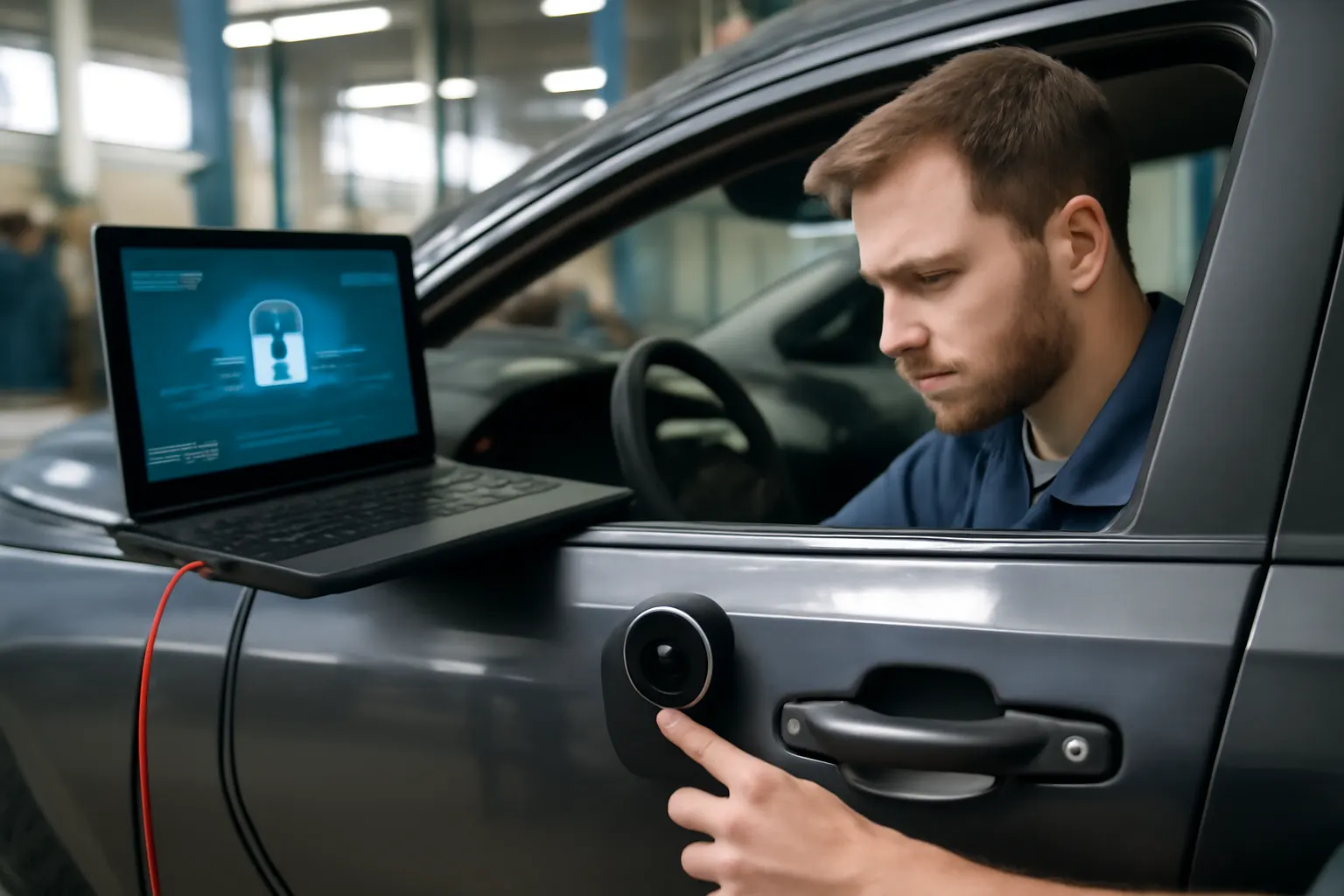
Despite these advancements, keyless entry systems are not immune to security threats. While they mitigate many risks associated with mechanical locks, they introduce new vulnerabilities that require sophisticated countermeasures. Criminals have adapted to modern technology, developing relay attacks, signal jamming, and code-grabbing techniques to exploit weaknesses in wireless communication.
These hidden problems mean that automotive security is a constantly evolving battlefield. Vehicle owners and technicians must stay informed about the latest threats, system recalls, and recommended practices to ensure that keyless entry remains an effective security solution.
A Deeper Look: How Keyless Entry Works
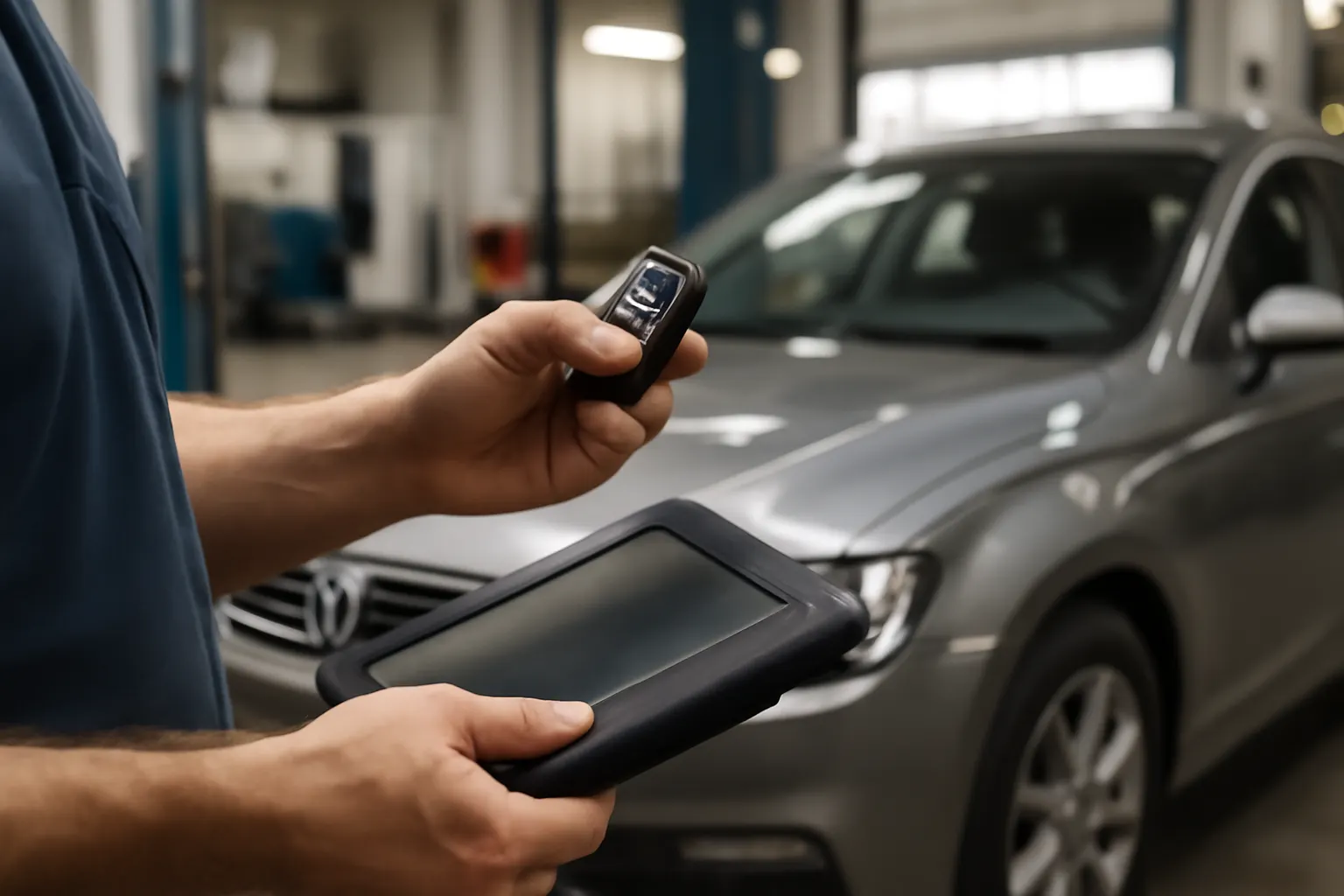
Keyless entry systems function through the exchange of encrypted radio signals between a vehicle and a key fob or smart device. When a user approaches their car, the fob transmits a unique, time-sensitive code to the vehicle’s receiver. If the code matches the expected sequence, the system unlocks the doors or allows engine ignition.
The technology underpinning these systems has evolved rapidly:
- Remote Keyless Entry (RKE): Introduced in the late 1980s, RKE uses short-range radio signals to lock or unlock doors with the press of a button.
- Passive Keyless Entry (PKE): Modern systems allow for proximity-based unlocking. The car detects the key fob’s presence within a certain range and automatically unlocks the doors.
- Keyless Ignition (Push-to-Start): Further integration enables drivers to start the engine with a button, provided the fob is inside the vehicle.
These systems rely on robust encryption protocols and rolling codes, which change with every use to prevent code theft and replay attacks.
Evolution of Automotive Locks: From Steel Keys to Digital Encryption
Automotive locks have undergone a dramatic transformation over the past century. Early vehicles used simple steel keys and basic tumblers, which were easily duplicated or manipulated. By the 1990s, automakers began introducing transponder chips—small electronic circuits embedded in keys that communicated with the vehicle’s immobilizer system.
Advertisement
The real leap in security came with the advent of keyless entry and ignition. These systems leverage advanced materials and electronics, as highlighted in Materials Technologies research, to create lightweight, durable, and tamper-resistant components. The result is a lock system that is more resistant to both physical and electronic attacks.
The Changing Landscape of Automotive Theft
Traditional car theft methods—such as breaking a window and hot-wiring the ignition—are largely obsolete in vehicles equipped with keyless systems. However, the rise of electronic theft has prompted a new wave of challenges. Relay attacks, for example, involve intercepting and amplifying the key fob’s signal to unlock and start the vehicle from a distance, even if the fob is inside the owner’s home.
This shift has led law enforcement agencies and the National Highway Traffic Safety Administration (NHTSA) to issue new guidelines and recommendations for both manufacturers and consumers. Modern vehicle safety is as much about cybersecurity as it is about physical barriers.
Keyless Entry Vulnerabilities: Relay, Jamming, and Code Grabbing
While keyless entry systems provide robust security, they are not infallible. The most common vulnerabilities include:
- Relay Attacks: Criminals use two devices—one near the key fob, another near the vehicle—to relay signals and trick the car into unlocking or starting.
- Signal Jamming: Thieves use radio-frequency jammers to block the lock/unlock command, leaving vehicles unintentionally unlocked.
- Code Grabbing: Sophisticated attackers can intercept the rolling codes transmitted by some older keyless systems and replay them to gain unauthorized access.
Vehicle owners need to be aware of these threats and take proactive measures, such as storing key fobs in signal-blocking pouches and regularly updating vehicle firmware.
Diagnostic Checklist: Assessing Keyless Entry Security
To help owners and technicians evaluate the effectiveness and safety of their keyless entry systems, use the following diagnostic checklist:
Keyless Entry Security Diagnostic Checklist
| Area to Inspect | What to Look For | Recommended Action |
|---|---|---|
| Fob Signal Strength | Weak or inconsistent response | Replace battery or fob |
| Firmware Updates | Outdated software | Update vehicle software at dealership |
| Recall Notices | Manufacturer or NHTSA safety recalls | Check NHTSA Recalls and schedule service |
| Physical Damage | Cracked fob or receiver, water intrusion | Replace damaged components |
| Signal Interference | Fob works only at close range | Investigate for possible interference |
| Unauthorized Access | Unexpected unlocking or alarms | Reprogram fobs and consult a specialist |
Utilizing this checklist can help prevent common failures and highlight potential security gaps.
Integration with Other Vehicle Systems
Keyless entry is rarely a standalone feature. It is often integrated with other vehicle systems, such as alarm modules, immobilizers, and even climate control. For example, remote start capabilities may allow a driver to warm up or cool down their car before entry, while also keeping the vehicle locked and secure.
With increasing vehicle connectivity, keyless entry systems can also interact with telematics and smartphone apps. This integration offers enhanced convenience but also expands the potential attack surface for hackers. Regular system diagnostics and attention to manufacturer updates are critical for maintaining security.
Maintenance and Troubleshooting for Keyless Entry Systems
Keyless entry systems, while largely maintenance-free, do require occasional attention to ensure reliable operation. Common issues include dead key fob batteries, worn buttons, and receiver malfunctions. Environmental factors, such as extreme temperatures or water exposure, can also affect system performance.
Key Maintenance Tips:
- Replace key fob batteries annually or as soon as response weakens
- Keep fobs dry and avoid dropping them
- Periodically clean fob contacts and buttons
- Check for software updates from your vehicle manufacturer
- Store spare fobs in a safe, signal-blocking location
If you encounter persistent issues—such as doors failing to unlock or intermittent starting problems—refer to expert guides like Diagnosing Door Lock Actuator Failures for targeted troubleshooting steps.
Advertisement
Buying and Upgrading Keyless Entry Systems
For older vehicles, aftermarket keyless entry kits are available, offering improved security and convenience. When selecting a system, consider compatibility with your vehicle’s make and model, encryption standards, and integration with existing alarm or immobilizer systems.
Key Factors When Buying:
- OEM compatibility for seamless fitment
- Advanced encryption (rolling code or challenge-response)
- Inclusion of immobilizer and alarm integration
- Support for smartphone or smart device pairing
- Warranty and support from reputable suppliers
AutoPartEx recommends sourcing parts and kits from trusted manufacturers and verifying fitment through vehicle-specific guides. For more on replacing critical lock components, see Replacing Ignition and Trunk Locks: What You Need to Know.
The Role of Industry Standards and Safety Regulations
The evolution of keyless entry systems is shaped by rigorous engineering standards and government regulations. Organizations like SAE International publish standards for automotive electronics, encryption, and diagnostics. Meanwhile, NHTSA oversees equipment safety and recalls, ensuring that manufacturers address vulnerabilities and defects promptly.
Staying informed about current standards and recall notices is essential for technicians and consumers alike. Regularly check the Vehicle Safety and Equipment database and consult manufacturer documentation for the latest updates.
Smart Locks and the Future of Automotive Security
Keyless entry is just one step in the ongoing evolution of automotive security. The next frontier includes smart locks, biometric authentication, and vehicle-to-device communication. These technologies promise even greater convenience and protection but also demand new approaches to cybersecurity and user education.
Learn more about upcoming trends in our insight article Smart Locks and the Future of Automotive Security, where we explore the integration of facial recognition, fingerprint sensors, and blockchain-based access protocols.
Expert Guidance: Staying Ahead of Security Threats
For automotive professionals and enthusiasts, proactive engagement is the key to staying ahead of evolving threats. Here are expert recommendations:
- Educate Yourself and Your Customers: Stay current on the latest theft techniques and defense strategies. Share guidance on safe key fob storage and firmware updates.
- Perform Regular System Audits: Use the diagnostic checklist above to periodically inspect keyless entry performance and security.
- Respond Promptly to Recalls: Monitor the NHTSA Recalls database and address any issues immediately.
- Recommend Upgrades for At-Risk Vehicles: For high-theft-risk models or older vehicles, suggest aftermarket upgrades with advanced encryption and anti-theft features.
- Integrate Security with Maintenance: Include keyless system checks as part of routine vehicle service, alongside other critical systems like Air Box/Air Cleaner and AC components.
AutoPartEx Positioning: Your Partner in Automotive Security
AutoPartEx is committed to providing the most up-to-date, technically accurate information and highest-quality parts for all your vehicle security needs. Whether you’re upgrading to a modern keyless entry system, troubleshooting an existing setup, or seeking guidance on the latest security standards, our expert resources and curated parts catalog have you covered.
Explore our full range of lock and security solutions in the Comprehensive Guide to Automotive Locks: Security, Technology, and Maintenance category, or browse by manufacturer for model-specific parts and guidance. Our editorial and technical teams are dedicated to helping you keep your vehicle safe, secure, and at the cutting edge of automotive technology.
Conclusion: Keyless Entry—A Paradigm Shift Worth Mastering
Keyless entry systems have fundamentally changed the landscape of automotive security. They offer unparalleled convenience and robust protection against traditional theft methods, but they also introduce new challenges that require vigilance and technical understanding. By following best practices in maintenance, staying informed about vulnerabilities, and leveraging expert resources like AutoPartEx, vehicle owners and technicians can ensure that keyless entry remains a cornerstone of automotive safety and convenience for years to come.
References
Advertisement