Advertisement
Smart lock technology is rapidly redefining vehicle security, offering advanced features such as biometric access, wireless entry, and remote diagnostics. While these innovations promise convenience and improved protection, they also introduce new vulnerabilities and challenges that car owners, technicians, and manufacturers must address. This article explores the current state and future trajectory of smart locks in automotive security, providing a practical roadmap for understanding, diagnosing, and maintaining these systems. For a foundational overview of traditional and emerging automotive lock systems, see our Comprehensive Guide to Automotive Locks: Security, Technology, and Maintenance.
The Immediate Impact: How Smart Locks Are Changing Automotive Security
Smart locks have transitioned from luxury features to mainstream automotive security solutions. Modern vehicles often come equipped with keyless entry, push-button start, and even mobile phone-based access, all managed by sophisticated electronic control units (ECUs). These systems leverage encrypted radio signals, proximity sensors, and, increasingly, biometrics such as fingerprint or facial recognition.
The benefits are clear:
-
Enhanced Convenience: No more fumbling for keys—owners can unlock, start, and secure their vehicles with a touch or a tap on their smartphone.
-
Improved Security: Advanced encryption and rolling codes make traditional lockpicking and hotwiring nearly obsolete.
-
Integration with Other Systems: Smart locks often interface with alarm systems, GPS trackers, and even climate control or infotainment settings.
However, every leap in convenience and security comes with its own set of risks—often less visible to the average driver.
The Hidden Problem: Digital Vulnerabilities and Attack Surfaces
While smart locks have closed many traditional security loopholes, they have opened new digital frontiers for potential attackers. The shift from purely mechanical to electronic and wireless systems introduces risks such as:
- Relay Attacks: Thieves can use relay devices to amplify the signal from a smart key fob, tricking the car into unlocking and starting, even if the actual key is far away.
- Signal Jamming: Criminals can block the wireless signal between the key fob and the vehicle, preventing the car from locking and waiting for the owner to walk away.
- Software Exploits: Vulnerabilities in the vehicle’s firmware or mobile app interfaces can allow hackers to gain unauthorized access or disable security features.
- Biometric Spoofing: As more vehicles implement fingerprint or facial recognition, concerns about biometric data theft and spoofing grow.
These risks are compounded by the complexity of modern vehicle electronics and the rapid pace of technological change, making it difficult for both manufacturers and owners to keep up with emerging threats.
Expanding the Problem: Complexity, Maintenance, and Regulatory Challenges
The integration of smart locks into vehicle networks brings about several layers of complexity:
System Integration and Diagnostics
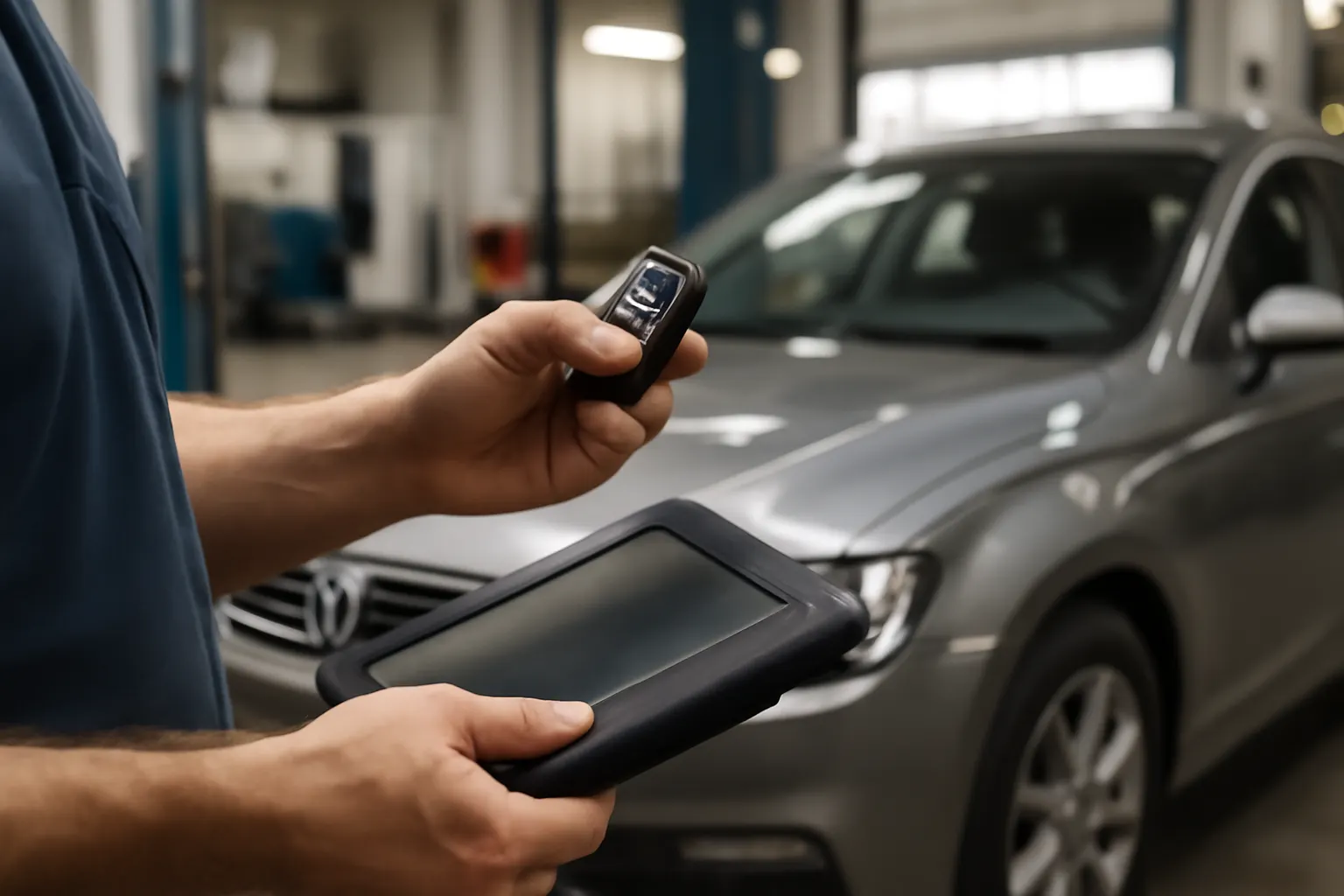
Modern smart lock systems are integrated with the vehicle’s CAN bus and communicate with multiple ECUs. Diagnosing issues requires specialized scan tools and a deep understanding of the vehicle’s electronic architecture. Problems can manifest as intermittent failures, false alarms, or even complete lockouts.
Maintenance and Repair
Unlike traditional locks, smart locks often require software updates, battery replacements (for key fobs and sensors), and occasional recalibration. Parts are more expensive, and service procedures are often proprietary, requiring dealer-level tools or subscriptions.
Regulatory and Safety Standards
As smart locks become standard equipment, they fall under the purview of safety regulations and standards. The National Highway Traffic Safety Administration (NHTSA) oversees vehicle safety equipment, and organizations like SAE International develop engineering standards for system interoperability and testing. Keeping up with these evolving standards is essential for compliance and consumer safety.
Data Privacy and User Trust
Smart locks collect and transmit sensitive data, including user biometrics and location. Ensuring this data is securely stored and transmitted is crucial for maintaining user trust and complying with data protection laws.
How Smart Lock Technology Works: Technical Deep Dive
To understand both the benefits and vulnerabilities of smart locks, it’s essential to examine their components and operation:
Core Components
- Electronic Control Unit (ECU): Manages authentication, locking/unlocking, and communication with other vehicle systems.
- Sensors: Include proximity sensors, touch sensors, and sometimes biometric readers (fingerprint, facial recognition).
- Radio Frequency (RF) Transceivers: Enable wireless communication between the vehicle and the key fob or smartphone.
- Mechanical Backup: Most systems retain a mechanical override (hidden key slot) for emergencies.
Advertisement
Authentication Methods
- Key Fob Proximity: Uses encrypted RF signals and rolling codes to verify the presence of an authorized key.
- Mobile Device Integration: Bluetooth Low Energy (BLE) or Near Field Communication (NFC) allows smartphones to act as digital keys.
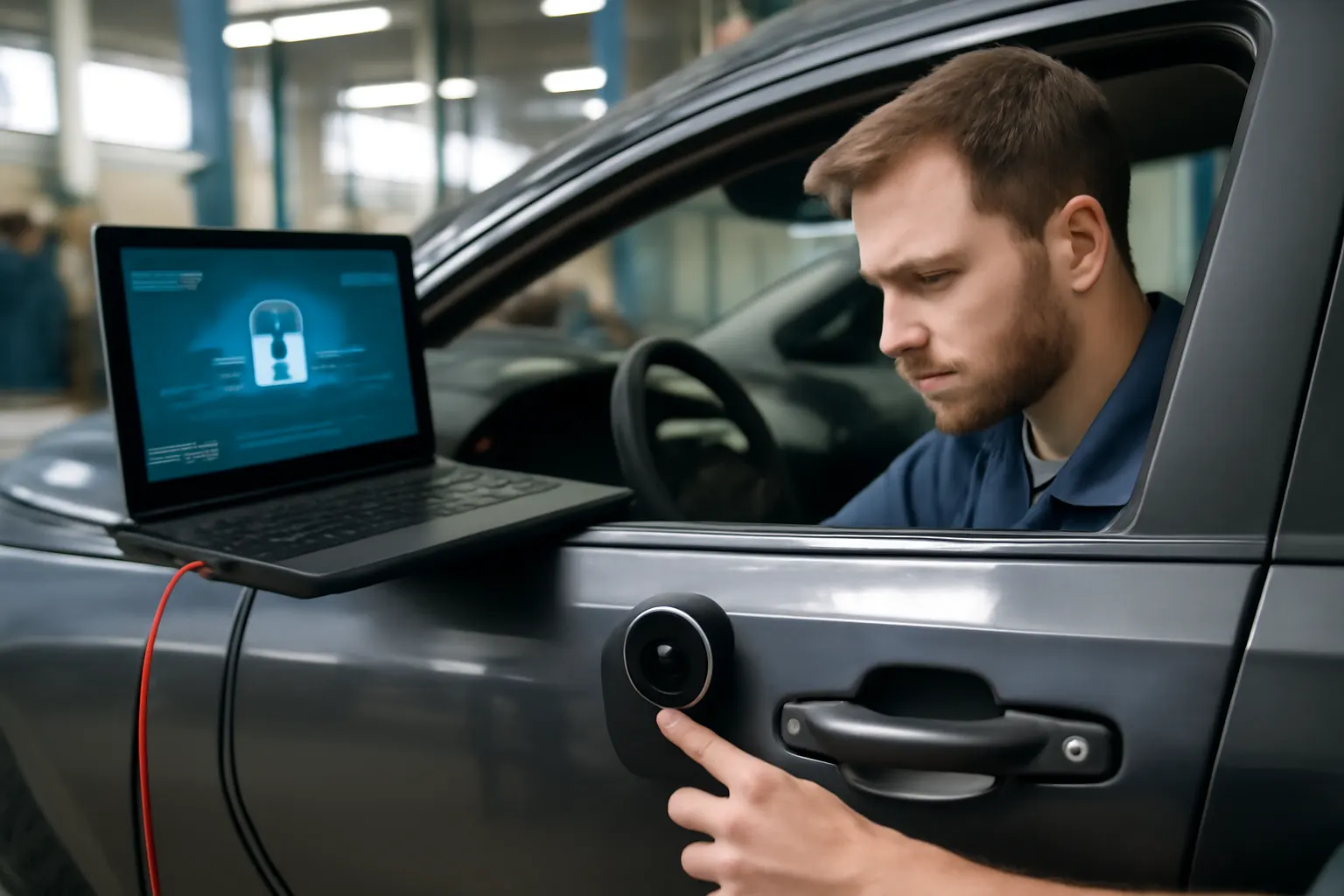
- Biometric Access: Fingerprint sensors or facial recognition cameras authenticate authorized users directly at the vehicle.
Communication Protocols
Smart locks rely on secure communication protocols to prevent interception and replay attacks. Encryption standards are continually updated, but implementation flaws or outdated software can create exploitable gaps.
Biometric Access: Promise and Pitfalls
Biometric authentication is one of the most promising frontiers in automotive security, offering the potential for truly personalized access. However, the technology is not without its challenges:
Advantages
- Personalization: Only registered users can unlock or start the vehicle.
- Non-Transferable: Unlike keys or fobs, biometric data cannot be easily stolen or borrowed.
- Integration: Biometrics can be used for driver profile selection, adjusting seat, mirror, and climate settings automatically.
Challenges
- Spoofing Risks: High-resolution photos, 3D-printed fingerprints, or even deepfake videos can potentially fool some biometric systems.
- Data Security: Biometric data, if stolen, cannot be “reset” like a password. Secure storage and transmission are paramount.
- Reliability: Environmental factors (wet fingers, poor lighting) can reduce the accuracy and reliability of sensors.
Current State
While a handful of luxury vehicles offer biometric access, widespread adoption is still limited by cost, sensor reliability, and data privacy regulations. Manufacturers are investing heavily in improving sensor accuracy and encryption protocols.
Diagnosing and Troubleshooting Smart Lock Systems
When smart locks malfunction, the symptoms can range from simple inconvenience to complete vehicle immobilization. Diagnosing these issues requires a systematic approach:
Common Symptoms
- Intermittent Lock/Unlock Failures: Often due to low battery in the key fob, RF interference, or sensor misalignment.
- Complete Lockout: May result from dead batteries, ECU faults, or software glitches.
- False Alarms or Random Unlocking: Usually traceable to faulty sensors, software bugs, or nearby RF interference.
Diagnostic Process
- Check Key Fob Battery: Replace with a fresh battery and retest.
- Scan for Fault Codes: Use a professional scan tool to check for stored DTCs (Diagnostic Trouble Codes) in the body control module.
- Inspect Sensors and Wiring: Look for physical damage, corrosion, or loose connections.
- Test Mechanical Backup: Ensure the emergency key or manual override functions correctly.
- Update Firmware: Check for manufacturer software updates that address known issues.
For more detailed diagnostic procedures, see our guide on Diagnosing Door Lock Actuator Failures.
Installation and Sourcing: What to Know Before Upgrading or Replacing
Upgrading to a smart lock system or replacing a failed component involves several considerations:
Compatibility
- Vehicle Platform: Not all vehicles support aftermarket smart lock upgrades. Integration with the existing CAN bus and ECUs is critical.
- OEM vs. Aftermarket: OEM systems offer better integration and support, while aftermarket kits may provide additional features but require more complex installation.
Installation Checklist
| Step | Details |
|---|---|
| Verify Compatibility | Check vehicle year, make, and model for supported systems. |
| Gather Tools | Specialized scan tool, trim removal tools, multimeter, and wiring diagrams. |
| Backup Data | Save any existing user profiles or settings before replacement. |
| Disconnect Battery | Prevent accidental airbag deployment or ECU damage. |
| Install Hardware | Mount sensors, ECUs, and actuators per manufacturer instructions. |
| Wire Connections | Ensure secure, insulated connections; avoid splicing into critical circuits. |
| Program System | Use scan tool or manufacturer software to pair new components and update firmware. |
| Test Functionality | Verify all features: lock/unlock, alarm, mechanical override, and mobile integration. |
Sourcing Tips
- Purchase from Authorized Dealers: Ensures compatibility and access to technical support.
- Check for Recalls: Use the NHTSA recall database to verify that no outstanding issues exist for your system.
- Review Standards Compliance: Look for systems that adhere to SAE standards and NHTSA safety guidelines.
Maintenance Requirements for Smart Lock Systems
Smart locks require regular attention to ensure reliable operation and security:
Routine Maintenance Tasks
- Replace Key Fob Batteries: Annually or as soon as range decreases.
- Software Updates: Regularly update vehicle firmware and mobile apps to patch vulnerabilities.
- Inspect Sensors: Clean biometric readers and proximity sensors to maintain accuracy.
- Check Mechanical Backup: Lubricate and test manual keys or emergency releases.
Preventative Measures
- Store Key Fobs Securely: Use signal-blocking pouches to prevent relay attacks.
- Monitor for Recalls or Service Bulletins: Stay informed about manufacturer updates or known issues.
Advertisement
Buying Guidance: Selecting the Right Smart Lock System
Choosing a smart lock system—whether as a factory option or aftermarket upgrade—requires balancing features, security, and compatibility.
Key Factors to Consider
- Security Features: Look for systems with multi-factor authentication, encrypted communication, and mechanical backups.
- User Interface: Evaluate the ease of use for all authorized drivers, including options for biometric, fob, and mobile access.
- Integration: Ensure seamless operation with existing vehicle systems (alarm, infotainment, climate control).
- Support and Warranty: Prefer solutions with robust technical support and clear warranty terms.
- Regulatory Compliance: Confirm adherence to NHTSA equipment standards and applicable data privacy laws.
Questions to Ask Before Purchase
- Does the system support all intended users (family, fleet drivers)?
- Is installation reversible if issues arise?
- What is the manufacturer’s track record for software updates and security patches?
The Role of Standards and Regulations in Shaping Smart Lock Development
As smart locks become standard equipment, regulatory oversight and engineering standards play a critical role in ensuring safety and interoperability.
Regulatory Landscape
- The National Highway Traffic Safety Administration (NHTSA) sets minimum safety requirements for vehicle locking systems.
- Data privacy regulations (such as GDPR or CCPA in the US) govern the collection and use of biometric and personal data.
Engineering Standards
- SAE International develops technical standards for electronic systems, including communication protocols, performance testing, and cybersecurity best practices.
Impact on Consumers and Technicians
- Compliance ensures a baseline of security and reliability.
- Ongoing updates to standards require technicians to pursue continuing education and certification.
Security Threats: Real-World Examples and Lessons Learned
Numerous high-profile incidents have demonstrated the risks associated with smart lock systems:
- Relay Attacks in Urban Areas: Thieves using inexpensive relay amplifiers have stolen vehicles by extending the signal from key fobs inside homes.
- Mobile App Vulnerabilities: Researchers have demonstrated how poorly secured mobile apps can be exploited to unlock and start vehicles remotely.
- Biometric Data Breaches: In rare cases, biometric data stored insecurely on vehicle ECUs has been extracted and used for unauthorized access.
Advertisement
Lessons for Owners
- Always use the latest software and firmware.
- Store key fobs away from doors and windows.
- Use additional security measures (steering wheel locks, immobilizers) as backups.
The Future: Where Is Automotive Smart Lock Technology Headed?
The next decade will bring dramatic changes to automotive security, driven by continued innovation in smart lock technology:
Emerging Trends
- Multi-Modal Authentication: Combining biometrics, mobile devices, and PIN codes for layered security.
- Cloud-Based Access Control: Fleet managers and car-sharing services will grant and revoke access remotely.
- Integration with Autonomous Vehicles: As vehicles become more autonomous, secure access and user authentication will be critical for safe operation.
- Sustainable Materials and Energy Efficiency: New lock actuators and ECUs are being designed with lightweight, energy-efficient materials, in line with trends in materials technologies and fuel efficiency.
Challenges Ahead
- Keeping up with rapidly evolving cyber threats.
- Ensuring accessibility for all users, including those less comfortable with digital technology.
- Balancing convenience, cost, and security in mass-market vehicles.
Practical Checklist: Smart Lock System Owner’s Routine
Here’s a quick-reference checklist to help vehicle owners maintain their smart lock systems:
| Task | Frequency | Details |
|---|---|---|
| Replace key fob battery | Annually | Use OEM-specified battery type. |
| Update vehicle and app software | As available | Check manufacturer’s website or dealer for updates. |
| Clean biometric sensors | Monthly | Use a soft, lint-free cloth; avoid harsh chemicals. |
| Test mechanical backup key | Quarterly | Ensure emergency access functions correctly. |
| Inspect for recalls or service bulletins | Every 6 months | Use NHTSA database or manufacturer site for updates. |
| Store key fob securely | Always | Use a Faraday pouch to block RF signals when not in use. |
AutoPartEx: Your Trusted Source for Automotive Security Solutions
As smart lock technology evolves, staying informed and proactive is essential for both car owners and service professionals. AutoPartEx is committed to providing up-to-date technical guidance, OEM and aftermarket parts, and expert resources to help you navigate the complexities of modern vehicle security. Whether you’re troubleshooting a malfunction, upgrading to the latest smart lock system, or seeking replacement components for your specific vehicle brand, our platform connects you with the information and products you need.
For a deeper dive into how keyless entry has transformed vehicle security, check out How Keyless Entry Systems Have Changed Vehicle Security, or explore our category hub for the latest in Comprehensive Guide to Automotive Locks: Security, Technology, and Maintenance.
References
- Vehicle Safety and Equipment - National Highway Traffic Safety Administration
- SAE Standards - SAE International
- Materials Technologies - United States Department of Energy
- Fuel Efficiency - United States Department of Energy
- Vehicle, Car Seat, Tire, and Equipment Recalls - National Highway Traffic Safety Administration
Advertisement