
Chevy Radiator Core Support
Chevy Radiator Core Support: Selection and Service Guide
Many Chevy owners overlook the importance of a properly functioning radiator core support until cooling or alignment issues arise. This guide highlights key considerations, from recognizing subtle symptoms to comparing replacement options and understanding evidence-based repair steps. Whether you’re restoring an older Chevy or maintaining a daily driver, knowing what to look for in a radiator core support can save time, money, and hassle. Read on to make informed decisions for your vehicle’s cooling system and structural integrity.
Advertisement
Showing 1–8 of 14 Chevy radiator core support parts


Advertisement
More Chevy Radiator Core Support options
Filtering for Chevy • Radiator Core SupportScan nearby Chevy radiator core support inventory without leaving this page.
No Data Available
Please check back soon when more inventory is available for this part.
Advertisement
Why the Radiator Core Support Deserves a Closer Look
When maintaining a Chevy, most drivers focus on visible components like the radiator, hoses, or fans, often overlooking the radiator core support. Yet, this structural part quietly plays a crucial role in both the cooling system and the vehicle’s front-end alignment. Its job is not only to hold the radiator in place but also to provide mounting points for headlights, fenders, and sometimes even the hood latch. A compromised core support can lead to a domino effect of issues, impacting cooling efficiency and overall vehicle stability.
Many owners don’t realize that subtle symptoms—such as misaligned body panels, unexplained coolant leaks, or even persistent vibration—can trace back to a weakened or corroded radiator core support. Unlike more obvious failures, these problems may develop gradually, making them easy to miss during routine checks. This oversight can result in more extensive repairs down the line, especially if the support’s integrity is compromised by rust or collision damage.
Another overlooked aspect is the complexity of replacing or repairing a radiator core support. Unlike a simple bolt-on component, this part often requires careful alignment and, in some cases, welding or specialized tools. The choice between new, remanufactured, or salvage parts adds further complexity. Understanding these nuances is essential for anyone considering a repair or replacement, whether for restoration or routine maintenance.

Understanding Radiator Core Support Issues in Chevy Vehicles
Radiator core supports in Chevy vehicles are subject to unique stresses due to their dual role as both structural and cooling system components. Over time, exposure to road debris, moisture, and temperature fluctuations can lead to corrosion, especially in regions where road salt is used. Even minor front-end collisions can bend or crack the support, compromising its ability to hold the radiator and related parts securely. These issues may not be immediately apparent, but they can set the stage for more serious problems if left unaddressed.
A misaligned or damaged radiator core support can cause the radiator itself to shift, leading to coolant leaks or hose disconnections. This misalignment may also affect the fitment of headlights, grille, and fenders, resulting in uneven gaps or rattling noises while driving. In some cases, the hood latch may no longer close properly, posing a safety risk. Such symptoms are often mistaken for isolated component failures, delaying proper diagnosis and repair.
Chevy owners may also encounter challenges when sourcing replacement radiator core supports. The wide variety of Chevy models, years, and trim levels means that not all supports are interchangeable. Even small differences in mounting points or dimensions can affect fitment. Relying solely on visual inspection or part numbers without cross-referencing manufacturer data can lead to incompatible purchases, wasted time, and additional labor costs.
The importance of verifying part compatibility is highlighted by the general advice from the National Highway Traffic Safety Administration (NHTSA), which recommends using a vehicle’s VIN to check for recall or fitment information. While this process is designed to help owners identify safety-related defects, it also underscores the need for precise identification when replacing structural components like the radiator core support. Failure to do so can result in improper repairs or unresolved safety issues.
Another challenge is distinguishing between cosmetic and structural damage. Surface rust or minor dents may seem harmless, but hidden cracks or bends can compromise the support’s load-bearing capacity. Chevy vehicles subjected to previous repairs or aftermarket modifications may have non-original supports, further complicating assessment. A thorough inspection—preferably by a technician familiar with Chevy models—is essential to determine whether repair or replacement is warranted.
Finally, the decision to use new, remanufactured, or salvage parts adds another layer of complexity. Each option has distinct advantages and drawbacks in terms of cost, availability, and reliability. Salvage parts, for example, may offer a cost-effective solution but could carry hidden damage or wear. Understanding these trade-offs is crucial for making an informed decision that balances budget and long-term vehicle integrity.
Practical Steps for Diagnosing and Replacing Chevy Radiator Core Supports
Begin by conducting a thorough visual inspection of the radiator core support. Look for signs of corrosion, especially around mounting points and welds. Check for cracks, bends, or missing fasteners that could indicate previous impact or structural fatigue. Pay close attention to the alignment of adjacent components—such as the radiator, headlights, and hood latch—as misalignment often signals underlying support issues. Use a flashlight and mirror to inspect hard-to-see areas, and consider removing the radiator shroud for better access.
If you suspect damage but are unsure of the extent, seek a second opinion from a qualified technician. According to the Federal Trade Commission (FTC), it’s wise to ask whether the shop has experience with your specific Chevy model and to obtain a written repair estimate detailing the condition, required parts, and anticipated labor charges. This step helps ensure transparency and allows for meaningful comparison between shops or repair options FTC: Auto Repair Basics.
When selecting a replacement radiator core support, verify compatibility using your vehicle’s VIN. The NHTSA recommends VIN-based searches to confirm recall status and part fitment, which is especially important given the diversity of Chevy models and production changes over the years NHTSA: Vehicle Recalls. Avoid relying solely on visual similarity or generic part listings, as even small discrepancies can affect installation and performance.
Consider the type of replacement part that best suits your needs. New supports generally offer the highest reliability and are less likely to have hidden defects, but may come at a premium price. Remanufactured or rebuilt supports can provide a balance between cost and quality, provided they come from reputable sources. Salvage parts, while cost-effective, should be inspected thoroughly for rust, bends, or previous repairs. The FTC advises understanding the difference between new, remanufactured, and salvage parts, and to get all terms in writing FTC: Auto Repair Basics.
Before installation, compare the replacement support to the original, checking all mounting points, dimensions, and attachment hardware. Dry-fit the part if possible to confirm alignment with the radiator, fenders, and other components. If welding or specialized tools are required, ensure the technician has the necessary skills and equipment. Document the process with photographs and a completed repair order detailing all work performed, as recommended by the FTC.
After installation, inspect the alignment of the radiator, headlights, and hood latch. Test for any unusual vibrations or noises during a short drive. Check for coolant leaks and verify that all fasteners are torqued to the manufacturer’s specifications. If any issues arise, address them promptly to prevent further damage.
Maintain a record of the repair, including part numbers, source, and any warranties or guarantees provided by the seller or installer. This documentation can be invaluable for future maintenance or resale. The FTC emphasizes the importance of understanding warranty coverage and having it in writing, as there is no standard warranty on repairs FTC: Auto Repair Basics.
Finally, schedule periodic inspections of the radiator core support, especially after any front-end impact or exposure to harsh conditions. Early detection of corrosion or misalignment can prevent costly repairs and ensure the continued reliability of your Chevy’s cooling system and front-end structure. Regular checks also help maintain the value and safety of your vehicle over time.
What the Evidence Shows About Chevy Radiator Core Support Service
The National Highway Traffic Safety Administration (NHTSA) provides a comprehensive process for identifying safety-related defects and recalls, emphasizing the importance of using a vehicle’s VIN to check for open recalls or fitment issues. While the NHTSA database does not specifically document a widespread defect with Chevy radiator core supports, it does highlight the need for precise part identification when replacing structural components. This process ensures that owners are aware of any manufacturer-issued remedies or safety advisories relevant to their specific vehicle NHTSA: Vehicle Recalls.
NHTSA’s guidance also clarifies that recall searches by year, make, and model yield general results, while VIN-based searches provide information specific to an individual vehicle. This distinction is critical for Chevy owners, as it prevents the assumption that a recall or fitment issue applies universally to all vehicles of a given model year. Instead, it encourages owners to verify compatibility and recall status for their exact vehicle, reducing the risk of improper repairs or unresolved safety concerns NHTSA: Vehicle Recalls.
The Federal Trade Commission (FTC) offers general consumer advice on auto repairs, recommending that owners obtain written estimates, compare shop recommendations with manufacturer schedules, and ask about technician experience with the specific make or model. The FTC also distinguishes between new, remanufactured, and salvage parts, advising consumers to understand the differences and get all terms in writing. This guidance is particularly relevant when selecting a radiator core support, as the choice of part type can impact cost, reliability, and long-term performance FTC: Auto Repair Basics.
Importantly, the FTC does not provide technical specifications or endorse any particular brand or supplier. Its recommendations focus on transparency, documentation, and informed decision-making. For Chevy radiator core supports, this means that buyers should rely on manufacturer data, VIN verification, and detailed repair orders rather than generic assurances or visual inspection alone. This approach minimizes the risk of purchasing incompatible or substandard parts FTC: Auto Repair Basics.
Neither the NHTSA nor the FTC establishes a specific failure pattern, repair interval, or cost estimate for Chevy radiator core supports. Instead, their published advice supports a process of careful inspection, documentation, and verification. This evidence-based approach is designed to help owners avoid common pitfalls, such as misdiagnosis, improper part selection, or inadequate repairs. It also underscores the importance of working with qualified technicians and reputable suppliers.
While there are no documented cases in the supplied sources detailing a completed Chevy radiator core support repair, the guidance from both NHTSA and FTC provides a framework for gathering and evaluating evidence. For example, if a shop recommends replacing the core support, owners should request a written estimate, compare it with manufacturer maintenance schedules, and ask for before-and-after photographs. This process not only ensures accountability but also builds a record that can be referenced in the event of future issues or disputes.
In summary, the available evidence supports a methodical, documentation-driven approach to diagnosing and replacing Chevy radiator core supports. By leveraging VIN-based recall checks, obtaining detailed repair orders, and understanding the differences between part types, owners can make informed decisions that protect both their vehicle’s performance and their financial investment. While the evidence does not point to a universal defect or recall, it provides clear guidance for navigating the complexities of this essential repair.
Take the Next Step Toward Reliable Chevy Cooling Performance
If you suspect an issue with your Chevy’s radiator core support, start by gathering your vehicle’s VIN and conducting a recall and compatibility check through official channels. Document any symptoms or damage with photographs, and seek a written estimate from a technician experienced with Chevy models. Compare your options for new, remanufactured, or salvage parts, and ensure all terms are in writing before proceeding. For more information about available parts and guidance, explore our dedicated Chevy Radiator Core Support category or consult with a trusted repair professional.
References
- NHTSA: Vehicle Recalls
- FTC: Auto Repair Basics
References
- NHTSA: Vehicle Recalls - NHTSA, accessed 2026-11-01
- FTC: Auto Repair Basics - FTC, accessed 2026-11-01
Related Guides & Articles

How to Spot Counterfeit Chevy Parts
Counterfeit Chevy parts can jeopardize your vehicle's safety, reliability, and performance. Whether you're shopping for a replacement alternator, brake pads, or sensors, identifying fakes before you buy is crucial. This guide delivers immediate visual clues, packaging tips, and real-world examples to help you confidently distinguish genuine from counterfeit Chevy components—protecting both your investment and your safety.
Read More
Chevy Service Intervals Explained
Build a Chevrolet maintenance plan from the correct owner’s manual, service history and dashboard messages. Learn how oil-life reminders differ from oil-pressure warnings, how mileage and elapsed time affect a service decision, and why gasoline and electric vehicles need different schedules. Use the checklist to discuss a clear, itemized plan with your repairer.
View Guide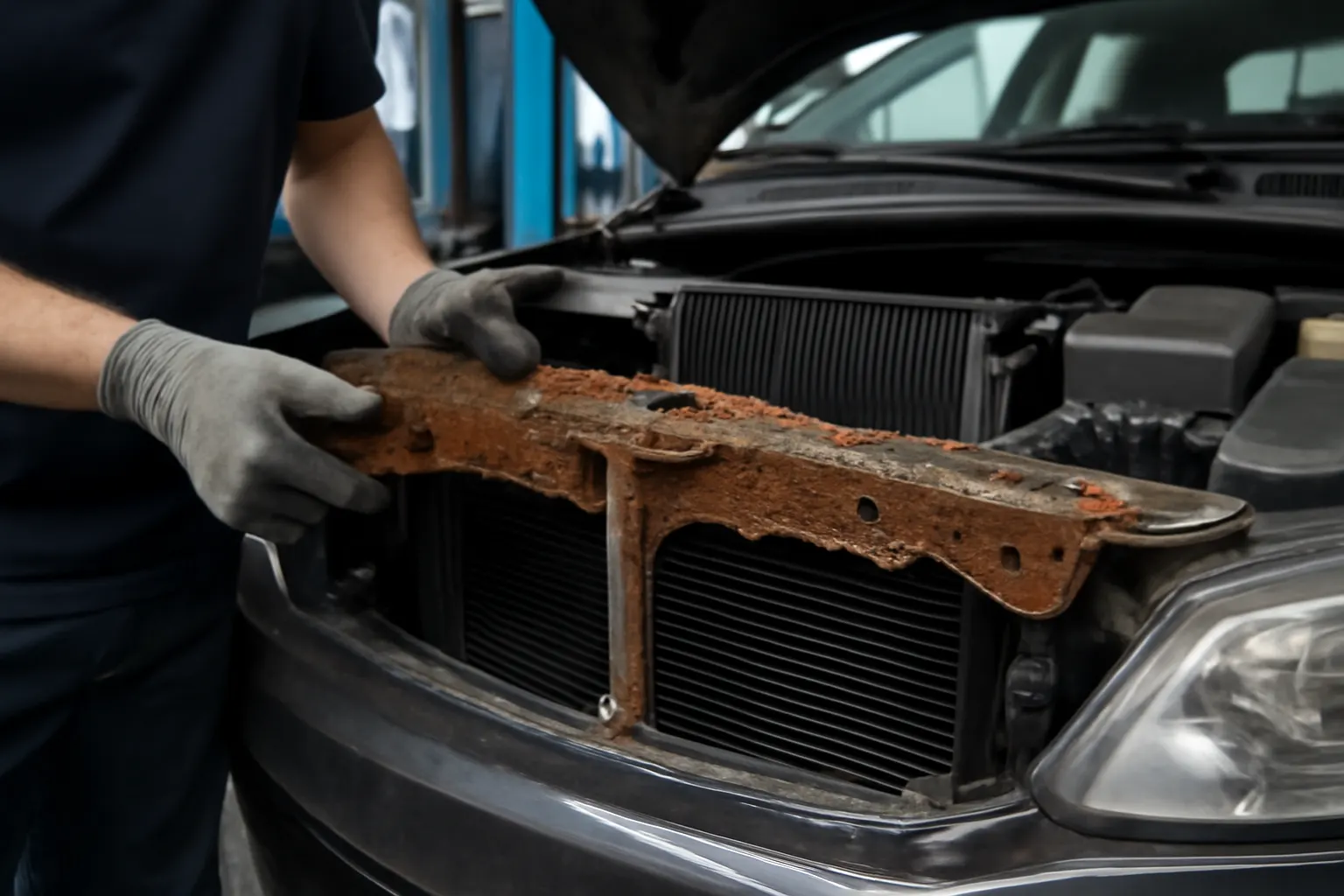
The Hidden Dangers of Rusted Core Supports
When it comes to vehicle safety and longevity, few components are as crucial yet as often overlooked as the radiator core support. This structural backbone ensures the alignment and stability of your front-end cooling system, but when corrosion takes hold, the consequences can be severe. Rusted core supports jeopardize not only your vehicle's cooling efficiency but also its structural integrity and, ultimately, your safety on the road.
Read More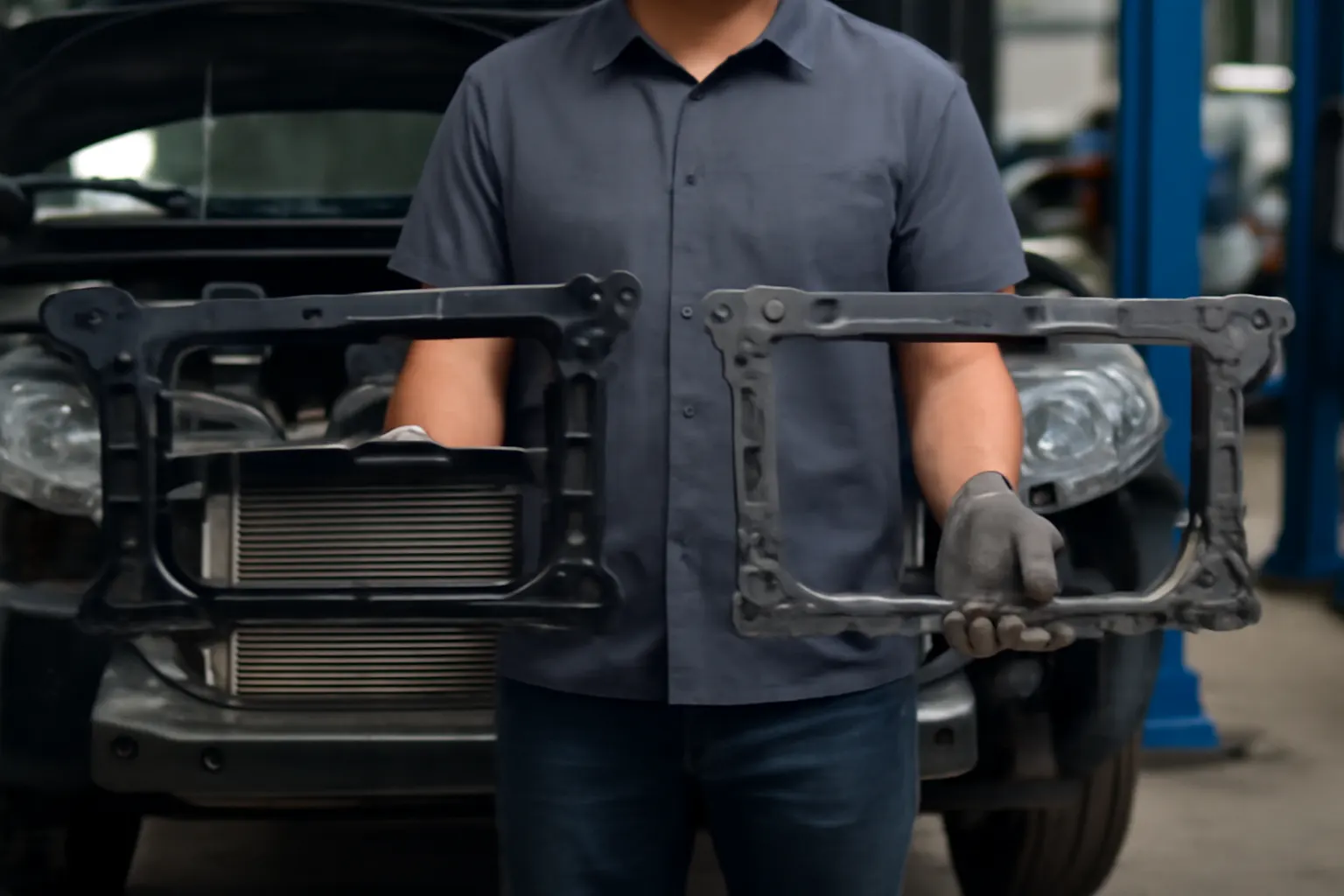
OEM vs. Aftermarket Radiator Core Supports: What Matters Most?
When your vehicle’s front end sustains damage or corrosion, few parts are as critical to address as the radiator core support. As the structural backbone for your cooling system, this component directly affects radiator and condenser alignment, crash safety, and even long-term fuel efficiency. The choice between OEM (Original Equipment Manufacturer) and aftermarket radiator core supports is more than a matter of price—it’s a decision that impacts fitment, material quality, and the durability of your entire front-end assembly.
Read More