Advertisement
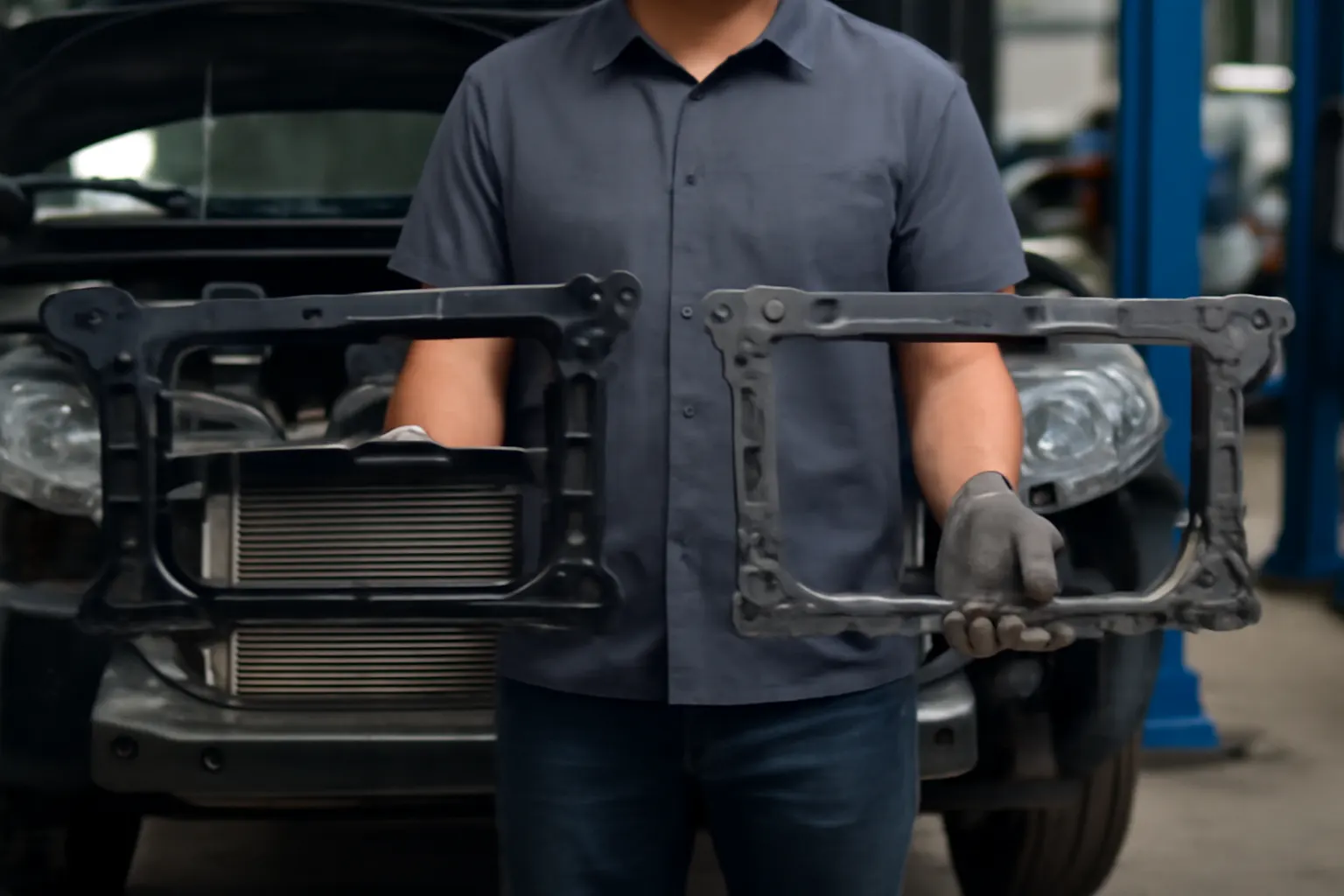
When it comes to vehicle safety and longevity, few components are as crucial yet as often overlooked as the radiator core support. This structural backbone ensures the alignment and stability of your front-end cooling system, but when corrosion takes hold, the consequences can be severe. Rusted core supports jeopardize not only your vehicle's cooling efficiency but also its structural integrity and, ultimately, your safety on the road. In this comprehensive guide, we’ll break down why a rusted core support is more than a cosmetic nuisance, how to spot early warning signs, and the steps you should take to prevent costly repairs—or worse, catastrophic failure.
If you're looking for a deep dive into the vital role of the core support, start with our foundational overview: Radiator Core Support: The Backbone of Front-End Cooling and Structural Integrity.
Why Should You Worry About Rusted Core Supports?
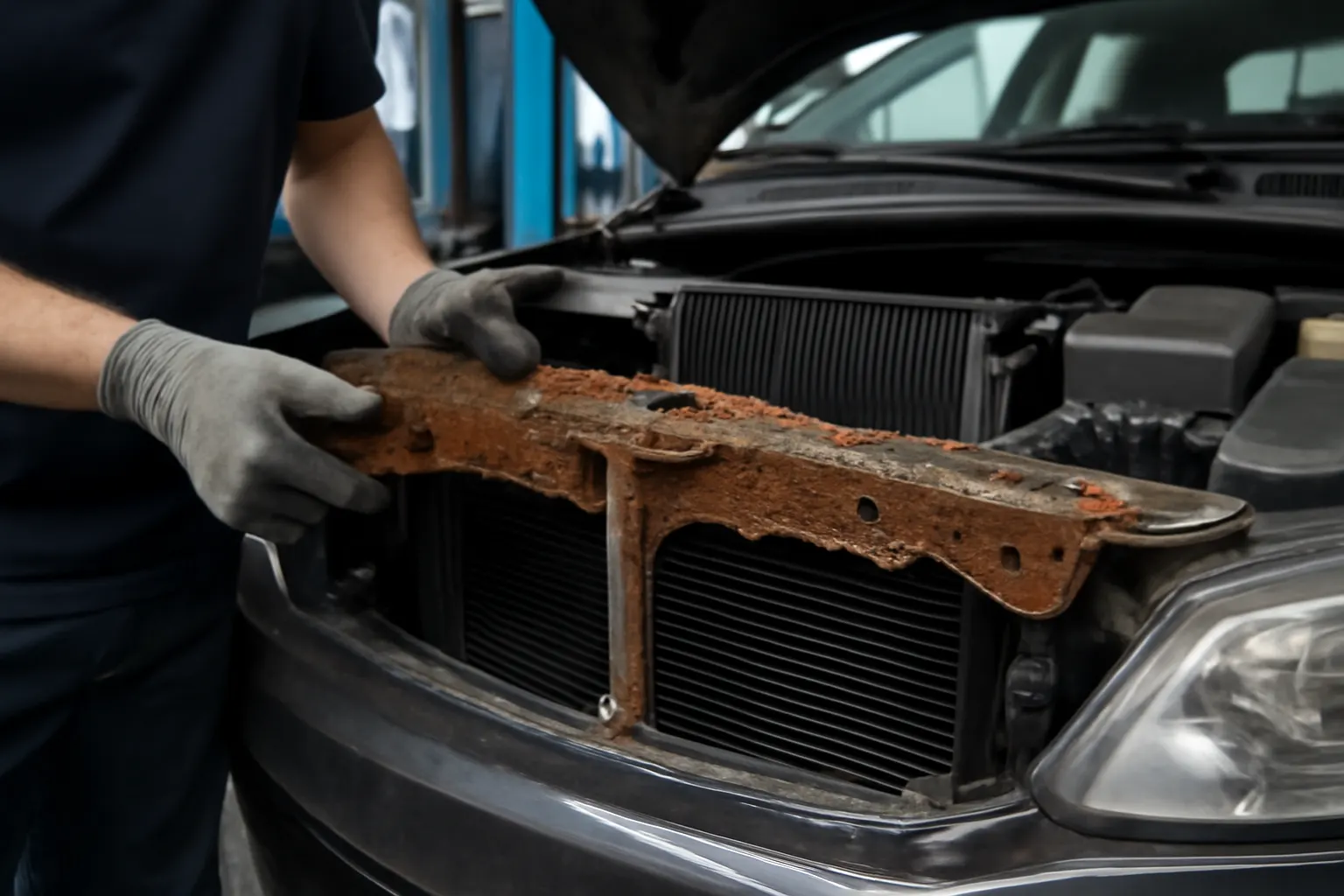
A rusted radiator core support is a hidden hazard that can lead to a domino effect of mechanical and safety issues. At first glance, a bit of surface rust may seem harmless. However, as corrosion progresses, it can undermine the structural strength of the support, resulting in misaligned radiators, compromised crash safety, and even failure of critical front-end components. Ignoring this issue means risking not just your wallet, but the safety of everyone in your vehicle.
The Hidden Problem: How Corrosion Starts and Spreads
Most vehicle owners rarely inspect their radiator core support, tucked away behind grilles, bumpers, and radiators. Yet, this area is highly susceptible to moisture, road salt, and debris—prime conditions for rust to develop. Once corrosion sets in, it can spread rapidly, especially in regions with harsh winters or near the ocean where salt exposure is high. Many drivers only become aware of the problem when symptoms like loose radiators or unexplained front-end vibrations appear, by which time significant damage may have occurred.
Expanding the Problem: Technical and Safety Implications
Structural Weakness and Crash Safety
The radiator core support is a load-bearing component, anchoring not only the radiator but also the condenser, headlights, and sometimes even the hood latch. Severe rust can lead to:
- Loss of Structural Rigidity: The core support helps maintain the front-end geometry of the vehicle. When it weakens, the alignment of critical components—like the radiator and condenser—can shift, leading to leaks, overheating, and even engine damage.
- Compromised Crash Performance: According to the National Highway Traffic Safety Administration, compromised structural components can reduce a vehicle’s crashworthiness. In an accident, a rusted core support may fail to absorb impact as designed, increasing the risk of injury.
Cooling System Inefficiencies
Misalignment caused by corrosion can result in:
- Radiator and Condenser Damage: A shifting or sagging core support can place undue stress on the radiator and condenser, causing cracks, leaks, or inefficient cooling.
- Reduced Airflow: Core supports are engineered to direct airflow through the radiator and condenser. Rust-induced warping or holes can disrupt this airflow, resulting in higher operating temperatures and potential engine overheating.
Additional Front-End Failures
- Headlight and Grille Misalignment: Many headlights and grilles are mounted directly to the core support. Rust can cause these components to become loose or misaligned, affecting visibility and aesthetics.
- Mounting Point Failure: In severe cases, mounting points for the radiator, condenser, or even the bumper can break away entirely, leading to catastrophic component failure while driving.
Early Warning Signs: How to Diagnose a Rusted Core Support
Catching corrosion early is critical. Here’s a checklist to help you spot the warning signs before they become serious problems:
Rusted Core Support Diagnostic Checklist
| Symptom | What to Look For | Action Needed |
|---|---|---|
| Visible Rust/Flaking | Inspect the area behind the grille and under the hood for brown, flaky patches on the core support. | Clean and treat immediately. |
| Unusual Front-End Noises | Listen for rattling, clunking, or squeaking from the front end, especially over bumps. | Inspect mountings and brackets. |
| Radiator or Condenser Misalignment | Check if the radiator or condenser appears tilted or loose. | Confirm core support integrity. |
| Headlight/Grille Movement | Gently push headlights and grille; excessive movement may indicate rusted mounts. | Inspect and tighten/replace fasteners. |
| Coolant Leaks or Overheating | Monitor for unexplained coolant loss or engine running hotter than normal. | Inspect for stress cracks or leaks. |
| Bumper Sagging | Look for uneven gaps or sagging in the bumper area. | Inspect lower core support area. |
| Paint Bubbling | Check for bubbling paint near the core support area, a sign of rust beneath. | Sand and treat affected area. |
Advertisement
If you notice any of these symptoms, a thorough inspection of the core support should be your next step.
The Science of Rust: Why Core Supports Are Vulnerable
Radiator core supports are typically made from stamped steel for strength and cost efficiency, though some modern vehicles use aluminum or composite materials. Steel, when exposed to water and oxygen, forms iron oxide—rust—which expands and weakens the metal. Factors accelerating corrosion include:
- Road Salt: Used in winter, it speeds up the electrochemical reaction that causes rust.
- Trapped Moisture: Debris and mud can hold moisture against the metal, especially in hidden crevices.
- Paint Chips and Scratches: Damage to protective coatings exposes bare metal, inviting rust.
Aluminum and composite core supports are less prone to rust but can still corrode or degrade, especially if dissimilar metals are in contact (galvanic corrosion) or if subjected to repeated impacts.
The Domino Effect: What Happens When You Ignore Rust
Ignoring a rusted core support can turn a minor repair into a major expense. Here’s how one problem leads to another:
- Early Corrosion: Minor surface rust develops, often unnoticed.
- Compromised Mounts: Rust spreads to mounting points, causing radiator, condenser, or headlight brackets to loosen.
- Component Damage: Vibration and misalignment cause cracks in the radiator or condenser, leading to leaks and overheating.
- Structural Failure: The core support loses its load-bearing ability, risking collapse of the front-end assembly.
- Safety Risk: In a collision, the weakened structure fails to protect occupants as designed.
The longer you wait, the more extensive (and expensive) the repairs become, often requiring not only a new core support but also replacement of damaged radiators, condensers, and other front-end components.
Preventing Rust: Maintenance and Protective Measures
Proactive maintenance is the best defense against rust. Here’s what you can do:
Core Support Rust Prevention Checklist
- Regular Inspections: Check the radiator core support area at every oil change or at least twice a year.
- Clean Thoroughly: Remove debris, mud, and leaves from the core support and surrounding areas.
- Touch Up Paint: Immediately repair any chips or scratches in the paint or coating.
- Apply Rust Inhibitor: Use a high-quality rust converter or inhibitor on vulnerable areas.
- Wash Undercarriage: Especially after driving on salted roads, thoroughly wash the vehicle’s undercarriage.
- Check Drainage: Ensure that drain holes in the core support and adjacent panels are clear to prevent moisture buildup.
By following these steps, you can significantly extend the life of your core support and avoid costly repairs.
Replacement vs. Repair: Making the Right Call
Once rust has set in, you’ll need to decide whether to repair or replace the core support. Here’s what to consider:
When to Repair
- Surface Rust Only: If rust is limited to the surface and hasn’t penetrated through the metal, sanding, priming, and repainting may suffice.
- Minor Mounting Damage: Small areas near mounting points can sometimes be welded or patched if the rest of the support is sound.
When to Replace
- Structural Compromise: If there are holes, flaking, or extensive rust, replacement is the only safe option.
- Mounting Point Failure: If critical mounts for the radiator, condenser, or bumper are affected, a new core support is necessary.
- Repeated Repairs: If you’ve already repaired the area before, ongoing corrosion may indicate it’s time for full replacement.
Replacement is a significant job, often requiring removal of the radiator, condenser, headlights, and sometimes the front bumper. It’s a task best left to professionals or skilled DIYers with the right tools and a service manual.
Selecting the Right Replacement Core Support
Choosing the correct core support is vital for fit, safety, and longevity. Consider these factors:
Advertisement
- OEM vs. Aftermarket: OEM parts ensure perfect fit and material quality, while aftermarket options can be more affordable but vary in quality. For a detailed comparison, see OEM vs. Aftermarket Radiator Core Supports: What Matters Most?.
- Material: Steel is strong but prone to rust; aluminum and composites are lighter and more corrosion-resistant but may be less robust in some designs.
- Compatibility: Match the core support to your exact make, model, and year. Even small differences can affect alignment and mounting.
- Coating: Look for parts with high-quality protective coatings or galvanization to resist future corrosion.
Installation Tips: Ensuring a Secure, Long-Lasting Fit
Proper installation is crucial for safety and performance. Here are expert tips:
- Pre-Fit Components: Before final assembly, loosely install the radiator, condenser, and headlights to check alignment.
- Torque Fasteners Correctly: Over- or under-tightening can lead to premature failure or misalignment.
- Replace Damaged Hardware: Use new bolts, clips, and bushings as needed.
- Seal Joints: Apply seam sealer or anti-corrosion compound at joints and welds.
- Check Alignment: Ensure the core support is square to the chassis to prevent stress on cooling system components.
- Test All Systems: After installation, run the engine to check for leaks, proper cooling, and secure mounting.
For more on correct alignment and installation techniques, refer to our guide: Radiator and Condenser Alignment Best Practices.
How Rusted Core Supports Affect Other Front-End Systems
A compromised core support doesn’t just threaten the radiator. Its impact can cascade through the entire front-end assembly:
- Air Intake Systems: Misalignment may interfere with the Air Box/Air Cleaner, leading to poor engine performance or increased dirt ingestion.
- AC Components: The AC Condenser, AC Compressor, and AC Compressor Bracket often mount to the core support. Rust can cause leaks, vibration, or bracket failure, reducing cooling performance.
- Electrical and Lighting: Headlights, wiring harnesses, and sensors mounted to the core support may become loose or damaged, resulting in electrical faults or poor lighting.
- Bumper and Grille: These components rely on a solid foundation for both aesthetics and crash protection.
Fuel Efficiency and Performance Implications
While structural and safety concerns are paramount, a rusted core support can also impact fuel efficiency. Poor alignment of the radiator and condenser disrupts airflow, making the engine work harder to maintain optimal temperatures. According to the U.S. Department of Energy, inefficient cooling systems can reduce overall vehicle efficiency and increase fuel consumption. Maintaining a healthy core support helps ensure your vehicle operates at peak performance and economy.
When to Seek Professional Help
While some inspection and minor rust treatment can be handled by experienced DIYers, certain situations call for professional intervention:
- Extensive Rust or Structural Damage: If you find holes, severe flaking, or broken mounts, consult a qualified body shop.
- Alignment Issues: If the radiator, condenser, or headlights cannot be properly aligned, professional tools and expertise are required.
- Uncertain Diagnosis: If you suspect hidden rust but can’t access all areas, a professional inspection is warranted.
A reputable repair facility will have the equipment and know-how to restore your vehicle’s safety and integrity.
The AutoPartEx Advantage: Sourcing Quality Core Supports
At AutoPartEx, we understand the critical role of the radiator core support in your vehicle’s safety and performance. Our catalog features a wide range of OEM and high-quality aftermarket core supports, all engineered to meet or exceed industry standards. We provide detailed fitment guides, expert support, and fast shipping to ensure you get exactly what you need—when you need it.
Whether you drive an Acura, AMC, or any other make, our team can help you find the right part for your application. Don’t risk your safety or wallet on inferior replacements—trust AutoPartEx for the right solution, every time.
Take Action: Protect Your Vehicle Today
Don’t let a hidden rust problem turn into a major repair—or a safety hazard. Regularly inspect your radiator core support, address any signs of corrosion immediately, and choose quality parts when replacement is needed. For more guidance on diagnosing front-end cooling issues, see our editorial: How to Diagnose Front-End Cooling Issues.
Your vehicle’s core support does more than hold up the radiator—it’s the unsung hero of front-end safety, cooling, and structural integrity. Stay vigilant, stay safe, and let AutoPartEx be your partner in automotive excellence.
References
Advertisement