
Chevy Park Lamp Rear (Side)
Chevy Park Lamp Rear (Side): Selection and Service Guide
Many Chevy owners overlook the rear side park lamp until a subtle issue arises—dimming, flickering, or outright failure. Addressing these concerns early is important for safety and compliance. This guide explores what to watch for, how to diagnose problems, and how to make informed decisions when replacing or servicing your Chevy Park Lamp Rear (Side).
Advertisement
Showing 8 of 32 Chevy park lamp rear (side) parts


Advertisement
More Chevy Park Lamp Rear (Side) options
Filtering for Chevy • Park Lamp Rear (Side)Scan nearby Chevy park lamp rear (side) inventory without leaving this page.
No Data Available
Please check back soon when more inventory is available for this part.
Advertisement
Why Rear Side Park Lamps Deserve Your Attention
It’s easy to take the rear side park lamps on your Chevy for granted—until you notice one isn’t working as expected. These lamps are often overshadowed by more prominent lighting systems like headlights or brake lights, but their role is crucial for visibility and signaling to other drivers. Many owners only become aware of their importance after a warning ticket or a failed inspection, making proactive attention worthwhile.
What many drivers may not realize is that rear side park lamps serve as both safety features and legal requirements. They help define the width and presence of your vehicle, especially in low-light conditions. A malfunctioning park lamp can reduce your Chevy’s visibility to other motorists, increasing the risk of minor accidents or misunderstandings on the road. Ignoring these lamps can mean missing subtle cues that something is amiss with your vehicle’s electrical system.
Another overlooked aspect is how rear side park lamps can serve as an early indicator of broader electrical or wiring issues. A dim or flickering lamp could point to a failing bulb, corroded socket, or even a wiring harness problem. By paying attention to these subtle changes, you can address minor issues before they escalate, saving time and potentially costly repairs down the line.

Understanding Rear Side Park Lamp Issues in Chevy Vehicles
Rear side park lamp problems in Chevy vehicles can manifest in several ways: a lamp may fail to illuminate, flicker intermittently, or appear noticeably dimmer than its counterpart. These symptoms are not just minor annoyances—they can signal underlying electrical or component issues. Recognizing these early warning signs is key to maintaining both safety and compliance with vehicle regulations.
A common misconception is that a failed park lamp is always due to a burned-out bulb. In reality, the issue could stem from a corroded socket, damaged wiring, or even a faulty ground connection. Environmental factors like moisture intrusion or road salt can accelerate corrosion, particularly in regions with harsh winters. Over time, this can compromise the integrity of the lamp assembly and its electrical connections.
Another challenge is that rear side park lamps are sometimes integrated into larger tail lamp assemblies, especially in newer Chevy models. This integration can complicate diagnosis and replacement, as a single malfunctioning component may require more extensive disassembly or even the replacement of the entire unit. Owners may not realize the complexity until they attempt a seemingly simple bulb swap and encounter unexpected obstacles.
Legal compliance is another important consideration. State and federal regulations require all exterior lighting—including park lamps—to be operational. A non-functioning rear side park lamp can result in a failed vehicle inspection or a citation during a routine traffic stop. For Chevy owners who rely on their vehicles for daily transportation, these consequences can be disruptive and costly.
It’s also worth noting that not all replacement parts are created equal. Salvage or aftermarket park lamps may vary in quality, fit, and longevity. Without careful comparison, owners risk installing a part that does not meet original equipment standards or that fails prematurely. Understanding the differences between new, remanufactured, and salvage components is essential for making an informed decision.
Finally, the process of diagnosing and repairing rear side park lamp issues can be daunting for those unfamiliar with automotive electrical systems. Accessing the lamp assembly often requires removing trim panels or working in tight spaces. Without proper tools or guidance, there’s a risk of damaging adjacent components or overlooking a root cause, leading to repeat failures.
Practical Steps for Diagnosing and Replacing Chevy Rear Side Park Lamps
Begin by conducting a thorough visual inspection of your Chevy’s rear side park lamps. Turn on the parking lights and walk around the vehicle to check for illumination consistency. Note any lamps that are dim, flickering, or not functioning at all. Sometimes, gently tapping the lamp can reveal intermittent connections, indicating a loose bulb or corroded socket.
If a lamp is not working, consult your owner’s manual for the correct bulb type and replacement procedure. Many Chevy models require access through the trunk or rear hatch, where you may need to remove a trim panel or cover. Use a non-marring trim tool to avoid scratching interior surfaces. Carefully extract the bulb and examine it for broken filaments or darkened glass, which indicate failure.
Should the bulb appear intact, inspect the socket for signs of corrosion or moisture. Green or white residue on the metal contacts suggests oxidation, which can impede electrical flow. Clean the contacts with electrical contact cleaner and a soft brush. If corrosion is severe, the socket may need replacement. Inspect the wiring for fraying, discoloration, or exposed copper, which could signal a short or ground issue.
For integrated park lamp assemblies, check whether the entire unit must be replaced or if the bulb is serviceable separately. Some Chevy models use sealed lamp units, requiring the replacement of the entire assembly if any component fails. Compare the part number on your existing lamp with catalog listings to ensure compatibility. When in doubt, bring the old part to the seller for a direct comparison.
When sourcing a replacement, consider the differences between new, remanufactured, and salvage parts. New parts typically offer the best fit and longevity, while salvage parts can be a cost-effective alternative if inspected for damage. Remanufactured units may provide a balance between cost and reliability, but always verify the condition and warranty terms before purchase. The FTC: Auto Repair Basics recommends getting a written estimate and understanding the type of part being installed.
After installation, test the lamp to confirm proper operation. Reconnect the battery if it was disconnected for safety, and check for consistent brightness and color with the opposite side. If the issue persists, further diagnosis may be required—such as checking the vehicle’s fuse box or consulting a professional technician with experience in Chevy electrical systems. Document the repair with a completed work order, noting parts used and odometer reading, as advised by the FTC.
For ongoing reliability, periodically inspect all exterior lamps, especially after exposure to heavy rain or car washes. Moisture intrusion is a common cause of electrical issues in park lamps. Address any condensation inside the lens promptly by resealing or replacing the affected assembly. Regular checks can help you catch problems early and avoid more extensive repairs.
If you encounter persistent issues or are unsure about the correct replacement part, consider seeking a second opinion from a qualified repair shop. Ask whether the technician has experience with your specific Chevy model, and compare their recommendations with your owner’s manual and catalog listings. This approach helps ensure that you receive accurate advice and avoid unnecessary or incorrect repairs.
What the Published Evidence Tells Us About Park Lamp Repairs
The FTC: Auto Repair Basics provides foundational guidance for any vehicle repair, including Chevy rear side park lamps. The FTC emphasizes the importance of obtaining a written repair estimate that details the condition to be repaired, the required parts, and anticipated labor charges. This recommendation is particularly relevant when dealing with complex lighting assemblies, where costs can vary based on part type and labor involved. The FTC also suggests considering a second opinion for expensive or complicated repairs, underscoring the value of comparison and transparency in the repair process.
The FTC document distinguishes between new, remanufactured, and salvage parts, noting that salvage parts are sourced from other vehicles without alteration. This distinction is crucial for Chevy owners evaluating replacement park lamps, as it highlights the need to verify part condition and compatibility before purchase. The FTC does not endorse any particular part type but advises consumers to understand the coverage and get any warranty in writing, since there is no standard warranty on repairs. This means buyers should ask specific questions about return policies and part guarantees when purchasing from any seller.
Another key point from the FTC guidance is the recommendation to follow the manufacturer’s maintenance schedule as outlined in the owner’s manual. While the FTC does not provide Chevy-specific intervals or procedures, it encourages owners to compare shop recommendations with the official schedule and to ask for justification if extra services are proposed. This approach helps prevent unnecessary repairs and ensures that any work performed on the rear side park lamp aligns with Chevy’s intended maintenance practices.
The NHTSA: Vehicle Recalls resource offers a framework for understanding how safety-related defects, including lighting issues, are investigated and addressed in the United States. NHTSA explains that vehicle owners can search for open recalls using their VIN or license plate, with results showing whether a specific vehicle has an unrepaired recall. However, the NHTSA database does not confirm that a particular Chevy rear side park lamp is subject to recall unless a VIN-specific search indicates so. This means that while general recall information is available, it is not evidence of a defect or recall for a specific vehicle or part without direct lookup.
NHTSA also outlines the process by which safety complaints can lead to investigations and recalls. If multiple owners report similar issues with park lamps or other components, NHTSA may open an investigation to determine if a safety-related defect exists. Manufacturers are required to notify owners of recalls and provide remedies, such as repair or replacement, at no cost. However, unless a recall has been issued for your specific Chevy model and part, there is no obligation for free replacement. This underscores the importance of checking your vehicle’s recall status before pursuing repairs.
It is important to note that neither the FTC nor NHTSA sources provide technical specifications, repair instructions, or fitment guarantees for Chevy park lamps. They serve as consumer protection and information resources, guiding owners on how to approach repairs and what to expect in terms of rights and responsibilities. For technical details, owners should consult their Chevy owner’s manual or a qualified technician familiar with the specific model and year.
In summary, the published evidence supports a careful, informed approach to rear side park lamp repairs. By leveraging official guidance from the FTC and NHTSA, Chevy owners can navigate the repair process with confidence—asking the right questions, comparing part options, and ensuring compliance with safety standards. While these sources do not provide vehicle-specific repair cases or statistics, they establish best practices for making sound repair and replacement decisions.
Take the Next Step Toward Reliable Lighting
If your Chevy’s rear side park lamp needs attention, start by inspecting the lamp and consulting your owner’s manual for part numbers and procedures. Use the guidance in this article to compare part options and gather written estimates from reputable sellers or repair shops. For additional resources or to browse available components, visit the Chevy Park Lamp Rear (Side) catalog. Stay proactive—addressing minor lamp issues today can help ensure your safety and avoid larger problems down the road.
References
- NHTSA: Vehicle Recalls
- FTC: Auto Repair Basics
References
- NHTSA: Vehicle Recalls - NHTSA, accessed 2026-11-01
- FTC: Auto Repair Basics - FTC, accessed 2026-11-01
Related Guides & Articles

How to Spot Counterfeit Chevy Parts
Counterfeit Chevy parts can jeopardize your vehicle's safety, reliability, and performance. Whether you're shopping for a replacement alternator, brake pads, or sensors, identifying fakes before you buy is crucial. This guide delivers immediate visual clues, packaging tips, and real-world examples to help you confidently distinguish genuine from counterfeit Chevy components—protecting both your investment and your safety.
Read More
Chevy Service Intervals Explained
Build a Chevrolet maintenance plan from the correct owner’s manual, service history and dashboard messages. Learn how oil-life reminders differ from oil-pressure warnings, how mileage and elapsed time affect a service decision, and why gasoline and electric vehicles need different schedules. Use the checklist to discuss a clear, itemized plan with your repairer.
View Guide
Choosing OEM vs Aftermarket Park Lamps: What Matters?
The market is flooded with rear side park lamps from various manufacturers. While many aftermarket options appear visually similar to OEM parts, there are significant differences in material quality, lens clarity, reflector performance, and electrical compatibility. These differences can lead to: Subtle misalignments affecting weather sealing and body panel fitment Reduced light output or incorrect beam pattern, impacting safety and compliance Premature lens hazing or cracking due to inferior plastics or coatings Electrical issues such as flickering, CAN bus errors,…
Read More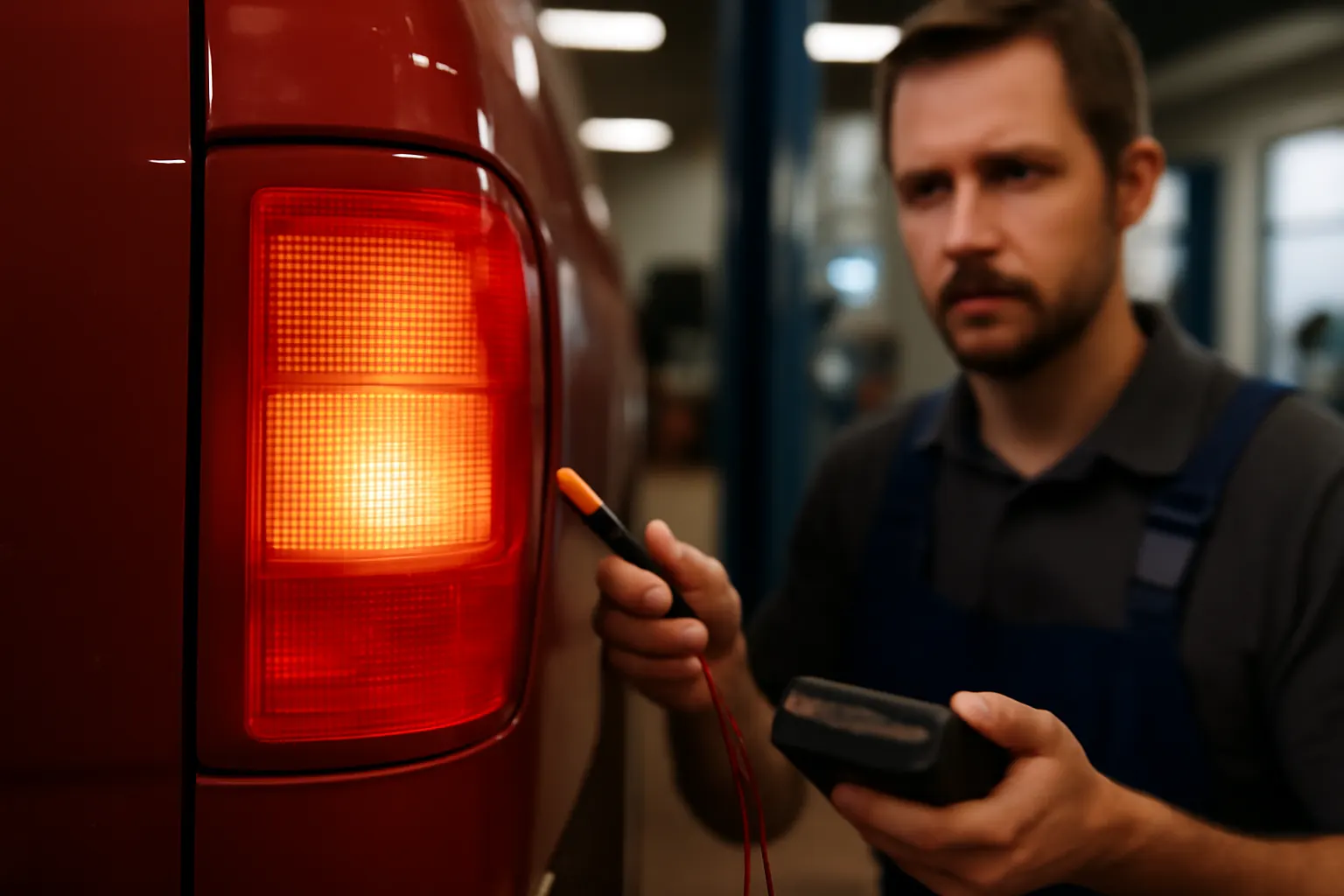
The Role of Park Lamps in Vehicle Safety and Compliance
Rear side park lamps are critical yet often overlooked components in a vehicle’s safety architecture. Not only do they enhance nighttime visibility and help prevent accidents, but they are also fundamental for legal compliance in most jurisdictions. Whether you drive a modern sedan, a classic coupe, or a heavy-duty truck, understanding the role, requirements, and maintenance of rear side park lamps can make a tangible difference in road safety and regulatory adherence.
Read More