Advertisement
When it comes to replacing rear side park lamps, the decision between OEM (Original Equipment Manufacturer) and aftermarket parts isn’t just about price. It’s about fitment, durability, safety compliance, and how well the lamp integrates with your vehicle’s design and electrical system. Whether you’re a seasoned technician or a detail-oriented DIYer, understanding the technical nuances between OEM and aftermarket rear side park lamps is essential for a safe, compliant, and long-lasting repair. This guide provides a deep technical comparison, exposes the hidden pitfalls, and gives you a clear solution path for making the right choice. If you want to explore more about the category itself, our Rear Side Park Lamps: Safety, Compliance, and Technical Mastery page offers a comprehensive overview.
The Immediate Answer: What’s the Best Choice for Most Drivers?
For most vehicle owners prioritizing safety, fit, and long-term reliability, OEM rear side park lamps are the gold standard. They are engineered to meet the exact specifications of your vehicle, ensuring seamless integration with the body, electrical harnesses, and lighting performance standards. However, high-quality aftermarket lamps can be a viable choice—especially for older vehicles, custom builds, or where cost is a primary concern—provided they meet or exceed federal safety and performance standards as outlined by the National Highway Traffic Safety Administration (NHTSA) and relevant SAE standards.
The Hidden Problem: Not All Park Lamps Are Created Equal
The market is flooded with rear side park lamps from various manufacturers. While many aftermarket options appear visually similar to OEM parts, there are significant differences in material quality, lens clarity, reflector performance, and electrical compatibility. These differences can lead to:
- Subtle misalignments affecting weather sealing and body panel fitment
- Reduced light output or incorrect beam pattern, impacting safety and compliance
- Premature lens hazing or cracking due to inferior plastics or coatings
- Electrical issues such as flickering, CAN bus errors, or blown fuses
The risk is especially high when sourcing low-cost, unbranded aftermarket lamps, which may not undergo the rigorous testing required for OEM certification or federal compliance.
Understanding the Technical Differences: OEM vs Aftermarket
1. Materials and Manufacturing
OEM park lamps are manufactured using high-grade polycarbonate or acrylic lenses with UV-resistant coatings, precision-molded housings, and factory-spec gaskets. These materials are selected for durability, impact resistance, and optical clarity, as outlined by the U.S. Department of Energy’s Materials Technologies research.
Aftermarket lamps vary widely. Reputable brands often use comparable materials, but budget versions may employ lower-grade plastics, thinner housings, or inconsistent sealing. This can lead to faster yellowing, cracking from road debris, and moisture ingress.
2. Fitment and Compatibility
OEM lamps are designed with exact tolerances to match the contours, mounting points, and electrical connectors of your specific vehicle make and model. This ensures:
- Seamless installation without modification
- Proper alignment with adjacent body panels
- Consistent weatherproofing
Aftermarket lamps may have slight dimensional variations, requiring minor adjustments, additional shimming, or even cutting to achieve a proper fit. Connector types and pinouts may differ, necessitating rewiring or adapters.
3. Photometric Performance
Federal Motor Vehicle Safety Standards (FMVSS) and SAE standards dictate minimum light output, beam spread, and color for park lamps. OEM lamps are tested to meet these standards precisely. High-quality aftermarket lamps will claim compliance, but lower-tier options may not.
Key photometric concerns include:
- Insufficient brightness or incorrect color temperature
- Non-uniform light distribution, leading to visibility blind spots
- Glare or hotspots that can distract other drivers
4. Electrical System Integration
Modern vehicles increasingly use advanced lighting control modules and CAN bus systems. OEM park lamps are engineered to work flawlessly with these systems, minimizing the risk of diagnostic errors, flickering, or system faults.
Advertisement
Aftermarket lamps—especially those with LED upgrades—may trigger bulb-out warnings or flicker unless equipped with load resistors or CAN bus-compatible circuitry.
Safety and Compliance: Why the Standards Matter
Rear side park lamps are not just aesthetic components; they are critical safety devices. The NHTSA’s Vehicle Safety and Equipment guidelines require that all replacement lamps comply with federal standards for visibility, color, and performance. Non-compliant lamps can:
- Increase the risk of rear-end or side collisions due to reduced visibility
- Result in failed safety inspections
- Lead to fines or recall notices
Recalls for non-compliant lighting equipment are not uncommon. Always verify that any aftermarket lamp is DOT and SAE certified, and check the NHTSA recall database before purchasing.
Durability and Longevity: Real-World Performance
OEM Durability
OEM park lamps are subject to extensive durability testing, including:
- UV exposure to prevent yellowing and fading
- Impact tests for stone and debris resistance
- Water ingress tests to ensure weatherproofing
This ensures a typical service life that matches or exceeds the vehicle’s design life, with minimal maintenance.
Aftermarket Variability
Aftermarket durability depends heavily on the manufacturer. Premium aftermarket brands may replicate OEM test protocols, but budget options often cut corners, resulting in:
- Early lens hazing or cracking
- Seal failures leading to condensation or corrosion
- Reduced socket or connector lifespan
When evaluating aftermarket lamps, look for published test results or third-party certifications.
Fitment Challenges: Diagnosis and Solutions
Common Fitment Issues
- Mounting holes misaligned: Requires slotting or drilling.
- Lens protrudes or sits recessed: Can lead to water leaks or panel gaps.
- Connector incompatibility: May require wire splicing or adapters.
Diagnostic Checklist for Fitment
Use this checklist before final installation:
| Fitment Factor | OEM Expected | Aftermarket Risk | Solution Path |
|---|---|---|---|
| Mounting Alignment | Perfect | Variable | Test-fit, adjust as needed |
| Connector/Pinout Match | Exact | May differ | Use adapters or rewire |
| Weather Sealing | Factory spec | May leak | Inspect seals, add gasket |
| Lens/Body Contour Match | Seamless | Slight mismatch | Shim or modify as needed |
Photometric Testing and Legal Compliance
How to Verify Compliance
- Look for DOT/SAE markings on the lamp housing.
- Request photometric test data from the manufacturer.
- Check for certification labels or documentation.
- Consult the NHTSA recall database for known issues.
Testing Your Installation
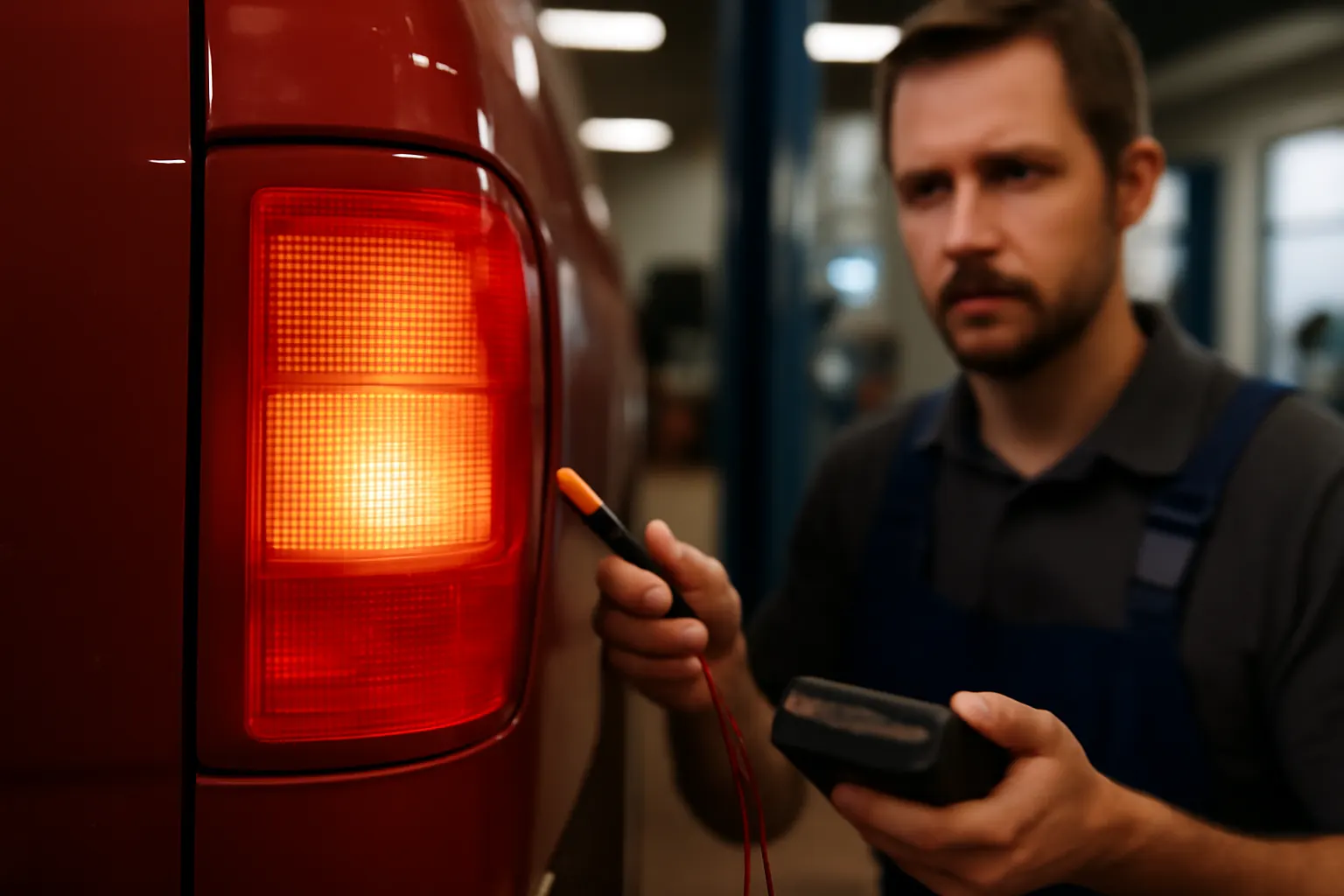
After installation, perform a visual check at dusk and in total darkness. Verify:
- Uniform illumination without dark spots or glare
- Correct color (amber or red, per vehicle specification)
- Proper operation with parking lights and when signaling
Electrical Integration: Avoiding Flicker and Error Codes
Common Electrical Issues
- Bulb-out warnings: Especially with LED aftermarket lamps
- Flickering: Due to insufficient load or incompatible electronics
- Blown fuses: From excessive draw or shorts
Solutions
- Use CAN bus-compatible lamps or add load resistors
- Double-check connector pinouts before energizing the circuit
- If splicing is required, use weatherproof connectors and heat shrink tubing
For advanced troubleshooting, see our Diagnosing Electrical Issues in Rear Lighting Circuits guide.
Installation Best Practices: Step-by-Step
- Disconnect the battery to prevent accidental shorts.
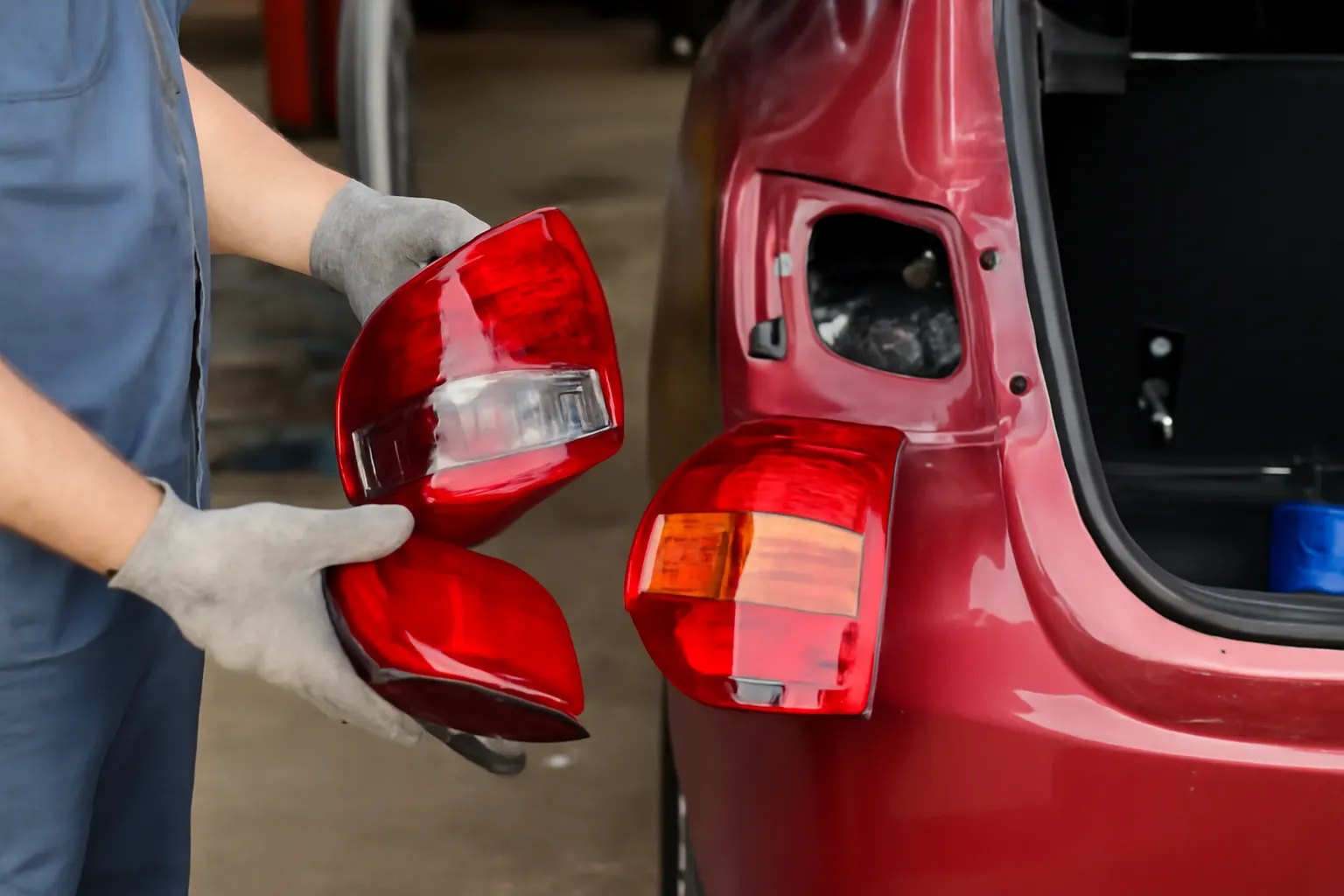
- Remove trim panels and access rear lamp mounting points.
- Test-fit the lamp before final installation, checking all alignments and connector fits.
- Install the lamp, tightening all fasteners to factory torque specs.
- Reconnect wiring harnesses and test all lamp functions.
- Inspect weather seals for gaps or pinches.
- Reinstall trim panels and reconnect the battery.
- Final test: Operate all lighting functions and verify from multiple angles.
If you need a more detailed walkthrough, visit How to Replace Rear Side Park Lamps Safely.
Advertisement
Maintenance and Longevity: Keeping Your Lamps Clear and Functional
Preventive Maintenance
- Clean lenses regularly with non-abrasive cleaners to prevent hazing.
- Inspect seals annually for cracks or shrinkage.
- Check electrical connectors for corrosion, especially after winter or wet seasons.
- Replace bulbs with the correct wattage/type to avoid overheating or electrical faults.
Signs of Trouble
- Moisture or fogging inside the lens
- Dimming or flickering light output
- Cracks, chips, or yellowing of the lens
- Error messages on the dashboard
Address issues promptly to maintain safety and avoid further electrical or cosmetic damage.
Sourcing: How to Choose the Right Park Lamp Supplier
Key Factors
- Reputation: Choose suppliers with a track record of quality and compliance.
- Certification: Verify DOT/SAE markings and request test data if unsure.
- Warranty: Look for at least a one-year warranty on aftermarket lamps.
- Support: Ensure the supplier offers technical support for fitment and installation issues.
Where to Buy
- OEM parts: Dealerships or authorized parts resellers
- Aftermarket: Reputable automotive parts stores, specialty lighting suppliers, or vetted online retailers
Avoid unknown brands or sellers with vague product descriptions, as these are often the source of non-compliant or poor-quality lamps.
Cost Analysis: Upfront Savings vs Long-Term Value
OEM Cost Profile
- Higher upfront cost
- Longer service life
- Minimal fitment or compliance issues
- Better resale value for the vehicle
Aftermarket Cost Profile
- Lower upfront cost (varies by quality)
- Potential for increased maintenance/replacement
- Risk of failed inspections or compliance fines
- Possible need for additional installation materials (adapters, resistors)
When evaluating cost, factor in the total cost of ownership, including installation time, potential rework, and the impact on vehicle value.
When Aftermarket Makes Sense: Special Cases
While OEM is the default choice for most applications, aftermarket lamps are a strong option when:
- OEM parts are discontinued or prohibitively expensive
- You’re customizing or upgrading your vehicle (e.g., LED conversions)
- The vehicle is used in off-road or motorsports applications where frequent replacement is expected
- Cosmetic upgrades are desired (e.g., smoked or clear lenses)
In these cases, prioritize aftermarket brands with a reputation for quality and compliance.
The Solution Path: Step-by-Step Decision Guide
Here’s a concise decision-making checklist for choosing between OEM and aftermarket rear side park lamps:
- Determine your priorities: Is safety, fitment, and compliance your top concern, or is cost the main driver?
- Check availability: Are OEM parts available for your vehicle’s year, make, and model?
- Evaluate aftermarket options: Look for DOT/SAE markings, published test data, and solid warranties.
- Assess your installation skills: Are you comfortable with minor modifications if the aftermarket lamp doesn’t fit perfectly?
- Review local regulations: Some regions have strict inspection requirements for lighting equipment.
- Calculate total cost: Include installation materials, potential rework, and long-term maintenance.
- Make an informed purchase: Choose a reputable supplier and verify part numbers before ordering.
AutoPartEx: Your Technical Ally in Lighting Replacement
At AutoPartEx, we connect you with a curated selection of both OEM and high-quality aftermarket rear side park lamps, backed by technical data and compliance documentation. Our expert support team assists with fitment questions, installation guidance, and troubleshooting—whether you’re working on a late-model daily driver or a classic restoration. Explore our Rear Side Park Lamps: Safety, Compliance, and Technical Mastery page for in-depth technical resources, or browse other component categories for one-stop automotive solutions.
Conclusion: Choose Smart, Install Right, Drive Safe
The decision between OEM and aftermarket rear side park lamps hinges on your priorities: uncompromised safety and fitment, or budget-conscious flexibility. By understanding the technical distinctions—materials, compliance, installation, and long-term durability—you can avoid common pitfalls and ensure your vehicle remains both road-legal and reliable. For further reading on the vital role of park lamps in vehicle safety, see The Role of Park Lamps in Vehicle Safety and Compliance.
References
Advertisement