Advertisement
Rear side park lamps are critical yet often overlooked components in a vehicle’s safety architecture. Not only do they enhance nighttime visibility and help prevent accidents, but they are also fundamental for legal compliance in most jurisdictions. Whether you drive a modern sedan, a classic coupe, or a heavy-duty truck, understanding the role, requirements, and maintenance of rear side park lamps can make a tangible difference in road safety and regulatory adherence. This guide explores why park lamps matter, the technical and legal standards behind them, common issues, and best practices for diagnosis, replacement, and compliance.
If you’re seeking a deeper dive into rear side park lamp technology, safety, and fitment, our Rear Side Park Lamps: Safety, Compliance, and Technical Mastery category provides detailed resources for every vehicle owner and technician.
Park Lamps: The Immediate Answer to Nighttime Safety
At their core, rear side park lamps (also known as parking lights or side marker lamps) are designed to make your vehicle visible to others when ambient lighting is low. These lamps, typically mounted at the rear corners of a vehicle, emit a steady, low-intensity light that marks the vehicle’s width and presence. They serve as essential visual cues for other drivers, pedestrians, and cyclists, especially at dusk, dawn, or during inclement weather.
Key Functions of Rear Side Park Lamps:
- Enhance the visibility of a parked or slow-moving vehicle at night.
- Indicate the outermost edges of the vehicle to following drivers.
- Fulfill regulatory requirements for lighting equipment.
- Reduce the likelihood of collisions in parking lots or roadside situations.
Without functional park lamps, your vehicle becomes a hazard, particularly in poorly lit environments or on the shoulder of a busy roadway.
The Hidden Problem: Underestimating Park Lamp Importance
Despite their critical safety role, rear side park lamps are frequently neglected during routine maintenance. Many drivers are unaware of their legal obligations regarding park lamp functionality, or the potential consequences of a malfunction. This lack of awareness can lead to:
- Increased risk of being rear-ended or sideswiped at night.
- Vehicle failing safety inspections.
- Potential fines or citations for non-compliance.
- Reduced insurance claim viability in the event of an accident.
Moreover, advances in vehicle lighting technology and changes in regulatory standards mean that what was sufficient a decade ago may no longer meet current requirements. Overlooking these subtle shifts can leave your vehicle—and its occupants—vulnerable.
Technical Standards and Legal Compliance
Rear side park lamps are not just a matter of preference—they are federally regulated safety equipment. In the United States, the National Highway Traffic Safety Administration (NHTSA) sets explicit standards for vehicle lighting systems, including park lamps, under the Federal Motor Vehicle Safety Standards (FMVSS) [^1].
Key Compliance Points:
- Color: Rear side park lamps must emit red or amber light, depending on their placement.
- Visibility Range: Lamps must be visible from a specific distance (often 500 feet) under normal atmospheric conditions.
- Illumination Pattern: They must mark the outermost width of the vehicle.
- Placement: Lamps must be mounted at specific heights and locations on the vehicle body.
Failure to meet these standards can result in recall notices, failed inspections, or legal penalties. For more details, consult the NHTSA Vehicle Safety and Equipment guidelines.
How Rear Side Park Lamps Prevent Accidents
The safety impact of rear side park lamps is both direct and significant. By marking the width and presence of a stationary or slow-moving vehicle, these lamps:
- Alert approaching drivers to the edges of your vehicle, reducing the risk of side swipes and rear-end collisions.
- Improve visibility in low-light conditions, such as fog, rain, or snow.
- Help drivers judge distance and position when overtaking or maneuvering in tight spaces.
- Reduce confusion in parking lots or on narrow rural roads.
Research and crash data consistently show that vehicles with functional and properly placed park lamps are less likely to be involved in night-time collisions.
Advertisement
Common Issues and Failure Modes
Like any electrical component, rear side park lamps are susceptible to a range of issues that can compromise their performance. Common failure modes include:
- Burned-out bulbs: The most frequent failure, often due to age or vibration.
- Corroded sockets: Moisture intrusion can corrode contacts, leading to intermittent or complete failure.
- Blown fuses: Electrical surges or shorts can cause fuses to blow, disabling multiple lamps.
- Wiring faults: Damaged or frayed wires, often from rodent activity or improper repairs, can interrupt power.
- Faulty switches or relays: Wear and tear or manufacturing defects can affect control circuits.
Diagnosing these issues promptly is essential to maintaining both safety and compliance.
Diagnosing Park Lamp Problems: Step-by-Step Checklist
When a rear side park lamp malfunctions, a systematic approach to diagnosis can save time and prevent unnecessary part replacements. Use the following checklist to identify and resolve common issues:
Park Lamp Diagnostic Checklist:
-
Visual Inspection
- Check the lamp lens for cracks, moisture, or discoloration.
- Inspect the bulb for a broken filament or darkened glass.
- Examine the socket for corrosion or debris.
-
Functional Test
- Turn on the park lamps and observe which lamps fail to illuminate.
- Test the lamp circuit with a multimeter for voltage at the socket.
-
Fuse and Relay Check
- Locate the relevant fuse in the vehicle’s fuse box and inspect for continuity.
- Test or replace the relay controlling the park lamp circuit if applicable.
-
Wiring Inspection
- Trace the wiring from the socket to the fuse box for visible damage.
- Wiggle the wiring harness while the lamps are on to check for intermittent faults.
-
Switch and Control Module Evaluation
- Test the headlight/park lamp switch for proper operation.
- If equipped, scan for diagnostic trouble codes (DTCs) related to lighting control modules.
-
Final Verification
- Replace any defective components.
- Test the system again to confirm proper operation.
For advanced troubleshooting, see Diagnosing Electrical Issues in Rear Lighting Circuits.
Selecting the Right Park Lamp: OEM vs Aftermarket
When it comes time to replace a rear side park lamp, choosing between original equipment manufacturer (OEM) and aftermarket options is a key decision. Each has its own advantages and considerations:
OEM Park Lamps:
- Guaranteed fit and finish for your specific make and model.
- Meet or exceed all regulatory and manufacturer standards.
- Typically more expensive but offer peace of mind regarding compliance.
Aftermarket Park Lamps:
- Wider range of price points and features, including LED upgrades.
- Quality can vary—ensure the product is DOT/SAE compliant.
- May require slight modifications for installation.
For a detailed comparison, review Choosing OEM vs Aftermarket Park Lamps: What Matters?.
Installation Best Practices for Rear Side Park Lamps
Proper installation is critical to ensure both safety and legal compliance. Even a high-quality lamp can underperform or fail prematurely if not installed correctly.
Installation Steps:
- Disconnect the Battery: Prevent accidental shorts or shocks.
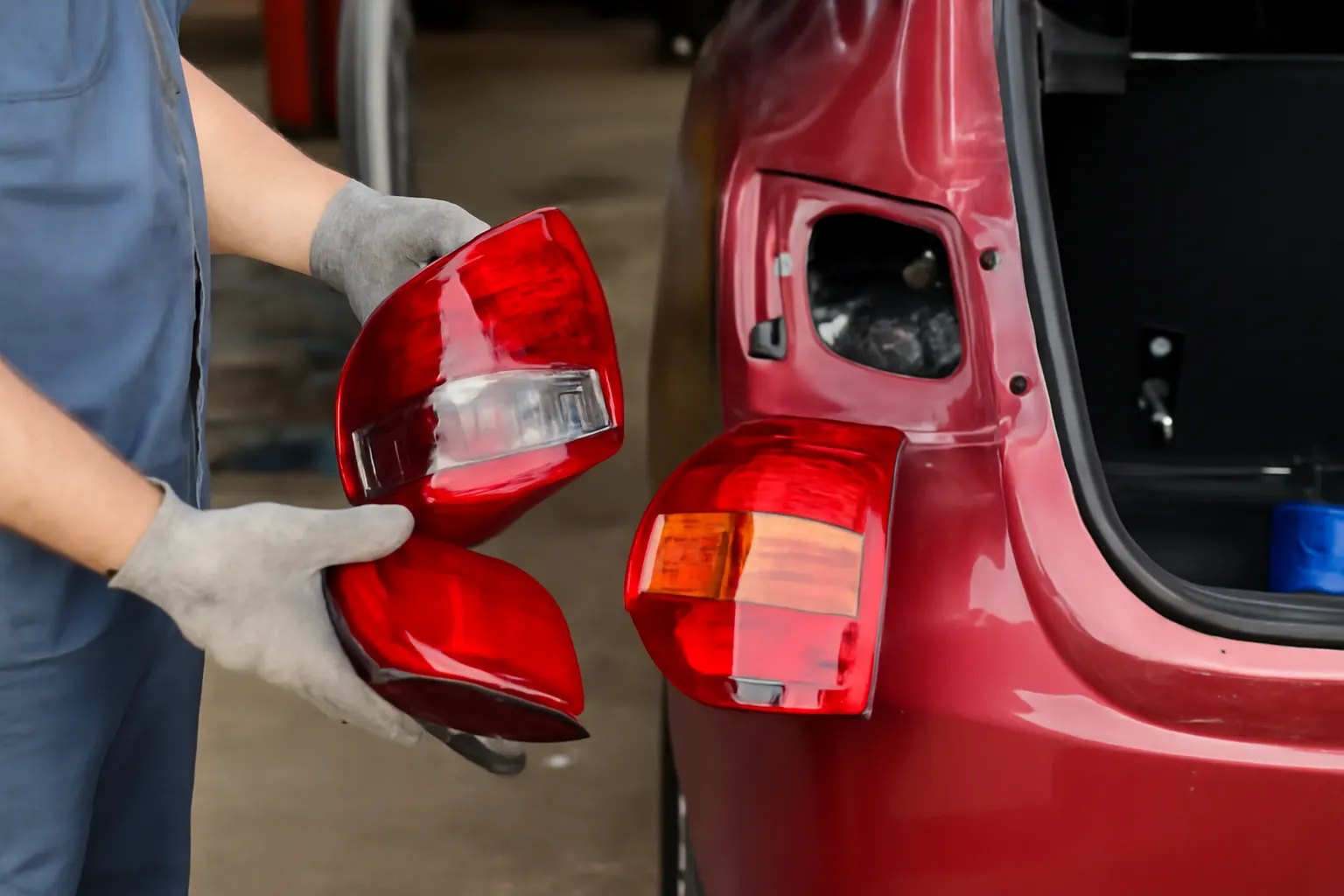
- Remove the Old Lamp: Access the lamp housing, unscrew or unclip the old unit, and disconnect the wiring harness.
- Inspect Wiring and Socket: Clean any corrosion, replace damaged sockets, and ensure a tight fit.
- Install the New Lamp: Connect the wiring, secure the lamp in place, and check for proper alignment.
- Test the System: Activate the park lamps and verify operation from all angles.
- Seal and Protect: Ensure gaskets and seals are intact to prevent moisture ingress.
For step-by-step guidance, visit How to Replace Rear Side Park Lamps Safely.
Maintenance Tips to Extend Lamp Life
Routine maintenance can significantly extend the lifespan of your rear side park lamps and prevent unexpected failures.
Maintenance Recommendations:
- Regular Inspections: Check lamp operation monthly, particularly before long trips or seasonal changes.
- Clean Lenses: Remove dirt, road salt, and grime to maintain maximum light output.
- Check for Moisture: Replace seals or gaskets if condensation is present inside the lens.
- Replace Bulbs in Pairs: To ensure even illumination and avoid color mismatch.
- Upgrade to LEDs: Consider LED park lamps for longer life and improved visibility, ensuring they meet DOT/SAE standards.
Advertisement
Park Lamps and Vehicle Recalls: What You Need to Know
Lighting equipment, including rear side park lamps, is a frequent subject of manufacturer recalls. Defective lamps can compromise safety and result in mandatory repairs.
Recall Triggers:
- Substandard materials leading to premature failure.
- Incorrect color or brightness levels.
- Improper mounting or sealing.
- Wiring defects causing intermittent operation.
To check if your vehicle is affected, visit the NHTSA Recalls Database and enter your VIN. Promptly addressing recall notices helps ensure ongoing safety and compliance.
The Impact of Park Lamps on Insurance and Liability
Insurance companies and legal authorities consider the condition of your vehicle’s lighting when assessing fault and claim eligibility after an accident. Non-functional rear side park lamps can:
- Shift liability in rear-end or side-impact collisions.
- Reduce payout amounts or result in claim denials.
- Lead to citations or fines during routine traffic stops or inspections.
Maintaining all vehicle lighting, including park lamps, is not just a compliance issue—it’s a matter of financial protection.
Technological Advances: LEDs and Smart Lighting
Modern vehicles increasingly use LED technology for rear side park lamps, offering benefits such as:
- Longer Lifespan: LEDs can last up to 25 times longer than incandescent bulbs.
- Lower Power Consumption: Reduces strain on the vehicle’s electrical system and marginally improves fuel efficiency 1.
- Consistent Brightness: LEDs maintain output over their lifespan, enhancing safety.
Some advanced systems integrate park lamps with smart lighting modules, enabling adaptive brightness and diagnostics through the vehicle’s onboard computer. When upgrading, confirm compatibility and regulatory compliance.
Ensuring Compliance: Inspection and Documentation
To avoid legal complications, ensure your park lamps meet all state and federal requirements. This includes:
- Passing Annual Inspections: Many states require functional park lamps for vehicle inspection.
- Documenting Repairs: Keep receipts and records of lamp replacements and repairs.
- Using Approved Parts: Always install DOT/SAE-compliant lamps and bulbs.
If you operate a fleet or commercial vehicle, additional requirements may apply. Consult your state’s Department of Transportation for specifics.
Integration with Other Safety Systems
Rear side park lamps are part of a broader lighting ecosystem that includes brake lights, turn signals, and reverse lamps. Faults in one system can affect others, particularly in vehicles with multiplexed wiring or integrated lighting control modules.
Key Integration Points:
- Shared Circuits: Blown fuses or relays may disable multiple lamps.
- Diagnostic Codes: Modern vehicles may log DTCs for lighting faults.
- Communication with Other Systems: Some advanced driver-assist systems rely on functional lighting for accurate operation.
Regular system-wide checks are recommended, especially after repairs or upgrades.
When to Seek Professional Help
While many park lamp issues can be resolved with basic tools and knowledge, certain scenarios warrant professional intervention:
- Persistent Electrical Faults: If wiring issues recur or multiple lamps fail simultaneously.
- Module or Software Problems: Vehicles with smart lighting may require diagnostic equipment.
- Collision Damage: Structural repairs may be needed to restore lamp mounting points.
Certified technicians have access to wiring diagrams, diagnostic tools, and manufacturer service bulletins that ensure safe, compliant repairs.
AutoPartEx: Your Partner in Park Lamp Safety and Compliance
At AutoPartEx, we understand the critical role rear side park lamps play in your vehicle’s safety and legal standing. Our extensive catalog covers OEM and high-quality aftermarket options for all major makes and models, including Acura, AMC, and more. We provide:
- Detailed fitment data and technical support.
- Guides for safe installation and troubleshooting.
- Access to recall information and compliance resources.
Whether you’re a DIY enthusiast or a professional technician, AutoPartEx equips you with the knowledge and parts you need to keep your vehicle safe, visible, and compliant.
Conclusion: Prioritize Park Lamp Health for Safety and Compliance
Rear side park lamps are more than just auxiliary lights—they are a foundational safety feature, a legal requirement, and a critical component of your vehicle’s lighting system. By understanding their function, maintaining their condition, and ensuring compliance with current standards, you protect not only yourself but everyone who shares the road. Don’t let a small bulb become a big liability: inspect, maintain, and upgrade your park lamps with confidence, leveraging resources like Rear Side Park Lamps: Safety, Compliance, and Technical Mastery for deeper insight.
References
- Vehicle Safety and Equipment – National Highway Traffic Safety Administration
- Vehicle, Car Seat, Tire, and Equipment Recalls – National Highway Traffic Safety Administration
- Fuel Efficiency – United States Department of Energy
Footnotes
Advertisement