
Park Lamp Rear (Side)
What to Know About Rear Side Park Lamps for Your Vehicle
Rear side park lamps are often overlooked until a problem arises. Yet, these components play a crucial role in your vehicle’s safety, visibility, and legal compliance. Understanding the unique factors that affect their performance and replacement can help you avoid costly mistakes and ensure your car remains roadworthy. This guide explores what makes rear side park lamps important, how to address issues, and how to make informed repair decisions.
Showing 1–8 of 74 products


More Park Lamp Rear (Side) options
Filtering for Park Lamp Rear (Side)Browse nearby inventory for this category without leaving the page. Use search to filter by price, part number, or city.
No Data Available
Please check back soon when more inventory is available for this part.
What to Know About Rear Side Park Lamps for Your Vehicle
Why Rear Side Park Lamps Deserve More Attention
Many vehicle owners rarely think about their rear side park lamps until a warning light appears or a routine inspection reveals a problem. Unlike headlights or brake lights, these lamps are easy to overlook because they do not directly affect your ability to see the road. However, their role in signaling your presence and intentions to other drivers, especially at night or in poor weather, is essential. Ignoring them can lead to safety risks and even legal trouble if your vehicle fails to meet local lighting requirements.
One commonly missed aspect is the impact of rear side park lamp failure on your vehicle’s overall visibility profile. While one faulty lamp might seem minor, it can disrupt the symmetry of your lighting, making your car less noticeable to others—particularly from the side or at an angle. This diminished visibility is a subtle but real risk, especially in low-light conditions or heavy traffic where every light on your vehicle contributes to your safety.
Another overlooked consideration is the complexity involved in replacing or repairing rear side park lamps. Modern vehicles often integrate these lamps into larger lighting assemblies or use specialized bulbs and connectors. This can make a seemingly simple job more complicated and costly than expected. Understanding these nuances before you encounter a problem can save time and help you make better decisions when maintenance or replacement becomes necessary.

Understanding the Challenges of Rear Side Park Lamp Issues
Rear side park lamp problems can manifest in several ways, from a dim or flickering light to a complete failure. The root causes are diverse: bulb burnout, wiring faults, corroded sockets, or even damage to the lamp housing itself. Each of these issues can affect not only the function of the lamp but also the integrity of your vehicle’s lighting system as a whole. Identifying the exact cause requires careful inspection and sometimes diagnostic tools, particularly in newer vehicles with complex electrical systems.
A failed rear side park lamp may seem like a minor inconvenience, but it can have significant consequences. In many jurisdictions, functioning park lamps are required by law, and a non-working lamp can lead to a failed vehicle inspection or even a traffic citation. More importantly, your vehicle becomes less visible to other drivers, increasing the risk of accidents, especially at night or during inclement weather. This is why addressing park lamp issues promptly is essential for both safety and compliance.
Electrical issues are a common culprit in rear side park lamp failures. Corroded connectors, frayed wires, or blown fuses can interrupt the flow of electricity to the lamp. In some cases, a problem elsewhere in the lighting circuit—such as a faulty relay or control module—can also affect the park lamps. Diagnosing these issues can be challenging without a wiring diagram or the right tools, making it important to approach repairs methodically and, when in doubt, consult a professional.
Another challenge is the increasing use of integrated lighting assemblies in modern vehicles. Instead of replacing a simple bulb, you may need to replace an entire module or housing if the lamp is sealed or if the damage is more extensive. This can significantly increase the cost and complexity of repairs. Additionally, sourcing the correct part—whether OEM or aftermarket—requires careful attention to compatibility, as even slight differences in design can affect fit and function.
Owners sometimes attempt to save money by installing salvage or used park lamps. While this can be a cost-effective solution, it comes with risks. Salvage parts may have hidden wear, corrosion, or compatibility issues that are not immediately apparent. Using parts from a different model year or trim level can lead to fitment problems or electrical incompatibility. It’s important to weigh these risks and, if possible, verify the condition and origin of any used component before installation.
Finally, neglecting rear side park lamp maintenance can have ripple effects on other vehicle systems. For example, a short circuit in the lamp wiring could affect other lights or even trigger warning messages on your dashboard. In some cases, persistent electrical faults can drain your battery or cause intermittent problems that are difficult to trace. Regular inspection and prompt repair of park lamps are essential to avoid these complications and keep your vehicle in optimal condition.
Practical Steps for Selecting and Replacing Rear Side Park Lamps
The first step in addressing rear side park lamp issues is to confirm the exact nature of the problem. Start by visually inspecting the lamp for obvious signs of damage, such as a broken lens, moisture inside the housing, or a bulb that has clearly burned out. If the lamp appears intact but does not illuminate, check the corresponding fuse and inspect the wiring for visible signs of wear or corrosion. For vehicles with dashboard warning lights, consult your owner’s manual to interpret any relevant error codes.
Once you’ve identified the faulty component, it’s important to determine the correct replacement part. This involves more than simply matching the shape or size of the lamp. Check your vehicle’s year, make, and model, and if possible, compare the part number on your existing lamp with the replacement. Many manufacturers offer both OEM and aftermarket options, each with its own pros and cons. OEM parts are designed to match the original specifications, while aftermarket parts may offer cost savings but require careful vetting for quality and compatibility.
Before purchasing a replacement, consider whether you need a new, remanufactured, or salvage part. According to the FTC, new parts are unused and come directly from the manufacturer or supplier, while remanufactured or rebuilt parts have been restored to working condition. Salvage parts are taken from other vehicles and may show signs of wear. Each option has implications for cost, warranty, and expected lifespan. For critical safety components like lighting, many experts recommend new or OEM parts whenever possible FTC: Auto Repair Basics.
Installation procedures vary depending on your vehicle’s design. In some cases, you can access the rear side park lamp by removing a few screws or clips from inside the trunk or rear quarter panel. For integrated assemblies, you may need to remove additional trim pieces or even the entire tail light unit. Always disconnect the battery before working on electrical components to avoid short circuits or accidental shocks. If you’re unsure about the process, consult a service manual or consider hiring a professional technician.
When installing the new lamp, take care to avoid touching the bulb with bare hands, as oils from your skin can reduce its lifespan. Ensure all connectors are clean and free of corrosion before reassembly. Test the lamp before securing all components to verify proper operation. If the new lamp does not function, double-check the fuse, wiring, and socket for issues. Persistent problems may indicate a deeper electrical fault that requires professional diagnosis Diagnosing Electrical Issues in Rear Lighting Circuits.
Choosing between OEM and aftermarket park lamps is a common dilemma. OEM parts guarantee a precise fit and finish but can be more expensive. Aftermarket parts offer a wider range of prices and styles but may vary in quality. Research reviews and, if possible, inspect the part before purchase. Some aftermarket lamps are certified to meet or exceed OEM standards, while others may not. Always confirm compatibility with your specific vehicle to avoid costly returns or installation headaches Choosing OEM vs Aftermarket Park Lamps: What Matters?.
If you opt for a salvage or used lamp, inspect it thoroughly for cracks, discoloration, or corrosion. Test the lamp if possible before installation, and verify that all mounting points and connectors match your vehicle. Keep in mind that salvage parts typically do not come with a warranty, so weigh the potential savings against the risk of premature failure. Whenever possible, obtain documentation about the part’s origin and condition to make an informed decision.
After completing the replacement, keep a record of the parts used, the date of installation, and any relevant repair orders. This documentation can be valuable if you encounter future issues or need to demonstrate compliance during a vehicle inspection. Regularly check your rear side park lamps as part of routine maintenance, especially before long trips or seasonal changes. Promptly addressing any issues ensures your vehicle remains safe, visible, and compliant with local regulations How to Replace Rear Side Park Lamps Safely.
What the Evidence Says About Rear Side Park Lamp Repairs
The Federal Trade Commission (FTC) provides general guidance for consumers facing auto repairs, emphasizing the importance of obtaining a written estimate that details the condition to be repaired, the parts required, and expected labor costs. This advice is especially relevant when dealing with lighting components like rear side park lamps, where the choice between new, remanufactured, or salvage parts can affect both cost and reliability. The FTC also notes that there is no standard warranty on repairs, so understanding the coverage offered by your chosen part or repair shop is crucial FTC: Auto Repair Basics.
The FTC distinguishes between new, remanufactured, and salvage parts, highlighting that salvage parts are sourced from other vehicles without alteration. This distinction is important for owners considering used park lamps, as salvage components may have hidden defects or compatibility issues. The FTC’s guidance does not specify which option is best for every situation but encourages consumers to weigh the risks and benefits, particularly for safety-critical parts like lighting. This underscores the value of thorough inspection and documentation when selecting a replacement lamp.
NHTSA, the National Highway Traffic Safety Administration, offers a recall lookup tool that allows vehicle owners to check for open recalls by VIN or license plate. While this tool is invaluable for identifying safety-related defects, it does not guarantee that a particular vehicle or part—such as a rear side park lamp—is subject to a recall. The database provides general recall information for specific makes and models but does not confirm compatibility or the presence of a defect in every vehicle. Owners should use this resource as part of their due diligence when investigating lighting issues NHTSA: Vehicle Recalls.
NHTSA’s recall process involves several stages, from complaint intake to investigation and recall management. If multiple owners report similar lighting defects, NHTSA may open an investigation that could lead to a recall. However, most recall decisions are made voluntarily by manufacturers before NHTSA becomes involved. This means that even if your rear side park lamp fails, it may not be covered by a recall unless a widespread safety issue is identified. Checking the NHTSA database and registering for recall alerts can help you stay informed about potential safety concerns affecting your vehicle.
The NHTSA also emphasizes the importance of regular maintenance and prompt attention to safety-related defects. Owners are advised to register their vehicles and check for recalls at least twice a year. While this guidance does not provide technical specifications or repair instructions, it reinforces the need for vigilance when it comes to lighting components. Keeping your rear side park lamps in working order is not only a matter of compliance but also of personal and public safety.
Neither the FTC nor NHTSA provides specific technical procedures or failure rates for rear side park lamps. Instead, their guidance focuses on consumer rights, repair documentation, and the importance of using quality parts. This means that vehicle owners must rely on reputable repair shops, thorough inspection, and careful part selection to ensure effective repairs. Comparing shop recommendations with your owner’s manual and asking about technician experience with your vehicle model are practical steps supported by the FTC’s advice.
In summary, the available evidence from government sources highlights the importance of informed decision-making, documentation, and regular inspection when dealing with rear side park lamp issues. While there is no single best solution for every situation, following established consumer guidelines and leveraging recall resources can help you address problems effectively and maintain your vehicle’s safety and compliance. For more detailed technical guidance, consult your owner’s manual or a qualified automotive technician.
Take the Next Step Toward Safe, Compliant Lighting
Don’t wait until a failed inspection or a warning light forces your hand. Make rear side park lamp maintenance part of your regular vehicle care routine. Use trusted resources to verify part compatibility, obtain written repair estimates, and keep thorough records of any work performed. If you’re unsure about the right replacement or repair procedure, consult a qualified technician or explore our detailed guides for step-by-step instructions. Prioritizing your rear side park lamps ensures your vehicle remains visible, safe, and compliant on the road.
References
- NHTSA: Vehicle Recalls
- FTC: Auto Repair Basics
References
- NHTSA: Vehicle Recalls - NHTSA, accessed 2026-11-01
- FTC: Auto Repair Basics - FTC, accessed 2026-11-01
Related Guides & Articles

How to Replace Rear Side Park Lamps Safely
Rear side park lamps are not just aesthetic features. They play a crucial role in vehicle safety, marking the extremities of your car at night or in poor visibility. Federal standards, as outlined by the National Highway Traffic Safety Administration (NHTSA), require functional and properly mounted park lamps to ensure your vehicle is visible from the side and rear at all times.
View Guide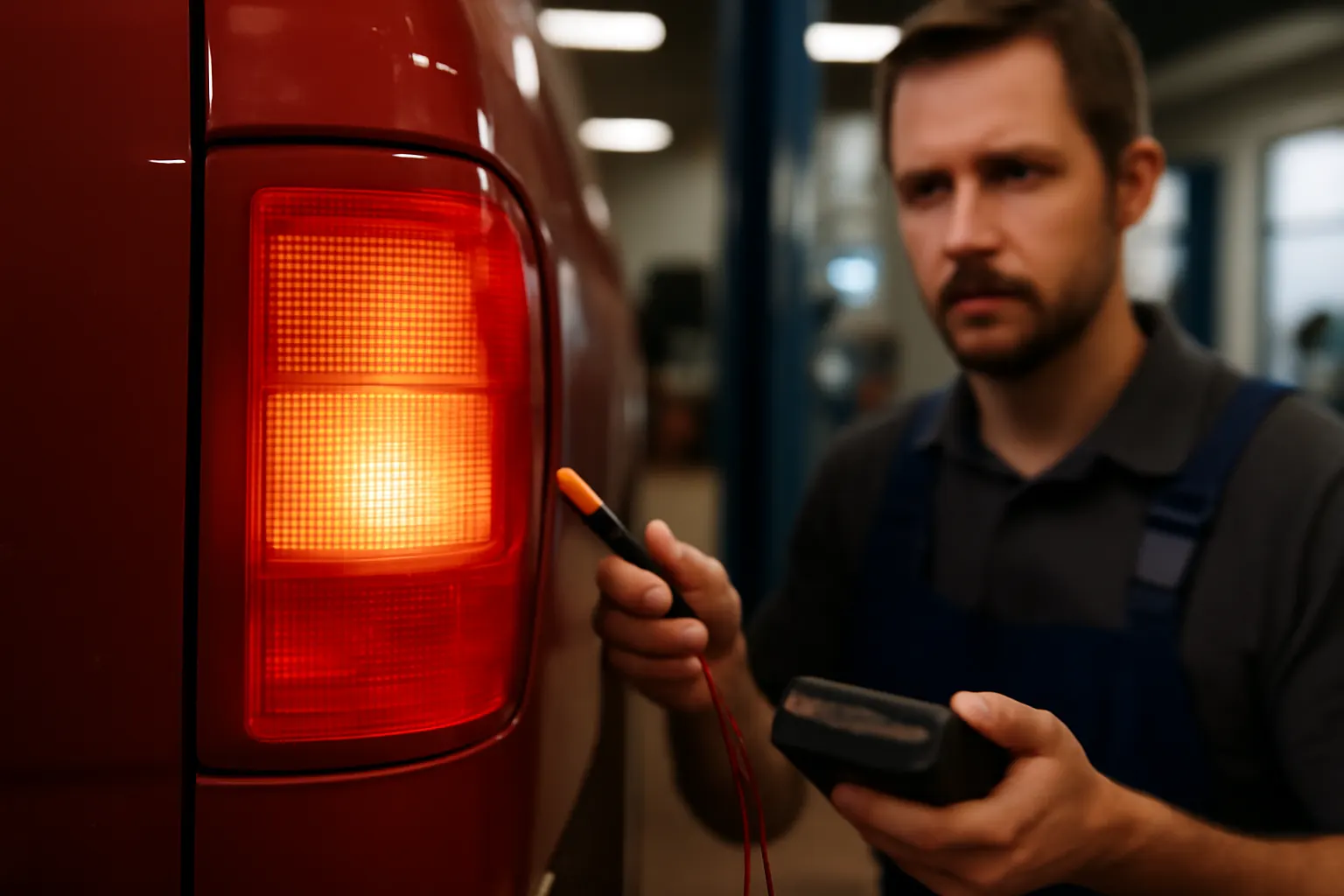
The Role of Park Lamps in Vehicle Safety and Compliance
Rear side park lamps are critical yet often overlooked components in a vehicle’s safety architecture. Not only do they enhance nighttime visibility and help prevent accidents, but they are also fundamental for legal compliance in most jurisdictions. Whether you drive a modern sedan, a classic coupe, or a heavy-duty truck, understanding the role, requirements, and maintenance of rear side park lamps can make a tangible difference in road safety and regulatory adherence.
Read More
Diagnosing Electrical Issues in Rear Lighting Circuits
If your rear side park lamps or other rear lighting components are not functioning correctly, follow this structured approach: Visually inspect bulbs, sockets, and wiring for damage or corrosion. Check the relevant fuses and relays in the fuse box. Test for voltage at the lamp socket with a multimeter. Trace wiring back to the switch and ground points for continuity. Consult the vehicle’s wiring diagram for circuit specifics. Replace faulty components with quality, compliant parts.
View Guide
Choosing OEM vs Aftermarket Park Lamps: What Matters?
The market is flooded with rear side park lamps from various manufacturers. While many aftermarket options appear visually similar to OEM parts, there are significant differences in material quality, lens clarity, reflector performance, and electrical compatibility. These differences can lead to: Subtle misalignments affecting weather sealing and body panel fitment Reduced light output or incorrect beam pattern, impacting safety and compliance Premature lens hazing or cracking due to inferior plastics or coatings Electrical issues such as flickering, CAN bus errors,…
Read More