
Chevy Latches
Chevy Latches: Considerations for Selection and Replacement
Chevy latches are often overlooked until a door, hood, or trunk fails to close or stay secure. Yet, understanding how to identify latch issues and select the right replacement is crucial for safety and convenience. This guide explores overlooked factors, common problems, and practical steps for Chevy latch selection and repair, with evidence-based advice for buyers and owners.
Advertisement


Advertisement
More Chevy Latches options
Filtering for Chevy • LatchesScan nearby Chevy latches inventory without leaving this page.
No Data Available
Please check back soon when more inventory is available for this part.
Advertisement
Why Chevy Latches Deserve a Closer Look
Many Chevy owners rarely think about their vehicle’s latches until a problem disrupts daily routines. Latches—whether on doors, hoods, trunks, or glove compartments—are among the most frequently used mechanical components in any car. Yet, their importance for security and safety is often underestimated. A faulty latch can lead to more than inconvenience; it can compromise the safety of passengers and cargo, or even violate legal requirements for secure closures.
What’s often missed is how subtle latch issues can be. Unlike a check engine light or a loud mechanical failure, latch problems may develop gradually. You might notice a door that requires extra force to close or a trunk that pops open unexpectedly. These early warning signs are easy to dismiss, but they can indicate underlying wear or misalignment that, if left unaddressed, may lead to more significant repair needs or safety risks.
Choosing the right replacement latch for a Chevy isn’t as straightforward as matching a part number. Differences in model years, trim levels, and even production dates can affect compatibility. Moreover, the source of the replacement—whether new, salvaged, or remanufactured—can impact reliability and fit. Understanding these nuances early helps avoid frustration and ensures a safe, lasting repair. This guide explores these overlooked considerations to help you make informed decisions about Chevy latch maintenance and replacement.

Common Issues and Technical Context for Chevy Latches
Chevy latches, like those in many vehicles, are subject to wear and tear from repeated use and environmental exposure. Over time, components such as springs, catches, and locking mechanisms can degrade or become misaligned. In some cases, corrosion from moisture or road salt accelerates failure, especially in regions with harsh winters. The result can be a latch that sticks, fails to hold, or becomes difficult to operate—problems that may not be immediately obvious but can escalate if ignored.
The technical challenge with latches is that their symptoms often mimic issues with related components. For instance, a door that won’t close properly might have a misaligned striker plate, worn hinges, or a failing latch mechanism. Without a careful inspection, it’s easy to misdiagnose the root cause. This complexity is compounded by the variety of latch designs used across Chevy’s model lineup and production years, making it essential to verify the exact part needed before attempting a repair.
Another layer of complexity comes from the integration of latches with electronic systems. Many newer Chevy models use power latches or incorporate sensors for alarms and keyless entry. A malfunctioning latch in these vehicles might trigger warning lights, disable security features, or drain the battery if the car thinks a door is ajar. Diagnosing these issues may require specialized tools or dealer-level diagnostics, adding to the importance of accurate identification and troubleshooting.
Safety is a key concern with latch problems. A door or hood that unexpectedly opens while driving poses a significant hazard to occupants and other road users. While catastrophic failures are rare, even minor latch issues can lead to distractions or compromise the vehicle’s crashworthiness. For this reason, both manufacturers and regulators take latch performance seriously, with recalls or safety campaigns issued when systemic defects are identified.
It’s important to note that not all latch problems are the result of defective parts. Improper installation, lack of lubrication, or accidental damage from impacts can also cause latch failures. Owners who attempt DIY repairs without proper tools or knowledge may inadvertently worsen the issue. This highlights the value of following manufacturer procedures and, when in doubt, consulting experienced technicians familiar with Chevy vehicles.
Finally, sourcing the correct replacement latch is not always straightforward. Salvage parts may offer cost savings but come with unknown histories and potential wear. Remanufactured or aftermarket latches can vary in quality and fit. Using the vehicle identification number (VIN) and consulting reliable catalogs or dealer databases is essential to ensure compatibility and avoid repeat repairs. These challenges underscore the need for a methodical approach to latch diagnosis and replacement.
Practical Steps for Selecting and Replacing Chevy Latches
The first step in addressing a Chevy latch issue is careful identification of the affected component. Begin by noting the specific location—driver’s door, trunk, hood, or glove box—and any symptoms, such as sticking, rattling, or failing to secure. Document when the problem occurs: is it intermittent, affected by temperature, or only present after rain? This information helps narrow down whether the issue is mechanical, electrical, or related to environmental factors.
Next, perform a visual inspection. Look for obvious signs of wear, corrosion, or misalignment. Check the latch mechanism itself, as well as related components like striker plates and hinges. For power latches, listen for unusual sounds when operating the switch or key fob. If the latch is integrated with an alarm or keyless entry system, observe whether warning lights or error messages appear on the dashboard. These clues can help distinguish between a simple mechanical fault and a more complex electronic issue.
Once you’ve identified the likely culprit, consult your Chevy’s owner manual or a reputable online parts catalog to determine the exact part number. Be aware that even within a single model year, variations in trim or production date can affect latch design. Using your VIN is the most reliable way to ensure compatibility. Many online catalogs and dealership parts departments offer VIN-based lookup tools to match your vehicle with the correct latch assembly.
When selecting a replacement latch, consider the source. New OEM (original equipment manufacturer) parts are typically the most reliable but may be more expensive. Remanufactured or rebuilt latches can offer savings and comparable performance if sourced from reputable suppliers. Salvage latches, removed from used vehicles, may be a cost-effective option but require careful inspection for wear or damage. Always verify the return policy and any available warranty before purchase, as recommended by consumer protection agencies.
Before installation, gather the necessary tools and review the repair procedure for your specific Chevy model. Some latches are accessible with basic hand tools, while others may require removing door panels, trim, or electronic connectors. Take care to avoid damaging wiring, clips, or weather seals during disassembly. If you’re uncertain about any step, consider seeking a second opinion or professional assistance, especially for power latches or those integrated with security systems.
After installing the new latch, test its operation thoroughly. Open and close the affected door, hood, or trunk multiple times to ensure smooth engagement and secure closure. For electronic latches, verify that warning lights are cleared and that remote functions work as intended. Compare the feel and function of the new latch to other doors or compartments on your vehicle. If issues persist, recheck alignment and installation, or consult a technician for further diagnosis.
Document the repair by keeping receipts, noting the part number, and recording the odometer reading at the time of service. This information is valuable for future maintenance, resale, or warranty claims. If you used a shop, request a detailed repair order listing the work performed and parts installed, as advised by the Federal Trade Commission (FTC: Auto Repair Basics). This ensures transparency and provides a record in case of disputes or follow-up repairs.
Finally, adopt a preventive approach to latch maintenance. Periodically lubricate latch mechanisms with a manufacturer-approved product, inspect for signs of wear, and address minor issues promptly. Regular checks, especially before long trips or seasonal changes, can prevent inconvenient or unsafe failures. By following these practical steps, Chevy owners can maintain reliable latch function and avoid the pitfalls of incorrect diagnosis or part selection.
Evidence-Based Guidance for Chevy Latch Repairs
The National Highway Traffic Safety Administration (NHTSA) provides a structured process for identifying and addressing vehicle safety defects, including latches. According to their official recall guidance, owners can use their vehicle identification number (VIN) to check for open recalls specific to their Chevy model. This process ensures that if a latch-related safety defect has been identified and recalled, owners are notified and eligible for a free repair by the manufacturer. However, the NHTSA database does not confirm that every Chevy latch issue is subject to a recall, nor does it guarantee that a particular vehicle is affected unless a VIN search shows an open recall (NHTSA: Vehicle Recalls).
The NHTSA also explains that not all latch problems are safety-related defects warranting a recall. Many latch failures result from normal wear, improper use, or accidental damage rather than systemic manufacturing flaws. Their process involves collecting owner complaints, screening for patterns, and, if warranted, conducting investigations that may lead to recalls. Most recalls are initiated voluntarily by manufacturers after identifying a safety risk. This means that while latch issues are taken seriously, only certain patterns of failure across multiple vehicles will trigger a recall campaign (NHTSA: Vehicle Recalls).
For owners seeking to confirm whether their Chevy latch problem is part of a known defect, the NHTSA recommends using their VIN lookup tool. This tool provides recall status for specific vehicles, including any unrepaired latch-related recalls. However, it does not display recalls that have already been addressed, recently announced recalls not yet matched to all VINs, or recalls more than 15 years old unless extended by the manufacturer. Therefore, a clean recall search does not guarantee the absence of latch issues, only that no open recall exists for that VIN at the time of the search (NHTSA: Vehicle Recalls).
The Federal Trade Commission (FTC) offers additional, non-vehicle-specific advice for consumers facing auto repairs. Their guidelines emphasize obtaining a written repair estimate, identifying the specific condition to be repaired, and understanding the parts and labor involved. The FTC distinguishes between new, remanufactured, and salvage parts, noting that salvage parts come from other vehicles without alteration. They advise consumers to ask about technician experience with their make and model, compare shop recommendations with the manufacturer’s maintenance schedule, and get all repair orders in writing (FTC: Auto Repair Basics).
The FTC guidance also highlights the absence of a standard warranty on repairs, urging consumers to clarify coverage details and get them in writing. This is particularly relevant when choosing between new, remanufactured, or salvage Chevy latches. While some sellers may offer warranties, others may not, and coverage can vary widely. The FTC’s advice to document repairs and compare parts options helps consumers make informed choices, but does not guarantee fitment or performance for any specific latch or vehicle (FTC: Auto Repair Basics).
Neither the NHTSA nor the FTC provides technical specifications, service intervals, or failure rates for Chevy latches. Their guidance focuses on consumer rights, recall processes, and general repair best practices. As such, owners and buyers should rely on VIN-based catalog lookups, detailed inspection, and reputable parts sources when selecting a replacement latch. When in doubt, consulting a technician experienced with Chevy vehicles remains the best way to ensure a correct and lasting repair (NHTSA: Vehicle Recalls; FTC: Auto Repair Basics).
In summary, the available evidence supports a methodical approach to Chevy latch repairs: verify recall status using the VIN, consult manufacturer or reputable catalogs for part identification, and follow consumer protection advice for repair documentation and part selection. While no source provides a one-size-fits-all solution or guarantees against future latch issues, these steps help owners minimize risk and ensure safe, effective repairs. For additional context on latch types and general buyer considerations, see the Chevy Latches and Latches catalog pages.
Take the Next Step Toward Reliable Chevy Latch Repairs
If you’re facing a latch issue with your Chevy, start by confirming your vehicle’s recall status using your VIN on the NHTSA website. Gather detailed information about the problem, consult your owner manual and reputable catalogs, and compare parts options carefully. Don’t hesitate to seek a second opinion or professional help for complex repairs. For more information on available latch types and buyer guidance, visit our Chevy Latches and Latches catalog pages. Taking these steps ensures your Chevy remains secure and reliable for every journey.
References
- NHTSA: Vehicle Recalls
- FTC: Auto Repair Basics
References
- NHTSA: Vehicle Recalls - NHTSA, accessed 2026-11-01
- FTC: Auto Repair Basics - FTC, accessed 2026-11-01
Related Guides & Articles

How to Spot Counterfeit Chevy Parts
Counterfeit Chevy parts can jeopardize your vehicle's safety, reliability, and performance. Whether you're shopping for a replacement alternator, brake pads, or sensors, identifying fakes before you buy is crucial. This guide delivers immediate visual clues, packaging tips, and real-world examples to help you confidently distinguish genuine from counterfeit Chevy components—protecting both your investment and your safety.
Read More
Chevy Service Intervals Explained
Build a Chevrolet maintenance plan from the correct owner’s manual, service history and dashboard messages. Learn how oil-life reminders differ from oil-pressure warnings, how mileage and elapsed time affect a service decision, and why gasoline and electric vehicles need different schedules. Use the checklist to discuss a clear, itemized plan with your repairer.
View Guide
The Role of Door Latches in Vehicle Safety Standards
Door latches are a critical, yet often underappreciated, component of modern automotive safety and engineering. These mechanisms are not just responsible for keeping doors closed—they are engineered to meet stringent federal safety regulations, contribute directly to crashworthiness, and play a significant role in the overall integrity of a vehicle during collisions and rollovers.
Read More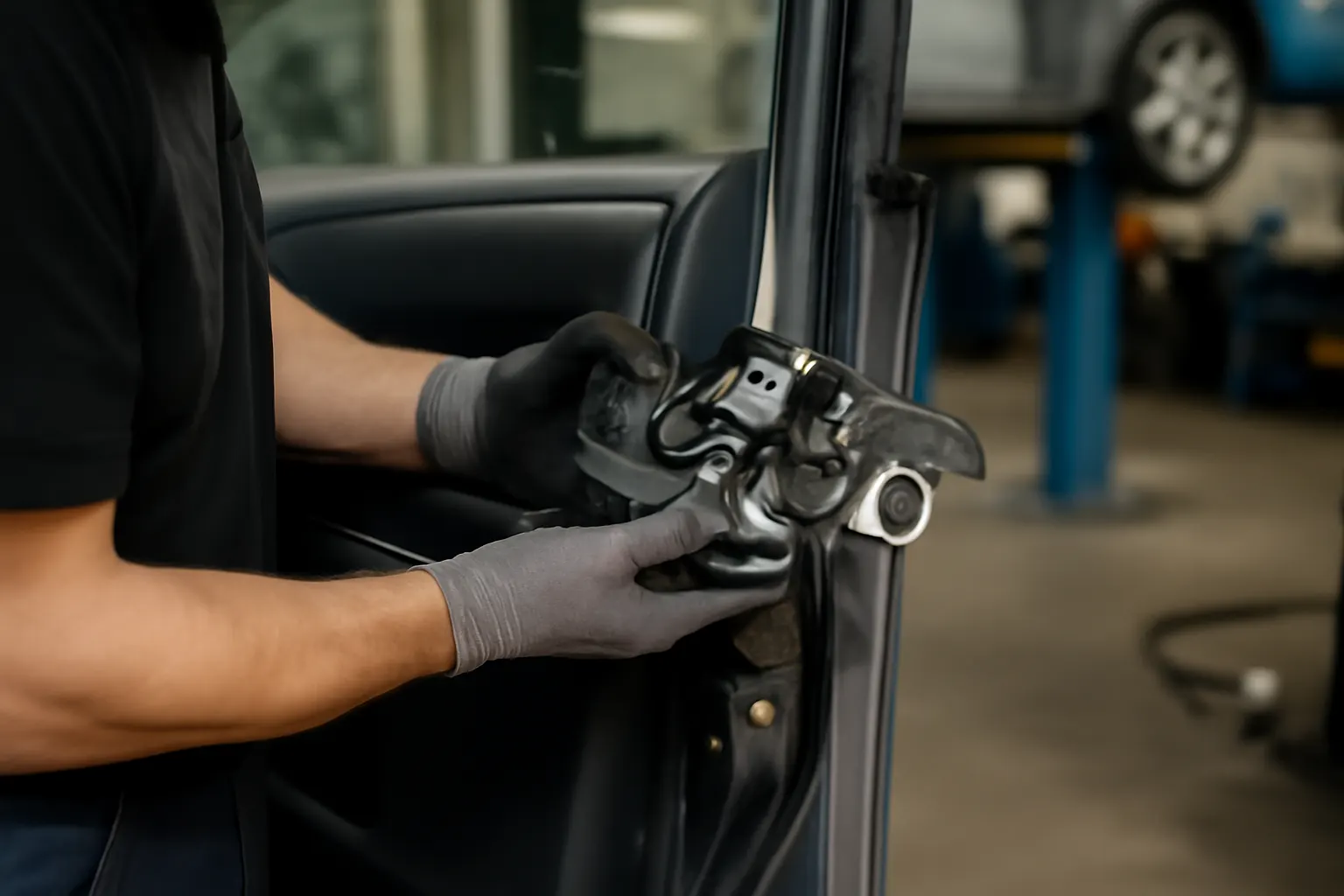
Why Latch Maintenance Matters for Vehicle Safety
Automotive latches are more than simple mechanical connectors—they are essential for keeping your vehicle, its occupants, and its cargo secure. Regular latch maintenance is a critical, yet often overlooked, aspect of vehicle safety that can prevent unexpected failures, reduce repair costs, and maintain the integrity of your car’s security systems.
Read More