Advertisement
Door latches are a critical, yet often underappreciated, component of modern automotive safety and engineering. These mechanisms are not just responsible for keeping doors closed—they are engineered to meet stringent federal safety regulations, contribute directly to crashworthiness, and play a significant role in the overall integrity of a vehicle during collisions and rollovers. In the context of Front Door Latch Systems: Security, Safety, and Precision Engineering, understanding the technical requirements and standards for door latches is essential for automotive professionals, enthusiasts, and safety-conscious drivers alike.
Door Latches: The Immediate Safety Solution
At their core, door latches serve a singular, vital function: to keep vehicle doors securely closed under normal operation and, crucially, during accidents. When a vehicle is involved in a crash, the integrity of the door latch can mean the difference between occupant containment and ejection—a factor that is directly linked to survivability rates in severe accidents. Modern door latches are engineered to withstand significant forces, ensuring that doors do not inadvertently open during impact or rollover scenarios.
Federal safety regulations, such as those enforced by the National Highway Traffic Safety Administration (NHTSA), specifically mandate the performance of door latches in crash situations. These standards are not arbitrary—they are the result of decades of testing, research, and real-world accident data, all pointing to the critical importance of robust latch systems in passenger safety.
The Hidden Problem: Latch Failures and Real-World Risks
While most drivers rarely think about their door latches, hidden problems can arise from latch wear, corrosion, improper installation, or substandard aftermarket components. Latch failures—whether through mechanical fatigue, corrosion, or design flaws—can result in doors opening during a crash, drastically increasing the risk of occupant ejection and severe injury.
Automotive recalls related to faulty door latches highlight the seriousness of these risks. The NHTSA routinely issues recalls for vehicles with latch mechanisms that do not meet federal standards or have demonstrated a pattern of failure in real-world use. For instance, worn or corroded latches may fail to engage properly, while poorly designed components may not withstand the dynamic forces generated during a collision. These issues are often hidden until a failure occurs, making proactive inspection and maintenance essential.
Expansion: Technical Standards and Regulatory Requirements
The design, manufacture, and testing of door latches are governed by a combination of federal safety regulations and industry standards. In the United States, these are primarily outlined by the NHTSA and detailed in the Federal Motor Vehicle Safety Standards (FMVSS), specifically FMVSS No. 206, which covers "Door Locks and Door Retention Components." This standard specifies requirements for door latch strength, locking mechanisms, and retention performance under crash conditions.
In addition, the Society of Automotive Engineers (SAE) provides comprehensive technical guidelines for latch system design, testing, and material selection. SAE standards such as J839 and J934 outline test procedures for evaluating latch strength, durability, and resistance to environmental factors like corrosion and temperature extremes. Compliance with these standards is not just a regulatory formality—it is a fundamental aspect of automotive engineering that directly impacts vehicle safety and reliability SAE Standards.
How Door Latches Contribute to Crashworthiness
Crashworthiness is the ability of a vehicle to protect its occupants during an impact. Door latches play a central role in this by ensuring that doors remain closed and structurally integrated with the vehicle body during a collision. When a crash occurs, the forces exerted on the latch can be immense—often exceeding several thousand pounds of force. A properly engineered latch must absorb and distribute these forces without failing, preventing the door from opening and maintaining the integrity of the passenger compartment.
In rollover accidents, the risk of occupant ejection is particularly high if door latches fail. Federal standards require that latches withstand both direct and indirect forces, including those generated by vehicle deformation and secondary impacts. Advanced latch designs incorporate multiple engagement points, reinforced striker plates, and high-strength materials to meet these demands.
Advertisement
Engineering Precision: Materials and Manufacturing
The materials and manufacturing processes used in door latch systems are critical to their performance and longevity. Modern latches are typically constructed from high-strength steel alloys, stainless steel, or advanced composites, chosen for their combination of strength, corrosion resistance, and weight efficiency. The United States Department of Energy notes that material selection in automotive components is a key factor in balancing safety, durability, and fuel efficiency Materials Technologies.
Manufacturing precision is equally important. Tolerances in latch components are measured in fractions of a millimeter, and manufacturing defects can lead to misalignment, increased wear, or premature failure. Quality control processes, including non-destructive testing and environmental simulation, are standard practice in OEM and high-quality aftermarket production.
Diagnostic Checklist: Identifying Door Latch Issues
Routine inspection and proactive maintenance are essential to ensure the continued safety and reliability of door latches. The following checklist provides a practical guide for diagnosing common latch issues:
Door Latch Diagnostic Checklist
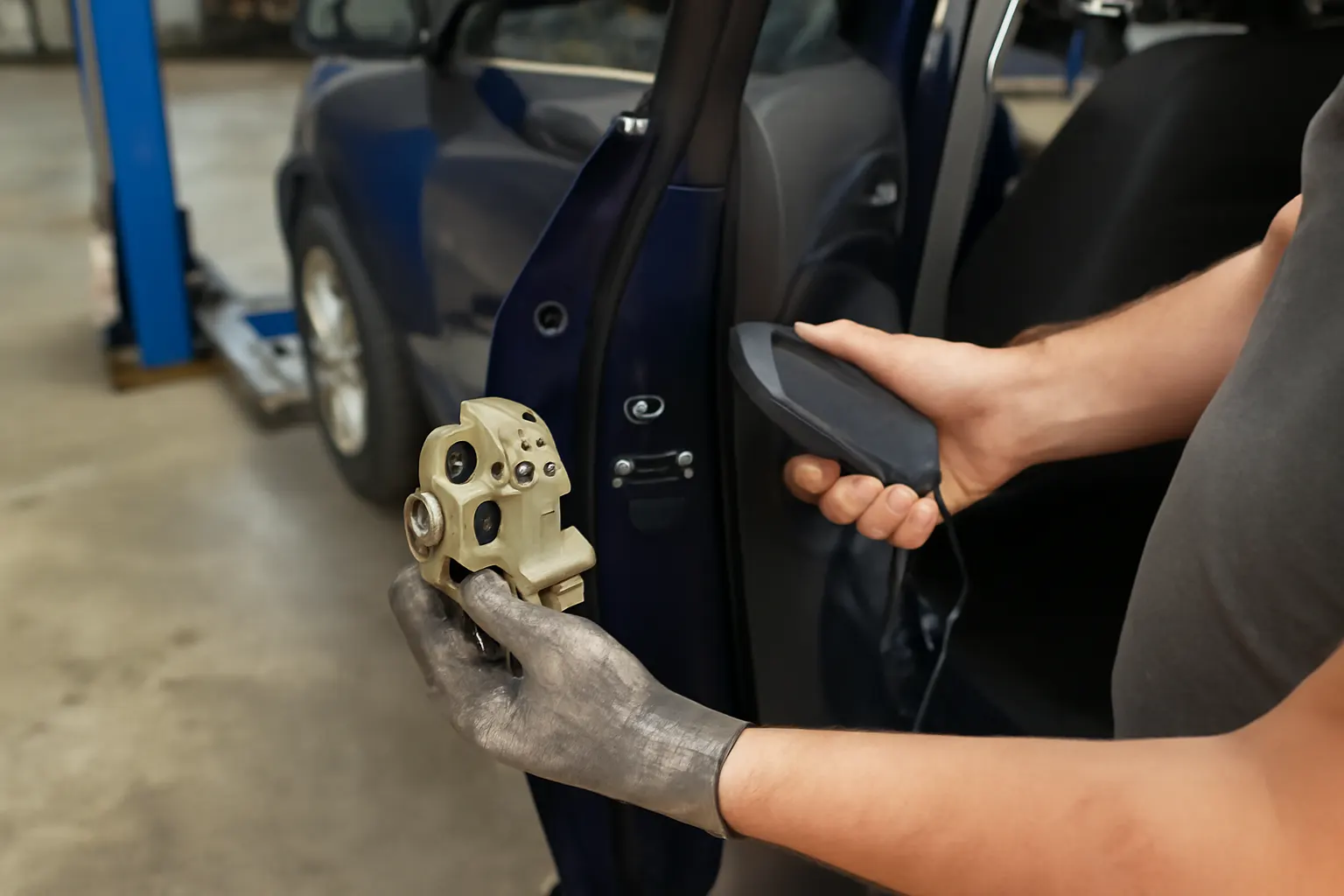
- Physical Inspection: Examine the latch mechanism for visible signs of wear, corrosion, or damage.
- Operation Test: Open and close the door multiple times to check for smooth operation and proper engagement.
- Lock Functionality: Test the manual and power lock functions to ensure the latch locks and unlocks as intended.
- Striker Plate Alignment: Inspect the striker plate for proper alignment and signs of wear or deformation.
- Sound and Feel: Listen for unusual noises (clicks, grinding) and note any increased resistance or looseness.
- Weather Sealing: Check for water intrusion or signs of rust around the latch area, indicating possible seal failure.
- Electronic Systems: For vehicles with electronic latches, verify that sensors and actuators function correctly.
- Recall Status: Consult the NHTSA database to check for any recalls related to your vehicle’s door latches Vehicle Safety and Equipment.
If any issues are detected, prompt repair or replacement is advised to maintain compliance with safety standards.
Installation and Replacement: Meeting Standards in the Field
When replacing or upgrading a door latch, it is crucial to select components that meet or exceed OEM specifications and comply with federal safety standards. Substandard or poorly fitted latches can compromise crashworthiness and may not pass inspection in regulated markets.
Best Practices for Installation:
- Source Quality Parts: Use OEM or certified aftermarket latches that are tested to FMVSS and SAE standards.
- Follow Manufacturer Instructions: Adhere to torque specifications and alignment procedures provided by the manufacturer.
- Verify Fitment: Ensure that the latch and striker plate are correctly aligned for full engagement.
- Test Under Load: Simulate door closure and locking under various conditions to confirm reliable operation.
- Document Replacement: Maintain records of the replacement for warranty and regulatory purposes.
For detailed installation guidance and troubleshooting, refer to the Diagnosing Door Latch Failures: Step-by-Step Guide.
Preventing Corrosion and Wear in Latch Mechanisms
Corrosion is a leading cause of latch failure, particularly in regions with harsh winters or high humidity. Preventive maintenance can significantly extend the life of latch components and ensure continued compliance with safety standards.
Preventive Maintenance Tips:
- Regular Cleaning: Remove dirt and debris from latch mechanisms using a non-abrasive cleaner.
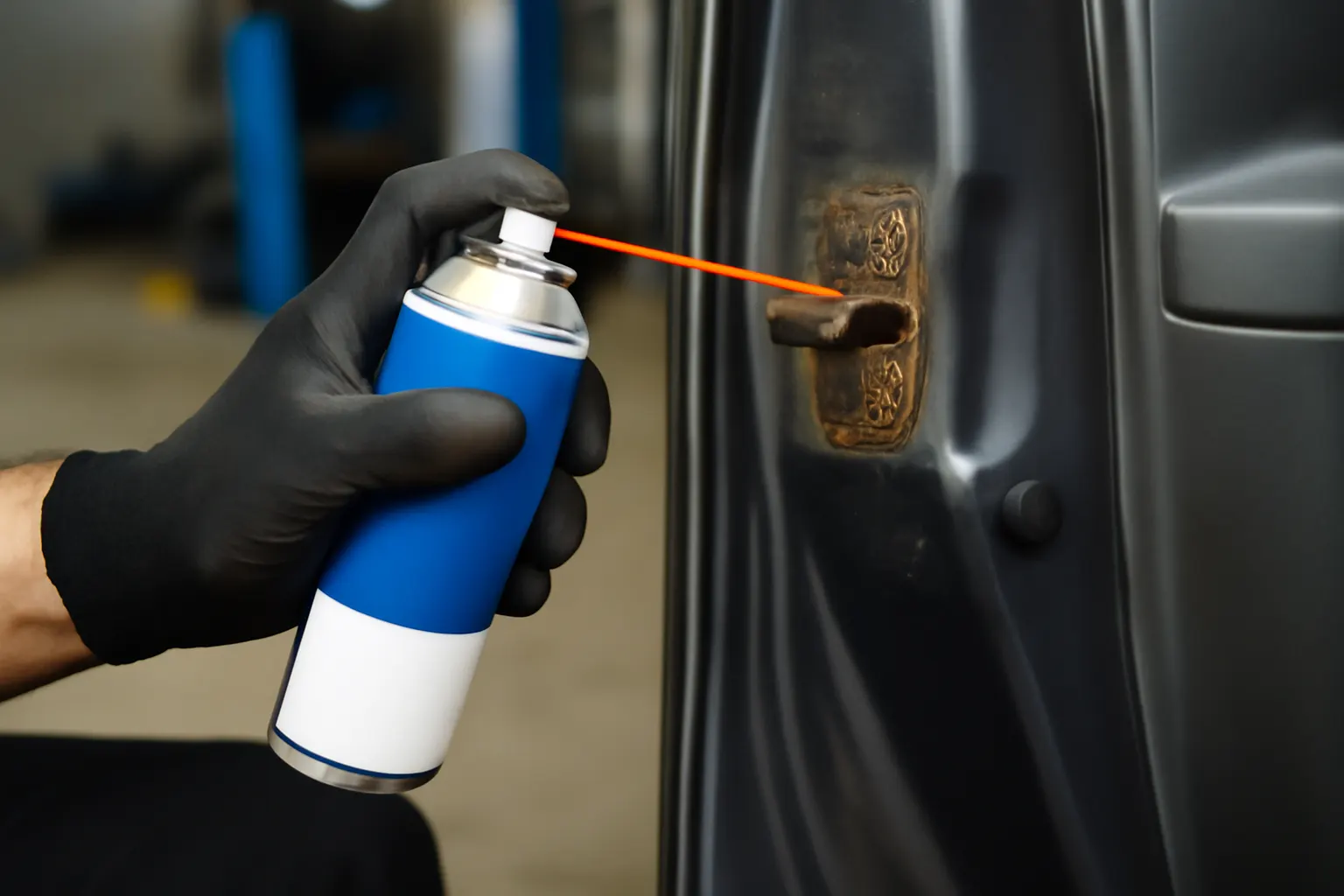
- Lubrication: Apply a high-quality, automotive-grade lubricant to moving parts at recommended intervals.
- Inspect Seals: Replace damaged weather seals to prevent water ingress.
- Protective Coatings: Consider anti-corrosion sprays or coatings for vehicles exposed to road salt or moisture.
- Routine Checks: Incorporate latch inspection into regular vehicle maintenance schedules.
For in-depth strategies, see Preventing Corrosion in Door Latch Mechanisms.
Advances in Electronic and Smart Latch Systems
The evolution of vehicle electronics has led to the development of advanced latch systems that integrate sensors, actuators, and smart locking features. Electronic door latches offer improved security, remote control, and diagnostic capabilities, but they also introduce new failure modes related to software, wiring, and actuator reliability.
Key Features of Modern Electronic Latches:
- Remote and Keyless Entry: Enhanced convenience and security.
- Crash Detection Integration: Latches can automatically unlock after airbag deployment.
- Child Safety Locks: Electronically controlled to prevent accidental opening.
- Diagnostic Feedback: Onboard diagnostics can detect and report latch malfunctions.
When considering an upgrade, ensure compatibility with your vehicle’s electrical system and consult Upgrading to Electronic Door Latches: What You Need to Know for expert advice.
Advertisement
Compliance and Certification: What to Look For
To ensure that a replacement or upgraded latch meets all relevant safety standards, look for certifications or documentation indicating compliance with FMVSS No. 206 and applicable SAE standards. Certified components will typically display part numbers, manufacturer details, and compliance statements. Avoid unbranded or uncertified parts, especially from sources that do not provide clear regulatory documentation.
Certification Checklist:
- FMVSS No. 206 compliance marking
- SAE standard references (e.g., J839, J934)
- OEM or reputable aftermarket branding
- Clear part identification and traceability
- Documentation of testing and certification
The Role of Latches in Vehicle Recalls and Safety Campaigns
Door latch failures are a frequent subject of vehicle recalls, underscoring their importance in automotive safety. The NHTSA monitors and investigates latch-related defects, and manufacturers are required to address issues that compromise compliance with safety standards.
If your vehicle is subject to a recall for latch components, it is essential to have the repair or replacement performed promptly at an authorized service center. Unaddressed recalls can result in increased risk of injury and may affect vehicle resale or registration in certain jurisdictions.
For current recall information, visit the NHTSA’s Recalls Database.
Sourcing High-Quality Door Latches: Buying Guidance
Selecting the right door latch involves more than just matching a part number. Consider the following factors to ensure safety, fitment, and longevity:
Buying Guidance Checklist
- Vehicle Compatibility: Confirm exact make, model, and year specifications.
- Certification: Verify FMVSS and SAE compliance for the part.
- Material Quality: Prefer high-strength steel or certified composites.
- Supplier Reputation: Purchase from established OEMs or certified aftermarket brands.
- Warranty and Support: Look for parts with manufacturer warranties and clear return policies.
- Installation Resources: Ensure access to installation guides or professional support.
AutoPartEx provides a curated selection of certified door latch components, ensuring that every part meets or exceeds industry standards. Our platform connects you with trusted suppliers and offers comprehensive technical resources for installers and enthusiasts.
Fitment and Compatibility: Ensuring a Secure Installation
Even the best door latch will fail to deliver safety benefits if not properly fitted. Fitment issues can lead to misalignment, incomplete engagement, or increased wear—all of which compromise crashworthiness.
Fitment Tips:
- Use manufacturer-specific diagrams and installation tools.
- Double-check alignment of the latch and striker plate.
- Test door closure from multiple angles and under varying force.
- Re-torque fasteners after initial installation to account for settling.
- Reinspect after 500 miles or 30 days to confirm continued integrity.
Proper fitment is especially critical when installing aftermarket components or upgrading to electronic latch systems. If in doubt, consult an experienced technician or refer to detailed guides available on AutoPartEx.
The Broader Impact: Door Latches and Vehicle Efficiency
While safety is the primary focus, door latch design also intersects with other vehicle engineering goals, such as weight reduction and fuel efficiency. The Department of Energy highlights the importance of lightweight materials in improving overall vehicle performance and efficiency Fuel Efficiency. Advanced latch designs use optimized materials and manufacturing processes to minimize weight without sacrificing strength, contributing to the broader objectives of modern automotive engineering.
When to Replace Your Door Latch: Signs and Intervals
Knowing when to replace a door latch is essential for maintaining safety and compliance. While there is no universal replacement interval, the following signs indicate that a latch should be inspected and possibly replaced:
- Difficulty opening or closing the door
- Door does not stay closed securely
- Unusual noises during operation
- Visible rust, corrosion, or deformation
- Malfunctioning electronic locking features
- Vehicle is included in a recall for latch components
Regular inspection—at least once per year or during major service intervals—is recommended, particularly for vehicles exposed to harsh environments or high usage.
AutoPartEx: Your Partner in Vehicle Safety and Precision Engineering
At AutoPartEx, we recognize that the integrity of every component matters—especially those as critical as door latches. Our commitment to quality means we only offer parts that meet or exceed federal and industry standards, with comprehensive technical support and resources for every stage of the process. Whether you are diagnosing a latch issue, sourcing a certified replacement, or exploring advanced electronic upgrades, AutoPartEx is your trusted partner for safe, reliable, and precision-engineered solutions.
For a full overview of our front door latch offerings and technical resources, visit Front Door Latch Systems: Security, Safety, and Precision Engineering.
References
- SAE Standards — SAE International
- Vehicle Safety and Equipment — National Highway Traffic Safety Administration
- Fuel Efficiency — United States Department of Energy
Advertisement