Advertisement
Front door latches are unsung heroes in automotive safety, acting as the first line of defense in crash scenarios and everyday use. Modern vehicle latches are engineered to meet stringent federal safety regulations and industry standards, directly impacting a vehicle's crashworthiness, occupant retention, and structural integrity. Understanding their role is crucial for anyone involved in automotive repair, design, or ownership. In this article, we unpack how these components are tested, regulated, diagnosed, and maintained—ensuring your vehicle's safety systems are both compliant and reliable.
For a broad overview of latch types and how they fit into the bigger picture of automotive safety and engineering, see our Front Door Latch Systems: Security, Safety, and Precision Engineering category page.
Why Door Latches Matter: Immediate Safety and Regulatory Compliance
The primary function of a door latch is to keep vehicle doors securely closed during normal operation and, critically, during collisions or rollovers. This retention is not just a convenience—it is a regulatory requirement. The National Highway Traffic Safety Administration (NHTSA) mandates that all vehicles sold in the United States must meet Federal Motor Vehicle Safety Standards (FMVSS) for door retention and crash performance. If a latch fails, occupants risk ejection or injury from doors opening unexpectedly.
Front door latches are subject to rigorous dynamic and static testing to ensure they do not fail under impact loads. These tests are dictated by both NHTSA and engineering consensus bodies such as SAE International. Compliance is not optional: manufacturers must demonstrate that their latches meet or exceed these standards before vehicles can be legally sold.
The Hidden Problem: Latch Failures and Real-World Consequences
While modern latches are engineered to exacting standards, failures can and do occur, often with serious consequences. Hidden corrosion, misalignment, substandard materials, or poor installation can all compromise latch function. Even a minor defect can mean the difference between a door staying shut in a crash or swinging open—potentially resulting in severe injury or fatality.
NHTSA recalls frequently cite door latch defects as a reason for manufacturer action. These can range from design flaws to material fatigue or improper assembly. Latch failures are not always immediately apparent and may only manifest under stress, such as during a collision or sudden deceleration. This underscores the importance of regular inspection, proper maintenance, and using only high-quality replacement parts.
Deeper Technical Explanation: How Latches Contribute to Crashworthiness
Engineering and Testing Standards
Door latches are evaluated under a battery of performance tests to ensure compliance with FMVSS (notably FMVSS 206 for door locks and retention components) and SAE standards. These tests include:
- Static Load Testing: The latch must withstand a specified force applied to the door without failing or opening.
- Dynamic Impact Testing: Simulates crash forces to verify the latch remains engaged under sudden deceleration or impact.
- Corrosion Resistance Testing: Ensures the latch mechanism remains functional after exposure to moisture, salt, and temperature cycling.
SAE International provides additional engineering guidance on latch design, material selection, and functional requirements, supplementing federal regulations. This dual-layered approach ensures both baseline safety and continuous innovation in latch technology.[^1]
Crash Scenarios and Occupant Safety
In a frontal, side, or rollover crash, the door latch must prevent the door from opening unintentionally. This is vital for:
- Occupant Retention: Prevents ejection, which is a leading cause of severe injury or death in crashes.
- Structural Integrity: Maintains the door as part of the vehicle’s side-impact protection system.
- Airbag Effectiveness: Ensures side airbags deploy as intended, with the door in place to absorb and distribute forces.
Federal Safety Regulations: FMVSS and NHTSA Oversight
The NHTSA enforces FMVSS, which specify the minimum performance requirements for door latches and locks. FMVSS 206 is the cornerstone regulation, covering:
- Latch Strength: Minimum load requirements for latch retention.
- Locking Mechanisms: Secondary locks to prevent accidental opening.
- Child Safety: Child lock provisions for rear doors, with some overlap in latch design.
- Endurance Testing: Repeated cycle testing to simulate years of use.
Advertisement
Manufacturers must certify compliance and are subject to random audits and post-market surveillance. Non-compliance can result in forced recalls, fines, and reputational damage.[^3]
The Anatomy of a Modern Door Latch
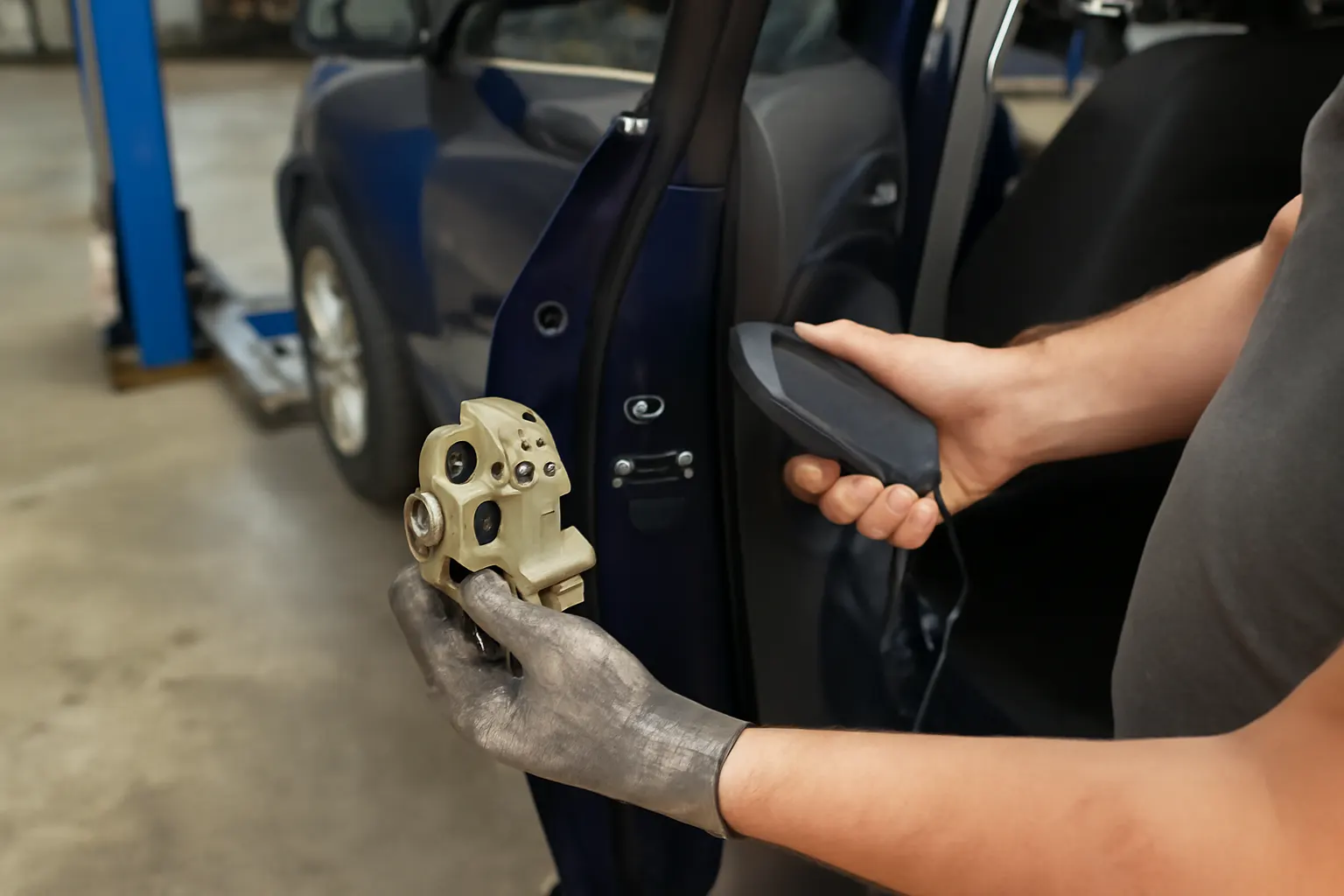
A typical front door latch system is a complex assembly designed for strength, reliability, and integration with other vehicle safety systems. Core components include:
- Latch Mechanism: The main engagement device, usually a claw-and-pawl or ratchet design.
- Striker Plate: Fixed to the vehicle body, providing a robust anchor for the latch.
- Release Linkages: Mechanical or electronic connections to the door handle, lock cylinder, and interior switches.
- Secondary Locks: Prevents accidental opening due to vibration or minor impacts.
- Sensors (in advanced systems): Monitor latch status for integration with alarm systems or keyless entry.
Material selection is critical—high-strength steel, corrosion-resistant coatings, and engineered plastics are common. Lightweighting initiatives, driven by fuel efficiency goals, have also led to the adoption of advanced materials that balance strength with reduced mass.[^2]
Common Latch Issues: Diagnosis and Troubleshooting
Despite robust design, door latches can suffer from a range of issues over a vehicle’s lifespan. Common problems include:
- Sticking or Jammed Latch: Often caused by dirt, corrosion, or worn internal components.
- Failure to Latch Securely: Misalignment between the latch and striker, or worn engagement surfaces.
- Intermittent Operation: Electrical faults in electronic latches or actuator motors.
- Unexpected Door Opening: Usually due to latch wear, corrosion, or failure of secondary locking mechanisms.
Diagnostic Checklist for Door Latch Issues
- Visual Inspection: Look for signs of corrosion, damage, or misalignment.
- Functional Test: Open and close the door repeatedly, checking for smooth operation and secure engagement.
- Listen for Unusual Noises: Clicking, grinding, or resistance may indicate internal wear.
- Check Electrical Connections: For electronic latches, inspect wiring and connectors.
- Test Secondary Locks: Ensure child locks and secondary mechanisms engage properly.
- Monitor for Warning Lights: Many modern vehicles provide door-ajar warnings tied to latch sensors.
For a step-by-step diagnostic approach, refer to our Diagnosing Door Latch Failures: Step-by-Step Guide.
Installation and Fitment: Ensuring Compliance and Performance
Proper installation is critical to maintaining door latch performance and regulatory compliance. Even a high-quality latch will underperform if misaligned or installed with incorrect hardware.
Installation Guidelines
- Always Use OEM or Certified Aftermarket Parts: These are tested for compliance with FMVSS and SAE standards.
- Follow Vehicle-Specific Procedures: Consult the service manual for torque specs and alignment instructions.
- Align Striker and Latch Carefully: Misalignment can cause premature wear or latch failure.
- Check for Smooth Operation: After installation, cycle the door multiple times and check for secure engagement.
- Verify All Sensors and Linkages: For electronic latches, ensure all connectors are properly seated and tested.
Improper installation is a leading cause of post-repair latch failures—attention to detail is essential.
Maintenance Best Practices: Extending Latch Lifespan
Routine maintenance can dramatically extend the lifespan and reliability of door latches. Neglect can lead to corrosion, jamming, or outright failure.
Maintenance Checklist
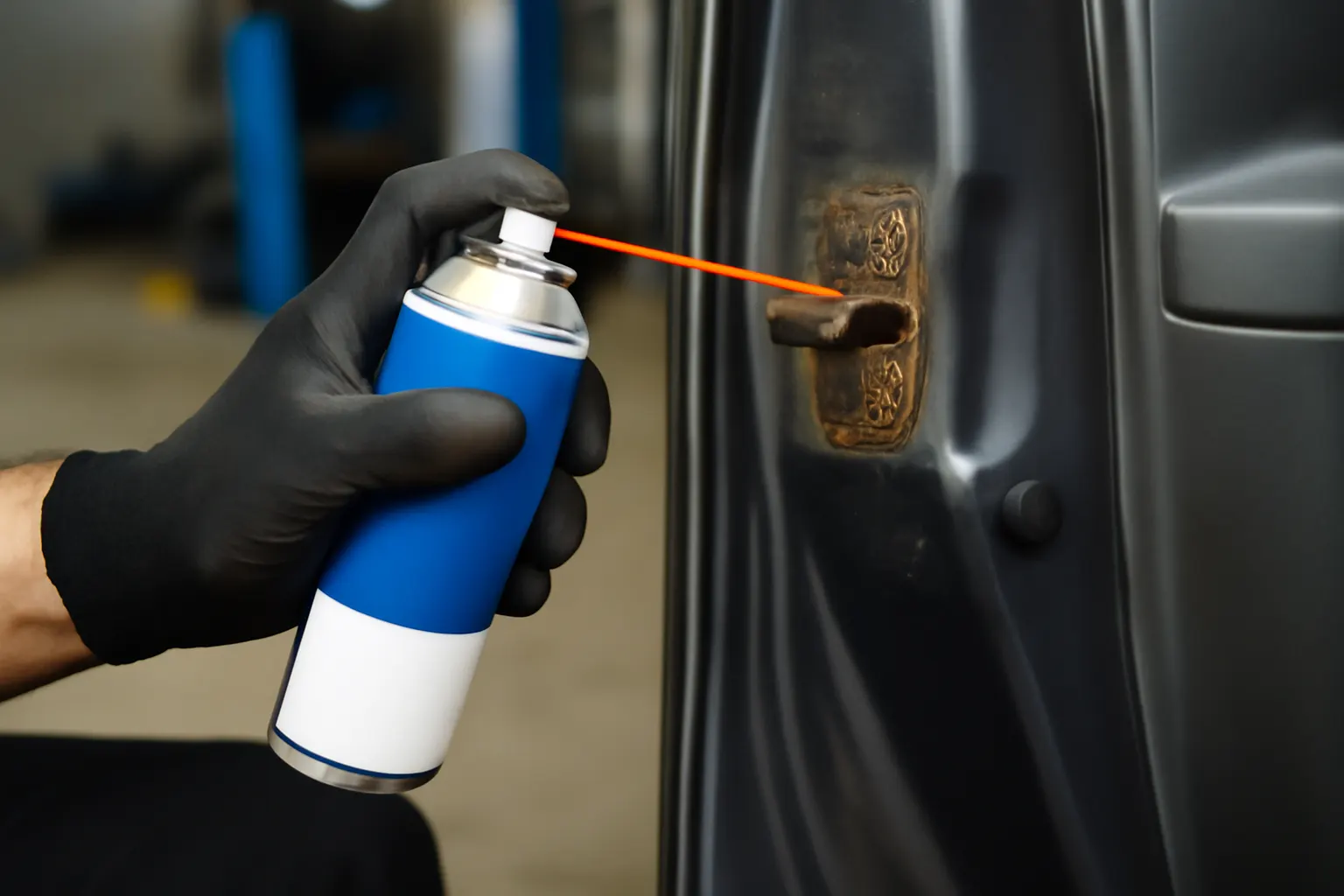
- Lubricate Moving Parts: Use a manufacturer-approved lubricant on latch mechanisms and strikers.
- Inspect for Corrosion: Regularly check for rust or pitting, especially in harsh climates.
- Clean Linkages and Surroundings: Remove debris or buildup that could impede movement.
- Test Locks and Sensors: Ensure all mechanical and electronic components function as intended.
- Replace Worn Components Promptly: Don’t wait for a total failure—address issues at the first sign of trouble.
For more on preventing rust and environmental damage, see Preventing Corrosion in Door Latch Mechanisms.
Electronic Latches and Advanced Safety Integration
Modern vehicles increasingly use electronic or “e-latch” systems, which offer enhanced security features and integration with vehicle electronics. These systems introduce new diagnostic and compliance considerations:
- Electronic Actuators: Replace traditional mechanical linkages, enabling remote and keyless entry.
- Integrated Sensors: Provide real-time feedback to the vehicle’s body control module.
- Smart Safety Features: Automatic locking, crash detection, and emergency release mechanisms.
Advertisement
While these systems provide convenience and can improve safety, they also require specialized diagnostic tools and knowledge for troubleshooting and repair. For those considering an upgrade, our Upgrading to Electronic Door Latches: What You Need to Know guide covers compatibility, installation, and safety tips.
The Impact of Materials and Lightweighting on Latch Performance
Vehicle manufacturers are under pressure to improve fuel efficiency and reduce emissions, leading to increased use of lightweight materials throughout the vehicle—including door latch systems.1 However, this must not compromise safety.
Materials in Modern Latches
- High-Strength Steel: Offers unmatched strength and durability, common in critical engagement points.
- Engineered Plastics: Used for housings and non-load-bearing components to reduce weight.
- Corrosion-Resistant Coatings: Essential for long-term durability, especially in harsh environments.
Material selection is a careful balance between weight, cost, manufacturability, and compliance with safety standards. Advanced materials must still pass all FMVSS and SAE tests to ensure occupant safety is never compromised.
The Role of Recalls and Post-Market Surveillance
Even with rigorous design and testing, real-world use can reveal unforeseen latch issues. The NHTSA maintains an active recall database, and manufacturers are required to report and remedy any defect that could affect safety.
- Common Recall Triggers: Faulty latch springs, actuator failures, corrosion, and improper assembly.
- Recall Process: Manufacturers notify owners, dealers, and repair shops; replacement or repair is performed at no cost.
- Importance of Compliance: Ignoring recall notices can leave vehicles vulnerable to latch failures in critical situations.
Vehicle owners and repair professionals should regularly check the NHTSA database for active recalls related to door latches and act promptly if their vehicle is affected.
Buying Guidance: Selecting the Right Door Latch for Safety and Compliance
When replacing a door latch, it’s vital to choose a part that meets or exceeds OEM specifications and complies with all relevant safety standards. Here’s what to look for:
Buying Checklist for Door Latches
- FMVSS/SAE Certification: Confirm part compliance with federal and industry standards.
- OEM vs. Aftermarket: OEM parts guarantee fit and compliance; high-quality aftermarket parts may offer cost savings but require careful vetting.
- Vehicle Compatibility: Ensure the latch matches your vehicle’s make, model, and year.
- Warranty and Support: Reputable suppliers offer warranty coverage and customer support.
- Supplier Reputation: Buy from trusted sources with a track record of safety and quality.
Remember, a non-compliant or poorly fitting latch can jeopardize both safety and legal compliance.
AutoPartEx: Your Partner in Safety, Compliance, and Technical Excellence
At AutoPartEx, we recognize that door latches are not just mechanical parts—they are vital safety systems. Our curated selection of front door latches and related components meets or exceeds all FMVSS and SAE requirements, ensuring your vehicle is as safe as it is functional. Whether you’re a professional technician, a collision repair specialist, or a dedicated DIYer, we provide:
- Verified, Compliant Parts: Sourced from leading OEM and certified aftermarket suppliers.
- Comprehensive Guides and Diagnostics: Step-by-step instructions and troubleshooting for every skill level.
- Expert Support: Our technical team is available to answer your questions and ensure proper fitment.
Explore our full range of front door latch systems or reach out for personalized recommendations.
Conclusion: The Critical Link Between Latch Performance and Vehicle Safety
Front door latches may seem like simple hardware, but their role in occupant safety and vehicle compliance is profound. From engineering and material selection to installation and post-market monitoring, every aspect of latch design and maintenance is governed by strict standards and real-world performance demands. By understanding these requirements and following best practices for diagnosis, sourcing, and maintenance, you can ensure your vehicle’s doors provide the security and protection they were designed for.
For more in-depth technical resources, troubleshooting guides, and compliant parts, trust AutoPartEx as your go-to partner in automotive safety.
References
- SAE Standards – SAE International
- Fuel Efficiency – United States Department of Energy
- Vehicle Safety and Equipment – National Highway Traffic Safety Administration
Footnotes
-
United States Department of Energy, "Fuel Efficiency," https://www.energy.gov/eere/vehicles/fuel-efficiency ↩
Advertisement