Advertisement
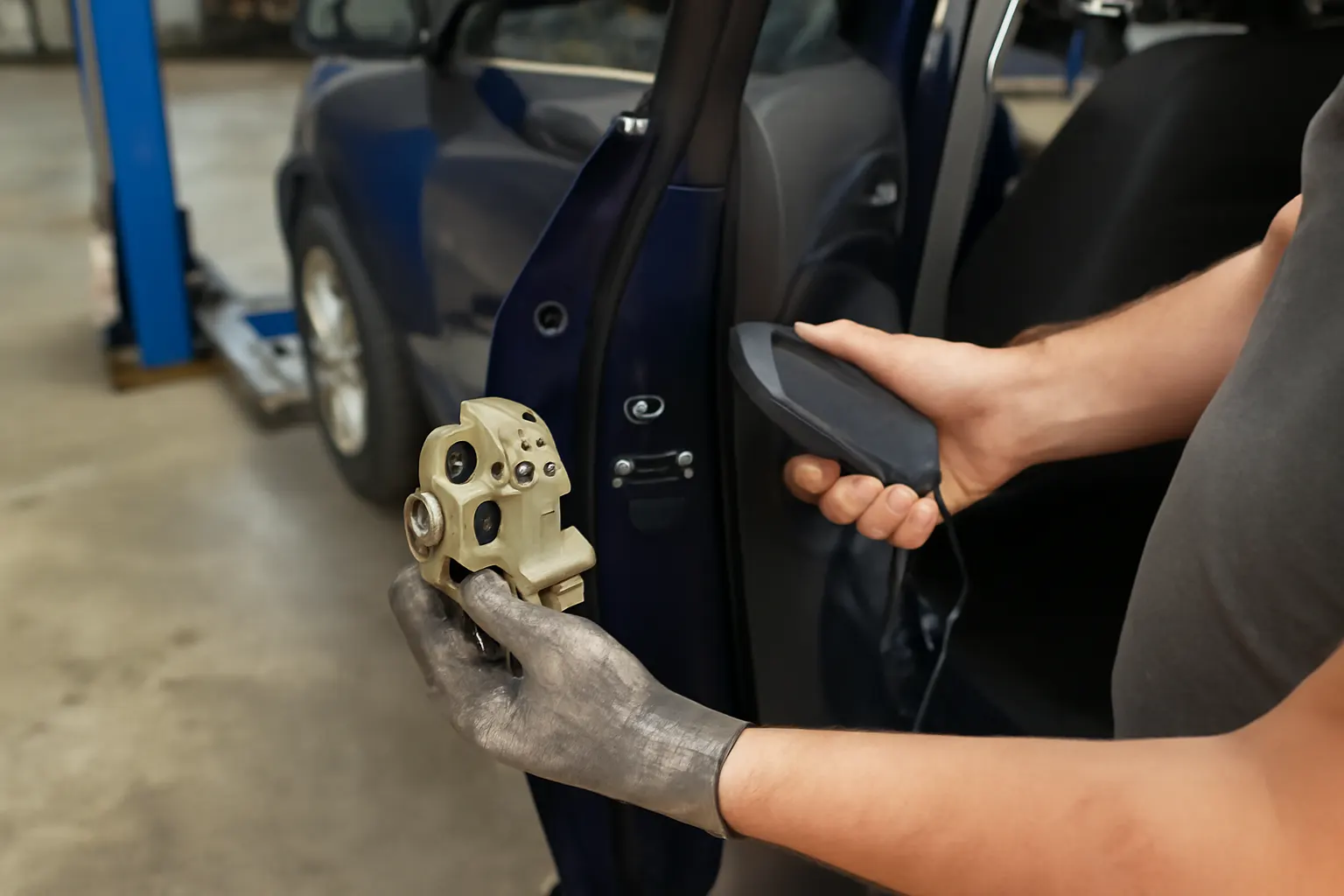
Corrosion is the silent adversary of front door latch mechanisms, threatening both vehicle safety and long-term reliability. Protecting your car’s door latches from rust and environmental damage is essential for smooth operation, security, and compliance with safety standards. This guide delivers actionable, expert-backed strategies to prevent corrosion in door latch systems—ensuring your vehicle remains secure and its doors operate flawlessly for years. For a comprehensive overview of latch system engineering and security, visit our Front Door Latch Systems: Security, Safety, and Precision Engineering page.
Why Door Latch Corrosion Demands Immediate Attention
A corroded door latch is more than a nuisance; it’s a critical safety risk. When corrosion infiltrates a latch, it compromises the mechanism’s strength, leading to unexpected door opening, failure to latch, or even complete inoperability. According to the National Highway Traffic Safety Administration (NHTSA), door latch integrity is central to occupant safety, especially in a crash scenario. Early signs of latch corrosion, such as stiffness, grinding noises, or inconsistent locking, should never be ignored.
The Hidden Problem: Environmental Assault on Latch Mechanisms
Most drivers underestimate the variety and severity of environmental threats faced by front door latches. Road salt, humidity, rain, mud, and even atmospheric pollution can accelerate corrosion. Modern vehicles use a mix of metals and alloys—each with unique vulnerabilities. The latch mechanism, often tucked away inside the door, is exposed to moisture ingress through window seals or during washes. Over time, this moist environment, combined with fluctuating temperatures, creates the perfect storm for rust formation.
Why Corrosion Is Especially Problematic for Door Latches
While corrosion affects many vehicle components, door latches are uniquely susceptible due to their design and function. Unlike body panels, which can be repainted or patched, latch mechanisms rely on precise tolerances and moving parts. Even minor rust can cause binding, loss of spring tension, or permanent seizing. Corroded latches can also result in failed safety inspections or even manufacturer recalls, as documented by the NHTSA’s recalls database.
Technical Deep Dive: How Corrosion Attacks Door Latch Assemblies
Understanding the mechanics of corrosion is key to prevention. Door latch mechanisms are typically composed of stamped steel, zinc-coated (galvanized) parts, and sometimes plastic or composite linkages. Here’s how corrosion progresses:
- Initial Attack: Moisture and oxygen penetrate the latch cavity, often through worn seals or condensation.
- Electrochemical Reaction: If dissimilar metals are present, galvanic corrosion accelerates rusting.
- Rust Formation: Iron oxide (rust) forms on steel parts, weakening structural integrity.
- Functional Degradation: Rust causes parts to swell, stick, or lose alignment, impeding latch operation.
- Catastrophic Failure: Severe corrosion can cause springs to break, pawls to jam, or the entire latch to seize.
Automotive standards, such as those from SAE International, require latch assemblies to pass rigorous salt-spray and humidity tests, but even the best-engineered systems can succumb without proper care (SAE Standards).
Recognizing Early Signs of Latch Corrosion
Staying ahead of corrosion starts with vigilance. Here are telltale symptoms that your door latch may be under attack:
- Increased Resistance: Doors feel stiff or “gritty” when opening/closing.
- Noisy Operation: Grinding, squeaking, or scraping sounds from inside the door.
- Intermittent Latching: Door fails to latch or requires multiple attempts.
- Visible Rust: Brown or orange staining around the latch striker or inside the door jamb.
- Lock Malfunction: Key or power locks operate sluggishly or not at all.
Advertisement
If you notice any of these symptoms, consult our Diagnosing Door Latch Failures: Step-by-Step Guide for detailed troubleshooting.
Environmental Factors: What Makes Some Vehicles More Vulnerable?
Not all vehicles face equal risk. The following factors can dramatically increase the likelihood of latch corrosion:
- Geographic Location: Coastal regions (salt air), northern climates (road salt), and humid areas accelerate rust.
- Driving Habits: Frequent off-roading, exposure to mud or water, and high-mileage city driving increase risk.
- Vehicle Age and Usage: Older vehicles or those with high door usage (taxis, delivery vans) see more wear.
- Seal Condition: Damaged or aged weatherstripping allows moisture to reach the latch.
Seasonal changes—especially freeze/thaw cycles—can exacerbate moisture ingress and corrosion.
Materials and Engineering: Advances and Limitations
Automotive engineers have made strides in material selection and protective coatings for latch systems. Modern latches may use:
- Galvanized or E-coated Steel: Provides a barrier against moisture but can be breached by scratches or wear.
- Polymer/Composite Parts: Resistant to rust, but only used for non-load-bearing components.
- Anodized or Stainless Hardware: More common in premium vehicles but not universal.
Despite these advances, cost pressures and design constraints mean that even new vehicles are not immune. The United States Department of Energy’s Materials Technologies research highlights ongoing efforts to balance weight, performance, and corrosion resistance.
Preventive Maintenance: The Heart of Corrosion Control
Routine maintenance is the most effective defense against latch corrosion. Here’s a step-by-step approach:
1. Inspection
- Open the door and visually inspect the latch and striker plate.
- Use a flashlight to check for rust, pitting, or debris inside the latch cavity.
- Operate the door and lock mechanism, noting any resistance or unusual sounds.
2. Cleaning
- Use compressed air to blow out dust or debris.
- Clean the latch with a non-abrasive brush and mild degreaser.
- Wipe dry with a lint-free cloth.
3. Lubrication
- Apply a high-quality, silicone-based or white lithium grease to moving parts.
- Avoid petroleum-based sprays, which can attract more dirt.
- Work the latch several times to distribute lubricant evenly.
4. Seal and Weatherstrip Care
- Inspect door seals for cracks, tears, or compression.
- Replace damaged weatherstripping to prevent moisture ingress.
5. Protective Coatings
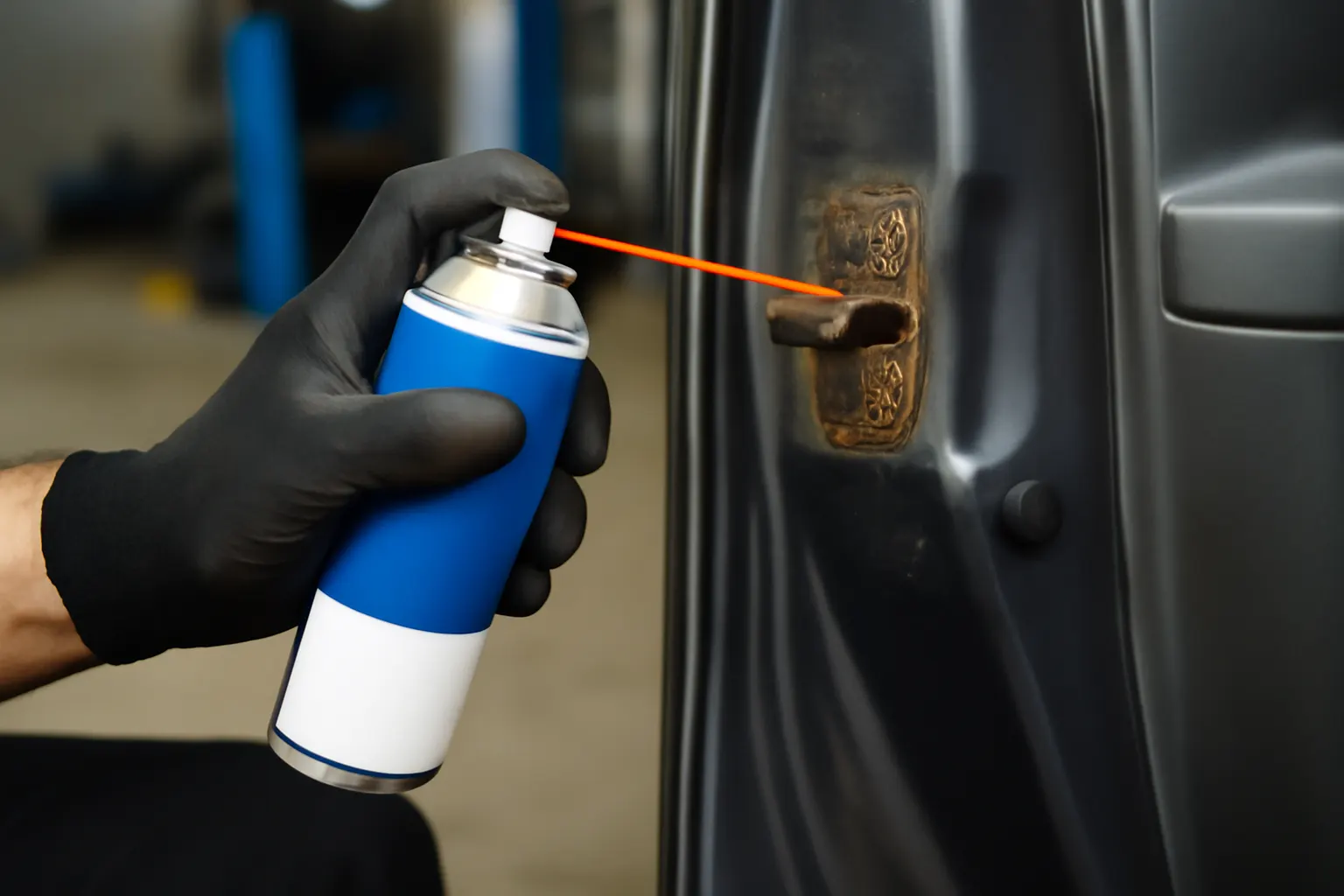
- Consider using a rust-inhibiting spray or corrosion-resistant coating on exposed metal parts.
Perform this maintenance at least twice yearly—before winter and after the rainy season.
DIY Checklist: Corrosion Prevention for Door Latches
Use this checklist during your next vehicle maintenance session:
| Task | Frequency | Tools/Materials Needed | Notes |
|---|---|---|---|
| Inspect latch and striker | Every 3 months | Flashlight, clean cloth | Look for visible rust or wear |
| Clean latch area | Every 6 months | Degreaser, brush, compressed air | Remove dirt, old grease, and debris |
| Lubricate moving parts | Every 6 months | Silicone or white lithium grease | Avoid over-lubrication |
| Check/replace seals | Annually | Inspection only or new seals | Replace if cracked, torn, or compressed |
| Apply rust inhibitor | Annually | Rust-preventative spray | Focus on metal surfaces and latch cavity |
Advanced Protection: Aftermarket and OEM Solutions
For vehicles in high-risk environments, consider additional protective measures:
- Aftermarket Latch Covers: Shields that deflect water and debris from the latch area.
- OEM Upgrade Kits: Some manufacturers offer enhanced corrosion-resistant latch assemblies for specific models.
- Professional Anti-Rust Treatments: Applied inside door panels during detailing or rustproofing sessions.
Always confirm compatibility with your vehicle’s make and model before purchasing aftermarket solutions.
Advertisement
Sourcing Quality Replacement Latch Components
If corrosion has already compromised your latch, replacement is often the best course. Here’s how to source the right part:
- OEM vs. Aftermarket: OEM parts guarantee original fit and finish, while quality aftermarket brands may offer improved corrosion resistance.
- Material and Coating: Look for latches with advanced coatings (E-coat, zinc plating) or stainless hardware.
- Fitment Verification: Use your vehicle’s VIN or consult a parts database to ensure compatibility.
- Supplier Reputation: Choose reputable suppliers with clear return policies and part warranties.
For a breakdown of available options, visit our Front Door Latch Systems: Security, Safety, and Precision Engineering page.
Installation Guidance: Replacing a Corroded Door Latch
Replacing a front door latch requires moderate mechanical skill and the right tools. Follow these steps for a typical installation:
- Disconnect Battery: Prevent accidental airbag or electrical activation.
- Remove Door Panel: Use trim tools to avoid damaging clips or upholstery.
- Disconnect Linkages and Wiring: Label connectors for easy reassembly.
- Unbolt and Remove Old Latch: Inspect mounting points for rust or damage.
- Install New Latch: Align carefully and torque bolts to manufacturer specs.
- Reconnect Linkages and Test: Ensure smooth operation before reassembling the door.
- Reinstall Door Panel: Confirm all fasteners and clips are secure.
If you encounter seized bolts, excessive rust, or electrical issues, consult a professional technician.
Diagnostic Tips: Is It Corrosion or Something Else?
Not every latch problem is caused by rust. Here’s how to distinguish corrosion from other issues:
- Electrical Failure: If power locks malfunction but the latch moves freely, suspect a wiring or actuator issue.
- Misalignment: Doors that sag or don’t close flush may have hinge or striker alignment problems, not latch corrosion.
- Freeze-Up: In cold climates, ice can temporarily jam latches—different from internal rust.
For a step-by-step diagnostic process, refer to our Diagnosing Door Latch Failures: Step-by-Step Guide.
The Role of Door Latches in Vehicle Safety and Recalls
Corroded door latches are not just an inconvenience—they’re a documented safety hazard. NHTSA tracks latch-related recalls, often triggered by corrosion-induced failures. A non-functioning latch can lead to doors opening during a crash, greatly increasing injury risk. For more on how latches fit into federal safety standards, see The Role of Door Latches in Vehicle Safety Standards.
When shopping for replacement parts, always check the NHTSA recalls database to ensure your part or vehicle hasn’t been flagged for latch issues.
Upgrading and Future-Proofing: Electronic Latches and Corrosion
The automotive industry is shifting toward electronic door latches, which often use sealed actuators and corrosion-resistant materials. However, these systems still have mechanical components that require protection. If you’re considering an upgrade, review our Upgrading to Electronic Door Latches: What You Need to Know for compatibility and maintenance insights.
Expert Action: Maintain, Inspect, and Source with Confidence
Preventing corrosion in your door latch mechanisms is not a one-time fix—it’s an ongoing commitment to vehicle safety and reliability. Regular inspection, targeted lubrication, and prompt replacement of compromised components are essential. If you drive in a high-risk environment or notice early signs of rust, take immediate action to clean, protect, and—if needed—replace your latch mechanism.
AutoPartEx is committed to providing the highest quality parts, technical guidance, and support for all your latch system needs. Our extensive catalog, expert resources, and fitment verification tools help you source the right latch—first time, every time.
For more information on latch engineering, sourcing, and maintenance, explore our Front Door Latch Systems: Security, Safety, and Precision Engineering page or contact the AutoPartEx technical team for personalized assistance.
References
Advertisement